
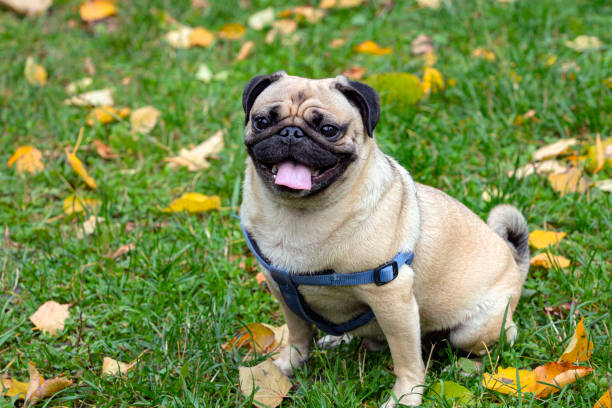
Introduction: Understanding the Unique Challenges of Brachycephalic Dogs
Brachycephalic breeds, characterized by their distinct flattened faces, short snouts, and often prominent eyes, have captured the hearts of many dog lovers worldwide. Breeds such as French Bulldogs, Pugs, English Bulldogs, Boston Terriers, Boxers, Shih Tzus, and Cavalier King Charles Spaniels are renowned for their charming personalities, affectionate natures, and often comical expressions. However, beneath their endearing features lies a complex set of anatomical challenges that significantly impact their ability to breathe, regulate body temperature, and engage in physical activity.
These unique physical characteristics, while contributing to their distinctive appearance, are also the root cause of Brachycephalic Obstructive Airway Syndrome (BOAS), a condition that can severely compromise a dog’s quality of life. The shortened muzzle means that the soft tissues of the throat are often crammed into a proportionally smaller space, leading to narrowed nostrils (stenotic nares), an elongated soft palate, everted laryngeal saccules, and sometimes a hypoplastic (narrow) trachea. These obstructions drastically increase the effort required for every breath, making simple activities like walking, playing, or even just existing in warm weather a strenuous task.
For owners of brachycephalic dogs, understanding these inherent limitations is not merely a matter of pet care; it is fundamental to their responsibility. This understanding becomes even more critical when approaching dog obedience training. Obedience training is vital for any dog, regardless of breed, providing mental stimulation, enhancing communication, building a stronger bond, and ensuring safety in various environments. For brachycephalic breeds, well-executed training can be life-saving, teaching crucial cues like reliable recall, loose-leash walking, and “leave it,” which can prevent them from encountering dangerous situations that might lead to overexertion or heatstroke.
However, traditional obedience training methods and expectations often need significant adaptation for these dogs. Their compromised respiratory systems mean that managing breath and stamina is paramount. Pushing a brachycephalic dog too hard, even with the best intentions, can quickly lead to respiratory distress, overheating, and potentially life-threatening emergencies.
This comprehensive guide aims to provide a detailed, elaborate, and practical framework for training brachycephalic breeds effectively, with a primary focus on managing their unique respiratory and stamina challenges. We will delve into their specific anatomical considerations, outline adapted training methodologies, stress the importance of environmental control, discuss appropriate gear, and equip owners with the knowledge to recognize, prevent, and respond to signs of distress. By embracing patience, empathy, and a tailored approach, owners can still achieve remarkable training success with their brachycephalic companions, fostering a fulfilling and safe life for these special dogs.
Understanding Brachycephalic Anatomy and Physiology: The Root of the Challenge
To effectively train a brachycephalic dog, one must first possess a deep understanding of their unique anatomical structure and how it impacts their physiology, particularly their breathing and thermoregulation. This knowledge forms the bedrock upon which all successful training adaptations will be built.
External Features: What You See
- Short Muzzle and Flattened Face: This is the defining characteristic. While aesthetically pleasing to many, it means the skull’s bones are shortened, but the soft tissues (like the tongue, soft palate, and muscles) are often not similarly reduced. They are essentially crammed into a smaller space.
- Stenotic Nares (Narrow Nostrils): Many brachycephalic dogs have nostrils that are significantly narrower than they should be, making it difficult for air to even enter the nasal passages efficiently. Imagine trying to breathe deeply through a pinched nose – this is a constant reality for many of these dogs. This initial obstruction forces them to breathe harder through their mouth.
Internal Challenges: What You Don’t See
The problems extend far beyond the visible nostrils and into the dog’s internal airways:
- Elongated Soft Palate: The soft palate is the fleshy part at the back of the roof of the mouth. In brachycephalic dogs, it is often too long, extending into the airway and partly obstructing the larynx (voice box). This causes the characteristic snorting, snoring, and noisy breathing sounds often associated with these breeds as air struggles to pass.
- Everted Laryngeal Saccules: These are small pouches of tissue located just inside the larynx. The increased negative pressure created by struggling to breathe can literally suck these tissues outwards, everting them into the airway and creating yet another obstruction.
- Hypoplastic Trachea (Narrow Windpipe): Some brachycephalic dogs are born with a windpipe that is narrower than it should be for their size. This significantly reduces the volume of air that can pass to and from the lungs, like trying to drink water through a very thin straw.
- Laryngeal Collapse: In severe or chronic cases of BOAS, the repeated strain on the larynx from trying to breathe past obstructions can weaken its cartilages, leading to it collapsing and further obstructing the airway. This is a severe, life-threatening condition.
Impact on Exercise and Thermoregulation
Combined, these anatomical issues lead to a cascade of physiological problems:
- Reduced Oxygen Intake: The multiple points of obstruction mean less oxygen reaches the lungs with each breath, leading to chronic mild hypoxia (oxygen deprivation) and making any physical exertion highly demanding.
- Increased Breathing Effort: Every breath requires significantly more effort, leading to increased strain on the respiratory muscles and the heart.
- Inefficient Panting: Dogs cool themselves primarily through panting, which allows for evaporative cooling from the tongue and mucous membranes. However, the elongated soft palate and other obstructions hinder the efficient flow of air over these surfaces, making brachycephalic dogs much less efficient at cooling themselves.
- Rapid Overheating (Heatstroke Risk): Because they cannot cool efficiently, brachycephalic dogs are highly susceptible to overheating, even in moderately warm temperatures or with mild exercise. Heatstroke is a severe medical emergency and often fatal.
- Increased Cardiovascular Strain: The constant effort to breathe and the risk of overheating place immense stress on the heart and circulatory system, potentially leading to secondary heart problems.
- Gastrointestinal Issues: The increased vacuum created in the chest during strenuous breathing can pull stomach contents up into the esophagus, leading to acid reflux, vomiting, regurgitation, and a higher risk of aspiration pneumonia (inhaling stomach contents into the lungs).
Brachycephalic Obstructive Airway Syndrome (BOAS)
All these anatomical and physiological challenges collectively fall under the umbrella of BOAS. It’s a progressive condition, meaning it tends to worsen over time as the chronic inflammation and strain on the airways cause tissues to swell and further collapse. Early intervention, often surgical correction of stenotic nares and elongated soft palate, can significantly improve a dog’s breathing and quality of life, potentially mitigating the progression of more severe complications.
Associated Health Concerns Beyond BOAS
Beyond the direct respiratory issues, brachycephalic dogs are also prone to:
- Eye Problems: Protruding eyes are more susceptible to injury, ulcers, and dry eye.
- Skin Fold Dermatitis: Deep facial and tail folds can trap moisture and bacteria, leading to skin infections.
- Dental Disease: Crowded teeth in a shortened jaw can lead to malocclusion and increased risk of periodontal disease.
- Spinal Issues: Breeds like French and English Bulldogs are prone to hemivertebrae, leading to spinal deformities and neurological issues.
Crucial Veterinary Consultation
Given these considerations, a thorough veterinary examination is the absolute first step for any brachycephalic dog owner, especially before embarking on an obedience training regimen. A vet can assess the severity of BOAS, recommend appropriate management strategies (including potential surgical intervention), and provide guidance on safe exercise levels. Owners should openly discuss their training goals with their vet to ensure a safe and responsible approach. Understanding the “why” behind their limitations allows us to implement the “how” of successful, safe, and empathetic training.
The Foundation of Training Brachycephalic Dogs: A Tailored Approach
Successful obedience training for brachycephalic dogs requires a paradigm shift from conventional methods. It prioritizes safety, well-being, and adaptation over speed or intensity.
1. Patience and Empathy: Your Core Virtues
Brachycephalic dogs are not “stubborn” or “lazy” if they struggle with certain tasks; they are physically limited. Approach every training session with an abundance of patience and empathy. Understand that their limitations mean they might learn at a slower pace or require more frequent breaks. Frustration on your part will only hinder progress and damage your bond. Celebrate small victories and adjust your expectations to their physical capabilities.
2. Positive Reinforcement: The Only Way
For any dog, positive reinforcement (rewarding desired behaviors) is the most effective and humane training method. For brachycephalic dogs, it’s non-negotiable. Harsh corrections, physical punishment, or even stern verbal reprimands can cause stress, which can elevate their heart rate and increase respiratory distress.
- High-Value Rewards: Use soft, small, easily digestible treats that don’t require much chewing (e.g., small pieces of cooked chicken, cheese, hot dogs). This prevents them from choking or having to chew excessively, which can impede breathing.
- Verbal Praise: Gentle, calm praise works wonders.
- Affection: Many brachycephalic dogs love gentle petting and cuddling.
- Gentle Play: A short game of tug (if they can breathe comfortably) or a favorite squeaky toy can be a reward.
3. Environmental Control: Setting the Stage for Success
The environment in which you train plays a critical role in managing breath and stamina.
- Temperature is Paramount: This is the single most important factor. Brachycephalic dogs are extremely susceptible to overheating.
- Avoid Heat and Humidity: Never train outdoors during hot, humid weather. Even seemingly mild temperatures (above 70-75°F or 21-24°C) can be dangerous, especially with humidity.
- Cool Environments: Train indoors in air-conditioned spaces, or outdoors during the coolest parts of the day.
- Shade: If training outdoors, ensured deep, consistent shade.
- Time of Day: Schedule training sessions for early morning or late evening when temperatures are naturally lower. Avoid midday sun and heat.
- Surface: Train on non-slip surfaces to prevent slips and falls, which can cause injury or panic. Comfortable surfaces (like grass or mats) are preferred over hard, hot asphalt.
- Distractions: Start training in a quiet, low-distraction environment. This helps them focus without becoming overstimulated, which can lead to excessive panting and stress. Gradually introduce more distractions as they progress and can tolerate them without becoming stressed.
4. Gear Selection: Safety and Comfort First
The right equipment can make a significant difference in your brachycephalic dog’s comfort and safety during training.
- Harness vs. Collar (Harness is Essential): Always use a well-fitting, Y-front harness. Neck collars, even flat buckle collars, put pressure on the trachea and airways, exacerbating breathing difficulties. A Y-front harness distributes pressure across the chest and shoulders, away from the throat. Avoid harnesses that restrict shoulder movement or have straps that rub.
- Leashes: A standard 4-6 foot leash is appropriate. Retractable leashes are generally discouraged as they offer less control and can lead to sudden jolts if the dog lunges, which can be dangerous for brachycephalic dogs trying to manage their breathing.
- Cooling Gear:
- Cooling Vests/Harnesses: These can help regulate body temperature by using evaporative cooling.
- Cooling Mats: Provide a cool spot for breaks during and after training.
- Water Bottles/Bowls: Always have fresh, cool water readily available. Consider a portable bowl for outdoor sessions.
- Muzzles (If Necessary): If a muzzle is required for vet visits or grooming, ensure it’s a basket muzzle that allows for full panting and doesn’t restrict breathing.
By laying this careful foundation, you create a safe, comfortable, and conducive environment for your brachycephalic dog to learn and thrive. It acknowledges their vulnerabilities while empowering them to become well-mannered companions.
Tailoring Obedience Training for Brachycephalic Breeds: Adapting Methods and Expectations
Once the foundational principles are in place, we can delve into the specifics of adapting obedience exercises to suit the needs of brachycephalic dogs. The key is to break down complex behaviors into smaller steps, manage physical exertion, and prioritize mental engagement.
1. Short, Frequent Sessions: Quality Over Quantity
Forget long, arduous training sessions. For brachycephalic dogs, shorter, more frequent sessions are vastly more effective and safer.
- Duration: Aim for 5-10 minute sessions, 2-4 times a day, rather than one 30-minute session. This prevents fatigue and keeps their interest high.
- Attention Span: Shorter sessions also cater to their natural attention spans, which can be shorter when physical discomfort is a factor.
- Consolidation: Multiple short sessions allow for better memory consolidation over the day.
2. Gradual Progression: Step-by-Step Mastery
Never rush the process. Introduce new concepts slowly and gradually increase the “three D’s” only when your dog is consistently performing reliably:
- Duration: How long they perform a behavior (e.g., holding a “stay”).
- Distance: How far you are from them while they perform the behavior.
- Distraction: The level of environmental stimulation during training.
Start in a quiet, familiar environment, then gradually introduce mild distractions (e.g., another person in the room), then more significant ones (e.g., a quiet park).
3. Focus on Mental Stimulation: Engaging the Mind, Not Just the Body
Given their physical limitations, mental stimulation becomes even more crucial for brachycephalic dogs. It can tire them out just as effectively as physical exercise, without the same respiratory strain.
- Puzzle Toys & Food Dispensing Toys: Excellent for independent engagement.
- Scent Work/Nose Work: Highly engaging and low-impact. Teach them to find treats or toys hidden around the house or yard. This taps into their natural instincts and is mentally exhausting.
- Enrichment Games: “Find It” games, learning names of toys, or even trick training.
- Observation: Simply letting them observe their environment from a comfortable, cool spot can be stimulating.
4. Core Obedience Cues (with Brachycephalic Modifications):
Let’s look at common cues and how to adapt them:
- Sit / Stay:
- Adaptation: Start with very short durations (1-2 seconds) for “stay.” Ensure the dog is in a comfortable, balanced sit. Some brachycephalic dogs may find a “down” more comfortable for longer durations as it places less strain on their bodies.
- Progress: Gradually extend the duration of the “stay” in very small increments. Always reward for holding the position calmly. If you see signs of discomfort or excessive panting, end the session or transition to another cue.
- Down / Stay:
- Adaptation: Often a more natural and comfortable resting position for brachycephalic dogs, especially for longer “stays,” as it allows them to lie flat and breathe more easily.
- Progress: Build duration and distance as with “sit/stay.” This is an excellent default calm behavior.
- Come (Recall):
- Adaptation: This cue is critical for safety. However, a fast, sustained run back to you can be dangerous.
- Training: Practice in a secure, cool, enclosed area. Start with short distances. Use an excited, happy tone to encourage them, but don’t demand a Flat-out sprint. If they are far away, call them and then walk towards them to shorten the distance they need to travel rapidly. Reward enthusiastically upon arrival. Prioritize consistency and reliability over speed.
- Safety: Never call a brachycephalic dog from a long distance if they are already panting heavily or in a warm environment.
- Loose-Leash Walking:
- Adaptation: This is key to preventing pulling, which can choke them even with a harness and exacerbate breathing issues. Your pace must match their comfortable pace.
- Training: Use positive reinforcement to reward slack in the leash. Stop walking immediately if the leash goes taut; resume when it’s slack. Keep walks short and frequent. Incorporate sniff breaks, which are mentally stimulating and allow them to rest without halting.
- Pacing: Understand that their “brisk walk” might be slower than your leisurely stroll. Be prepared for frequent stops for them to catch their breath.
- Leave It / Drop It:
- Adaptation: Crucial for preventing them from ingesting harmful items, which can lead to choking or stomach upset, adding stress to their system.
- Training: Practice with low-value items first, then gradually introduce higher-value items. This is a mental exercise more than a physical one.
- Targeting:
- Adaptation: Teach your dog to touch their nose to your hand or a target stick. This is fantastic for body awareness, focus, and moving them gently without demanding strenuous exercise. Useful for vet exams or cooperative care.
- Paw / Shake (or other low-impact tricks):
- Adaptation: Simple tricks like “paw” or “spin” (if they can manage it comfortably without getting dizzy or overexerted) are great for mental engagement and building confidence without significant physical strain.
5. Integrating Rest and Recovery: Non-Negotiable Breaks
Scheduled rest and recovery are integral to every training session.
- Mandatory Breaks: Don’t wait for your dog to show signs of distress. Plan short breaks (30-60 seconds) after every few repetitions or every 2-3 minutes.
- Active vs. Passive Rest: During breaks, offer water. If indoors, let them lie on a cooling mat. If outdoors, move to the shade. Use this time to observe their breathing.
- Monitoring Signs of Fatigue/Overheating: Learn to recognize the early warning signs:
- Excessive panting (louder, harder, faster than normal).
- Open-mouth breathing with the tongue extended far out.
- Foaming at the mouth or excessive drooling.
- Bright red or blue-tinged gums.
- Labored breathing sounds (raspy, gurgling, struggling).
- Loss of coordination, stumbling, wobbling.
- Lethargy, reluctance to move.
- Vomiting or diarrhea.
STOP IMMEDIATELY if you see any of these signs. Move to a cool area, offer water, apply cooling measures, and if symptoms persist or worsen, seek immediate veterinary attention. Prevention is always better than cure.
By adopting these tailored strategies, you can ensure that training is a positive, enriching, and most importantly, safe experience for your brachycephalic companion.
Managing Breath and Stamina During Training: Practical Implementation
Effective management of breath and stamina is not just about avoiding problems; it’s about proactively creating an environment and a training flow that supports your brachycephalic dog’s physiological needs. This requires constant vigilance and quick adaptations.
1. Pre-Training Preparation: Setting Up for Success
Before you even begin a training session, take these critical steps:
- Hydration: Ensure your dog has access to fresh, cool water at least 30 minutes before training. Offer a drink just before starting.
- Potty Break: A light potty break can empty their bladder/bowel, making them more comfortable during the session. Avoid strenuous pre-training play.
- Environment Check: Double-check the temperature and humidity. Is the training area cool enough? Is there ample shade if outdoors? Are cooling aids (mats, vests) ready?
- Gear Check: Ensure the harness is properly fitted and comfortable. Have your high-value treats (small, soft), a water bowl, and a towel ready.
2. During Training: Active Management and Observation
This is where your proactive management truly comes into play. You are your dog’s advocate, constantly assessing and adjusting.
- Observation is Key: The “Breathing Barometer”: Your dog’s breathing is your most reliable indicator of their current state.
- Normal: Quiet, calm panting, or even breathing through the nose.
- Concern: Panting becomes louder, faster, shallower, or more labored. You hear increased snorting or gurgling. The tongue may be extended more than usual.
- Crisis: Gums become bright red or blue, tongue is dark red/purple, frothing at the mouth, gasping, struggling, collapsing.
- Action: At the first sign of concern, pause the exercise. At the first sign of crisis, stop immediately and initiate emergency cooling protocols.
- Pacing the Session:
- Slow Down: Always err on the side of going too slow rather than too fast.
- Shorten Exercises: If a specific exercise seems too demanding, break it down further or reduce the number of repetitions. For example, instead of 5 “sits,” ask for 2 “sits” and then reward a break.
- Limit “Reps”: Instead of a long string of commands, do 1-2 repetitions of a behavior, then reward and give a brief breathing break.
- Scheduled Breathing Breaks:
- Frequency: Implement short, mandatory breaks every 2-3 minutes, regardless of whether your dog appears fatigued.
- Purpose: Allow them to stand, lie down, breathe deeply, and re-regulate their body temperature.
- Location: Always move to the coolest, shadiest spot available for breaks.
- Hydration, Hydration, Hydration:
- Constant Access: Keep fresh, cool water within easy reach.
- Offer Frequently: Offer sips of water during every break. Don’t wait for them to ask.
- Utilizing Cooling Aids:
- Wet Paws and Belly: If outdoors and they are getting warm, gently wet their paws or belly with cool water (not icy cold, as this can shock their system).
- Cooling Vests/Mats: Use these as part of your routine.
- Fan/Air Conditioning: Position them near a fan or in an air-conditioned room during indoor training.
- Varying Activities:
- Mix it Up: Don’t just drill physical commands. Interweave physically demanding cues (like a short retrieve) with mentally stimulating but low-exertion ones (like puzzle toys, “find it,” or a “down-stay”). This provides mental engagement while giving their body a rest.
- Listen to Your Dog (Beyond Just Breathing):
- Body Language: Are they reluctant to perform a cue? Are they yawning excessively (a sign of stress)? Are their eyes wide or partially closed? These can be subtle cues that they are reaching their limit.
- Self-Preservation: Brachycephalic dogs have a strong self-preservation instinct when it comes to breathing. If they refuse a command, it might not be defiance, but a physical inability to comply safely. Respect this.
3. Post-Training Care: Winding Down Safely
The care doesn’t end when the training session does.
- Cool Down: Just like human athletes, dogs need a cool-down period. This means a gradual decrease in activity, perhaps a slow, short walk to the water bowl, or just a quiet lie-down.
- Continued Hydration: Ensure they have unlimited access to cool water after training.
- Post-Session Monitoring: Continue to observe them for 15-30 minutes after the session. Sometimes signs of fatigue or overheating can be delayed.
- Comfortable Resting Spot: Guide them to a cool, quiet, comfortable spot where they can truly rest without being disturbed. A cooling mat can be beneficial here.
By meticulously managing these aspects, you create a training experience that is not only effective but also deeply respectful of your brachycephalic dog’s unique physiology. Your proactive attention to their breath and stamina will empower them to learn happily and safely.
Advanced Considerations and Specific Challenges
As you progress in your training journey with a brachycephalic dog, certain scenarios and challenges require additional thought and adaptation.
1. Group Classes vs. Private Training: Making the Right Choice
- Private Training: Often the most ideal option for brachycephalic dogs, especially in the early stages. It allows for a completely customized pace, environmental control, and undivided attention from a trainer who can adapt immediately to your dog’s needs.
- Group Classes: If you choose a group class:
- Trainer Experience: Seek out trainers specifically experienced with brachycephalic breeds and BOAS.
- Class Structure: Look for classes that emphasize positive reinforcement, short sessions, frequent breaks, and are perhaps designed for “low-impact” dogs or older dogs.
- Environment: Ensure the training facility is air-conditioned and well-ventilated.
- Manage Expectations: Be prepared to take more breaks, modify exercises, or even step out of the room if your dog is struggling. Don’t feel pressured to keep up with other dogs.
- Small Class Size: Smaller classes allow for more individual attention and less overstimulation.
2. Public Access and Therapy Work: A Rigorous Assessment
For brachycephalic dogs considering public access work (e.g., service dog work, though less common due to physical limitations) or therapy dog work, the bar is much higher.
- Health Screening: An extremely thorough veterinary health screening and ongoing monitoring are non-negotiable. Only dogs with minimal BOAS symptoms should even be considered.
- Stamina Assessment: Can they comfortably handle extended periods in varied environments, potentially loud or crowded, without showing signs of stress or respiratory distress?
- Task Selection: Tasks chosen should be low-impact and not require strenuous physical exertion for prolonged periods.
- Stress Management: Public environments can be incredibly stressful. Training must focus on building immense resilience and calm behavior in the face of distractions, without overexertion.
- Advocacy: Handlers must be prepared to advocate for their dog’s needs, taking frequent breaks, seeking cool spots, and declining tasks if the dog is struggling.
3. Overcoming Frustration (Both Yours and Your Dog’s)
It’s natural to feel frustrated when progress seems slow or when your dog hits a physical wall.
- Adjust Expectations: Reframe your definition of “success.” A calm 5-minute walk without heavy panting is a huge win. A reliable “sit” for 5 seconds is excellent.
- Celebrate Small Victories: Acknowledge every tiny step forward. Positive reinforcement isn’t just for the dog; it’s for you too!
- Breaks for You: If you feel your patience wearing thin, take a break from training yourself. Come back with a fresh mindset.
- Vary Training: If you’re stuck on a particular cue, switch to a fun trick or a scent game. This keeps things positive and prevents burnout.
4. Recognizing and Responding to Emergencies: Heatstroke Protocol
Understanding the immediate action required for heatstroke is critical. This is a life-threatening emergency.
Symptoms of Heatstroke (escalating):
- Excessive, pronounced panting
- Bright red gums, then later pale or bluish gums
- Increased heart rate
- Drooling, foaming at the mouth
- Vomiting (sometimes with blood) or diarrhea
- Staggering, wobbly gait, loss of coordination
- Dullness, weakness, collapse
- Seizures
- Loss of consciousness
Immediate First Aid (while en route to the ER vet):
- Stop All Activity: Immediately move the dog to the coolest, shadiest environment possible.
- Apply Cool Water: Wet the dog thoroughly with cool (not ice-cold) water, especially on the belly, armpits, groin, and paw pads. Use a hose or wet towels.
- Use a Fan: If available, point a fan directly at the dog to enhance evaporative cooling.
- Offer Small Sips of Water: If the dog is conscious and able to drink without choking. Do not force water.
- Do NOT Submerge in Ice Water: This can cause shock and constrict blood vessels, hindering cooling.
- Seek Veterinary Care IMMEDIATELY: This is the most crucial step. Even if the dog seems to recover, internal damage may have occurred. Call ahead to your vet or emergency clinic so they can be prepared.
5. Weight Management: The Unsung Hero of Respiratory Health
An overweight brachycephalic dog will struggle exponentially more with breathing and stamina. Excess fat deposits around the neck and chest further compress the already compromised airways.
- Healthy Weight is Crucial: Work with your vet to determine your dog’s ideal body condition score.
- Balanced Diet: Feed a high-quality, veterinarian-approved diet appropriate for their age, size, and (lower) activity level.
- Portion Control: Measure food accurately. Be mindful of treats; account for them in their daily calorie intake.
- Regular, Low-Impact Exercise: Combined with diet, this is vital for weight management.
By considering these advanced points, you not only improve your brachycephalic dog’s training outcomes but also profoundly enhance their overall well-being and longevity. Responsible ownership for these breeds goes far beyond basic care; it demands a deep commitment to understanding and mitigating their unique vulnerabilities.
Long-Term Health & Welfare: Holistic Care for Brachycephalic Dogs
Obedience training is a significant component of a brachycephalic dog’s life, but it exists within a larger framework of holistic care. Ensuring their long-term health and welfare requires ongoing vigilance and proactive management of their specific breed predispositions.
1. Regular Veterinary Checks: Ongoing Surveillance
- Annual/Bi-Annual Exams: Even if your dog seems healthy, regular check-ups are essential. Brachycephalic dogs can mask symptoms of discomfort or illness until conditions are advanced.
- BOAS Monitoring: Your vet will continue to monitor the progression of any BOAS symptoms and reassess the need for corrective surgery if initial procedures were not performed or if symptoms recur.
- Dental Health: Due to crowded teeth, brachycephalic dogs are highly prone to dental disease. Regular professional dental cleanings and at-home care (brushing, dental chews approved by your vet) are crucial. Poor dental health can lead to systemic infections and pain, further stressing their system.
- Eye Care: Their prominent eyes make them susceptible to corneal ulcers, dry eye, and other issues. Regular veterinary eye checks and daily cleaning of the eye area are important.
- Spinal Health: For breeds predisposed to spinal problems like hemivertebrae, regular neurological checks might be recommended, and any signs of back pain or neurological deficits should be reported immediately.
2. Diet and Nutrition: Fueling a Sensitive System
- High-Quality Diet: Feed a well-balanced, high-quality commercially prepared dog food appropriate for their life stage (puppy, adult, senior) and activity level. Consult your vet for recommendations.
- Portion Control: Overfeeding is detrimental. Accurately measure food portions and adjust them based on your dog’s activity level and body condition.
- Treats in Moderation: As discussed, use small, soft treats for training. Account for these calories in their daily intake.
- Gastrointestinal Sensitivity: Many brachycephalic dogs have sensitive stomachs due to the increased negative pressure in their chest affecting their GI tract. Choose foods that agree with them and avoid sudden dietary changes.
- Slow Feeders/Puzzle Bowls: These can help prevent eating too quickly, which can lead to gas, bloating, and regurgitation.
3. Skin Fold Care: Preventing Infections
- Regular Cleaning: The deep facial folds (e.g., on Bulldogs, Pugs) can trap moisture, food, and debris, leading to bacterial and yeast infections (dermatitis). Clean these folds daily with a veterinarian-approved wipe or damp cloth, ensuring they are thoroughly dried afterward.
- Tail Pocket Care: Some breeds (e.g., Bulldogs) have “tail pockets” that also require regular cleaning to prevent infection.
- Monitor for Irritation: Watch for redness, odor, discharge, or inflammation in any skin folds.
4. Heat and Humidity Avoidance: A Lifelong Commitment
This isn’t just about training; it’s about daily life.
- Never Leave in a Hot Car: Even with windows cracked, temperatures can skyrocket rapidly.
- Avoid High-Temperature Activities: No walks or strenuous play during the hottest parts of the day or in high humidity.
- Access to Cool Areas: Ensure your home always has cool, air-conditioned spaces available for your dog.
- Travel Precautions: If traveling, plan routes with cool stops, always have water, and consider portable fans or cooling mats. Air travel can be particularly risky due to cargo hold temperatures and stress; many airlines have restrictions for these breeds.
5. Advocacy and Education: Being a Responsible Brachycephalic Owner
- Educate Others: Share your knowledge with friends, family, and even strangers who show interest in brachycephalic dogs. Help them understand the unique needs and challenges of these breeds.
- Promote Responsible Breeding: Support breeders who prioritize health and genetic diversity over extreme physical features. Advocate for less exaggerated brachycephalic features.
- Be a Role Model: Demonstrate what responsible brachycephalic ownership looks like through your proactive care, adapted training, and commitment to their well-being.
By integrating these long-term health and welfare considerations with your obedience training efforts, you contribute to a significantly higher quality of life for your brachycephalic companion. It’s a journey of continuous learning, adaptation, and unwavering love, ensuring these charming dogs can live their fullest, happiest, and healthiest lives possible despite their unique physical forms.
Conclusion: A Rewarding Journey of Patience and Understanding
The journey of obedience training with a brachycephalic dog is undoubtedly unique, demanding a heightened level of awareness, patience, and adaptation compared to training other breeds. However, it is precisely this tailored approach that makes the experience profoundly rewarding. By understanding their distinct anatomy and physiological limitations, owners can transform potential challenges into opportunities for deeper connection and more effective, empathetic training.
The core principles outlined in this guide – prioritizing safety through environmental control, utilizing positive reinforcement, embracing short and frequent sessions, adapting traditional cues, and meticulously managing breath and stamina – are not merely suggestions; they are fundamental requirements for the well-being of these beloved companions. Every training session becomes a delicate balance of mental engagement and physical comfort, a continuous dialogue between owner and dog where the dog’s breath is the ultimate barometer of success.
Remember that a well-trained brachycephalic dog is not necessarily one that can perform complex agility courses or marathon runs. Instead, it is a dog that can navigate its world safely, confidently, and happily. It’s a dog that understands essential commands like “come” for its own protection, walks politely on a harness to avoid respiratory strain, and finds joy in mentally stimulating activities that don’t overtax its body. It’s a dog whose owner is attuned to its every pant, every subtle sign of fatigue, and is prepared to act as its staunchest advocate.
The bond forged through this attentive, considerate training approach is incredibly strong. It’s a testament to mutual trust and understanding, where the dog knows its owner will always put its health and comfort first. While brachycephalic breeds come with inherent vulnerabilities, with dedicated, informed, and compassionate care, they can thrive as wonderful, well-mannered, and cherished members of any family. Your commitment to managing their breath and stamina in training is not just about obedience; it’s about ensuring a lifetime of health, happiness, and companionship for your extraordinary flat-faced friend.
#BrachycephalicBreeds #DogObedienceTraining #FlatFacedDogs #BOASAwareness #FrenchBulldogTraining #PugLife #EnglishBulldogLove #BostonTerrier #ShihTzu #CavalierKingCharles #DogTrainingTips #PetCare #PositiveReinforcement #DogHealth #HeatstrokePrevention #DogCooling #DogHarness #StenoticNares #ElongatedSoftPalate #DogExercise #MentalStimulationForDogs #LooseLeashWalking #RecallTraining #DogSafety #VetCare #WeightManagement #DogWelfare #ResponsibleDogOwner #PuppyTraining #OldDogTraining #SpecialNeedsDog #DogLover #HappyDog #HealthyDog #DogLife #CanineCompanion #TrainingJourney #BreathControl #StaminaTraining #DogParents #PetHealth #ObedienceTraining





Add comment