
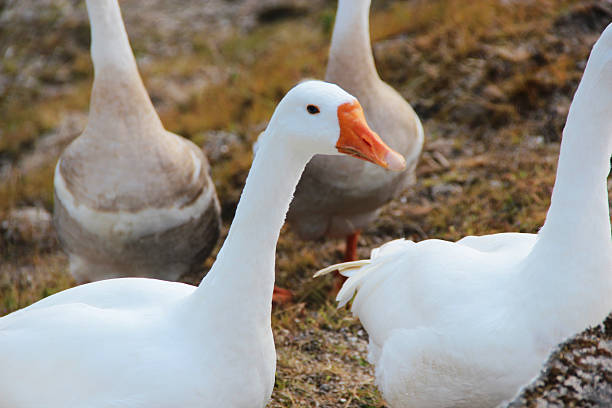
Domestic ducks are a diverse group of waterfowl with distinct physical and behavioral traits. While all ducks share fundamental care requirements, such as access to clean water, balanced nutrition, and protection from predators, certain breeds are predisposed to unique health challenges. Understanding these breed-specific concerns allows duck keepers to implement targeted care strategies, ensuring the longevity and productivity of their flock. For example, Pekin ducks’ rapid growth rate increases their risk of leg and joint issues, while Muscovy ducks’ flighty nature can lead to stress-related ailments. By addressing these nuances, caretakers can prevent complications, enhance productivity, and foster a healthier environment for their ducks. This guide explores the health considerations for six key domestic duck breeds, offering actionable insights for breeders and enthusiasts alike.
2. General Health Considerations for Domestic Ducks
Before diving into breed-specific issues, it’s essential to understand the universal health principles that apply to all ducks:
A. Nutrition and Diet
Ducks require a balanced diet high in protein, fiber, and essential vitamins. Commercial duck feed tailored to their life stage (grower, layer, or maintenance) is ideal. Supplementation with fresh greens, grains, and calcium sources (e.g., oyster shell) is crucial for laying hens. Niacin deficiency, common in ducks, can lead to leg weakness and tremors, so ensure feed contains this vitamin.
B. Water Access
Unlike chickens, ducks need constant access to clean, shallow water for drinking, preening, and foot hygiene. Stagnant or contaminated water can cause disease outbreaks and foot rot.
C. Disease Prevention
Vaccinate ducks against common pathogens like Pasteurella multocida (fowl cholera) and Mycoplasma meleagridis. Maintain strict biosecurity by isolating new ducks and disinfecting equipment regularly.
D. Housing and Environment
Provide a spacious coop with proper ventilation, roosting areas for Muscovies and Anconas, and deep bedding for Pekins. Protect ducks from extreme weather, as cold stress can weaken their immune systems.
3. Pekin Ducks: Rapid Growth and Leg Health
Pekin ducks are prized for their meat production and fast growth, but this rapid development comes with significant health risks:
A. Leg and Joint Issues
- Cause: Genetic predisposition to oversized bodies and accelerated bone growth.
- Symptoms: Swollen joints, lameness, and difficulty moving.
- Prevention/Treatment:
- Limit feed intake to prevent overgrowth (use pelleted feed to reduce waste).
- Provide roosting bars for moderate exercise (even though Pekins are flightless).
- Consult a veterinarian for anti-inflammatory drugs like meloxicam.
B. Obesity
- Cause: Excessive grain consumption and sedentary lifestyle.
- Impact: Increased risk of fatty liver disease and cardiovascular strain.
- Solutions: Monitor body condition, offer foraging opportunities, and restrict high-calorie treats.
4. Khaki Campbells: Vent Gland and Reproductive Care
Khaki Campbells are renowned for their egg-laying capacity but face unique reproductive challenges:
A. Vent Gland Blockage
- Cause: High activity of the uropygial (vent) gland, common in prolific layers.
- Symptoms: Matted feathers around the vent, difficulty laying eggs.
- Management:
- Clean the vent area regularly with warm water.
- Apply coconut oil to soften secretions and ease blockages.
B. Egg Production Stress
- Symptoms: Weight loss, lethargy, and susceptibility to parasites.
- Prevention:
- Sustain calcium levels by providing crushed oyster shell.
- Rotate pastures to reduce parasite exposure.
5. Cayuga Ducks: Brittle Feathers and Joint Problems
Cayuga ducks have blue plumage and water-repellent feathers, but their genetic makeup leads to specific health issues:
A. Feather Brittleness
- Cause: Genetic traits affecting keratin production.
- Symptoms: Broken feathers, reduced insulation against cold.
- Care:
- Supplement with biotin or vitamin D3 to strengthen feathers.
- Provide access to outdoor dust baths to maintain feather health.
B. Joint Inflammation
- Cause: Congenital laxity in joints.
- Prevention:
- Offer soft bedding to reduce strain during rest.
- Administer calcium gluconate to support joint integrity.
6. Ancona Ducks: Vitamin A Deficiency and Parasite Vulnerability
Anconas are active and cold-hardy but prone to nutritional and parasitic issues:
A. Vitamin A Deficiency
- Symptoms: Swollen hocks, poor feathering, and reduced fertility.
- Solution:
- Add dark leafy greens (kale, spinach) to their diet.
- Administer vitamin A injections under veterinary guidance.
B. Parasite Resistance
- Risk: Anconas are more susceptible to mites and lice due to their active lifestyle.
- Prevention:
- Use diatomaceous earth in nesting areas.
- Perform monthly inspections with a fine-tooth comb.
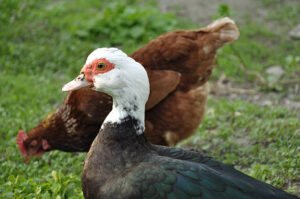
7. Muscovy Ducks: Flightiness and Respiratory Health
Muscovies are unique among ducks for their inability to fly and their red facial caruncles:
A. Stress-Related Diseases
- Cause: Flightiness leads to frequent stress, weakening the immune system.
- Symptoms: Coughing, mucus in the trachea, and reduced egg production.
- Management:
- Provide secure, enclosed spaces to minimize stress.
- Use probiotics to support gut health and immunity.
B. Respiratory Diseases
- Common Pathogens: Aspergillus, Pasteurella, and Mycoplasma.
- Prevention:
- Ensure clean, dry ventilation in coops.
- Treat with antifungal/antibiotic solutions as directed.
8. Rouen Ducks: Skeletal Weakness and Obesity Risk
Rouen ducks are large, colorful ducks with a muscular build, but their size brings health challenges:
A. Skeletal Weakness
- Cause: Inbreeding for exaggerated size has led to fragile bones.
- Symptoms: Limping, cracked bones during mating.
- Prevention:
- Provide a calcium-rich diet (include crushed eggshells).
- Limit flight activities by securing perches.
B. Obesity
- Impact: Strains on joints and increases diabetes risk.
- Solutions:
- Offer a low-fat diet with high-quality protein.
- Encourage foraging in a secure, shaded area.
9. Common Diseases Across All Breeds and Prevention
While breed-specific issues exist, certain diseases affect all domestic ducks:
A. Aspergillosis
- Symptoms: Sneezing, labored breathing, head tilt.
- Prevention: Use clean bedding and avoid moldy feed or water.
B. Pasteurellosis (Fowl Cholera)
- Symptoms: Sudden death, swelling of the eyes and wings.
- Prevention: Vaccinate and isolate sick birds immediately.
C. Avian Influenza
- Symptoms: Lethargy, reduced egg production, respiratory distress.
- Prevention: Strict biosecurity, no contact with wild birds.
10. Nutrition and Feeding Strategies by Breed
Tailoring diets to breed-specific needs is critical:
- Laying Hens (Khaki Campbells): 16-18% protein, calcium-rich supplemental grit.
- Meat Ducks (Pekins, Rouens): 20-22% protein starter feed for rapid growth.
- Muscovies: 15% protein plant-based feed; avoid animal protein.
11. Housing and Environment: Tailoring Spaces to Breeds
Different breeds require specialized housing:
- Pekins: Deep litter (wood shavings or straw) for insulation.
- Muscovies: Perches and elevated nesting boxes for security.
- Cayugas: Large bodies of water for swimming and socializing.
12. Biosecurity and Quarantine Practices
- Isolate new ducks for 30 days to monitor for diseases.
- Disinfect boots, tools, and feed containers with 10% bleach solution.
13. Conclusion: Proactive Health Management for Ducks
Duck health is a blend of general care and breed-specific attention. By recognizing the unique vulnerabilities of each breed—whether it’s leg issues in Pekins or respiratory stress in Muscovies—keepers can implement targeted solutions. Regular veterinary check-ups, a balanced diet, and a clean environment form the cornerstone of successful duck keeping. For those new to the hobby or scaling a commercial flock, this guide provides a roadmap to ensure every duck thrives.
#DuckHealth, #DomesticDuckBreeds, #WaterfowlCare, #DuckNutrition, #AquaticBirds, #PoultryHealth, #KhakiCampbellDucks, #PekinDucks, #MuscovyDucks, #HomeschoolingWithDucks, #BackyardFarming, #DuckKeepingTips, #BirdCare101, #DuckVetCare, #HealthyDuckCoop, #WaterfowlNutrition, #DuckVetTips, #DuckHealthCheck, #RearingDomesticDucks, #DuckHealthGuide
Add comment