
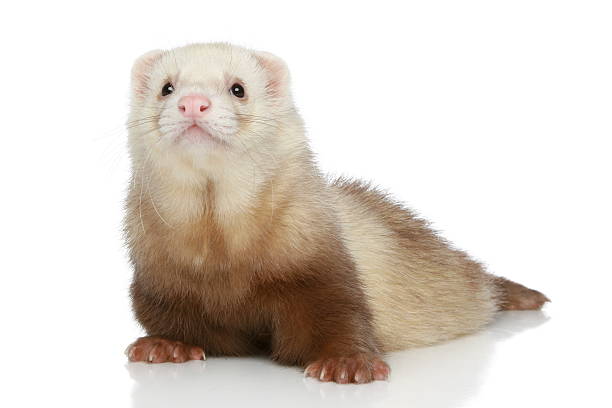
The decision to breed ferrets is profound, extending far beyond the initial awe of tiny, wriggling kits. It is a commitment that weaves together intricate knowledge of genetics, animal husbandry, veterinary science, and, most importantly, an unwavering dedication to ethical responsibility and lifelong welfare. In a world where countless animals already seek loving homes, the act of bringing new lives into existence carries immense weight. This comprehensive guide aims to illuminate the multifaceted journey of ethical ferret breeding, emphasizing the critical considerations and responsibilities that must underpin every step.
I. Introduction: The Grand Undertaking
Ferrets, with their playful antics and endearing personalities, have captured the hearts of many. For some enthusiasts, the desire to contribute to the ferret population, to nurture new generations, becomes a powerful aspiration. However, this aspiration must be tempered with rigorous self-assessment, extensive preparation, and an unshakeable adherence to ethical principles. Breeding ferrets is not a hobby to be pursued lightly, nor a means to profit. It is a demanding endeavor that requires significant time, financial resources, emotional fortitude, and a deep understanding of the species’ needs, potential health challenges, and genetic heritage.
The core premise of ethical ferret breeding is to improve the breed, maintain genetic diversity, and produce healthy, well-socialized kits that will thrive in responsible, loving homes for their entire lifespan. It is a commitment that spans years, from the careful selection of breeding stock to the lifelong support of the ferrets produced and their new families. This guide will delve into every facet of this journey, ensuring that prospective breeders are fully equipped to make informed, responsible decisions.
II. The “Why”: Ethical Justifications and Motivations for Breeding
Before any practical steps are taken, a prospective breeder must confront the fundamental question: “Why breed?” The answer to this question forms the ethical bedrock of the entire enterprise.
A. Acceptable Ethical Motivations:
- Preservation of Healthy Lines and Genetic Diversity: One of the most compelling reasons for ethical breeding is the desire to maintain and bolster robust genetic lines. Many domestic ferret populations, particularly in North America, suffer from a limited gene pool due to widespread early spaying/neutering practices by commercial breeders. This can lead to increased prevalence of genetic predispositions to diseases like adrenal gland disease, insulinoma, and various cancers. Responsible breeders meticulously research pedigrees, select animals with known longevity and health, and strategically plan pairings to introduce new, healthy genetic material or to carefully line-breed for desired traits without excessive inbreeding coefficients. The goal is to produce ferrets that are genetically diverse, resilient, and less susceptible to inherited diseases.
- Improvement of the Breed (Health, Temperament, Conformation): Ethical breeding is not just about avoiding problems; it’s about actively enhancing the breed. This involves selecting for:
- Health: Prioritizing ferrets with a demonstrated history of good health, vitality, and longevity in their lineage.
- Temperament: Breeding ferrets that are calm, friendly, amenable to handling, and display no signs of aggression or excessive fear. A dam with a good maternal instinct and a calm disposition is crucial for the well-being and socialization of her kits.
- Conformation: Focusing on breeding animals that adhere to healthy physical standards – good bone structure, appropriate musculature, healthy teeth, and bright, clear eyes. This is about function and well-being, not just aesthetics.
- Producing Pet-Quality Kits for Responsible Homes: The ultimate goal is to provide well-adjusted, healthy ferrets to individuals or families who are fully capable and committed to providing a loving, lifelong home. Ethical breeders meticulously screen potential owners, ensuring their ferrets go to homes that understand their specific needs and can provide appropriate care.
- Specialized Research or Conservation (Rarely for Private Breeders): In some limited contexts, breeding might occur for scientific research to understand ferret diseases better or for conservation programs involving endangered ferret species (e.g., Black-footed Ferrets). This is highly specialized and generally not applicable to private pet ferret breeders.
B. Unacceptable Ethical Red Flags:
Any motivation that prioritizes personal gain, novelty, or convenience over the welfare of the animals is inherently unethical.
- Breeding for Profit: Ferret breeding is an expensive undertaking. The costs associated with quality food, veterinary care (routine and emergency), housing, genetics testing, and supporting the kits until they are rehomed far outweigh any potential “profit.” Any breeder aiming to make money will inevitably cut corners, compromising the health and welfare of their animals.
- Breeding for “Novelty” or “Rare” Colors: While a ferret’s coat color can be appealing, breeding solely for “designer” or “rare” colors often leads to genetic bottlenecks, increased inbreeding, and a disregard for overall health and temperament. Some color mutations are even linked to specific health issues (e.g., Wardenburg syndrome/congenital deafness associated with specific white markings).
- Breeding Without Sufficient Knowledge or Resources: Ignorance is not bliss in breeding. Breeding without a deep understanding of ferret biology, genetics, potential complications, and without adequate financial and temporal resources is irresponsible and cruel.
- “Accidental” or “Backyard” Breeding: Unplanned litters from unspayed/unneutered ferrets are a significant contributor to ferret overpopulation and often result in kits with unknown health histories and poor socialization, further burdening rescue organizations.
III. Pre-Breeding Preparations: The Foundation of Responsible Breeding
The success and ethical integrity of a breeding program are determined long before any mating takes place. Meticulous preparation is paramount.
A. Self-Assessment and Commitment:
- Time Commitment: Breeding ferrets is a monumental time sink.
- Daily Care: Regular feeding, cleaning, playtime, and observation for the breeding pair.
- Pregnancy: Monitoring the jill, preparing the whelping area.
- Kits: The first 3-4 weeks require round-the-clock observation. If hand-rearing becomes necessary, it’s a 24/7 commitment. Socialization and handling are daily tasks for weeks.
- Emergencies: Be prepared for sudden vet visits, potential complications during birth, or sick kits.
- Financial Commitment: This is arguably the biggest hurdle.
- Veterinary Care: Comprehensive health screenings for both parents (blood work, physicals, fecal tests, vaccinations), potential progesterone testing, emergency C-sections, post-partum complications, kit vet checks, vaccinations, and microchipping. This can easily run into thousands of dollars for a single litter, even without complications.
- High-Quality Nutrition: Premium ferret-specific food for parents and kits.
- Housing and Supplies: Spacious, secure enclosures, nesting boxes, bedding, toys, cleaning supplies.
- Unexpected Costs: Medications, specialist consultations, potential hand-rearing supplies (specialized formula, feeding syringes).
- Emotional Commitment: Breeding is emotionally taxing.
- Loss: Not all kits survive. Dystocia can lead to the loss of the jill or her litter. Be prepared for heartbreak and difficult decisions (e.g., humane euthanasia of severely compromised kits).
- Difficult Decisions: Knowing when to intervene, when to step back, or when to seek emergency veterinary care.
- Rehoming: The emotional challenge of letting go of kits you’ve nurtured.
- Knowledge Acquisition: Become an expert. Read books, scientific journals, consult experienced breeders and ferret veterinarians. Understand ferret anatomy, physiology, genetics, common diseases, behavior, and nutrition. Join reputable ferret communities and breeding clubs.
B. Selecting Breeding Animals (The Dam and Sire):
This is the cornerstone of an ethical breeding program. The health and genetic integrity of the parents directly dictate the future of the kits.
- Health First and Foremost:
- Comprehensive Veterinary Check-up: Both the jill (female) and hob (male) must undergo a thorough veterinary examination before breeding. This includes a full physical exam, blood work (CBC, chemistry panel), urinalysis, fecal parasite screen, and up-to-date vaccinations (Distemper, Rabies where applicable). Ensure they are free from internal and external parasites.
- Genetic Screening and Pedigree Analysis: While direct genetic tests for many common ferret diseases (like adrenal disease or insulinoma) are not yet available, meticulous pedigree research is crucial. Investigate the health, longevity, and causes of death of ancestors on both sides for at least 3-5 generations. Avoid breeding animals from lines with a high prevalence of early-onset diseases. Some breeders may screen for specific inherited conditions like congenital deafness, often linked to Wardenburg syndrome in ferrets with specific white markings.
- Age Considerations:
- Jills: Should be mature enough, typically between 1 and 3-4 years old for a first litter. Breeding too young (before 1 year) can stunt growth and be too physically demanding. Breeding too old (after 4-5 years) significantly increases the risk of complications during pregnancy and birth. Most ethical breeders will limit a jill to 1-2 litters in her lifetime.
- Hobs: Should be at least 1 year old and generally under 5-6 years. Older hobs may have decreased fertility.
- Temperament: This is crucial for both the welfare of the kits and the ease of handling for the breeder and future owners.
- Dam: The jill must have an excellent, docile, and friendly temperament. Aggression, excessive shyness, or neurosis can be passed on genetically, and also makes her a poor mother. A stressed or aggressive jill may neglect or harm her kits.
- Sire: The hob should also be well-socialized and have a calm disposition.
- Conformation: Both animals should exhibit excellent physical conformation:
- Healthy weight and musculature.
- Straight, strong limbs.
- Good dentition (no severe overbites/underbites).
- Clear eyes, clean ears, healthy coat.
- No signs of congenital defects.
- Pedigree Research and Genetic Diversity:
- Avoid Close Inbreeding: Calculate inbreeding coefficients. Avoid breeding full siblings, parent-offspring, or first cousins. This significantly increases the risk of expressing recessive genetic disorders.
- Outcrossing vs. Linebreeding: Understand these concepts. Outcrossing introduces new genetic material, improving vigor. Linebreeding selectively concentrates desirable traits but requires extreme caution to avoid excessive inbreeding.
- Source of Breeding Stock: Obtain breeding animals from reputable, established breeders who openly share health information, pedigrees, and offer ongoing support. Avoid mystery ferrets from unknown sources.
C. Facilities and Environment:
- Housing for Breeding Pair: Clean, spacious, secure cages with appropriate enrichment (tunnels, hammocks, toys). They should be housed in a calm, low-stress environment.
- Whelping Area: A separate, quiet, secluded, and secure area must be readied for the pregnant jill and her kits. This could be a large, solid-sided cage or a dedicated room.
- Nesting Boxes: Provide multiple, dark, secure nesting boxes (e.g., wooden boxes, plastic cat carriers) filled with soft, clean, non-fraying bedding material (old t-shirts, towels – avoid anything with loose threads that could entangle kits).
- Temperature Control: The whelping area should be kept at a consistent, warm temperature (around 70-75°F or 21-24°C), especially crucial for neonates who cannot regulate their own body temperature.
- Ventilation and Lighting: Good ventilation without drafts. A consistent light/dark cycle is important.
- Quarantine Protocols: Any new ferret introduced into the breeding facility must undergo a strict quarantine period (typically 30 days) to prevent the spread of diseases.
D. Nutrition:
- High-Quality Diet: Both dam and sire must be fed a premium, meat-based ferret-specific kibble. Avoid foods with high plant protein content or fillers.
- Pre-Breeding and Pregnancy Nutrition: The jill needs increased protein and fat before and during pregnancy, and especially during lactation. Offer free-choice access to high-quality food and fresh water. Some breeders supplement with small amounts of raw muscle meat or high-quality ferret nutritional supplements, but this should be discussed with a vet.
E. Veterinary Partnership:
Establish a strong working relationship with an experienced ferret veterinarian before breeding. They should be familiar with ferret reproduction, potential complications, and emergency procedures. Discuss:
- Emergency contact procedures.
- Signs of dystocia and when to seek immediate help.
- Post-partum complications.
- Neonatal care challenges.
IV. The Breeding Process: From Conception to Weaning
This phase demands constant vigilance, careful management, and a deep understanding of ferret reproductive biology.
A. Estrus and Mating:
- Estrus Cycle: Female ferrets are seasonally polyestrous and induced ovulators. They typically enter estrus in spring and remain in heat until bred or chemically/surgically desexed. Sustained estrus (unbred) can lead to aplastic anemia, a life-threatening condition.
- Signs of Estrus: A jill in heat will have a noticeably swollen, bright pink vulva.
- Introduction of Mating Pair: Introduce the hob to the jill during estrus. Mating can be vigorous and loud, involving scruffing. Supervise the initial introductions. A successful “tie” (when the hob locks onto the jill for an extended period, sometimes 15-60 minutes or more) is a good indicator of successful mating and ovulation. Several ties over a few days may be recommended.
B. Pregnancy (Gestation: ~42 days, range 38-44 days):
- Confirming Pregnancy:
- Behavioral Changes: Some jills may become more reclusive or nesting-oriented.
- Weight Gain: Noticeable weight gain typically around 3 weeks post-mating.
- Palpation: An experienced vet can gently palpate the abdomen around 18-20 days to feel for developing kits. Do not attempt this yourself without training, as it can harm the kits.
- Ultrasound: The most reliable method, usually after 20-25 days, to confirm pregnancy and estimate litter size.
- Nutritional Adjustments: Continue feeding a high-quality, high-protein/fat diet, free-choice.
- Stress Reduction: Maintain a calm, quiet environment. Avoid unnecessary handling or stress.
- Whelping Box Preparation: Ensure the pre-prepared whelping box is ready, clean, and stocked with fresh, soft bedding a week or two before the due date.
C. Parturition (Whelping):
- Signs of Impending Birth:
- Nesting: Increased gathering of bedding.
- Restlessness: Pacing, discomfort.
- Reduced Appetite: May refuse food 12-24 hours before labor.
- Vulva: May become more flaccid a day or two before.
- Contractions: Visible abdominal contractions.
- Normal Delivery: Kits are typically born every 15-60 minutes. The jill will clean each kit, chew the umbilical cord, and eat the placenta (which provides nutrients and hormones). Most births occur without intervention.
- Potential Complications (Dystocia):
- Prolonged Labor: Straining for more than 2-3 hours without producing a kit.
- Weak/Intermittent Contractions: After initial strong labor.
- Green/Black Discharge: Without new kits being born.
- Visible Kit Stuck:
- Exhaustion/Collapse of the Jill:
- When to Intervene: Immediately contact your veterinarian if any signs of dystocia are observed. Dystocia is a medical emergency that often requires a C-section to save the jill and her kits.
- Post-Birth Care: Ensure the jill has access to fresh food and water immediately after birth. Monitor her for signs of mastitis (swollen, hot, painful mammary glands), retained placentas, or metritis (uterine infection – fever, lethargy, foul-smelling discharge).
D. Neonatal Care (Birth to 3 weeks):
- Dam’s Role: The jill is solely responsible for feeding, cleaning, stimulating urination/defecation, and keeping her kits warm. Disturb her as little as possible during the first week.
- Monitoring Kits:
- Weight Gain: Kits should gain weight daily. Weigh them gently and quickly once a day (after the first 24-48 hours).
- Warmth: Ensure they are kept warm within the nest. Piling behavior indicates cold.
- Nursing: Observe that all kits are latching and suckling.
- Hydration: Skin should feel supple, not tacky.
- Signs of Trouble: Constant crying, separation from the litter, failure to gain weight, lethargy, cold to the touch – these are all red flags requiring immediate attention.
- Early Intervention:
- Hand-Rearing: This is a last resort and incredibly difficult, requiring feeding every 2-3 hours, round-the-clock, for weeks. It carries a high mortality rate. If necessary, use a specialized kitten milk replacer (KM-R) or a vet-approved formula. Never use cow’s milk.
- Supplemental Feeding: If a kit is struggling to gain weight but the jill is a good mother, very careful supplemental feeding may be considered with vet guidance.
E. Weaning and Socialization (3 weeks to 8-10 weeks):
- Introduction of Solids (3-4 weeks): Around 3-4 weeks, kits’ eyes and ears open, and they begin to explore. Start introducing a shallow dish of high-quality kibble mixed with water or a ferret-specific meat baby food (e.g., Gerber chicken baby food) to form a gruel. Gradually reduce the liquid content.
- Hygiene: As kits start eating solids and eliminating on their own, the whelping area will require more frequent cleaning.
- Handling and Socialization: This is a critical period for developing well-adjusted ferrets.
- Gentle, Regular Handling: Start handling kits gently and frequently from around 3-4 weeks. This acclimates them to human touch and reduces fear.
- Exposure: Expose them gradually to different sights, sounds, and gentle textures.
- Bite Inhibition: Ferret kits can be nippy. Teach bite inhibition through consistent, gentle redirection and “time-outs” (placing them back in their cage for a few minutes after a hard bite). Never punish physically.
- Interaction with Other Ferrets: Allow them to interact safely with the jill and other temperamentally sound, vaccinated adult ferrets (if available) to learn social cues.
- Veterinary Care for Kits:
- First Vaccinations: Distemper vaccination series typically begins around 6-8 weeks of age, with boosters following. Rabies vaccination (if required by law) usually around 3-4 months.
- Parasite Control: Deworming as recommended by your vet.
- Overall Health Check: A vet check for each kit before rehoming.
- Spaying/Neutering for Pet Ferrets: Discuss with your vet and potential owners. Many ethical breeders rehome kits intact with a legally binding spay/neuter contract, requiring the new owner to have the surgery done by a specific age. Early desexing (before 6 months) is a common practice with commercial ferrets, but some private breeders advocate for waiting until sexual maturity or even later to potentially mitigate the risk of adrenal disease, though this is still a subject of ongoing research and debate. If ferrets are rehomed intact, the breeder has an even greater responsibility to educate owners about aplastic anemia in unspayed jills and the risks of pregnancy.
V. Ethical Responsibilities Post-Weaning and Beyond
An ethical breeder’s responsibility does not end when the kits leave for their new homes; it extends for the entire life of every ferret produced.
A. Choosing Responsible Homes:
This is one of the most critical ethical duties.
- Rigorous Screening Process:
- Application Forms: Detailed questions about experience with ferrets or other pets, living situation, other pets, veterinary plans, lifestyle, and understanding of ferret needs.
- Interviews: In-depth conversations to gauge commitment, knowledge, and suitability.
- Home Visits (or Virtual Tours): To ensure a safe, appropriate, and enriching environment.
- Veterinary References: Requesting contact information for their current or past vet.
- Education: Provide comprehensive education on ferret care, including their specific dietary needs, housing requirements, enrichment, common health issues, lifespan, and financial commitment. Ensure new owners understand the time commitment and potential challenges.
- Contracts:
- Spay/Neuter Agreement: If kits are rehomed intact, a legally binding contract detailing the requirement and timeline for desexing.
- Return Clause: A non-negotiable clause stating that if, for any reason, the owner can no longer care for the ferret, the ferret must be returned to the breeder for rehoming (never to a shelter or given away). This is a lifelong commitment from the breeder.
- Health Guarantee: A reasonable guarantee of health for a specified period, often with specific conditions (e.g., if a serious genetic defect emerges).
- No Impulse Sales: Implement waiting periods between application and rehoming to allow adopters to thoroughly consider their decision.
B. Ongoing Support for New Owners:
- Availability for Questions: Be accessible to new owners for advice and support throughout the ferret’s life.
- Comprehensive Care Guides: Provide detailed written information covering all aspects of care.
- Community Building: Encourage new owners to connect with each other and with the breeder, fostering a supportive network.
C. Long-Term Commitment to the Ferrets Bred:
- The “Take-Back” Clause: This is arguably the most significant ethical responsibility. An ethical breeder stands behind every ferret they produce for its entire life. If an owner is unable to keep their ferret, the breeder must take it back, regardless of age or health status, and either keep it or find it another suitable home. This prevents ferrets from ending up in shelters or unknown situations.
- Tracking Lineage and Health Outcomes: Maintain detailed records of all offspring. Follow up with owners regarding the health and longevity of their ferrets. This information is invaluable for refining the breeding program and identifying potential genetic issues in lines.
- Responsibility for Genetic Issues: If a significant, unavoidable genetic health issue emerges in a ferret produced by the breeder, the ethical breeder will often offer support, advice, or even financial assistance, depending on the terms of their contract and their personal ethics.
D. Euthanasia Considerations:
While an emotionally difficult topic, an ethical breeder must be prepared to make humane euthanasia decisions in extreme circumstances. This applies to kits born with severe, untreatable deformities or conditions where there is no reasonable hope of a good quality of life, or adult ferrets with untreatable suffering. These decisions must always be made in consultation with a veterinarian, prioritizing the animal’s welfare above all else.
E. Avoiding Overpopulation and “Backyard Breeding”:
Ethical breeders understand their role in not contributing to animal overpopulation. They do not breed indiscriminately. They are keenly aware of the multitude of ferrets in rescues and shelters and only breed when they can demonstrate a clear ethical justification and can guarantee homes for every kit produced. They strongly discourage “backyard breeding” and educate the public on its negative consequences.
VI. Legal and Regulatory Aspects (Jurisdiction-Dependent)
Breeding ferrets may involve various legal and regulatory considerations, which vary significantly by location.
- Local Licensing Requirements: Some municipalities or counties may require a breeder’s license.
- Animal Welfare Laws: Adherence to all local, state, and national animal welfare laws regarding care, housing, and sale of animals.
- Sales/Transfer Regulations: Specific rules regarding the sale or transfer of animals, including age restrictions for rehoming.
- Microchipping Requirements: Some jurisdictions may mandate microchipping before sale.
- Import/Export Restrictions: If sourcing breeding stock internationally, be aware of complex regulations.
It is the breeder’s responsibility to research and comply with all applicable laws and regulations in their specific area.
VII. Common Misconceptions and Ethical Pitfalls
- Breeding for “Rare” or “Novelty” Colors: As discussed, this often bypasses health and temperament considerations, leading to weaker lines.
- Breeding Sick or Unhealthy Animals: Breeding animals with known health issues (even minor ones) or from lines with significant health burdens is irresponsible and perpetuates suffering.
- Selling to Pet Stores or Brokers: Ethical breeders never sell their kits to pet stores or third-party brokers. They insist on screening every potential owner themselves to ensure the best possible homes.
- Lack of Follow-Up: Failing to stay in touch with new owners and neglecting the “take-back” clause means abdicating lifelong responsibility.
- Inadequate Housing or Nutrition: Compromising on the quality of food, housing, or environmental enrichment for breeding animals or kits is negligent.
- Unplanned Litters: Allowing ferrets to remain intact without strict separation or planning is irresponsible and unethical, contributing to ferret overpopulation.
- Believing Breeding is “Easy Money”: As emphasized, it’s a financial drain, not a source of income.
VIII. Conclusion: A Dedication to Life
Breeding ferrets is an extraordinary journey that offers profound rewards, but it is unequivocally an undertaking that demands unwavering ethical commitment, extensive preparation, and a deep understanding of the species. It is a dedication to preserving and enhancing the health, temperament, and genetic diversity of ferrets, always prioritizing the welfare of each individual animal over any personal gain or fleeting desire.
The truly ethical ferret breeder is not merely producing kits; they are custodians of a legacy. They are researchers, caretakers, educators, and lifelong supporters, standing as a testament to responsible animal husbandry. For those willing to embrace the immense responsibilities and navigate the complexities with integrity and compassion, ethical ferret breeding can be a deeply fulfilling contribution to the world of these remarkable creatures. It is a journey of continuous learning and profound dedication, ensuring that every life brought into existence is given the very best chance at a long, healthy, and happy existence in a loving home.
#FerretBreeding #EthicalFerretBreeding #ResponsibleBreeder #FerretHealth #FerretWelfare #FerretKits #PetFerrets #FerretLife #FerretLove #BreedingFerrets #FerretCare #FerretMom #FerretDad #FerretsOfInstagram #FerretCommunity #FerretAdoption #KnowYourBreeder #Ferrets #ExoticPets #AnimalWelfare #GeneticDiversity #FerretTips #RaiseTheBar #HappyFerrets #FerretResponsibilities
Add comment