
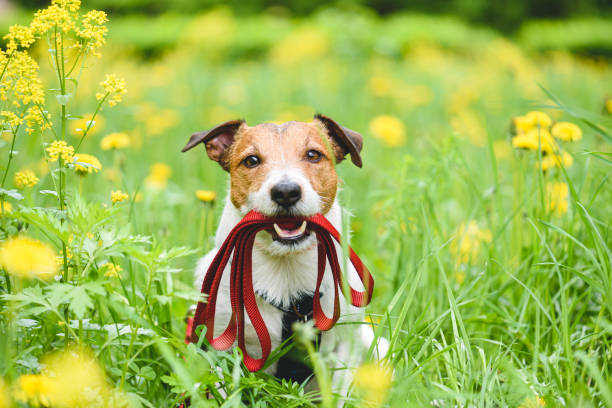
It’s wonderful you’re preparing for your new puppy’s arrival! Bringing a new dog home is an exciting time, but it’s also a period of significant adjustment for both you and your furry friend. Managing expectations in the first week is crucial for a smooth transition and for setting your puppy up for success.
This comprehensive guide will walk you through what to expect in those initial days, offering practical advice and a realistic outlook to help you navigate this important stage.
Bringing Your Puppy Home: Managing Expectations in the First Week
The first week with a new puppy is a whirlwind of emotions, new routines, and a steep learning curve. It’s a time that can be both incredibly rewarding and undeniably challenging. Understanding what lies ahead will help you breathe easier and respond more effectively to your puppy’s needs.
1. The “Honeymoon” Phase vs. Reality
Many new puppy owners envision a blissful week of cuddles, instant obedience, and perfect naps. While there will be moments of pure joy, the reality is often a bit messier and more demanding.
What to Expect (Reality):
- Whining and Crying: Especially at night. Your puppy is leaving their mother and littermates for the first time and will likely feel a sense of loss and insecurity. This is normal and will diminish over time as they bond with you.
- Accidents: House-training takes time and consistency. Expect accidents indoors, even with diligent monitoring. Don’t get discouraged; it’s part of the process.
- Chewing: Puppies explore the world with their mouths. Everything is a potential chew toy – furniture, shoes, hands. This is instinctual and requires redirection.
- Sleep Deprivation: Potty breaks every 2-3 hours at night are common, especially in the very beginning. This can be exhausting for you.
- Fear and Shyness: Some puppies will be timid and overwhelmed by their new environment. Others may be overly boisterous. Both are normal expressions of adjusting.
- Constant Supervision: Your puppy needs to be closely monitored to prevent accidents, chewing on inappropriate items, and potential dangers.
- New Routines: Establishing feeding, potty, playing, and sleeping schedules takes effort and repetition.
What NOT to Expect (Honeymoon Phase Myth):
- Instant potty training: While some puppies catch on quickly, most need weeks of consistent effort.
- No crying at night: Most puppies will cry for at least a few nights.
- Perfect leash walking from day one: Leash manners are learned behaviors.
- Complete silence and stillness: Puppies are energetic and curious.
- No chewing: This is a fundamental puppy behavior.
2. The Puppy’s Perspective: Overwhelmed and Confused
Imagine being a tiny creature, ripped away from everything familiar – your mother, siblings, smells, and sounds. You’re thrust into a strange new world with giant beings and unfamiliar noises. That’s what your puppy is experiencing.
What to Expect From Your Puppy:
- Anxiety and Fear: Loud noises, new people, unfamiliar objects can be scary.
- Curiosity and Exploration: They’ll want to sniff, lick, and taste everything (which is why supervision is key).
- Need for Security: They’ll seek comfort and reassurance from you. Cuddles and gentle interaction are vital.
- Instinctual Behaviors: Chewing, nipping (play-biting), and exploring with their mouths are all normal puppy behaviors.
- Rapid Learning (and Forgetting!): Puppies are sponges, but their attention spans are short. Consistency is paramount.
- Fatigue: Puppies sleep a LOT. Don’t be alarmed if your puppy sleeps 18-20 hours a day.
3. The Human’s Role: Patience, Consistency, and Love
Your primary role in the first week is to be a calm, predictable, and supportive guide for your new puppy.
What You Need to Provide:
- A Safe and Secure Environment: Puppy-proof your home. Remove hazards, secure electrical cords, and put away anything valuable or dangerous. Designate a “safe space” for your puppy, like a crate or a specific bed, where they can retreat and feel secure.
- A Routine: Establish clear schedules for feeding, potty breaks, playtime, training, and sleep. Predictability reduces anxiety.
- Positive Reinforcement Training: Focus on rewarding good behavior. Use treats, praise, and gentle petting to encourage desired actions. Avoid punishment, which can create fear and anxiety.
- Socialization (Carefully): Introduce your puppy to new sights, sounds, people, and (once vaccinated) other well-behaved dogs in a positive and controlled manner. The first few weeks are critical for proper socialization.
- Supervision: This cannot be stressed enough. Keep an eye on your puppy at all times, especially when they are not in their crate or supervised play area.
- Patience: You will have good days and bad days. There will be setbacks. Patience is your most valuable tool.
- Love and Affection: Build a bond of trust. Gentle handling, cuddles, and quality time will help your puppy feel loved and secure.
4. Key Areas to Focus On in the First Week:
a) House-Training:
- Expectations: Accidents WILL happen. It’s a marathon, not a sprint. Consistency is key.
- What to Do:
- Take your puppy outside frequently: first thing in the morning, after waking from naps, after playing, after eating, and before bedtime.
- Choose a designated potty spot in your yard and take them to the same spot each time.
- When they eliminate outside, praise them enthusiastically and offer a small high-value treat immediately.
- If you catch them in the act inside, interrupt them with a gentle “oops!” and immediately take them outside.
- Clean up accidents thoroughly with an enzymatic cleaner to eliminate odors that might attract them back to the same spot.
- Never punish your puppy for accidents.
b) Crate Training:
- Expectations: Some puppies take to crates immediately; others may protest. The goal is to make the crate a positive and safe den, not a punishment.
- What to Do:
- Introduce the crate gradually. Leave the door open and put toys and treats inside.
- Feed meals in or near the crate.
- Start with short periods of confinement while you are home.
- Never use the crate for punishment.
- Nighttime potty breaks will likely involve taking them out of the crate.
c) Nipping and Chewing:
- Expectations: Nipping is a natural way puppies play and explore. Chewing is essential for their development.
- What to Do:
- When your puppy nips too hard during play, yelp loudly and withdraw your attention for a few seconds. This mimics how littermates communicate.
- Redirect chewing to appropriate chew toys. Always have a variety of safe chewing options available.
- Bitter apple spray can be used on furniture legs and other tempting items.
- If caught chewing something inappropriate, calmly take it away and offer an acceptable chew toy.
d) Sleep:
- Expectations: You will likely be woken up multiple times at night for potty breaks. Your puppy will sleep in many short bursts.
- What to Do:
- Establish a consistent bedtime routine.
- Ensure they’ve had a chance to potty right before bed.
- Keep nighttime potty breaks quiet and business-like – no playing.
- Consider placing their crate next to your bed initially for comfort and to hear them if they need to go out.
e) Feeding:
- Expectations: Puppies have small stomachs and need multiple meals a day. Follow your veterinarian’s recommendations.
- What to Do:
- Feed a high-quality puppy food appropriate for their breed size and age.
- Establish a consistent feeding schedule (usually 3-4 times a day for very young puppies).
- Remove uneaten food after 15-20 minutes to reinforce the schedule.
f) Veterinary Visit:
- Expectations: Your vet is your partner in your puppy’s health and well-being.
- What to Do:
- Schedule an initial veterinary check-up within the first few days of bringing your puppy home.
- Discuss vaccination schedules, deworming, flea/tick prevention, diet, and microchipping.
- Ask any questions you have about puppy care.
5. Managing Your Own Expectations and Well-being
The first week can be overwhelming for you too!
- Be Prepared for Less Sleep: Borrow a book, listen to podcasts, or have some quiet activities ready for those late-night potty breaks.
- Don’t Compare: Every puppy and every household is different. Your puppy will learn and develop at their own pace.
- Seek Support: Talk to other dog owners, join online forums, or consider a puppy socialization class.
- Take Breaks: If you’re feeling frustrated, step away for a few minutes, take a deep breath, and then return with a calm demeanor.
- Celebrate Small Wins: Did your puppy go potty outside? Did they sit for a treat? Acknowledge and celebrate these successes!
The Takeaway for the First Week
The first week is about establishing trust, building a routine, and introducing your puppy to their new world in a positive and gentle way. It’s about laying the groundwork for a happy and well-adjusted dog for years to come.
Embrace the chaos, cherish the cuddles, and remember that this intense period of adjustment is temporary. With patience, consistency, and a lot of love, you and your new puppy will navigate this exciting first week and begin your lifelong journey together. Congratulations on your new family member!







Add comment