
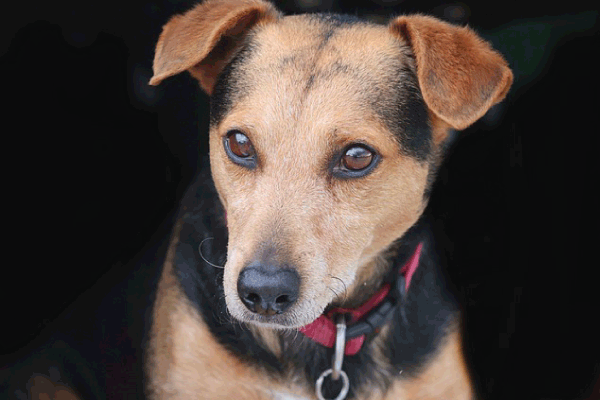
Bronchoalveolar lavage (BAL) is a diagnostic technique used in veterinary medicine, particularly in dogs, to collect samples from the lower respiratory tract (bronchi and alveoli) for analysis. It allows for the collection of cells, fluids, and microorganisms that are not accessible via a simple tracheal wash.
Indications for BAL in Dogs:
BAL is typically performed when a lower airway or parenchymal lung disease is suspected based on clinical signs and diagnostic imaging (e.g., thoracic radiographs, CT scans). Common indications include:
Chronic Cough: Especially if unresponsive to empirical therapy.
Abnormal Thoracic Radiographs: Interstitial, alveolar, or bronchial patterns, diffuse infiltrates, or focal lung lesions suggestive of:
Pneumonia (bacterial, fungal, parasitic, aspiration)
Chronic bronchitis
Interstitial lung disease
Eosinophilic bronchopneumopathy
Neoplasia (primary or metastatic)
Atypical mycobacterial infection
Unresponsive Respiratory Disease: When the cause of respiratory signs remains undiagnosed.
Fever of Unknown Origin (FUO): If respiratory involvement is suspected.
To differentiate: Between inflammatory, infectious, and neoplastic processes.
Contraindications for BAL:
While generally safe, there are situations where BAL should be approached with caution or avoided:
Severe Hypoxemia: Patients with very low blood oxygen levels are at higher risk of complications during and after the procedure. Oxygen supplementation is crucial if BAL is deemed necessary.
Severe Cardiovascular or Respiratory Compromise: The stress of anesthesia and the procedure itself can worsen their condition.
Coagulopathies: Increased risk of hemorrhage into the airways.
Pulmonary Hypertension: Can increase the risk of complications.
Severe Pulmonary Edema: Lavage can potentially worsen respiratory function.
Status Asthmaticus or Severe Bronchoconstriction: Can be exacerbated by the procedure, though bronchodilators might be used cautiously.
Lack of Equipment or Experienced Personnel: Proper execution and emergency management are vital.
Equipment Needed:
Anesthesia Machine and Monitoring: Including pulse oximetry, capnography, ECG, blood pressure.
Flexible Bronchoscope (Endoscopic BAL): Preferred method for visualization and targeted sampling.
Sterile Catheter (Blind BAL): Less ideal, but a sterile urinary or feeding catheter can be used if a bronchoscope isn’t available. Often results in a tracheal wash rather than a true BAL.
Sterile Warm Saline (0.9% NaCl): Typically 1-5 mL/kg per aliquot.
Sterile Syringes: For instilling and aspirating saline.
Specimen Collection Tubes:
EDTA tube: For cytology (cell count, differential).
Sterile plain tube (red top or clot tube): For aerobic, anaerobic, fungal, and mycoplasma culture.
Microscope slides: For direct smears.
Oxygen Source.
Drugs: Anesthetic agents, premedications, bronchodilators (e.g., albuterol), emergency drugs.
Suction Apparatus.
Procedure (General Steps – Endoscopic BAL is preferred):
Pre-anesthetic Workup: Thorough physical exam, bloodwork (CBC, chemistry, coagulation profile), and thoracic radiographs.
Premedication and IV Catheter: Administer pre-anesthetic drugs and place an intravenous catheter.
Anesthesia Induction and Maintenance: Induce general anesthesia, ensuring a sufficient depth to suppress the cough reflex. Maintain with inhalant anesthetics.
Oxygenation: Provide oxygen throughout the procedure. Some clinicians will pre-oxygenate for several minutes.
Positioning: Sternal recumbency with the head and neck extended.
Bronchoscope Insertion: Carefully advance the lubricated bronchoscope through the mouth, larynx, and into the trachea. Avoid touching the glottis directly to minimize laryngospasm.
Bronchial Selection: Advance the scope into the chosen bronchus. The right caudal lung lobe is most commonly sampled due to its accessibility and the high incidence of pathology (due to gravity and aspiration risk). Other lobes (e.g., right middle, left cranial/caudal) can be sampled if indicated by radiographs.
Wedge: Gently advance the bronchoscope until it “wedges” into a smaller bronchus, creating a seal. This ensures the instilled fluid goes into the alveoli and not up the trachea.
Saline Instillation: Instill a pre-measured aliquot of sterile warm saline (e.g., 1-5 mL/kg, split into 2-3 aliquots for a total of 10-20 mL in a medium dog) through the working channel of the bronchoscope.
Aspiration: Immediately and gently aspirate the fluid back using a syringe. Aim to recover 30-70% of the instilled volume. Do not apply excessive negative pressure, as this can cause airway collapse or hemorrhage.
Repeat: The instillation and aspiration process is typically repeated 2-3 times in the same lobe to maximize cell yield.
Sample Collection: Transfer the collected fluid into appropriate tubes for cytology and culture.
Multiple Lobes (Optional): If indicated, the procedure can be repeated in other lung lobes, using fresh saline and collection tubes for each.
Recovery: Withdraw the bronchoscope slowly. Continue oxygen supplementation during recovery until the patient is awake and stable. Monitor closely for signs of respiratory distress.
Complications:
Hypoxemia: The most common complication, often transient.
Bronchospasm: Can be triggered by the scope or saline.
Hemorrhage: Mild, transient blood tinges are common; severe hemorrhage is rare.
Anesthetic Complications: Standard risks associated with general anesthesia.
Post-procedure Coughing: Common and usually resolves within 24 hours.
Fever: Mild, transient fever can occur.
Pneumothorax: Very rare, usually associated with aggressive suction or concurrent issues.
Sample Handling and Interpretation:
The recovered BAL fluid provides valuable diagnostic information.
1. Gross Appearance:
Normal: Clear to slightly turbid.
Abnormal:
Cloudy/turbid: High cell count, inflammatory.
Purulent: Severe inflammation, infection.
Bloody: Hemorrhage, can be procedure-related or underlying disease.
Foamy: Surfactant, can be normal or indicate pulmonary edema.
2. Cytology (from EDTA tube):
Total Nucleated Cell Count (TNCC): Higher numbers indicate inflammation.
Differential Cell Count:
Normal: Dominated by alveolar macrophages (>50-70%), with a low percentage of lymphocytes (<10-15%), neutrophils (<5-10%), and eosinophils (<1%). Occasional ciliated epithelial cells may be seen.
Increased Neutrophils: Suggests bacterial pneumonia, chronic bronchitis, aspiration pneumonia, or some forms of lung injury.
Septic: Intracellular bacteria, degenerative neutrophils. Requires culture.
Non-septic: Reactive neutrophils, no visible bacteria.
Increased Eosinophils: Highly suggestive of eosinophilic bronchopneumopathy, but can also be seen with parasitic migration (e.g., lungworms), hypersensitivity reactions, or asthma.
Increased Lymphocytes: Can indicate lymphocytic bronchitis, some fungal infections, or lymphoid hyperplasia.
Increased Macrophages: Chronic inflammation, granulomatous disease, some interstitial lung diseases.
Neoplastic Cells: Presence of abnormal cells can indicate primary lung cancer or metastatic disease.
Infectious Agents: Fungi, bacteria, or parasites may be visible.
3. Culture & Sensitivity (from sterile plain tube):
Bacterial Culture: Identifies specific bacterial pathogens and guides antibiotic selection.
Fungal Culture: For suspected fungal pneumonia (Blastomycosis, Histoplasmosis, Coccidioidomycosis, etc.).
Mycoplasma Culture/PCR: Mycoplasma species are common in canine respiratory disease and may require specific treatment.
Atypical Mycobacteria: May require special culture techniques.
4. Other Tests:
PCR: For specific viral (e.g., canine influenza, distemper) or bacterial (e.g., Bordetella, Mycoplasma) pathogens.
Antigen/Antibody Tests: For certain fungal diseases.
Post-Procedure Care:
Monitor the patient closely for several hours for any signs of respiratory distress, severe coughing, or hemorrhage.
Oxygen therapy may be continued if hypoxemia persists.
Antibiotics are generally not given empirically unless there is a strong suspicion of bacterial infection (e.g., septic cytology) and ideally should await culture results.
Some clinicians may prescribe a short course of bronchodilators if mild bronchospasm is noted.
BAL is a powerful diagnostic tool when used appropriately, providing critical information for managing complex canine respiratory diseases.
================================
#CanineBAL, #DogBAL, #BronchoalveolarLavage, #VeterinaryBronchoscopy, #VetEndoscopy, #CanineRespiratory, #DogHealth, #VetMed, #VeterinaryMedicine, #VetDiagnostics, #DogLungs, #RespiratoryHealth, #CanineHealth, #PetHealth, #VetCareForDogs, #RespiratoryDiseaseInDogs, #DogCough, #ChronicCoughDog, #LungDisease, #AnimalHealth, #Veterinarian, #VetLife, #AirwayHealth, #FindingAnswers, #ImprovingDogHealth





Add comment