
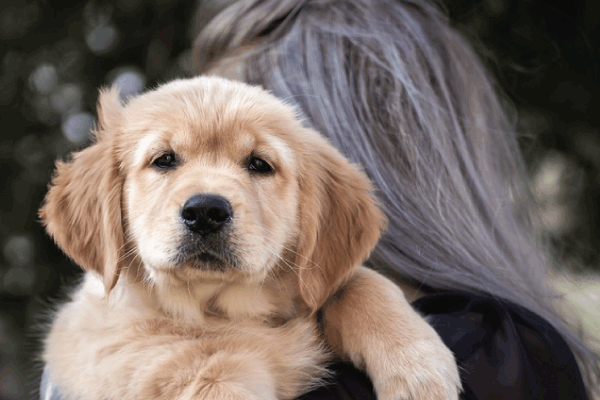
A comprehensive, step‑by‑step guide for families who want a safe, happy, and enduring relationship between their children (from birth to adolescence) and their dog.
Table of Contents
- Why It Matters – Benefits for kids, dogs, and families
- Preparing Before the Baby Arrives – Choosing the right dog & pre‑arrival prep
- The First 12 Months – Safe introductions, infant‑centred routines, and early socialisation
- Toddler Years (1‑3 y) – Teaching respect, play, and boundaries
- Preschool‑to‑Early‑School (4‑7 y) – Structured activities, shared responsibilities, and conflict‑resolution skills
- Middle Childhood (8‑12 y) – Deepening the partnership, training together, and health‑wise habits
- Teen Years (13‑18 y) – Mutual independence, leadership, and lifelong stewardship
- Ongoing Safety & Wellness Checklist – Daily, weekly, monthly, and annual items
- Common Challenges & How to Solve Them – Behaviour, allergies, jealousy, etc.
- Resources & Further Reading – Books, websites, professional contacts
1. Why It Matters
| Benefit for Children | Benefit for Dogs | Benefit for the Family |
|---|---|---|
| • Empathy & emotional regulation | • Purpose & mental stimulation | • Stronger family cohesion |
| • Better social skills & confidence | • Physical activity & enrichment | • Reduced stress (oxytocin boost) |
| • Lower rates of anxiety & depression | • Secure attachment to humans | • Shared responsibility builds teamwork |
| • Improved reading & language (reading to dog) | • Positive outlet for energy | • Clear division of chores & duties |
| • Lifelong lessons in caretaking | • Increased obedience when trained with kids | • A “four‑legged therapist” for all ages |
2. Preparing Before the Baby Arrives
2.1 Selecting the Right Dog
| Factor | What to Look For | Why It Matters |
|---|---|---|
| Temperament | Calm, tolerant, not overly possessive of people or toys. A dog that scores “4‑5” on the Canine Good Citizen (CGC) temperament test is ideal. | Reduces risk of sudden lunges or resource guarding. |
| Energy Level | Moderate – able to enjoy a walk but also content to relax. | Matches a newborn’s need for a “quiet” environment. |
| Size | Medium (25‑60 lb) is often easier for a child to manage safely. Very large breeds can be intimidating; very small breeds may be easily injured. | Balances safety with manageability. |
| Health History | Up‑to‑date vaccinations, deworming, no chronic pain. | Prevents disease transmission to the infant. |
| Training Status | Already knows “Sit,” “Stay,” “Leave it,” and walks on a loose leash. | Reduces the learning curve once baby arrives. |
Tip: If you already have a dog, consider a pre‑birth behaviour assessment with a certified trainer. A short “baby‑prep” class (often offered by shelters) can help the dog learn to tolerate baby sounds, smells, and movement.
2.2 Home‑Ready Checklist
| Task | When | Details |
|---|---|---|
| Create a “dog‑zone” | 2‑3 months before due date | Choose a quiet room with a bed, toys, water bowl, and a baby‑gate barrier. This is the dog’s safe retreat when the house gets hectic. |
| Dog‑proof the nursery | 1 month before | Cover cords, remove small objects, install a “no‑chew” mat, and ensure the crib is out of reach of the dog’s nose. |
| Update ID tags & microchip info | Immediately | Add “Baby in home – gentle” to tag. |
| Stock up on supplies | 2 weeks before | Extra leashes, harnesses, chew toys, “quiet” toys (e.g., KONGs), and first‑aid kit. |
| Enroll in a “Kids & Dogs” class | 1‑2 months before | Many community centers offer 4‑week courses that teach kids how to read dog body language. |
| Plan a “first‑meeting” protocol | Day of birth | Decide who will be present (usually the primary caregiver). The dog should be leashed and calmly introduced to the scent of the baby via a blanket or clothing. |
3. The First 12 Months
3.1 The First 48 Hours
| Step | Goal | How |
|---|---|---|
| Quiet Arrival | Reduce overstimulation | Keep lights dim, limit visitors, and keep dog on a loose leash in a separate room while the baby is placed in the crib. |
| Scent Transfer | Familiarize the dog with baby’s smell | Rub a clean cloth on the baby’s skin, then let the dog sniff it while being rewarded with a treat. |
| Positive Association | Pair baby’s presence with good things | Every time the baby cries, give the dog a high‑value treat (e.g., freeze‑dried liver). This teaches the dog that baby noises = rewards. |
| Set Boundaries | Establish “no‑jump” rule | Use a firm “No” and a gentle push‑back (never punitive). Reinforce with “Leave it” and a treat when the dog backs away. |
3.2 Daily Routines (0‑12 mo)
| Time of Day | Dog‑Centric Activity | Baby‑Centric Activity |
|---|---|---|
| Morning | 10‑minute leash walk (energy burn) | Feeding, diaper change |
| Mid‑Morning | Play “quiet toy” while baby naps | Cuddle/skin‑to‑skin (helps calm both) |
| Afternoon | Short obedience session (Sit, Stay) | Walk in stroller (dog on leash) |
| Evening | Family “calm‑down” – dog on mat, child on lap (if appropriate) | Bath, bedtime story (read aloud to dog) |
Safety Note: Never leave a dog unsupervised with a baby, even if the dog appears gentle. A startled dog can bite, and a baby can inadvertently pull on a dog’s tail or ears.
3.3 Milestones & Signs of Successful Bonding
| Milestone (Baby Age) | Observed Dog Behaviour |
|---|---|
| 2‑3 weeks | Calmly watches crib, follows caregiver, does not jump on furniture. |
| 2 months | Allows gentle touch on shoulders/neck without growling; sits calmly when baby is in carrier. |
| 4 months | Accepts baby’s “hand‑on‑dog” attempts (patting, holding paw) with a relaxed body posture. |
| 6 months | Responds to “Sit” when baby points (early cue training). |
| 9‑12 months | Joins family “play floor” with baby’s toys, showing “gentle mouthing.” |
4. Toddler Years (1‑3 y)
4.1 Teaching Respect & Boundaries
| Concept | Age‑Appropriate Explanation | Practice Activity |
|---|---|---|
| Gentle Touch | “We pet the dog softly, like we pet a stuffed animal.” | Use a feather‑soft brush; reward the child with a sticker when they pet gently. |
| No‑Pulling | “We keep our hands to ourselves.” | Role‑play using dolls; demonstrate “pull” → “dog gets scared” → “sad face.” |
| Leave It | “If the dog is eating or chewing a toy, we say ‘Leave it.’” | Play a “leave‑it” game: hide treats under cups, ask child and dog to wait for the cue. |
| Quiet Voice | “We use our indoor voice near the dog.” | Use a “whisper‑meter” (a simple sound‑level meter app) and reward low decibels. |
4.2 Structured Play
| Activity | Goal | How |
|---|---|---|
| Fetch‑Swap | Teach sharing & turn‑taking | Child tosses a soft ball, dog retrieves and drops it near child; child gives a treat to the dog. |
| Obstacle Mini‑Course | Motor skills & dog obedience | Low‑couch cushions, tunnels, and a “pause” mat; child guides dog with verbal cues and a whistle. |
| Reading to the Dog | Language development & calm bonding | Set a “reading nook” where the toddler reads picture books aloud while the dog lies on a mat. |
| Paw‑Print Craft | Positive memory | Use non‑toxic paint on dog’s paw (quickly wiped) to press onto paper; child decorates the print. |
Safety Reminder: Always supervise. A toddler may unintentionally step on a dog’s paw; teach the child to look before stepping.
5. Preschool‑to‑Early‑School (4‑7 y)
5.1 Shared Responsibilities
| Task | Kid’s Role | Parent’s Oversight |
|---|---|---|
| Feeding | Measure kibble (use a scoop) and pour water. | Verify portions; keep food bowls out of reach of younger sibling. |
| Grooming | Brush fur (short sessions, 5 min). | Check for mats, skin irritations, and reward dog after. |
| Walking | Hold leash (short 5‑min walks) with adult supervision. | Attach leash, hold the other end, and guide route. |
| Training | Practice “Sit” and “Stay” with treats. | Provide treats, correct cues, and praise. |
5.2 Conflict‑Resolution Skills
- Identify the Trigger – “Did the dog bark because the child grabbed a toy?”
- Name the Feeling – “You look upset, and the dog looks scared.”
- Problem‑Solve Together – “Let’s give the dog a treat, then ask him to ‘Sit’ before you pick up the toy.”
Use a simple “Feel‑Think‑Do” chart (Feelings → Thoughts → Actions) on the fridge for visual guidance.
5.3 Enrichment & Learning
| Enrichment | Description | Frequency |
|---|---|---|
| Scent Trails | Hide a treat under a cup, let child and dog follow scent clues. | 1‑2×/week |
| Canine‑K9 Games | Simple agility: low jumps, weave poles (plastic). | 30 min/week |
| Dog‑Friendly Art | Paw‑painting with non‑toxic ink; child adds crayons. | Monthly |
| Family Hiking | Moderate trail (≤2 mi) with baby carrier & dog. | Monthly (weather permitting) |
6. Middle Childhood (8‑12 y)
6.1 Deepening the Partnership
| Skill | How to Teach | Outcome |
|---|---|---|
| Advanced Commands (e.g., “Place,” “Leave it,” “Come”) | Joint training sessions (10 min) using clicker or marker word; child gives the cue, parent reinforces. | Child learns leadership; dog learns consistent communication. |
| First Aid Basics | Teach the child how to assess bleeding, check temperature, and apply a simple bandage. | Confidence in emergencies, reduces panic. |
| Nutrition Awareness | Involve child in measuring kibble, reading label, and discussing protein/fiber. | Understanding of responsible pet care. |
| Community Service | Volunteer at local shelter with dog (e.g., “Bark‑Buddies” program). | Empathy and social responsibility. |
6.2 Health & Wellness Checklist
| Item | Who Checks | Frequency |
|---|---|---|
| Weight | Parent (visual check) + Vet scale | Quarterly |
| Dental Health (teeth brush or chew) | Child (under supervision) | 2‑3×/week |
| Flea/Tick Prevention | Parent | Monthly |
| Vaccination/Heartworm | Vet | As per schedule (usually annually) |
| Joint Mobility (wiggle test) | Parent | Every 6 months |
| Behavioral Check‑in (stress signs) | Parent + child | Weekly discussion |
7. Teen Years (13‑18 y)
7.1 Mutual Independence
| Responsibility | Teen’s Role | Parental Role |
|---|---|---|
| Daily Walks | Full 30‑min walk, route planning. | Verify leash integrity, keep emergency contacts. |
| Training Classes | Enroll in “Advanced Canine Sports” (e.g., rally, flyball). | Pay fees, attend occasional observation. |
| Vet Appointments | Drive to vet, ask questions, fill out paperwork. | Confirm appointments, pay bills. |
| Home Safety Audit | Inspect backyard fence, check for hazards. | Make repairs if needed. |
7.2 Leadership & Advocacy
- Dog‑Therapy Certification – Teens can train the dog for visits to schools, nursing homes, or hospitals (requires a certified therapy dog program).
- Pet‑First Aid Certification – Many Red Cross chapters offer a 2‑hour course; teens can become the “family pet‑first‑aid champion.”
7.3 Preparing for Life Transitions
| Scenario | Plan |
|---|---|
| Family Move | Create a “Dog Transition Pack” (toys, blankets, vet records). Involve teen in scouting dog‑friendly housing. |
| College/University | Identify a reliable caregiver; teen prepares a care‑schedule template. |
| Dog Aging (Senior Years) | Teach teen to recognize arthritis signs, use ramps, schedule more frequent vet visits. |
8. Ongoing Safety & Wellness Checklist
| Frequency | Task | Who | Notes |
|---|---|---|---|
| Daily | Check water bowl (fresh) | Child/Parent | Clean if dirty. |
| Observe dog’s posture & facial expression | Parent | Look for signs of stress (tail tucked, lip lick, yawning). | |
| Weekly | Brush coat (frequency based on breed) | Child (with supervision) | Prevent matting, spot skin issues. |
| Clean food & treat containers | Parent | Reduce bacterial growth. | |
| Monthly | Rotate toys (wash or replace) | Child |
#BabyAndDog, #ChildAndDog, #CanineCompanion, #DogFamily, #PetLove, #RaisingKidsWithDogs, #PuppyLove, #ChildhoodMemories, #DogSafety, #PetTraining, #FamilyBond, #BabySafetyWithDogs, #KidsAndPets, #DogLife, #InfantAndDog, #ToddlerAndDog, #BestFriends, #LoyalCompanion, #GrowingUpWithDogs, #PetParent






Add comment