
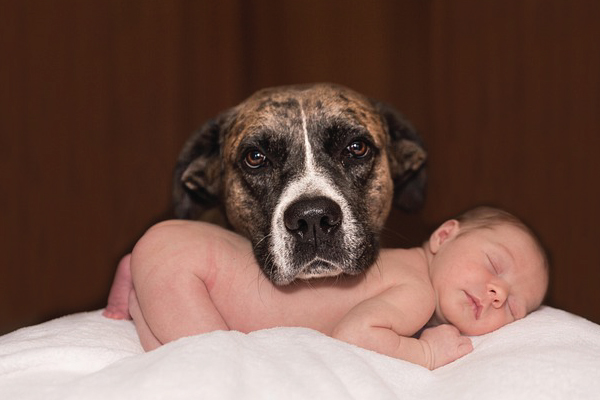
 Bath time, for many dog owners, can be a dreaded chore. It often involves slippery floors, frantic shaking, a grumpy dog, and a thoroughly soaked bathroom. However, what if we reframed this common necessity into an opportunity for connection and trust-building? Bath time, when approached with the right mindset and techniques, can transform from a stressful event into a cherished bonding experience that strengthens the relationship between you and your canine companion.
This comprehensive guide will walk you through how to make bath time a positive and enjoyable experience for both you and your dog, fostering a deeper bond and ensuring a cleaner, happier pet.
I. The Foundation: Understanding Your Dog’s Perspective
Before we dive into the practicalities, it’s crucial to understand why dogs might perceive bath time negatively.
- The Unknown and Unfamiliar: For many puppies and even adult dogs, the bathroom environment, the sounds of running water, the slippery surfaces, and the feeling of being restrained can be overwhelming and scary.
- Loss of Control: Dogs thrive on routine and predictability. Being placed in a tub, having their body manipulated, and being doused with water can feel like a significant loss of control, triggering anxiety.
- Sensory Overload: The smell of shampoo, the temperature of the water, the sensation of suds, and the drying process can all be intense sensory experiences.
- Past Negative Experiences: If previous baths were rushed, forced, or accompanied by punishment, your dog will likely associate bathing with negativity.
- Physical Discomfort: Water in their ears or eyes, cold water, or rough handling can be physically unpleasant.
Key takeaway: Your dog isn’t being “stubborn” or “difficult” out of malice. They are reacting to a situation they find uncomfortable, scary, or even painful. Your goal is to change this perception through positive association.
II. Preparing for Success: Setting the Stage for a Positive Experience
Preparation is paramount. Addressing potential stressors before they even arise will significantly improve your dog’s willingness to participate.
A. Pre-Bath Rituals:
- Desensitization to the Bathroom:
- Gradual Introductions: Begin by simply spending time in the bathroom with your dog without any intention of bathing. Let them explore, give treats, and play games in this space.
- Positive Association: Make the bathroom a place of good things. Offer high-value treats, their favorite chew toys, or engage in short play sessions within the bathroom.
- Introduce Sounds: Play recordings of running water at a low volume while your dog is in the bathroom and reward calm behavior. Gradually increase the volume as they become comfortable.
- Introduce the Tub/Shower: Let them investigate the empty tub or shower. Place treats or toys inside the dry tub and allow them to get in and out on their own. Never force them.
- Pre-Bath Grooming:
- Brushing: Thoroughly brush your dog before the bath. This removes loose fur, detangles mats (which can worsen when wet and become painful), and allows you to check for any skin irritations or parasites. This also provides a gentle precursor to physical touch.
- Trimming Nails (If Necessary): Long nails can make it harder for dogs to feel secure on slippery surfaces. Trim them a day or two beforehand if your dog is comfortable with it.
- Ear Cleaning (Optional): If your dog tolerates it, clean their ears with a vet-approved solution a day or two before the bath. This helps prevent water from getting into the ear canal during the bath.
- Gathering Supplies:
- Appropriate Shampoo: Use a vet-recommended, dog-specific shampoo. Human shampoos can be too harsh and disrupt their skin’s natural pH balance. Consider shampoos for sensitive skin, de-shedding, or specific coat types.
- Towels: Have plenty of absorbent towels ready. Microfiber towels are excellent for trapping water.
- Non-Slip Mat: This is crucial for your dog’s safety and confidence. Place a non-slip mat or a rubber bath mat in the tub or shower to provide traction.
- Cotton Balls (Optional): Gently place a couple of cotton balls (not too deep!) in your dog’s ears to help prevent water from entering the ear canal. Remove them immediately after the bath.
- Treats: Have plenty of small, high-value, easily-digestible treats readily accessible.
- Washcloth: For carefully washing their face.
- Brushes/Combs: For post-bath grooming.
- Dog-Specific Conditioner (Optional): If your dog has long or thick fur.
B. Creating a Calm Environment:
- Timing is Key: Bathe your dog when they are relaxed, not overly tired or hyperactive. Avoid bathing them right after a strenuous walk or when guests are over and they are excited.
- Minimize Distractions: Turn off loud music, silence your phone, and ensure children are occupied elsewhere. A calm, quiet environment will help your dog feel more at ease.
- Your Own Demeanor: Your dog is a master of reading your emotions. If you are stressed or anxious about bath time, your dog will pick up on it. Approach the bath with a calm, positive, and confident attitude.
III. The Bathing Process: Turning it into a Bonding Experience
This is where the magic happens. Focus on making each step a positive interaction.
A. Gentle Introduction to the Water:
- Leash Comfort: Start by having your dog on a leash in the bathroom. This provides a sense of security for both of you.
- Gradual Water Introduction:
- Start with a Trickle: Begin with a very low stream of lukewarm water. Let it run for a few moments without touching your dog.
- Splash and Play (Optional): If your dog is curious, you can gently splash a little water on their paws or back and immediately offer a treat. Make it a fun, interactive experience.
- Lukewarm is Best: Test the water temperature on your wrist. It should be comfortably warm, not hot or cold.
B. The Washing Process:
- Start from the Paws Up: Gently wet your dog’s paws and legs first. Gradually work your way up their body, avoiding the head and face for now.
- Positive Reinforcement at Every Step:
- Treats and Praise: Every time you apply shampoo, rinse, or touch a new area, offer a small treat and quiet, reassuring praise.
- Short and Sweet: Keep the washing process as efficient as possible without rushing. Aim for a positive experience over an exhaustive one.
- Shampooing:
- Dilute Shampoo (Optional): For easier application and rinsing, consider diluting your dog’s shampoo with a little water in a separate container.
- Gentle Massage: Lather the shampoo in, using gentle massaging motions. This can be a pleasant sensory experience for your dog. Avoid scrubbing too hard, especially on sensitive areas.
- Rinse Thoroughly: Ensure all shampoo is completely rinsed out to prevent skin irritation. Lift your dog’s legs and tail to get to all the hidden spots.
- Washing the Face and Head:
- Use a Wet Washcloth: This is the safest and gentlest way to clean their face. Avoid getting water directly into their eyes, ears, or nose.
- Wipe Gently: Use the damp washcloth to clean around their eyes, muzzle, and ears.
- Ear Protection: If you chose not to use cotton balls, be extra cautious to avoid water entering their ear canals.
C. The Rinse and Dry:
- Thorough Rinsing: As mentioned, ensure all shampoo is gone.
- Gentle Shaking: Once rinsed, let your dog shake. Stand back and be prepared to get a little wet! You can gently stroke their back to encourage it.
- Towel Drying:
- Absorbency is Key: Use your absorbent towels to gently pat and rub your dog dry.
- Positive Association: Continue offering treats and praise during this process.
- Avoid Rubbing Too Vigorously: This can be uncomfortable and create static electricity.
- Hair Dryer (Optional, with Caution):
- Desensitize Gradually: If you choose to use a dryer, introduce it very slowly. Start by holding it far away on a cool setting.
- Low Heat and Low Speed: Always use the lowest heat and speed settings.
- Keep it Moving: Never point the dryer at one spot for too long.
- Reward Calmness: Offer treats and praise for tolerating the dryer. If your dog shows signs of stress, stop immediately. Many dogs are perfectly happy with towel drying.
IV. Post-Bath Bonding and Reinforcement
The positive reinforcement shouldn’t end when the bath does.
A. Post-Bath Pampering:
- Brushing and Combing: Once your dog is mostly dry, gently brush their coat to prevent tangles and give them a shiny finish. This is another opportunity for positive touch.
- Playtime: Engage in a fun play session. A game of fetch, tug-of-war, or a brisk walk can help them release any lingering energy or anxiety from the bath.
- Special Treat: Offer a special post-bath treat that they don’t usually get. This reinforces the idea that good things come after bath time.
- Affection and Cuddles: Spend quality time cuddling with your clean and fresh-smelling dog. This reinforces the positive association with your presence and touch.
B. Continued Reinforcement:
- Make it a Routine: Regular, positive bath times (as needed for your dog’s breed and lifestyle) will help them become more accustomed to the process.
- Consistency: Maintain a calm and positive approach every time.
- Celebrate Small Victories: If your dog tolerates even a small part of the bath without excessive stress, acknowledge and reward that progress.
V. Addressing Common Challenges and Troubleshooting
Even with the best intentions, some dogs may still be resistant.
- The Trembling Dog: If your dog is trembling, speak in a calm, soothing voice, offer treats, and shorten the bath as much as possible. Focus for next time on more desensitization outside of the actual bath.
- The “Escape Artist”: Ensure the tub/shower has a good non-slip mat. If they are still trying to jump out, you may need a helper to gently hold them or a specialized restraint (but never yank or punish).
- The Fearful Dog: For deeply fearful dogs, consider seeking professional help from a certified professional dog trainer or a veterinary behaviorist. They can provide tailored strategies for overcoming severe anxieties.
- Water Aversion: Some dogs simply dislike being wet. Focus on making the drying and post-bath experience extra rewarding.
- Ear Sensitivity: If your dog is particularly sensitive about their ears, consult your vet about ear cleaning solutions or discuss if ear protection is truly necessary for your dog.
VI. Conclusion: Bath Time as a Love Language
By shifting your perspective and employing these techniques, bath time can evolve from a dreaded chore into a powerful tool for building trust, strengthening your bond, and deepening your relationship with your dog. Each gentle touch, each reassuring word, each well-timed treat reinforces that you are a source of comfort and safety, even in a potentially stressful situation.
Embrace the opportunity to connect with your furry friend on a new level. When you approach bath time with patience, positivity, and a focus on your dog’s well-being, you’re not just getting them clean – you’re speaking their love language and building a foundation of trust that will last a lifetime. Happy bathing!
===================
#DogBath, #BathTimeBonding, #DogBonding, #PetBonding, #DogLove, #CanineCompanion, #DogWash, #CleanDog, #WetDog, #HappyDog, #PositiveReinforcement, #PetCare, #Furbaby, #DogMom, #DogDad, #PetParent, #BuildTrust, #MakingBathTimeFun, #DogGrooming, #DogWellness, #BestFriendGoals, #DogLife, #DogsofInstagram, #PetsofInstagram, #HappyPaws






Add comment