
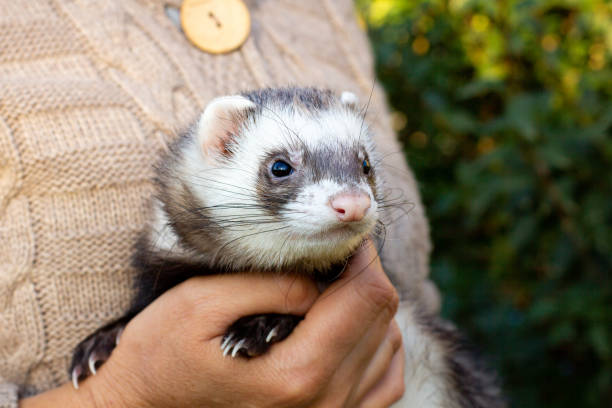
Introduction: The Call of the Wild (Safely Contained)
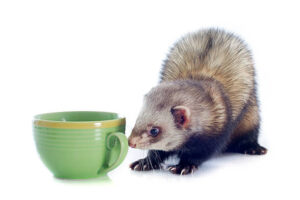
Ferrets are inherently curious, playful, and energetic creatures, often described as perpetual toddlers. While many ferrets thrive as indoor pets, providing them with a secure, stimulating, and well-designed outdoor enclosure can significantly enhance their quality of life, offering exposure to natural sunlight, fresh air, and a wider array of sensory experiences. However, the decision to house ferrets outdoors, even part-time, comes with substantial responsibilities and challenges, primarily centered around safety from predators, escape prevention, and protection from the elements.
This comprehensive guide delves into every aspect of building a safe, enriching, and durable outdoor ferret enclosure, suitable for both permanent residence and supervised playtime. It emphasizes critical safety considerations, thoughtful design principles, and practical construction advice to ensure your ferrets’ well-being and your peace of mind.
Legal and Ethical Considerations: Before You Dig
Before embarking on any construction project, it’s crucial to address the foundational legal and ethical aspects.
1. Local Ordinances and Homeowner Association Rules:
Research local zoning laws and homeowner association (HOA) regulations. Some areas may have restrictions on outdoor structures, the keeping of certain animals, or specific requirements regarding enclosure size, aesthetics, and placement. Obtain any necessary permits before starting construction. Ignoring these can lead to fines or the forced removal of your enclosure.
2. Neighborly Relations:
Consider the impact on your neighbors. An outdoor enclosure, especially one placed close to property lines, might raise concerns about noise, smell, or even the visual impact. Discuss your plans with immediate neighbors beforehand to address any potential issues and maintain good relations.
3. Ferret Welfare and Responsible Ownership:
The ethical responsibility lies squarely with the owner to provide an environment that meets all the ferret’s needs. An outdoor enclosure is not a substitute for human interaction or veterinary care. It must be designed to mitigate all potential risks, ensuring the ferrets’ physical and psychological health. If you cannot commit to constant vigilance and meticulous maintenance, an outdoor enclosure might not be the right choice for your ferrets.
Site Selection: The Foundation of a Safe Haven
Choosing the right location for your outdoor enclosure is paramount. A well-chosen site can simplify construction, enhance safety, and improve the ferrets’ quality of life.
1. Sunlight and Shade Balance:
Ferrets are susceptible to heatstroke. The enclosure MUST offer ample, consistent shade throughout the day, especially during the hottest hours. Consider the sun’s path across your yard in summer and winter. A spot with natural tree cover is ideal, but a solid roof and additional shade cloths are essential. Conversely, some sun exposure is beneficial for vitamin D synthesis, so a balance is key.
2. Drainage:
The ground beneath and around the enclosure should drain well to prevent water pooling, which can lead to dampness, mold, and pest infestations. Avoid low-lying areas prone to flooding. Grading the land slightly or installing a gravel base can improve drainage.
3. Protection from Elements:
Beyond sun, the site needs protection from wind, heavy rain, and snow. A location sheltered by a building, fence, or dense shrubbery can act as a natural windbreak. The chosen spot should not be overly exposed to prevailing winds.
4. Security from Predators:
Predators (foxes, coyotes, raccoons, birds of prey, stray cats/dogs) are a primary concern. Choose a site away from dense woods or overgrown areas that could harbor wildlife. Visibility from your home is important for monitoring.
5. Proximity to Utilities:
While not strictly necessary, proximity to a water source (for cleaning and fresh water) and an electrical outlet (for lighting, heating pads in winter, or fans in summer) can be highly convenient. Trenching for these utilities should be done safely and according to code.
6. Visibility and Accessibility for Monitoring:
Place the enclosure where you can easily see and access it multiple times a day. This ensures you can monitor your ferrets, check food and water, clean regularly, and respond quickly to any potential issues.
Design Principles and Core Requirements: Engineering for Ferrets
A robust design integrates multiple layers of safety, comfort, and enrichment.
1. Space: More is Always Better
Ferrets need room to run, jump, and explore. While minimums exist, aim for the largest enclosure you can reasonably provide. A general guideline is at least 24 square feet per ferret, but vertical space is equally important. Incorporate multiple levels, ramps, and platforms to maximize usable area and provide exercise opportunities.
2. Security: The Absolute Non-Negotiable
This is the single most critical aspect. The enclosure must be:
- Predator-Proof: Impenetrable to any local wildlife. This means strong wire mesh (hardware cloth, not chicken wire), secure roof, buried wire skirt to prevent digging underneath, and robust latches.
- Escape-Proof: Ferrets are masters of escape, squeezing through impossibly small gaps (anything larger than 1 inch by 1 inch is a risk for a determined ferret), climbing, and digging. Every seam, edge, and opening must be meticulously secured. Hardware cloth with 1/2″ x 1″ or 1/2″ x 1/2″ openings is recommended.
- Double-Entry System: A small vestibule or a double-door system prevents accidental escapes when you enter or exit the main enclosure.
3. Weather Protection: Comfort in All Seasons
- Shade: Mandatory solid roof over at least 75% of the enclosure, complemented by shade cloths on sides.
- Rain and Wind: Solid roof and solid walls (plywood, corrugated plastic) on at least two sides, particularly the prevailing wind direction, offer crucial protection.
- Temperature Regulation: An insulated sleeping area is essential for both hot and cold weather. In summer, good ventilation (without drafts) and cooling aids (frozen water bottles, ceramic tiles) are needed. In winter, supplemental heating (snuggle safe discs, heated pet beds in insulated boxes) may be necessary, especially in colder climates. The enclosure must remain well above freezing and below 80°F (27°C) at all times.
4. Ventilation: Fresh Air Without Drafts
Good airflow prevents stale air, odors, and excessive humidity, but direct drafts can be detrimental, especially in cold weather. Design for cross-ventilation, possibly with adjustable vents or partially open sections that can be covered when needed.
5. Enrichment: A Stimulating World
Ferrets are intelligent and need mental and physical stimulation.
- Tunnels: PVC pipes, corrugated drainage pipes, cardboard boxes.
- Dig Boxes: Sand, soil, straw, or safe substrate for burrowing.
- Platforms & Ramps: Varying heights for climbing and exploring.
- Hammocks & Sleeping Pouches: Cozy, elevated resting spots.
- Toys: Rotate a variety of safe ferret toys (balls, crinkle toys, puzzle feeders).
- Natural Elements: Safe branches, smooth rocks (ensure they can’t be pushed against walls to create escape routes).
6. Hygiene & Maintenance: Ease of Cleaning
Design with cleaning in mind. Smooth surfaces are easier to wipe. Raised platforms should be removable or easily accessible. Doors should be large enough to allow you to enter comfortably with cleaning tools. Incorporate designated litter areas.
7. Durability: Built to Last
The enclosure will be exposed to the elements year-round. Use high-quality, weather-resistant materials and robust construction techniques to ensure longevity and consistent safety.
Materials Selection: Building Blocks of Security and Comfort
Choosing the right materials is critical for safety, durability, and ferret well-being.
1. Framing:
- Pressure-Treated Wood: Recommended for outdoor use as it resists rot, insects, and moisture. However, ensure it is fully dried and sealed after construction, as fresh treated wood can off-gas chemicals. Some debate exists on its safety, so non-toxic sealants are a must.
- Cedar or Redwood: Naturally rot-resistant and aesthetically pleasing, but more expensive. Always use untreated lumber for any interior surfaces that ferrets might chew.
- Metal (Aluminum or Galvanized Steel): Extremely durable, rot-proof, and chew-proof. Aluminum is lighter and easier to work with but more costly. Steel is stronger but heavier and can rust if not properly treated/coated. Metal framing often requires specialized tools for cutting and joining.
2. Enclosure Mesh/Wire: CRITICAL COMPONENT
This is the primary barrier against escape and predators.
- Material: Galvanized hardware cloth (after welding or PVC coated) is the gold standard. Avoid plain galvanized wire that can rust quickly, and definitely avoid chicken wire – its large openings and weak gauge are useless against predators and even small ferrets.
- Gauge: At least 16 gauge, preferably 14 gauge, for robust predator protection.
- Opening Size: No larger than 1/2″ x 1″ or 1/2″ x 1/2″. Ferrets can squeeze through unbelievably small gaps. Choose smaller openings if possible.
- Attachment: Securely attach the wire to the frame using heavy-duty staples (e.g., 1/2″ or longer galvanized staples every 2-4 inches) or screws with fender washers. Overlap seams by several inches and secure them vigilantly.
3. Flooring:
- Natural Earth: Allows for digging but requires extensive buried wire protection. Bury hardware cloth at least 1-2 feet deep and extend outward (an “L-skirt”) at least 1-2 feet to prevent digging under the perimeter.
- Concrete Slab: Excellent for easy cleaning and preventing digging. It needs to be sloped for drainage. However, it can be hard on ferret joints and doesn’t offer digging opportunities. Must be covered with softer substrates.
- Wire Mesh + Substrate: A raised floor of strong hardware cloth (1/2″ x 1/2″ or 1/2″ x 1″ 14-gauge) covered by a thick layer of safe substrate (wood pellets, sand, soil) allows for digging while still preventing escapes. This requires a collection tray underneath for waste and ensures airflow.
- Hybrid: A concrete slab under the main shelter area, with a natural earth or mesh-and-substrate floor for the rest of the run.
4. Roofing:
- Solid Roof: Essential for weather protection (rain, snow, intense sun). Materials include asphalt shingles, corrugated metal, polycarbonate panels, or durable exterior-grade plywood covered with roofing felt. Ensure adequate overhangs to shed water.
- Partial Solid/Partial Mesh: Allows for more light and air, but the mesh section must be predator-proof (strong hardware cloth). The solid portion must cover the sleeping/shelter area.
5. Shelter/House:
An insulated, weatherproof hutch or a custom-built shelter within the main enclosure is vital.
- Materials: Exterior-grade plywood, oriented strand board (OSB), sealed with non-toxic, weather-resistant paint or sealant.
- Insulation: Styrofoam sheets (covered to prevent chewing), rigid foam boards, or natural insulation like straw (changed regularly). Ensure no insulation is accessible to ferrets.
- Access: A small, secure opening for ferrets to enter/exit, and a larger human-sized door for cleaning and access.
6. Doors & Latches:
- Double-Entry System: This is a crucial safety feature. It involves two doors creating a small intermediary space (a “vestibule”) between the outside and the main enclosure. If one door is accidentally left open, the other provides a backup.
- Latches: Use heavy-duty, chew-proof, predator-proof latches. Spring-loaded barrel bolts, combination locks, or padlock-ready latches are effective. Ensure they cannot be jiggled open or manipulated by ingenious predators (or curious children).
7. Substrates & Bedding:
- Digging Material: Play sand (non-silica dust), topsoil (chemical-free), or cypress mulch are good options for a digging box.
- Bedding: Fleece blankets, old t-shirts, towels, or pre-made ferret hammocks and sleeping bags. Ensure they are regularly washed. Straw can be used in the sleeping area for insulation in winter but must be clean and dust-free.
8. Enrichment Accessories:
Safe PVC pipes (ensure ferret cannot get permanently stuck), untreated wooden branches (nontoxic wood), ceramic tiles (cooling in summer), and heavy, tip-proof food and water bowls.
Construction Steps: Bringing the Design to Life
Careful planning and execution are essential for a safe and durable enclosure.
1. Planning & Blueprints:
- Detailed Drawing: Create scaled drawings of your enclosure, including dimensions, materials, and specific features.
- Material List: Use your blueprints to generate a precise list of all lumber, wire, fasteners, roofing, and accessories needed.
- Tool List: Gather all necessary tools (saws, drills, wire cutters, staple gun, measuring tape, level, safety gear).
2. Foundation & Base:
- Site Preparation: Clear the chosen area of debris, level the ground, and mark the enclosure’s perimeter.
- Trench for Wire Skirt: If using a natural earth floor, dig a trench at least 1-2 feet deep and 1-2 feet wide around the entire perimeter. This is where your buried wire skirt will go.
- Concrete Slab (if applicable): If opting for a concrete floor, pour and cure the slab according to standard construction practices, ensuring a slight slope for drainage.
3. Framing Assembly:
- Cut Lumber: Cut all wood pieces according to your blueprints. Pre-drill pilot holes to prevent splitting.
- Assemble Walls: Construct the wall frames on a flat, level surface. Use exterior-grade screws or bolts for strength. Ensure all corners are square.
- Install Posts: Securely anchor corner posts and any intermediate support posts into the ground (using post-hole diggers and concrete) or to the concrete slab using appropriate anchors.
- Assemble Roof Frame: Construct the roof frame, ensuring proper pitch for water runoff.
4. Wire Mesh Installation: MOST CRITICAL STEP
- Starting Point: Begin installing the hardware cloth from one corner, working your way around.
- Secure Attachment: Use heavy-duty galvanized staples (e.g., T50 1/2″ or 3/4″) every 2-4 inches along ALL framing members. For extra security, you can use strips of wood (furring strips) over the wire and screw them into the frame.
- Seams: Overlap wire mesh seams by at least 2-4 inches. Secure these overlaps meticulously with staples or wire hog rings. No gaps should be present.
- Burying the Skirt: If using a natural floor, roll the hardware cloth into the trench, extending it vertically down the outer edge and horizontally outward (forming an “L” shape). Backfill the trench completely, tamping the soil firmly. This prevents digging under the enclosure.
- Roof Mesh: If part of the roof is mesh, install it with the same meticulous attention to detail as the walls.
5. Roofing Installation:
- Apply Sheathing: Install exterior-grade plywood or OSB panels to the roof frame.
- Weatherproofing: Apply roofing felt, followed by shingles, corrugated metal, or polycarbonate panels. Ensure all overlaps are correct and sealant is used where necessary to prevent leaks.
- Overhangs: Ensure the roof has sufficient overhangs to protect the walls from rain and sun.
6. Shelter/Hutch Integration:
- Placement: Securely place or build the insulated ferret house within the enclosure.
- Access: Ensure the ferret entry/exit hole is smooth and safe.
- Human Access: Design a larger door on the hutch that is easy for you to open for cleaning and ferret retrieval.
7. Door/Access Point Installation:
- Frame Doors: Build sturdy door frames that fit snugly within the main enclosure frame.
- Wire Doors: Cover door frames with hardware cloth, securing it thoroughly.
- Install Latches: Attach heavy-duty, predator-proof latches. Install a double-entry system if possible, creating a small vestibule before the main cage.
8. Interior Fit-out:
- Platforms & Ramps: Install varying levels, ramps, and climbing structures securely. Ensure all surfaces are smooth and safe.
- Tunnels: Place PVC pipes or other suitable tunnels.
- Bedding & Hammocks: Provide plenty of soft bedding and hammocks.
- Dig Box: Introduce a digging area with appropriate substrate.
- Food & Water: Install heavy bowls that cannot be tipped over. Consider automatic waterers if feasible.
- Litter Boxes: Place litter boxes in designated corners.
9. Final Safety Checks: ABSOLUTELY ESSENTIAL
- Inspect Every Inch: Before introducing your ferrets, meticulously inspect every square inch of the enclosure, both inside and out.
- Look for Gaps: Check for any gaps larger than 1/2 inch. Pay special attention to corners, seams, door edges, and where wire meets wood. Seal any gaps with further wire, metal flashing, or non-toxic sealant.
- Sharp Edges: Check for any sharp wire ends, splintered wood, or protruding screws that could injure your ferrets. File them down or cover them.
- Loose Wires: Ensure all wire is tightly secured.
- Latches: Test all latches rigorously. Pretend to be a predator trying to get in, or a ferret trying to escape.
- Structural Integrity: Check the overall stability of the structure.
Safety Considerations (Expanded): Mitigating Every Risk
Beyond the initial design and construction, ongoing vigilance regarding safety is crucial.
1. Predator Protection:
- Wire Gauge and Opening Size: Reiterate the necessity of 14- or 16-gauge hardware cloth with 1/2″ x 1″ or 1/2″ x 1/2″ openings. Flimsy wire or larger openings are an invitation for trouble.
- Buried Wire Skirt: Absolutely critical for preventing digging predators (foxes, coyotes, raccoons, badgers). The L-shaped skirt buried 1-2 feet deep and extending 1-2 feet horizontally outward is non-negotiable.
- Secure Roof: Essential for aerial predators (hawks, owls) and climbing predators (raccoons, cats). A solid roof is best; if mesh, it must be the same heavy-gauge hardware cloth as the walls.
- Double Doors and Secure Latches: Raccoons are incredibly dextrous and intelligent. Simple latches will not suffice. Use multiple, robust, anti-jiggle latches or even combination locks.
- No Footholds: Design the exterior to offer minimal climbing aids for predators. Avoid shelves or ledges on the outside.
- Proximity to Your Home: Being visible and Audible to you increases security.
2. Escape Prevention:
- No Gaps: Ferrets can flatten their bodies and squeeze through incredibly small spaces. Any gap larger than their skull (roughly 1 inch in diameter) is an escape route. Be obsessive about sealing every seam, corner, and connection point.
- Digging Prevention: The buried wire skirt is also critical for stopping your ferrets from digging out.
- Climbing: Ferrets are excellent climbers. Ensure the enclosure roof is fully enclosed. Use smooth interior surfaces where possible, or design for climbing within the enclosure (platforms, tunnels) rather than on the walls towards the roof.
3. Temperature Regulation: LIFE-CRITICAL
Ferrets cannot tolerate extreme temperatures.
- Heatstroke Prevention (Above 80°F/27°C):
- Constant Shade: Mandate a solid roof and additional shade cloths.
- Ventilation: Ensure excellent airflow without direct drafts.
- Cooling Options: Provide frozen water bottles (wrapped in cloth), ceramic tiles, flat rocks, and access to cool, damp soil or sand. Consider a battery-operated fan if power is unavailable.
- Water: Multiple sources of fresh, cool water.
- Hypothermia Prevention (Below 20°F/-7°C):
- Insulated Shelter: The sleeping area must be heavily insulated.
- Deep Bedding: Provide ample fleece, straw, or other safe, warm bedding for burrowing.
- Supplemental Heat: In very cold climates, a covered, low-wattage heated pet bed (designed for outdoor use) or SnuggleSafe discs can be vital. Ensure all electrical cords are ferret-proofed.
- Windbreaks: Solid walls on prevailing wind sides.
- Monitoring: Use a thermometer inside the enclosure throughout the day to ensure temperatures remain within a safe range (ideally 35-75°F / 2-24°C).
4. Weatherproofing:
- Robust Roof: A watertight roof is essential. Check for leaks regularly, especially after heavy rain.
- Elevated Floor: If using a natural floor, ensure the enclosure is on slightly higher ground to prevent water runoff from entering.
- Wind Protection: Solid panels on the sides exposed to harsh winds.
5. Toxicity:
- Treated Wood: If using pressure-treated wood, allow it to off-gas thoroughly (weeks to months) before sealing with a non-toxic, weatherproof sealant. Ensure ferrets cannot chew on it.
- Plants: Research all plants in and around the enclosure. Many common garden plants are toxic to ferrets (e.g., lilies, poinsettias). Remove any questionable vegetation.
- Chemicals: Avoid using pesticides, herbicides, or harsh cleaning chemicals near the enclosure.
6. Pest Control:
- Insects: Ensure good drainage to deter mosquitoes. Check for flea and tick infestations regularly.
- Rodents: A well-built, small-mesh wire enclosure should deter most rodents. Store ferret food in sealed containers to prevent attracting them.
7. Supervision:
Even the most secure enclosure is not foolproof. Regular, diligent supervision and daily checks are paramount. Never leave ferrets unsupervised for extended periods, especially when first introducing them or during extreme weather.
8. Emergency Plan:
- Escape Protocol: Know immediately what to do if a ferret escapes. Have carriers ready, know local escape routes, and how to lure them back.
- Predator Attack: What if a predator manages to get in? How will you intervene safely and quickly?
- Weather Emergency: A plan for extreme weather (evacuation to indoor space).
- Veterinarian: Have your vet’s contact info readily available for emergencies.
Enrichment & Environmental Stimuli: A Ferret’s Paradise
An outdoor enclosure’s greatest advantage is the opportunity for diverse enrichment.
- Tunnels, Tubes, and Boxes: Provide a maze of PVC pipes (6-inch diameter for adult ferrets, ensuring no traps), cardboard boxes, and corrugated drainage pipes.
- Digging Opportunities: A large litter box or designated area filled with play sand (ensure it’s silicate-free), peat moss (chemical-free), or chemical-free topsoil allows for natural burrowing and digging behaviors.
- Platforms, Ramps, and Levels: Varying heights encourage climbing, jumping, and exploring. Use sturdy, wide ramps to ease access.
- Hammocks, Sleeping Sacks, and Bedding: Offer multiple cozy, elevated spots for napping. Rotate bedding regularly.
- Safe Toys: Balls, crinkle toys, puzzle feeders, and robust chew toys (ensure they cannot be ingested). Rotate toys to prevent boredom.
- Natural Elements (Safe): Smooth, non-toxic branches (securely anchored), large smooth rocks (ensure they can’t be used to create escape gaps or fall on a ferret).
- Scent Enrichment: Occasionally introduce new, safe scents like a few fallen leaves (non-toxic trees) or a small piece of safe produce.
- Owner Interaction: Crucially, an outdoor enclosure is not a place to neglect interaction. Spend time playing with your ferrets, handling them, and providing direct human contact daily.
Maintenance & Cleaning: Keeping It Pristine
A clean enclosure is a healthy enclosure. This requires a strict schedule.
1. Daily Checks:
- Food & Water: Replenish fresh food and water. Check water bottles for clogs or leaks.
- Litter Boxes: Scoop waste daily.
- General Health: Observe ferrets for any signs of illness, injury, or distress.
- Enclosure Integrity: Quick visual scan for any new gaps, damage, or signs of predator activity.
2. Weekly Deep Clean:
- Litter Change: Empty, wash, and refill all litter boxes.
- Bedding Refresh: Wash all hammocks, blankets, and sleeping pouches.
- Surface Wipe-down: Wipe down platforms, walls, and other surfaces with pet-safe cleaner.
- Dig Box Rake/Stir: Aerate dig box substrate and remove any waste.
- Water/Food Bowls: Thoroughly clean all food and water dishes.
3. Monthly/Seasonal Checks:
- Structural Integrity: Inspect all framing, wire, and roofing for wear, rust, damage, or loosening. Make repairs immediately.
- Pest Signs: Look for signs of insect infestations, rodent activity, or predator attempts.
- Temperature Control: Adjust insulation, ventilation, or supplementary heating/cooling as seasons change.
- Landscaping: Trim any overhanging branches or encroaching vegetation.
4. Dealing with Waste:
Properly dispose of ferret waste to prevent odor buildup and attract pests. Compost if possible (away from the enclosure) or bag and discard.
Acclimatization & Introduction: Making It Home
Introducing your ferrets to their new outdoor home should be a gradual, supervised process.
- Initial Introduction: On a warm, calm day, allow your ferrets to explore the enclosure for short, supervised periods. Stay with them constantly.
- Gradual Increase: Gradually increase the duration of their outdoor time, always monitoring their comfort and behavior.
- Temperature Acclimation: If they will live outdoors permanently, they need to gradually acclimate to seasonal temperature changes. This means exposure to cooler (but safe) temperatures in autumn to allow their winter coat to grow in without shock. Never move an indoor ferret directly to outdoor living in harsh winter conditions.
- Monitoring Behavior: Watch for signs of stress, fear, or attempts to escape. Address any issues promptly.
- Always Provide Shelter: Ensure they always have access to their insulated sleeping area from day one.
Pros and Cons of Outdoor Enclosures (Revisited): The Realities
Pros:
- Environmental Enrichment: Access to fresh air, natural sunlight (beneficial for vitamin D), different textures, smells, and sounds.
- Increased Space: Typically offers more room to explore than indoor cages.
- Behavioral Stimulation: Opportunities for natural digging, climbing, and scent marking.
- Reduced Odor Indoors: If ferrets primarily live outside, indoor ferret odor can be minimized.
Cons:
- Significant Safety Risks: Predator attacks, escapes, and extreme weather are constant threats requiring meticulous design and vigilance.
- Temperature Challenges: Requires constant monitoring and adjustment for heat and cold.
- Increased Maintenance: Outdoor enclosures require more frequent and thorough cleaning and structural checks.
- Reduced Human Interaction: If not actively mitigated, outdoor housing can lead to less direct handling and interaction.
- Cost & Labor: Building a truly safe and durable outdoor enclosure is a significant investment of time, money, and effort.
- Parasites & Disease: Increased exposure to fleas, ticks, mosquitoes, and potentially wildlife-borne diseases. Regular vet checks and preventative measures are crucial.
Conclusion: A Commitment to Responsible Ferret Ownership
Building an outdoor ferret enclosure is a substantial undertaking that requires careful planning, robust construction, and unwavering commitment to safety and maintenance. When executed correctly, with every detail scrutinized for potential risks, it can provide an incredibly enriching environment for your ferrets, allowing them to experience the natural world in a secure setting.
However, the decision should never be taken lightly. It demands constant vigilance against predators and escapes, meticulous temperature regulation, and a dedication to cleanliness and regular interaction. An outdoor enclosure is not a set-it-and-forget-it solution; it is a profound responsibility. By adhering to the principles outlined in this guide, you can create a structure that not only meets but exceeds the safety and design standards necessary for your beloved ferrets to thrive in their outdoor haven. Your ferrets’ well-being depends on your thoroughness and commitment.
#FerretEnclosure #OutdoorFerret #FerretSafety #DIYFerretCage #FerretHabitat #PredatorProof #EscapeProof #FerretLife #FerretCare #MustelidParadise #FerretLove #EnrichmentForFerrets #FerretsOfInstagram #FerretHutch #FerretDesign #PetEnclosure #AnimalWelfare #FerretsRule #SafeSpaceForFerrets #BackyardFerret #FerretCommunity #PetProjects #OutdoorPets #Ferrets #BuildingForPets #PetSafety #FerretFun #ExtremeFerretCare #ResponsiblePetOwner



Add comment