
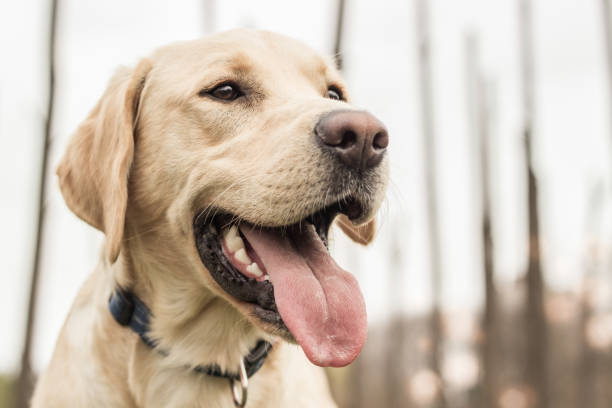
Dogs with neurological deficits, whether congenital or acquired, often face challenges that can impact their confidence and overall quality of life. These deficits can manifest in various ways, including:
- Motor Impairments: Wobbliness, ataxia (lack of coordination), weakness, paralysis, tremors, seizures.
- Sensory Deficits: Vision loss, hearing loss, altered sense of smell or touch.
- Cognitive Dysfunction: Difficulty learning, memory loss, confusion, disorientation, behavioral changes.
- Balance and Proprioception Issues: Difficulty understanding where their body is in space.
The good news is that with patience, understanding, and a tailored approach, we can significantly improve the confidence and well-being of these special dogs. This guide explores various activities designed to foster their emotional security, mental stimulation, and physical engagement.
Core Principles for Success:
Before diving into specific activities, it’s crucial to establish some foundational principles:
- Patience is Paramount: Progress will likely be slower and may involve setbacks. Celebrate small victories.
- Safety First: Always prioritize your dog’s safety. Adapt activities to their specific limitations, using assistive devices and secure environments.
- Positive Reinforcement: Use rewards (treats, praise, gentle petting) to encourage desired behaviors. Avoid punishment or harsh correction.
- Observe and Adapt: Pay close attention to your dog’s body language. Signs of stress, fear, or overexertion should be addressed immediately. Adjust the activity or take a break.
- Consult Your Veterinarian and Professionals: Always discuss any new activity program with your veterinarian. Consider consulting with a canine rehabilitation therapist, veterinary behaviorist, or certified professional dog trainer experienced with neurological conditions. They can provide individualized recommendations and guidance.
- Break Down Tasks: Large, complex tasks can be overwhelming. Break them down into smaller, manageable steps.
- Consistency is Key: Regular, short sessions are more effective than infrequent, long ones.
- Build on Successes: Gradually increase the difficulty or duration of activities as your dog gains confidence.
- Focus on Enjoyment: The primary goal is to improve your dog’s quality of life. Make activities fun and rewarding.
Activities to Foster Confidence and Well-being:
These activities are categorized to address different aspects of your dog’s needs. Remember to adapt them based on your dog’s specific deficits.
1. Sensory Enrichment Activities:
These activities engage your dog’s senses, providing mental stimulation and helping them explore their environment without overwhelming them.
- Scent Games (for dogs with visual or motor impairments):
- “Find It” Bowls: Place a few treats or kibble in shallow bowls or muffin tins. Start with a few and gradually increase the number and distance. This encourages exploration and problem-solving.
- Scent Trails: For more mobile dogs, create short, simple scent trails with their favorite treats. Start indoors on familiar surfaces.
- Kongs and Treat-Dispensing Toys: Fill KONGs or other puzzle toys with various textures and flavors. Start with easier ones and progress to more challenging ones. This provides mental engagement and can be calming.
- New Smells: Introduce new, safe scents into their environment. This could be a sprig of rosemary (ensure it’s safe for dogs), a new piece of wood from outside, or even a tiny amount of diluted essential oil on a cloth (use extreme caution with essential oils and consult your vet).
- Auditory Enrichment (for dogs with visual impairments):
- Calming Music: Play classical music or specially designed calming music for dogs. Observe their reactions and choose what seems to soothe them.
- Gentle Sounds: Introduce soft, interesting sounds like a crinkling paper bag (supervised), a gentle bell, or chimes. Avoid sudden, loud noises.
- Voice Commands and Praise: Use clear, consistent verbal cues and enthusiastic praise. This builds association and communication.
- Tactile Stimulation (for dogs who enjoy touch):
- Gentle Brushing: A soft brush can be very comforting and provide positive sensory input.
- Different Textures: Introduce soft blankets, fuzzy mats, cool tiles, or a shallow water pool (if appropriate and supervised) for them to explore with their paws.
- Towel “Massage”: Gently rub a soft towel over their body.
- Visual Enrichment (for dogs with hearing impairments or cognitive issues):
- Moving Toys: Introduce slow-moving, visually stimulating toys like a feather wand or a soft ball rolled gently.
- Window Views: Provide safe access to a window where they can observe the outside world.
2. Movement and Physical Confidence Builders:
These activities focus on gentle, controlled movement to improve coordination, balance, and overall physical confidence.
- Controlled Walks:
- Short, Frequent Outings: Prioritize short, calm walks in quiet environments to minimize overstimulation.
- Familiar Routes: Start with routes your dog knows and feels comfortable with.
- Assisted Walking: Use a harness that provides good support, especially around the chest and hindquarters. Consider a drag bag or specialized walking aids if needed.
- Pause and Observe: Stop frequently to allow your dog to sniff and explore, and to assess their comfort level.
- Gentle Obstacle Courses (adapted for deficits):
- Low Jumps: Use very low, wide objects like pillows or small cushions that they can step over.
- Tunnels (wide and low): Use wide, stable tunnels that are easy to navigate.
- “Walk This Way” Mats: Place different textures of mats (carpet squares, rubber mats, yoga mats) on the floor for them to walk across.
- Gentle Inclines/Declines: Use very gentle ramps or a slightly sloped mat to help them practice weight-shifting.
- Water Treading (Hydrotherapy): This is excellent for building muscle strength and improving balance with reduced impact. Always done under the supervision of a professional canine rehabilitation therapist.
- Balance Exercises:
- Paw Placement: Gently lift one paw at a time for a few seconds to encourage weight shifting and proprioception.
- Wobble Boards/Balance Discs (gradual introduction): Start with them simply standing on the disc with your support. Gradually increase duration and allow slight movement. Crucially, ensure they are stable and have support to prevent falls.
- Target Training:
- “Touch” with Nose or Paw: Teach your dog to touch a target (like your hand or a sticky note) with their nose or paw. This builds coordination and focus.
- Stationing: Teach them to go to a specific mat or spot. This can help with orientation and body awareness.
3. Cognitive Stimulation and Mental Engagement:
These activities challenge your dog’s mind, helping to prevent cognitive decline and maintain mental acuity.
- Puzzle Toys: (As mentioned in sensory enrichment)
- Simple Training Cues:
- Reinforce Known Cues: Practice familiar commands in a positive and rewarding way.
- Teach New, Simple Cues: Introduce one new, easy cue at a time, like “shake paw” or “spin” (if physically possible).
- Name Recognition: Practice saying their name and rewarding them when they look at you.
- “Trading Up” Games: Offer a less desirable item and then “trade” them for something more desirable. This teaches them to release and encourages focus on you.
- Hide-and-Seek (with you or toys): Start by hiding in plain sight and gradually increase the difficulty. This encourages them to use their senses and problem-solve.
- Interactive Play (gentle):
- Soft Toy Retrieval: Roll a soft toy a short distance and encourage them to bring it back.
- Gentle Tug-of-War: Use a soft rope toy and allow them to “win” frequently. This builds confidence in their strength without being too demanding.
4. Socialization and Comfort:
These activities focus on building trust, security, and positive social interactions.
- Calm Companionship:
- Presence and Gentle Touch: Simply being present and offering soft petting can be incredibly comforting.
- Proximity: Encourage them to be near you during calm activities.
- Controlled Interactions with Other Calm Dogs (if appropriate):
- Supervised Greetings: Introduce them to known, gentle, and well-balanced dogs in a neutral, calm environment.
- Short Durations: Keep interactions brief and positively reinforced.
- Observe Body Language: Be ready to intervene if any signs of stress or discomfort arise from either dog.
- New, Positive Experiences:
- Short Car Rides: If they enjoy them, short, positive car rides can be stimulating.
- Quiet Outings: Take them to a quiet park or a pet-friendly store during off-peak hours.
- Building Trust Through Routine: Predictable routines can provide a sense of security.
Adapting for Specific Deficits:
- For Dogs with Mobility Issues (Ataxia, Weakness, Paralysis):
- Ramps and Slings: Use ramps for getting in and out of cars or onto furniture. Consider a support harness or sling for walks and stability.
- Non-Slip Surfaces: Use rugs or mats on slippery floors to prevent falls.
- Low-Impact Activities: Focus on hydrotherapy, gentle massage, and passive range of motion exercises (as guided by a rehab therapist).
- Assisted Feeding: Ensure food and water bowls are at an accessible height.
- For Dogs with Vision Loss:
- Consistent Environment: Keep furniture and objects in the same place to prevent bumping.
- Verbal Cues: Use clear verbal cues to guide them and warn them of obstacles.
- Tactile Navigation: Introduce different textures on the floor to help them navigate.
- Scent Trails: Excellent for exploration and finding rewards.
- For Dogs with Hearing Loss:
- Visual Cues: Use hand signals and body language for commands.
- Vibrational Alerts: Consider using a vibrating collar or a vibrating device on the floor to get their attention.
- Light Signals: A flashlight or hand wave can be used for communication.
- For Dogs with Cognitive Dysfunction:
- Simplicity: Keep activities very simple and break them down into tiny steps.
- Repetition: Repetition can be helpful, but avoid over-fatiguing them.
- Positive Reinforcement: Focus on rewarding any sign of engagement or progress.
- Management Strategies: Focus on creating a safe and predictable environment.
When to Seek Professional Help:
- Worsening Symptoms: If your dog’s neurological symptoms are progressing rapidly.
- Seizures: If your dog experiences frequent or severe seizures.
- Signs of Pain: If your dog shows signs of pain, such as yelping, limping, or reluctance to move.
- Severe Anxiety or Fear: If your dog is exhibiting extreme anxiety, fear, or aggression.
- Difficulty with Daily Activities: If your dog is struggling with basic needs like eating, drinking, or toileting.
A veterinary rehabilitation therapist, veterinary behaviorist, or certified professional dog trainer with experience in neurological conditions can provide invaluable guidance, tailored exercise plans, and behavioral modification strategies.
Conclusion:
Building confidence in a dog with neurological deficits is a journey of love, patience, and dedication. By understanding their unique challenges and implementing a variety of adapted activities, you can significantly enhance their quality of life, foster their independence, and strengthen your bond. Remember to celebrate every small victory and focus on creating a positive and enriching experience for your beloved companion. Their well-being and happiness are the ultimate rewards.






Add comment