
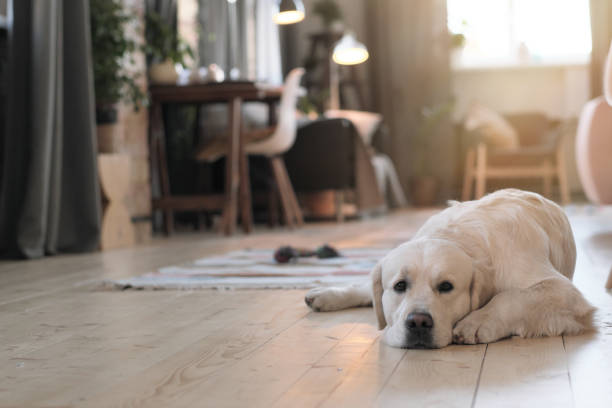
It’s great that you’re focused on building strength safely for your dog recovering from orthopedic surgery! This is a crucial phase for their long-term mobility and comfort. This guide will walk you through the process, emphasizing safety, gradual progression, and when to seek professional help.
Building Strength Safely: Exercises for Dogs Recovering from Orthopedic Surgery
Disclaimer: This guide provides general information and exercises. Always consult with your veterinarian or a certified canine rehabilitation therapist (CCRT) before starting any exercise program for your recovering dog. They will assess your dog’s specific condition, surgical procedure, and healing stage to create a tailored plan.
Understanding the Recovery Process
Orthopedic surgery aims to repair damaged bones, joints, or soft tissues. The recovery period is essential for:
- Wound Healing: Initial stages focus on allowing surgical incision(s) to heal properly without stress.
- Pain Management: Controlling pain is paramount to encourage gentle movement and prevent compensatory movements.
- Reducing Inflammation: Swelling needs to be managed to allow for proper joint and tissue function.
- Restoring Range of Motion (ROM): Gently moving the affected limb helps prevent stiffness and contractures.
- Regaining Muscle Mass: Immobilization and disuse lead to significant muscle atrophy. Rebuilding this muscle is key to supporting the repaired structures.
- Improving Proprioception: This is the body’s awareness of its position in space. It’s often impaired after injury and surgery, and rehabilitation helps restore it.
- Returning to Normal Function: The ultimate goal is to help your dog regain confident and pain-free movement.
The Pillars of Safe Rehabilitation
- Veterinary Guidance: This is non-negotiable. Your vet and/or rehabilitation therapist are your primary resource. They will dictate the pace of recovery and the types of exercises appropriate for each stage.
- Patience and Observation: Dogs heal at different rates. Rushing the process can lead to setbacks, re-injury, or chronic pain. Be a keen observer of your dog’s body language – signs of pain, fatigue, or discomfort.
- Gradual Progression: Exercises will start very basic and gradually increase in intensity, duration, and complexity as your dog heals.
- Focus on Quality over Quantity: It’s better to perform a few repetitions with perfect form than many with poor form.
- Pain Management: Never push your dog through pain. If they show signs of discomfort, stop the exercise and consult your vet.
- Consistency: Regular, short exercise sessions are more effective than infrequent, long ones.
- Controlled Environment: Initially, exercises should be performed in safe, low-risk environments to prevent falls or injury.
Stages of Rehabilitation and Corresponding Exercises
The recovery is typically broken down into stages. The timeline is highly variable and depends on the surgery, the dog’s age, breed, overall health, and adherence to the rehabilitation plan.
Stage 1: Early Healing (Immediately Post-Surgery to ~2 Weeks)
- Goal: Protect healing tissues, manage pain and inflammation, encourage gentle, controlled movement.
- Restrictions: Strict confinement (crate or small room), leash walks only for elimination (short, slow, on flat, non-slippery surfaces), no running, jumping, stairs, or rough play.
- Exercises:
- Passive Range of Motion (PROM):
- How-to: Gently support the limb and slowly and smoothly move the affected joint through its natural range of motion, without forcing it. Perform in all planes of movement (flexion, extension, rotation where appropriate).
- Frequency: Several times a day, 5-10 repetitions per joint.
- Safety: Be very gentle. Stop if you feel resistance or if your dog shows signs of pain (yelping, pulling away, muscle tension). Your therapist will demonstrate proper technique.
- Gentle Massage:
- How-to: Light stroking and gentle kneading around the surgical site (avoiding the actual incision until cleared by your vet) and surrounding muscles. This can help reduce swelling and promote circulation.
- Frequency: Daily.
- Weight-Bearing Encouragement (Controlled):
- How-to: Once cleared by your vet, encourage brief periods of standing on all four legs. You might use a sling to assist if needed.
- Frequency: Very short durations, multiple times a day.
- Assisted Sit-to-Stand:
- How-to: If your dog is able, gently encourage them to stand from a sitting position, providing support with a sling or your hands if necessary. This helps activate hindlimb muscles.
- Frequency: A few repetitions daily.
- Passive Range of Motion (PROM):
Stage 2: Early Strengthening and Mobilization (~2 Weeks to 6-8 Weeks)
- Goal: Gradually increase ROM, begin gentle active exercises, start rebuilding muscle mass, improve proprioception.
- Restrictions: Still no strenuous activity. Controlled leash walks are gradually lengthened and can include slight inclines/declines.
- Exercises:
- Continue PROM: As ROM improves, you can gently push the boundaries a little, but still avoid overstretching.
- Assisted Walking/Weight Bearing: Gradually increase the duration and independence of weight-bearing. Use a sling for support as needed.
- Controlled Walking on Different Surfaces: Introduce textures like carpet, grass, or a rubber mat while on leash to improve proprioception.
- Sit-to-Stand Repetitions: Increase the number of repetitions.
- Short-Duration Inclines/Declines (Gentle): Short walks up and down a very gentle slope on leash can help engage muscles.
- Weight Shifting Exercises:
- How-to: Have your dog stand on a stable surface. Gently and slowly shift their weight from side to side and front to back. This encourages core engagement and stability.
- Frequency: Daily.
- Simple Cavaletti Rails (Low Height):
- How-to: Start with 1-2 low, widely spaced cavaletti rails (e.g., broomsticks on low blocks). Your dog walks over them slowly on leash. This encourages limb awareness and controlled lifting.
- Frequency: A few passes daily.
- Slow Walking: Gradually increase the duration of leash walks, focusing on a smooth gait.
Stage 3: Moderate Strengthening and Neuromuscular Control (~6-8 Weeks to 3-4 Months)
- Goal: Significantly rebuild muscle mass, improve strength and endurance, enhance proprioception and balance, prepare for a return to normal activity.
- Restrictions: Gradual return to normal activity. No abrupt changes. Monitor for fatigue.
- Exercises:
- Increased Cavaletti Work: Add more rails, decrease spacing slightly, or increase height as tolerated.
- Stepping Over Obstacles: Varying heights and types of objects to step over.
- Walking on Uneven Surfaces: Gradually introduce more challenging terrain like sand, gravel, or gentle hills under controlled conditions.
- Swimming or Underwater Treadmill (Hydrotherapy):
- Benefits: Excellent for building strength with reduced impact on joints. Water provides resistance for muscle building and buoyancy supports the body.
- How-to: Must be supervised by a professional hydrotherapist. Start with short sessions and gradually increase duration.
- Frequency: 1-3 times per week, as recommended.
- Balance Exercises:
- How-to: Standing on a wobble board, peanut ball, or large therapy ball (with extreme caution and support).
- Frequency: Short durations, several times a week.
- Hill Walking: Gradually increase the duration and steepness of walks on hills.
- Jogging/Trotting (Controlled): Once cleared, short, controlled periods of trotting on a leash during walks.
- Controlled Play: Begin very short, supervised play sessions with calm, known dogs, if appropriate and cleared by your vet.
Stage 4: Advanced Strengthening and Return to Activity (3-4 Months Onwards)
- Goal: Achieve near-normal muscle mass and strength, full ROM, excellent proprioception, and a safe return to desired activity levels.
- Restrictions: Gradual reintroduction to sports or demanding activities. Continued monitoring for any signs of overload.
- Exercises:
- Off-Leash Walking/Hiking: Gradually increase duration and intensity.
- Running: Introduce short bursts of running, gradually increasing duration.
- Agility/Sport-Specific Drills: If your dog is a working dog or competitor, gradually reintroduce sport-specific movements, always with proper warm-up and cool-down.
- Advanced Balance and Proprioception Exercises: More dynamic balance challenges.
- Continued Swimming/Hydrotherapy: Can be used as cross-training or for maintenance.
Essential Safety Considerations
- Surface Matters: Always start on non-slip surfaces. Carpet, rubber mats, or grass are good. Avoid slippery tile, hardwood, or smooth concrete until your dog has excellent grip and strength.
- Leash Control: All exercises should initially be done on a leash to prevent your dog from bolting, falling, or overexerting themselves.
- Warm-up and Cool-down: Even for rehabilitation exercises, a few minutes of gentle walking before and after a session can be beneficial.
- Monitor for Fatigue: Signs include lagging behind, panting excessively, reduced limb use, stiffness, or a change in gait. Stop the session if you see these.
- Know Your Dog’s Limitations: Be realistic about their current capabilities. Celebrate small victories.
- Red Flags – Contact Your Vet Immediately:
- Sudden increase in pain or lameness.
- Swelling at the surgical site or elsewhere.
- Redness, discharge, or opening of the incision.
- Lethargy or reluctance to move more than usual.
- Any signs of re-injury.
Tools and Aids
- Slings: Front or rear-end slings are invaluable for supporting your dog’s weight during walking and exercises, especially in the early stages.
- Cavaletti Rails: Simple poles (broomsticks, PVC pipes) placed on low blocks or books.
- Therapy Balls/Peanut Balls: Used for advanced balance and core strengthening. Require extreme caution and supervision.
- Wobble Boards: For balance training.
- Hydrotherapy Pool/Underwater Treadmill: Best done in a professional facility.
- Non-Slip Mats: For providing traction indoors.
The Role of a Canine Rehabilitation Therapist (CCRT/VSPN)
A CCRT or a veterinarian with a specialization in rehabilitation can be an indispensable asset. They can:
- Perform a thorough assessment of your dog’s condition.
- Develop a personalized, progressive exercise plan.
- Teach you specific techniques for PROM, massage, and exercises.
- Utilize specialized equipment like underwater treadmills.
- Monitor your dog’s progress and make adjustments to the plan.
- Provide guidance on managing your dog at home.
Conclusion
Rehabilitation after orthopedic surgery is a journey that requires dedication, patience, and a strong partnership with your veterinary team. By following your vet’s guidance, observing your dog closely, and implementing a progressive, safe exercise plan, you can significantly improve their chances of a full and successful recovery, leading to a happier, more mobile life. Remember, quality of life and long-term comfort are the ultimate goals.





Add comment