
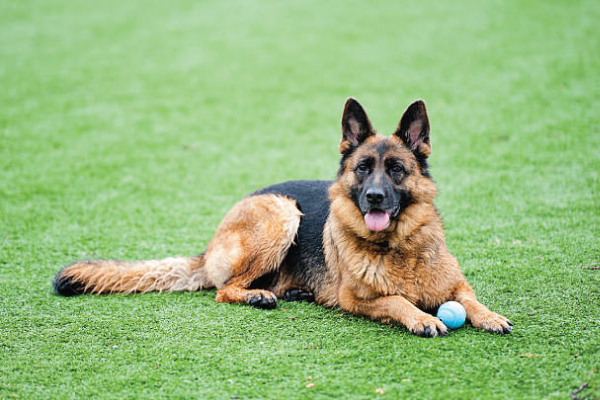
The wagging tail, the eager eyes, the boundless enthusiasm – bringing a new puppy into your life is an incredibly rewarding experience. It’s also a commitment, and one of the most crucial aspects of this commitment is establishing a strong bond marked by trust and clear communication. This is where early obedience training, grounded in the principles of positive reinforcement, becomes not just beneficial, but foundational to a harmonious relationship with your canine companion.
Too often, dog training conjures images of harsh commands, dominance struggles, and a stern, unyielding hand. But modern, science-backed approaches have revealed a far more effective and humane path: positive reinforcement. This method focuses on rewarding desired behaviors, building a positive association with learning, and fostering a partnership built on mutual respect and, most importantly, trust. In this extensive guide, we’ll delve deep into how positive reinforcement shapes early obedience training and why it’s the cornerstone of a well-adjusted, obedient, and happy dog.
The Foundation of Trust: Why It Matters in Dog Training
Before we dive into the mechanics of positive reinforcement, let’s understand why trust is the bedrock upon which all successful dog training is built. Dogs are sentient beings with complex emotional lives. Their interactions with us are shaped by their experiences, and these experiences dictate their willingness to learn, respond, and, ultimately, obey.
- Security and Predictability: A trusting dog feels secure. They understand what is expected of them and know that their efforts will be met with something positive, not punishment or confusion. This predictability reduces anxiety and stress.
- Willingness to Learn: When a dog trusts you, they are more likely to engage with you and your training efforts. They view training not as a chore or a threat, but as an enjoyable activity with their favorite person.
- Reduced Fear and Anxiety: Dogs trained with a focus on positive reinforcement are less likely to develop fear-based aggression or anxiety-related behaviors. They learn that humans are reliable sources of good things.
- Stronger Bond: The process of positive reinforcement is inherently bonding. It involves interaction, communication, and shared success, strengthening the emotional connection between dog and owner.
- Effective Communication: Trust allows for clearer communication. When a dog trusts your cues and understands the reward system, they are more likely to offer behaviors and respond to prompts.
What is Positive Reinforcement? A Deeper Dive
At its core, positive reinforcement is a principle of operant conditioning. This means we are influencing behavior through its consequences. In simple terms, positive reinforcement involves adding something the dog finds desirable immediately after they perform a desired behavior. This increases the likelihood that the dog will repeat that behavior in the future.
Let’s break down the two key components:
- Positive: In the context of animal behavior, “positive” means adding something. It does not mean “good” in the human sense.
- Reinforcement: This means strengthening or increasing a behavior.
So, when you give your puppy a small, tasty treat after they sit when you say “sit,” you are adding a desirable reward (the treat), which reinforces the “sit” behavior.
Commonly Used Positive Reinforcers:
- High-Value Treats: Small, soft, and extremely palatable treats like cooked chicken, cheese bits, hot dog pieces, or commercial training treats. The “high-value” aspect is crucial – these should be treats your dog absolutely loves and only gets during training.
- Praise and Affection: Enthusiastic verbal praise (“Good boy/girl!”, “Yes!”) and gentle petting or ear scratches.
- Toys and Play: A quick game of tug, a tossed ball, or a squeaky toy can be a powerful reinforcer for some dogs, especially those who are highly toy-motivated.
- Life Rewards: Access to something the dog wants, like opening the door to go outside after they sit patiently, or being allowed to greet a visitor after they remain calm.
Why is Positive Reinforcement So Effective for Early Obedience?
- It Builds Motivation: Dogs are motivated to repeat behaviors that lead to good outcomes. Positive reinforcement taps into this natural drive.
- It’s Enjoyable for Both: Training becomes a fun game rather than a battle of wills. This makes it a positive experience for both you and your puppy.
- It’s Humane and Ethical: It avoids pain, fear, and intimidation, which can have detrimental long-term effects on a dog’s well-being and behavior.
- It Creates Clear Communication: By consistently rewarding desired actions, you clearly communicate what you want your dog to do.
- It Fosters a Strong Bond: The shared positive experiences strengthen the human-animal bond, leading to a more harmonious relationship.
The Crucial Role of Timing and Consistency
While the concept of positive reinforcement is simple, its effectiveness hinges on two critical factors: timing and consistency.
Timing is Everything:
The reinforcement must occur immediately after the desired behavior. If you wait even a few seconds, your dog may not connect the reward with the action they performed.
- Example: If you’re teaching “sit,” and your puppy’s bottom touches the floor, that’s the exact moment you should deliver the treat and praise. Waiting until they’ve stood up again, or until you’ve moved away, will dilute the effectiveness.
- Using a Marker Signal: To bridge the gap between the behavior and the reward, many trainers use a “marker signal.” This is a sound or word that tells the dog, “Yes! That’s exactly what I want!” and signals that a reward is coming. Common markers include:
- A clicker: A small device that makes a distinct “click” sound.
- A word: A short, sharp word like “Yes!” or “Good!” (used consistently for this purpose).
With a clicker or marker word, you click or say the marker the very instant the behavior occurs, then immediately deliver the treat. This precise timing helps your dog understand exactly what earns them the reward.
Consistency is Key:
Everyone in the household needs to be on the same page. If one person rewards a behavior and another ignores or punishes it, your dog will become confused and their learning will be hindered.
- Unified Cues: Use the same verbal cues for commands (e.g., always “sit,” not “sit down” or “sit pretty”).
- Consistent Rewards: Understand what your dog finds rewarding and use those reinforcers consistently for the behaviors you want to encourage.
- Same Expectations: Ensure everyone is asking for the same behaviors in similar situations.
Early Obedience Skills Shaped by Positive Reinforcement
Positive reinforcement can be applied to a wide range of crucial early obedience behaviors. Let’s explore some of the most important ones:
- The Sit Command:
- How to Teach: Hold a treat near your puppy’s nose. Move the treat upwards and slightly back over their head. As their nose follows the treat, their rear end will naturally lower. The moment their bottom touches the floor, click (or say “Yes!”) and give them the treat and verbal praise.
- How Trust is Built: The puppy quickly learns that by lowering their rear, they get a reward from you. This is a simple, low-stakes interaction that builds their confidence and trust in your guidance.
- The Down Command:
- How to Teach: With your puppy in a sit, hold a treat at their nose level and slowly move it down towards the floor and then slightly away from them. Most puppies will follow the treat with their nose and naturally lower their body into a down position. Click/mark the moment their elbows touch the floor and reward.
- How Trust is Built: This behavior requires a bit more physical movement from the dog. Successfully following your lure and being rewarded reinforces their trust that you are guiding them towards positive outcomes.
- The Stay Command:
- How to Teach: After teaching “sit” or “down,” ask your puppy to sit or lie down. Say “Stay” and hold your hand out flat like a stop sign. Wait only a second or two, then return to your puppy and reward them while they are still in the stay position. Gradually increase the duration and distance.
- How Trust is Built: The concept of “stay” requires impulse control. By rewarding them for remaining in place, you teach them that waiting patiently is beneficial. This builds trust in your ability to release them and reward their self-control.
- Recall (Coming When Called):
- How to Teach: Start in a quiet, enclosed space. Get your puppy excited, then call their name followed by a cheerful “Come!”. When they turn towards you, praise them enthusiastically. As they approach, get down on their level, clap your hands, and when they reach you, shower them with high-value treats and praise. Never call your puppy to you if you intend to do something they dislike (like nail trimming or giving medication).
- How Trust is Built: This is paramount. Your puppy learns that coming to you is the best thing that can happen – it leads to amazing rewards and happy interaction. If they associate recall with punishment or unpleasantness, they will be less likely to come. This is the ultimate trust-builder: “When I hear my name and that special word, wonderful things happen!”
- Loose Leash Walking:
- How to Teach: Start with the leash on indoors. Reward your puppy for simply standing next to you without pulling. If they pull, stop moving. Wait for the leash to slacken (even a little bit as they look back at you or shift their weight) and then immediately praise and move forward.
- How Trust is Built: This teaches your puppy that walking calmly by your side is rewarding, not an opportunity to drag you. They learn to pay attention to your movements and cues, trusting that staying near you is the most productive way to get where they want to go.
- Impulse Control (e.g., Waiting for Food, Waiting at Doors):
- How to Teach: For feeding time, put the food bowl down but don’t let them eat until you say “Okay” or “Free.” If they lunge, pick the bowl up and try again. For doors, have them sit before you open the door.
- How Trust is Built: This teaches the dog patience and self-control, with the understanding that good things come from waiting for your permission. They trust that you will eventually allow them access.
The “Marker” – Your Communication Bridge
As mentioned earlier, a marker signal (like a clicker or a word) is an invaluable tool in positive reinforcement training. It acts as a verbal or auditory “snapshot” of the exact moment the dog performed the correct behavior.
- What it is NOT: The marker is not the reward itself. It’s a predictor of the reward.
- Why it Works: Dogs are incredibly adept at learning associations. By pairing the click/word with a high-value treat repeatedly, the click/word itself becomes a positive reinforcer. This allows for incredibly precise communication, especially when the reward (treat) can’t be delivered instantly due to distance or the nature of the behavior.
- “Charging” the Marker: To make your marker meaningful, you need to “charge” it. This involves pairing the click/word with a treat many times without asking for any behavior.
- Click/Say “Yes!”
- Immediately give a treat.
- Repeat 10-20 times.
- Do this a few times a day for a few days.
Your puppy will quickly associate the click/word with “something good is coming!” This makes your training sessions much more effective.
Avoiding Common Pitfalls: What NOT to Do
The effectiveness of positive reinforcement is so profound that it’s essential to understand what to avoid. The opposite of positive reinforcement often involves punishment, which can severely damage trust.
- Punishment: This involves adding something unpleasant (e.g., a leash jerk, a scolding voice, physical correction) or removing something pleasant (e.g., playtime) to decrease a behavior. While it might suppress a behavior in the short term, it rarely teaches the dog what to do instead, and it almost always erodes trust.
- Leash Corrections: Yanking on a leash can cause physical pain and fear, making the dog wary of the leash and you.
- Scolding/Yelling: A harsh tone can make a dog anxious and shutdown, rather than understand.
- Physical Force: Never hit or physically dominate your dog. This is unethical and incredibly damaging to your relationship.
- Ignoring Desired Behavior: If you only pay attention to your dog when they are misbehaving, they will learn that misbehavior is the way to get your attention.
- Inconsistent Cues: Using different words or hand signals for the same command confuses your dog and hinders their learning.
- Overly Harsh Rewards: If your “reward” is something your dog tolerates but doesn’t truly enjoy, your motivation will be low.
- Too Much Too Soon: Pushing your puppy too hard, for too long, or in too distracting an environment before they’ve mastered a skill can lead to frustration and setbacks for both of you.
Building a Puppy’s World on Positive Associations
Early obedience isn’t just about teaching cues; it’s about shaping your puppy’s entire experience of the world and their relationship with you. Positive reinforcement is the architect of this experience.
- Socialization: Properly socialized puppies aren’t just exposed to different sights and sounds. They have positive experiences during these exposures. If a new dog or person is introduced, and the puppy has a positive outcome (a treat, praise), they learn to associate novelty with good things.
- Handling and Grooming: Getting your puppy used to being touched, having their paws handled, ears checked, or mouth opened should be done gradually and with positive reinforcement. Reward them for calm tolerance, making them less fearful of these necessary interactions later.
- Vet Visits: By making vet visits a positive experience (treating for getting on the scale, being petted by the vet, etc.), you reduce anxiety around a critical aspect of their health.
The Long-Term Payoff: A Well-Adjusted Canine Companion
Investing time and effort into positive reinforcement-based early obedience training yields dividends that last a lifetime.
- Reduced Behavioral Problems: Dogs trained with positive methods are less likely to develop aggression, fear-based behaviors, separation anxiety, or destructive habits because their underlying needs for security, predictability, and positive interaction are met.
- Enhanced Trainability: A dog who trusts you and understands how to learn through positive reinforcement will be eager to learn new things throughout their life.
- Greater Freedom: A well-trained dog can be granted more freedom. They can be trusted off-leash in appropriate areas, can behave well in public, and can be a more integrated member of the family.
- Deeper Connection: The most profound reward is the incredibly strong, trusting bond you will share. You become your dog’s safe haven, their guide, and their most cherished companion.
Practical Tips for Implementing Positive Reinforcement Training
- Keep Sessions Short and Sweet: Puppies have short attention spans. Aim for 5-10 minute training sessions, several times a day, rather than one long, arduous session.
- Choose High-Value Rewards: What does your puppy go crazy for? Use that! Experiment to find what motivates them most.
- Manage the Environment: Set your puppy up for success. Start training in a quiet, distraction-free area. Gradually introduce distractions as your puppy gains confidence.
- Be Patient: Every dog learns at their own pace. Celebrate small victories and don’t get discouraged by setbacks.
- Fade the Treats Gradually: Once a behavior is reliably learned, start phasing out treats for every repetition. Mix in treats with praise, toys, and life rewards. The goal is for the dog to respond to the cue even without an immediate treat, but always keep them guessing when a treat might appear – this intermittent reinforcement is powerful.
- Listen to Your Dog: Pay attention to your puppy’s body language. If they are stressed, confused, or overwhelmed, take a break. Training should always be a positive experience.
- Seek Professional Guidance: If you’re struggling or want to refine your techniques, consider consulting a certified professional dog trainer who specializes in positive reinforcement methods.
Conclusion: The Joy of a Trust-Based Partnership
Building trust through positive reinforcement isn’t just about teaching your dog to sit or stay; it’s about building a lifelong partnership based on communication, understanding, and mutual affection. It’s about creating a dog who is confident, well-behaved, and genuinely happy sharing their life with you.
When your puppy looks to you for guidance, eager to please and confident in your positive responses, you know you’ve succeeded. This is the ultimate reward of positive reinforcement – a bond so strong, it’s built on a foundation of unwavering trust. Start today, be consistent, be patient, and watch your trust-based relationship flourish. The journey of training is just as important as the destination, and with positive reinforcement, it’s a journey filled with joy, connection, and the happy wag of a trusted friend.
#dogtrainer #dogsofinstagram #doglife #puppytraining #positivereinforcementtraining #doglover #instadog #dog #obedience #dogcommand #dogcommunication #trust #dogbond #puppylife #dogtrainingadvice #dogbehaviorist #happydogs #dogsofinsta #puppytips #dogsofyoutube







Add comment