
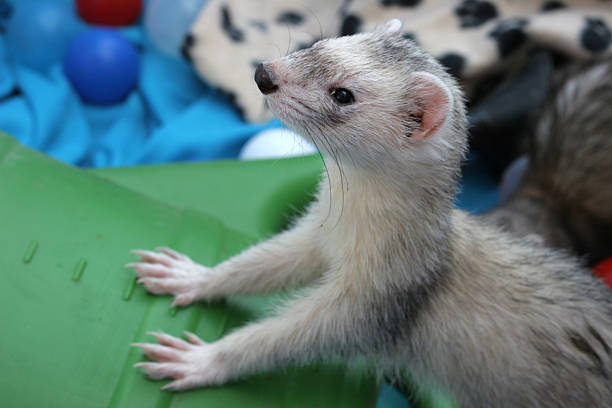
Ferrets, with their playful antics, curious nature, and distinctive ‘weasel war dance,’ have charmed their way into many homes as beloved pets. However, unlike cats or dogs, ferrets possess a unique physiology and a specific set of environmental needs that are often underestimated. One of the most critical, yet frequently overlooked, aspects of ferret care is the strategic placement of their cage. It might seem like a minor detail – just a box where they sleep and eat – but in reality, the location of a ferret’s enclosure is a foundational pillar supporting their overall health, safety, and psychological well-being.
Imagine a ferret’s cage not just as a dwelling, but as a microcosm of their world. Every element within that world, from the temperature and humidity to the ambient noise and exposure to potential hazards, is profoundly influenced by its immediate surroundings. A well-chosen cage location can prevent life-threatening heatstroke or hypothermia, protect against accidental poisoning or injury, and provide the mental stimulation necessary for a happy, healthy life. Conversely, a poorly chosen spot can lead to chronic stress, respiratory problems, behavioral issues, and even premature death.
This comprehensive guide will delve deep into the multifaceted considerations involved in selecting the “perfect” spot for your ferret’s cage. We will explore the critical role of temperature regulation, identifying the precise dangers of both extreme heat and cold. Safety will be paramount, as we meticulously outline how to safeguard your ferret from common household hazards, toxic substances, and interactions with other pets. Beyond mere survival, we’ll discuss how optimal placement can foster mental enrichment and social interaction, crucial for these intelligent and social creatures. Finally, we’ll offer practical advice on assessing your home, monitoring environmental conditions, and troubleshooting common challenges to ensure your ferret thrives in an environment perfectly tailored to their unique needs. Understanding and implementing these guidelines isn’t just about providing shelter; it’s about providing a sanctuary where your ferret can truly flourish.
Part 1: The Essential Role of Temperature
Ferrets are masters of adaptation in the wild, but domestic ferrets rely entirely on their human caregivers to maintain an appropriate environment. Their unique physiology makes them particularly susceptible to temperature extremes, making cage location a matter of life and death, not just comfort.
Ferrets and Thermoregulation: A Delicate Balance
Ferrets (and their wild ancestors) are mustelids, animals typically found in temperate climates. Their bodies are not designed to withstand drastic temperature fluctuations.
- Natural Physiology: Ferrets have a relatively high metabolic rate but a limited ability to sweat. They primarily regulate their body temperature through panting, controlling blood flow to the skin, and seeking warmer or cooler environments. Their dense fur coat, while excellent for insulation against cold, becomes a liability in heat.
- Ideal Temperature Range: The optimal ambient temperature for ferrets is generally between 18°C and 24°C (65°F and 75°F). Maintaining temperatures within this narrow band is crucial for their long-term health and comfort. Even short excursions outside this range can cause significant stress, and prolonged exposure can be fatal.
Dangers of Overheating (Hyperthermia)
Heatstroke is one of the most common and devastating dangers for ferrets, often leading to rapid decline and death. Ferrets are far more vulnerable to heat than they are to cold.
- Symptoms of Overheating:
- Lethargy, weakness, and decreased activity.
- Excessive panting, rapid breathing, and open-mouth breathing.
- Reddened gums and paw pads (due to vasodilation).
- Drooling or foaming at the mouth.
- Vomiting and diarrhea.
- Disorientation, stumbling, or seizures.
- Collapse and loss of consciousness.
- Body temperature above 40°C (104°F).
- Causes Related to Cage Location:
- Direct Sunlight: Placing a cage directly in front of a window, especially one that receives direct afternoon sun, is a major culprit. Even indirect sunlight through a window can create a greenhouse effect within the cage, raising temperatures rapidly. The sun moves throughout the day, so a spot that is shady in the morning might be bathed in intense light by the afternoon.
- Unventilated Rooms: Small, enclosed rooms with poor air circulation can quickly become heat traps, especially during warmer months. Basements or attics, which can fluctuate wildly in temperature, are generally unsuitable.
- Proximity to Heat Sources: Radiators, baseboard heaters, wood-burning stoves, fireplaces, and even kitchen ovens or stovetops can emit significant radiant heat. Placing a cage too close to these appliances will dramatically increase the cage temperature, even if the room itself feels comfortable. Electronic equipment that generates heat (e.g., large servers, refrigerators with poor ventilation) should also be considered.
- Inadequate Airflow within the Cage: While often addressed by cage design (wire cages), if a cage is crammed into a corner or against a wall without space for air to circulate around it, heat can build up inside.
- Hot Vehicles: While this guide focuses on home location, it’s worth noting that even short periods in a car on a warm day can quickly be fatal for a ferret due to rapid temperature increases inside a vehicle. Never leave a ferret unattended in a car.
- Long-Term Effects: Beyond immediate heatstroke, chronic exposure to temperatures at the upper end of their comfortable range (e.g., 25-27°C / 77-80°F) can lead to chronic stress, dehydration, and increased susceptibility to other illnesses due to a suppressed immune system. Organ damage can occur even before overt symptoms of heatstroke appear.
- Mitigation through Location:
- Avoid Windows: The most crucial rule. If a window is unavoidable, ensure it’s not south or west-facing, and use blackout curtains or reflective blinds to block sunlight.
- Central, Climate-Controlled Areas: Choose a room in the house that maintains a relatively stable temperature year-round, ideally one with central air conditioning or heating.
- Maintain Airflow: Ensure the cage is not pushed flush against walls or furniture, allowing for air circulation around all sides.
- Distance from Appliances: Keep the cage several feet away from any heat-emitting appliances or vents.
Dangers of Hypothermia (Cold Stress)
While ferrets tolerate cold better than heat due to their dense fur, extreme or prolonged cold can still be dangerous, particularly for very young, old, or sick ferrets.
- Symptoms of Hypothermia:
- Shivering (though not always prominent).
- Lethargy, sluggishness, and reduced activity.
- Cold to the touch, especially ears, nose, and paws.
- Pale gums.
- Hunched posture.
- Unresponsiveness or collapse in severe cases.
- Causes Related to Cage Location:
- Drafts: Placing a cage near a leaky window, exterior door, garage door, or even an air conditioning vent can expose the ferret to a constant, chilling draft. While ferrets need ventilation, a direct stream of cold air is detrimental.
- Unheated Rooms: Basements, garages, or infrequently heated spare rooms can drop to dangerously low temperatures, especially overnight or during cold snaps.
- Proximity to Cold Surfaces: Placing a cage directly against an uninsulated exterior wall or a cold window pane can conduct cold into the cage, creating a localized cold spot.
- Air Conditioning Vents: Similar to drafts, direct airflow from an AC vent can create a very cold microclimate within or around the cage.
- Long-Term Effects: Chronic cold stress can weaken a ferret’s immune system, making them more susceptible to respiratory infections (like canine distemper, which ferrets can contract), gastrointestinal issues, and general malaise. Frostbite can occur on extremities in extreme conditions, though this is rare in indoor environments.
- Mitigation through Location:
- Avoid Drafts: Physically locate the cage away from any perceived drafts. Test areas with your hand or a light piece of tissue paper.
- Insulation: Ensure the chosen room is adequately insulated. Avoid placing the cage directly against cold exterior walls.
- Away from AC Vents: Just like with heat vents, direct airflow from AC vents should be avoided.
- Provide Ample Bedding: While not strictly location-based, ensure the ferret has plenty of soft, clean bedding, hammocks, and sleep sacks within the cage to burrow into for warmth. This is especially important during cooler periods.
Measuring and Monitoring Temperature
- Importance of Thermometers: A reliable thermometer is not optional; it is essential. Place one in the room near the cage, and ideally, another inside the cage itself. This allows you to monitor the actual conditions your ferret is experiencing.
- Ambient vs. Cage Temperature: The room temperature might be 22°C (72°F), but if the cage is in direct sunlight, the internal cage temperature could easily be 30°C (86°F) or higher. Conversely, a draft could make the cage feel colder than the general room temperature.
- Seasonal Considerations: Your “perfect spot” in winter might become a death trap in summer. Be prepared to monitor and adjust cage position, add fans (not directly blowing on the ferret, but creating air circulation), cooling mats, or extra bedding as seasons change.
Humidity Considerations
While not as critical as temperature, suitable humidity levels are also important. Ideal humidity for ferrets is generally 40-60%.
- High Humidity: Coupled with high temperatures, high humidity can exacerbate the risk of heatstroke as it reduces the effectiveness of evaporative cooling (panting). It can also encourage mold growth in bedding.
- Low Humidity: Extremely dry air can irritate a ferret’s respiratory system, leading to dry skin, itching, and increased susceptibility to respiratory infections.
- Location Impact: Avoid placing cages in excessively damp areas (like some basements) or extremely dry environments (near very strong, dry heat sources).
By understanding these thermal principles and practicing vigilant monitoring, you can make informed decisions about cage placement that directly contribute to your ferret’s longevity and well-being.
Part 2: Safety First: Protecting Your Ferret
Temperature control is paramount, but it’s only one facet of establishing a safe environment. Ferrets are naturally inquisitive and prone to getting into trouble, making cage location a vital component of hazard prevention. Their small size, flexibility, and relentless curiosity mean that what might seem harmless to a human can be deadly to a ferret.
Hazard Identification and Mitigation through Location
A thorough “ferret’s eye view” of potential cage spots is crucial.
- 1. Toxic Substances: Ferrets explore the world with their mouths. Anything within reach, either inside or immediately outside the cage, is a potential ingestion hazard.
- Cleaning Supplies: Detergents, bleach, floor cleaners, furniture polish – even the fumes can be harmful. The cage should be far from laundry areas, cleaning supply closets, or areas where such chemicals are frequently used or stored.
- Plants: Many common houseplants are toxic to ferrets (e.g., lilies, poinsettias, philodendrons, ivy, aloe vera). Ensure no toxic plants are within chewing or climbing distance of the cage. Even “non-toxic” plants can cause digestive upset.
- Medications: Human and other pet medications left on counters or low shelves are extremely dangerous. The cage should be located in an area where medications are secured and out of reach.
- Human Foods: Chocolate, avocado, onions, garlic, grapes, raisins, alcohol, and caffeine are highly toxic. The kitchen, where these are often prepared or accidentally dropped, can be a risky location for a cage. Even if the cage itself is closed, if a ferret escapes, these items pose a threat.
- Pest Control Products: Rodenticides (rat/mouse poison), insecticides, sticky traps, and ant baits are lethal if ingested. If your home requires pest control, the ferret cage must be moved far away, and the ferret should not have access to treated areas. This usually means avoiding locations like garages, basements, or attics where pest issues are more common.
- Automotive Fluids: Garages are extremely dangerous due to antifreeze (which is sweet and attractive to animals but highly toxic), oil, gasoline, and other chemicals.
- 2. Electrical Hazards: Ferrets love to chew. Live electrical wires are tempting targets and a leading cause of accidental injury or death.
- Exposed Wires: Keep the cage away from any exposed electrical cords, even those for lamps or entertainment systems. If wires must be present, they should be securely covered with ferret-proof cord protectors or run through conduits out of reach.
- Outlets: Ensure outlets near the cage are covered if not in use, or that the cage is positioned so the ferret cannot access them from inside or outside the cage.
- Appliances: Avoid placing cages near appliances with accessible wiring (e.g., behind refrigerators, washing machines, or entertainment centers).
- 3. Other Pets and Animals:
- Predators: Dogs and cats, despite being beloved family members, are natural predators of ferrets. Even the gentlest dog or cat can accidentally injure a ferret during play or if startled. A ferret’s cage should be in a location where other pets cannot reach into it, knock it over, or constantly harass the ferret through the bars.
- Rodents/Insects: If you have rodent pests, their presence near the cage is a health risk for the ferret, as they can carry diseases. Furthermore, the use of pest control for these issues creates a secondary hazard.
- Birds/Reptiles: While less common, larger birds or snakes kept as pets should also be considered potential threats if their enclosures are unstable or if they could somehow interact with the ferret.
- 4. Small Children:
- Supervision: Children, especially toddlers, may not understand how to interact gently with animals or the importance of keeping the cage secure.
- Accidental Injury: A curious child might poke fingers into the cage, leave food or toys inside that aren’t ferret-safe, or even attempt to open the cage. A child could also accidentally knock over a cage or interfere with its stability.
- Location Strategy: Position the cage in a family area where adults can supervise interactions, but also high enough or in a corner where it’s not easily accessible to very young children without adult intervention. Consider a sturdy, heavy cage that is difficult to move or tip.
- 5. Escape Prevention:
- While the primary escape prevention mechanism is the cage itself, its location can be a secondary line of defense.
- Doors/Windows: If a ferret manages to escape its cage, an open external door or window in the same room could mean they’re gone for good. Position the cage away from frequently opened exits.
- Small Gaps: Ferrets can squeeze through unbelievably small spaces. Ensure the chosen location doesn’t have hidden gaps in walls, under doors, or behind appliances that a determined ferret could exploit.
- 6. Falling Objects:
- Avoid placing the cage directly under shelves, heavy picture frames, or unstable furniture that could potentially fall and injure the ferret or damage the cage.
- Ensure the cage itself is on a stable, level surface that won’t wobble or tip.
Ventilation and Air Quality
Ferrets have sensitive respiratory systems, making air quality a crucial safety consideration.
- Stagnant Air: Poor ventilation leads to the buildup of ammonia fumes from waste, which can irritate lung tissue and lead to respiratory problems. The cage should be in a room with good ambient airflow, but without direct drafts.
- Aerosols and Fumes:
- Cigarette Smoke: Absolutely prohibit smoking near your ferret’s cage. Second-hand smoke is extremely harmful and can cause chronic respiratory disease and cancer in ferrets.
- Strong Perfumes/Colognes: While generally less toxic than smoke, strong scents can irritate their sensitive noses and respiratory tracts.
- Essential Oil Diffusers: Many essential oils are toxic to pets, especially when inhaled or absorbed through the skin. Diffusers can spread these harmful compounds throughout the air. Keep diffusers far away from ferret cages, or better yet, avoid using them in the same household.
- Harsh Cleaning Fumes: When cleaning your ferret’s cage or the room it’s in, ensure excellent ventilation and consider moving the ferret temporarily if strong chemicals are used nearby.
- Air Fresheners: Plug-in air fresheners, spray fresheners, and even strong scented candles can release volatile organic compounds (VOCs) that are unhealthy for ferrets to breathe.
- Combustion Products: Avoid placing cages near gas appliances (stove, water heater) without proper ventilation, as incomplete combustion can release carbon monoxide or other harmful gases. Garages, workshops, or utility rooms are exceptionally poor choices for this reason, even if temperature controlled, due to vehicle exhaust, paint fumes, or chemical storage.
- Dust and Allergens: While harder to control by location alone, a cage in a very dusty area can contribute to respiratory irritation. Regular cleaning of the room and cage is essential.
By meticulously evaluating potential cage locations through the lens of these safety hazards, you can create an environment that protects your ferret from both overt and subtle threats, ensuring they live a long, healthy, and safe life.
Part 3: Optimizing for Well-being and Enrichment
Beyond mere survival and safety, the ideal cage location profoundly impacts a ferret’s mental and emotional well-being. Ferrets are intelligent, curious, and remarkably social animals, and their environment should be chosen to foster these inherent traits.
Social Interaction & Stimulation
Ferrets are not solitary creatures. In the wild, they live in social groups, and domestic ferrets thrive on interaction, both with other ferrets and with their human companions.
- The Problem of Isolation: Placing a ferret’s cage in a rarely used room, a basement, a garage, or a spare bedroom that sees little activity can lead to loneliness, boredom, and behavioral issues.
- Behavioral Consequences: A ferret deprived of stimulation may become lethargic, depressed, or exhibit repetitive behaviors (like pacing or cage biting). Some may become more prone to biting due to frustration or lack of interaction.
- Missed Opportunities: Isolation means fewer opportunities for supervised playtime, handling, and training, all of which are crucial for bonding and a well-adjusted pet.
- The Benefit of Integration:
- Common Areas are Key: The best location for a ferret’s cage is typically in a central, frequently used area of the home, such as a living room, family room, or even a large, safe kitchen (if temperature and hazard risks are meticulously managed).
- Observational Learning: Ferrets enjoy observing the activities of their human family. Being able to see and hear household goings-on provides mental stimulation and a sense of inclusion. This reduces boredom and helps them feel part of the “mischief” (the collective noun for ferrets!).
- Interaction: A prominent location encourages more frequent, short interactions throughout the day – a quick cuddle, a treat, or a brief play session, reinforcing their social bonds. This builds trust and positive associations with their caregivers.
- Visual Stimulation: While direct sunlight is harmful, natural ambient light and the ability to see out into the room provides visual enrichment. Ensure they have various levels and hiding spots within the cage to choose from, allowing them to participate in or retreat from activity as they wish.
Noise Levels
Just as with temperature, balance is key when it comes to ambient noise.
- Too Quiet vs. Too Loud:
- Extremely Quiet: A completely silent room can be unnerving and lack stimulus, contributing to boredom.
- Excessively Loud: Constant loud noise can be a source of chronic stress. This includes:
- Blaring TVs or Stereos: While background noise is fine, excessively loud entertainment systems can be disturbing.
- High-Traffic Areas: Locations near frequently slamming doors, busy entryways, or areas below a heavily trafficked staircase can be disruptive.
- Construction/Loud Machinery: If you live next to a construction site or have loud machinery operating nearby, position the cage as far away as possible.
- Children’s Play Areas: While beneficial for social exposure, a cage directly in the middle of a boisterous children’s play area might be too much.
- Balance: The ideal spot offers normal household sounds – conversation, TV at a moderate volume, cooking noises – without being overwhelming or jarring. It provides white noise and activity without being a constant barrage of loud stimuli. Ferrets are crepuscular (most active at dawn and dusk), so a certain level of quiet during their deeper sleep cycles is beneficial, but they can adapt to a household routine.
Lighting
Natural light cycles are critical for a ferret’s health, influencing their circadian rhythms, hormone production, and even seasonal fur growth.
- Natural Light Cycle:
- Importance: Exposure to natural light cues their bodies to differentiate between day and night, regulating sleep-wake cycles, melatonin production, and even reproductive cycles (though spayed/neutered ferrets are less affected by light cycles in this regard, their general well-being benefits).
- Avoid Constant Artificial Light: Placing a cage in a room that is always brightly lit, even at night, can disrupt their natural rhythms, leading to stress, sleep deprivation, and potentially health issues. Conversely, a perpetually dim or dark room is also detrimental.
- Indirect Natural Light: The ideal location provides access to indirect natural light from a window, allowing them to experience the normal ebb and flow of daylight and twilight. As reiterated previously, direct sunlight is dangerous and must be avoided.
- Darkness for Sleep: Ferrets sleep for long periods (14-18 hours a day). Their cage should allow for periods of darkness, either through natural nighttime darkness or by providing dark, enclosed sleeping areas within the cage (e.g., hammocks, sleep sacks, dens). If a room must remain lit, consider a partial cage cover to create a dark sleeping zone.
Access to Playtime
The cage is a home base, but ferrets require several hours of supervised playtime outside their cage daily. The cage location should facilitate this.
- Ease of Access: A cage located in a ferret-proofed room (or a room that can be easily made so) simplifies the routine of daily playtime. It avoids the need to transport the ferret through unsecured areas or constantly move furniture.
- Designated Play Space: Having the cage near a designated, safe ferret play area encourages more consistent and longer play sessions. This benefits both the ferret (through physical exercise and mental engagement) and the owner (through convenience and bonding).
- Consider Future-Proofing: When choosing a location, think about how it will work as your ferret ages or if you decide to get another ferret. An accessible location remains important throughout their lives.
By carefully considering these aspects of well-being and enrichment, you can ensure your ferret’s cage is not just a place of confinement, but a cornerstone of a stimulating, engaging, and ultimately fulfilling life.
Part 4: Practical Application & Troubleshooting
Finding the perfect spot for your ferret’s cage can feel like a daunting task, especially in homes with limitations. However, a systematic approach, combined with vigilant monitoring and creative problem-solving, can help you achieve an optimal environment.
Assessing Your Home: A Ferret’s Eye View
Before moving the cage, take the time to thoroughly assess potential locations.
- Walkthrough: Imagine you are a ferret. Get down on your hands and knees. What do you see? What can you smell? What can you reach?
- Temperature Check: Use a reliable thermometer to measure temperatures in different rooms throughout the day and night, over several days, to account for daily and seasonal fluctuations. Pay particular attention to areas near windows, vents, and heat sources.
- Draft Detection: Hold a lit candle or a light piece of tissue paper in potential locations to identify subtle drafts from windows, doors, or under eaves.
- Hazard Scan: Look for exposed wires, toxic plants, chemicals, unsecured medications, small gaps, and unstable objects. Imagine a ferret escaping and exploring the space around the proposed cage site.
- Noise Audit: Spend time in potential rooms at various times of the day to gauge typical noise levels.
- Light Assessment: Observe how natural light enters the room throughout the day. Identify areas of direct sunlight versus consistent indirect light.
- Social Integration: Consider which common areas allow for observation and interaction without constant disturbance.
Monitoring and Adjusting
The “perfect spot” isn’t static; it requires ongoing attention.
- Observe Ferret Behavior: Your ferret is the best indicator of their comfort.
- Are they active and playful, or lethargic?
- Are they sleeping soundly, or restless?
- Are they frequently seeking out the coolest/warmest spots in the cage?
- Are they exhibiting repetitive behaviors like pacing or cage biting, suggesting boredom or stress?
- Use Thermometers Religiously: Keep a thermometer in the room and, if possible, one inside the cage to confirm the actual temperatures your ferret is experiencing. If temperatures drift outside the 18-24°C (65-75°F) range, it’s time to act.
- Seasonal Changes: Be prepared to re-evaluate and adjust cage placement seasonally. A spot that is ideal in winter might be too hot in summer, or vice-versa. This might mean shifting the cage a few feet, adding a fan, or closing/opening curtains.
Temporary Solutions for Temperature Extremes
Even in an ideally located cage, extreme weather events can occur. Having temporary solutions ready is key.
- During Heatwaves:
- Cooling Mats: Pet-safe cooling mats (often gel-filled) can be placed in one area of the cage.
- Frozen Water Bottles/Ice Packs: Wrap frozen water bottles or ice packs in towels and place them in the cage. Ensure the ferret cannot chew through them.
- Fans (Indirect): A fan can be used to circulate air in the room, but never direct a fan right at the cage, as this can cause drafts and isn’t effective for cooling a ferret’s body directly. Aim it at a wall to create ambient air movement.
- Shallow Water: A very shallow dish of cool water (too shallow to drown in, but enough to dab paws or belly) can offer some relief, but most ferrets don’t readily use it for cooling.
- Hydration: Always ensure fresh, cool water is available, ideally in multiple bottles/bowls.
- Relocation: For severe heat, temporarily move the cage to the coolest part of the house (e.g., an air-conditioned bedroom).
- During Cold Snaps:
- Extra Bedding: Provide an abundance of soft, fleecy bedding, hammocks, and sleep sacks for burrowing.
- Cage Covers (Partial): A heavy blanket or quilt can be draped over part of the cage (leaving ample ventilation), creating a warmer microclimate. Never cover the entire cage, as this restricts airflow.
- Space Heaters (Extreme Caution): If a room is genuinely too cold, a space heater can be used, but must be placed far away from the cage and monitored continuously. Overheating and fire risk are significant. Never point directly at the cage. Ensure the ferret cannot access the heater even if they escape.
- Insulation: If the cage is against a cold exterior wall, consider placing a piece of rigid foam insulation or a thick blanket between the cage and the wall.
Multi-Ferrets Considerations
If you have multiple ferrets, the principles remain the same, but the need for space and robust housing becomes even more critical.
- Larger Cage: Multiple ferrets require significantly more space within their cage to avoid conflict and allow for individual resting spots.
- Increased Waste: More ferrets mean more waste, necessitating even better ventilation and more frequent cleaning to prevent ammonia buildup.
- Social Dynamics: While multi-ferret households often benefit from social interaction, ensure the location allows them to retreat from each other if needed, especially during sleep.
What if the “Perfect Spot” Doesn’t Exist?
Many homes aren’t ideal. If you can’t find a truly perfect spot, you’ll need to make compromises and implement active management strategies.
- Compromises:
- Dedicated Ferret Room: If space allows, converting a spare room into a dedicated ferret habitat gives you maximum control over the environment, but still requires attention to climate control and safety within that room.
- Climate Control: Invest in a window AC unit, humidifier, or dehumidifier to gain more control over temperature and humidity in the chosen room.
- Strategic Furniture Placement: Use furniture or room dividers to create a protected zone for the cage, shielding it from drafts, direct sun, or heavy traffic.
- Active Management: If your chosen spot is “good enough” but not perfect, you must be prepared to be more vigilant.
- Daily Monitoring: Check temperatures multiple times a day.
- Proactive Adjustments: Move a fan, close curtains, add bedding before the ferret shows signs of distress.
- Increased Playtime: If boredom is a concern due to a less-than-ideal social location, compensate with more frequent and engaging out-of-cage playtime.
By embracing a proactive and flexible approach, you can overcome many challenges in finding and maintaining a suitable cage location, ensuring your ferret enjoys a safe, comfortable, and enriching life.
Conclusion
The placement of a ferret’s cage is far more than a matter of convenience; it is a critical, ongoing responsibility that profoundly impacts every aspect of their existence. From the subtle nuances of temperature regulation to the blatant dangers of household hazards, every choice regarding location directly translates into the quality—and often the length—of a ferret’s life.
We have traversed the vital landscape of thermal management, understanding why these mustelids are exquisitely vulnerable to both heatstroke and hypothermia, emphasizing the narrow band of ideal temperatures they require. We’ve dissected the myriad safety threats lurking in an unsuitable environment, from toxic substances and electrical dangers to predatory pets and the unpredictable actions of small children. Crucially, we’ve also moved beyond mere survival, highlighting how an intelligently chosen location can foster mental enrichment, vital social interaction, appropriate light cycles, and accessible playtime—components essential for a truly happy and well-adjusted ferret.
Ultimately, providing a ferret with the “perfect” spot is a commitment to their holistic well-being. It requires thoughtful assessment, continuous monitoring, and the flexibility to adapt to changing seasons and circumstances. It means seeing your home through their sensitive eyes and tiny, inquisitive noses. By implementing the guidelines laid out in this comprehensive guide, ferret owners can transcend basic care, transforming a simple enclosure into a sanctuary that supports a lifetime of health, safety, and joyous ferret antics. Your diligent consideration of cage location is a testament to your dedication and the first step toward ensuring your extraordinary companion thrives.
#Ferrets, #FerretCare, #FerretLove, #PetFerrets, #FerretHealth, #FerretSafety, #CageLocation, #PetCareTips, #ExoticPets, #FerretTemperature, #FerretHeatStroke, #FerretHypothermia, #FerretHousing, #FerretEnvironment, #HappyFerrets, #FerretVibes, #Mustelid, #FerretOwner, #FerretsOfInstagram, #PetSafety, #AnimalCare, #FerretsWorldwide, #FerretsAreAwesome, #FerretLife.





Add comment