

Calcium and phosphorus are essential minerals that play crucial roles in avian physiology, particularly in ducks. These two minerals work in close synergy to support skeletal development, eggshell formation, neuromuscular function, and various enzymatic processes. An imbalance between calcium and phosphorus—whether due to deficiency, excess, or improper ratios—can lead to serious health complications in ducks at any stage of life. This comprehensive guide delves into the causes, signs and symptoms, breed-specific vulnerabilities, affected life stages, diagnostic methods, treatment protocols, prognosis, complications, prevention strategies, dietary requirements, and zoonotic risks associated with calcium/phosphorus imbalances in ducks.
Understanding Calcium and Phosphorus in Duck Physiology
Calcium (Ca) and phosphorus (P) are the most abundant minerals in the avian body and are primarily stored in bones and eggshells. In ducks, calcium is especially critical during the egg-laying phase, where hens may mobilize up to 10% of their skeletal calcium daily to form eggshells. Phosphorus, on the other hand, is involved in energy metabolism (ATP production), nucleic acid synthesis, and acid-base balance.
The ideal dietary calcium-to-phosphorus ratio for ducks varies by life stage. For growing ducks (poults), a ratio of 1.2:1 to 1.5:1 is generally recommended. For laying ducks, the calcium requirement increases dramatically—up to 3–4% of total ration—while phosphorus remains around 0.5–0.7%, resulting in a higher calcium-to-phosphorus ratio of approximately 5:1 to 7:1 during peak egg production.
When the balance between these minerals is disrupted, ducks can develop metabolic bone diseases (MBD), reproductive disorders, poor growth, and even death. The interplay between calcium and phosphorus is regulated by parathyroid hormone (PTH), vitamin D3 (cholecalciferol), and calcitonin. Vitamin D3, synthesized in the skin upon exposure to UVB light or obtained from diet, is essential for intestinal absorption of calcium. Therefore, deficiencies in vitamin D3 can mimic calcium deficiency even if dietary calcium levels are adequate.
Causes of Calcium/Phosphorus Imbalance in Ducks
Several factors can contribute to calcium and phosphorus imbalances in ducks:
1. Nutritional Deficiencies
The most common cause is an inadequate diet lacking sufficient calcium or phosphorus. Many backyard duck owners feed ducks inappropriate diets such as layer pellets formulated for chickens, which may not meet the unique mineral needs of ducks. Additionally, feeding only scratch grains or table scraps—low in calcium and imbalanced in minerals—can induce deficiencies.
2. Improper Calcium-to-Phosphorus Ratio
Even if total mineral intake appears adequate, an incorrect ratio can impair utilization. Excess phosphorus relative to calcium binds calcium in the gut, forming insoluble calcium phosphate complexes that are excreted. This leads to functional hypocalcemia despite sufficient calcium intake.
3. Vitamin D3 Deficiency
Vitamin D3 is essential for calcium absorption in the intestines. Ducks raised indoors, without access to natural sunlight or UVB lighting, often develop vitamin D3 deficiency. This limits calcium absorption and triggers secondary hyperparathyroidism, where the parathyroid glands overproduce PTH to maintain serum calcium, leading to bone demineralization.
4. High Phytate Diets
Plant-based feeds contain phytates (phytic acid), which bind calcium and phosphorus, reducing their bioavailability. Diets high in corn, wheat, or soy without phytase enzyme supplementation can contribute to mineral deficiencies.
5. Kidney Dysfunction
Renal disease can impair phosphate excretion, leading to hyperphosphatemia, which in turn lowers serum calcium levels. This imbalance can exacerbate bone resorption and soft tissue calcification.
6. Mycotoxin Contamination
Mycotoxins in moldy feed (e.g., aflatoxins, ochratoxins) can damage the liver and kidneys, impairing vitamin D3 activation and mineral metabolism.
7. Rapid Growth and Egg Production
Young, fast-growing ducks and laying hens have dramatically higher calcium demands. Without proper supplementation, these high-demand phases can quickly deplete calcium reserves.
8. Parasitic or Infectious Diseases
Gastrointestinal parasites (e.g., coccidiosis) or bacterial infections can damage the intestinal lining, compromising nutrient absorption, including calcium and phosphorus.
Signs and Symptoms of Calcium/Phosphorus Imbalance
Calcium/phosphorus imbalance manifests in both acute and chronic forms, depending on the severity and duration of the deficiency or excess. Early signs are often subtle but progress rapidly if untreated.
1. Skeletal Deformities and Lameness
One of the hallmark signs of calcium deficiency is weakened or deformed bones. Ducks may exhibit bowed legs, spinal curvatures (kyphosis or scoliosis), enlarged joints, or swollen hocks. Affected birds have difficulty standing or walking, often sitting on their hocks or dragging their legs.
2. Soft-Shelled or Thin-Shelled Eggs
In laying ducks, hypocalcemia leads to poor eggshell quality. Eggs may be misshapen, rubbery, or completely shell-less. Repeated laying of poor-quality eggs increases the risk of egg binding (dystocia).
3. Egg Binding
Egg binding is a life-threatening condition where an egg becomes lodged in the oviduct. It is often secondary to calcium deficiency, as weak uterine muscle contractions (due to hypocalcemia) fail to expel the egg properly. Symptoms include straining, fluffed feathers, lethargy, and sitting in a “penguin stance” with tail elevated.
4. Muscle Tremors and Seizures
Severe hypocalcemia can cause neuromuscular irritability, leading to muscle twitching, tremors, or seizures. Ducks may fall over or experience opisthotonos (arching of the neck and back).
5. Reduced Growth and Poor Feathering
Young ducks with mineral imbalances show stunted growth, delayed feather development, and poor weight gain.
6. Beak and Claw Deformities
The beak and claws are metabolically active tissues that require calcium for proper development. Soft, overgrown, or misshapen beaks and claws may be early indicators of bone mineralization disorders.
7. Lethargy and Reduced Appetite
Affected ducks often appear depressed, inactive, and eat less, exacerbating the problem through reduced nutrient intake.
8. Fractures and Spontaneous Bone Breaks
Weakened bones are prone to fractures, even from minimal trauma. Rib fractures or vertebral collapses may occur.
9. Abnormal Posture
Ducks may sit with their legs splayed out laterally, stand with a wide stance for balance, or be unable to stand at all.
10. Reduced Egg Production
Laying hens may cease egg production entirely due to metabolic stress and calcium depletion.
Duck Breeds at Risk (With Explanation)
While all ducks can suffer from calcium/phosphorus imbalance, certain breeds are at higher risk due to genetic predispositions, growth rates, or egg-laying capacity.
1. Pekin Ducks
Pekin ducks are the most commonly raised breed for both meat and eggs. They grow rapidly and are prolific layers, making them highly susceptible to calcium depletion, especially in intensive or commercial settings. Their fast growth rate increases demand for skeletal mineralization, while high egg output taxes calcium reserves. Without proper dietary calcium and vitamin D3 supplementation, Pekins frequently develop rickets as poults and osteoporosis or cage layer fatigue as adults.
2. Khaki Campbells
Renowned for their exceptional egg-laying capacity (up to 300 eggs per year), Khaki Campbells have extremely high calcium demands. Their continuous laying cycle depletes bone calcium stores rapidly, making them prone to osteomalacia and egg binding. Many backyard keepers underestimate their nutritional needs, feeding them standard poultry feed not designed for such high output. Their smaller frame compared to Pekins also means less bone mass to draw from, increasing their vulnerability.
3. Indian Runner Ducks
Indian Runners are active, upright-standing ducks bred for egg production. Their unique conformation places more stress on their skeletal system, particularly the legs and spine. Calcium deficiency can lead to spinal deformities and leg weakness, impairing their characteristic “running” gait. Additionally, their high energy expenditure in foraging increases nutrient requirements, including minerals.
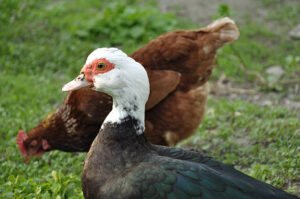
4. Muscovy Ducks
Muscovies have a slower growth rate than Pekins, but they are prone to developmental skeletal issues if raised on imbalanced diets. Their larger size and longer maturation period require sustained mineral intake. Female Muscovies, though less prolific than Khaki Campbells, still lay substantial clutches and can suffer from reproductive complications if calcium is lacking.
5. Hybrid Layers (e.g., White Layer Hybrids)
Commercial hybrid ducks bred specifically for egg production have been genetically selected for maximized output. This intense production puts enormous stress on their endocrine and skeletal systems. These ducks often require specialized high-calcium diets and are highly sensitive to nutritional imbalances.
6. Call Ducks and Other Miniature Breeds
While small in size, miniature breeds like Call ducks still lay proportionally large eggs, increasing calcium demands relative to body mass. Their tiny skeletons have limited mineral storage capacity, making them vulnerable to rapid depletion. Poorly formulated diets can quickly lead to soft bones and egg-binding.
Affected Life Stages
Calcium and phosphorus imbalances can affect ducks at all life stages, but certain phases are particularly vulnerable:
1. Poults (0–8 Weeks)
This is the critical growth phase where skeletal development is rapid. Calcium and phosphorus are essential for bone ossification. Deficiencies during this stage lead to rickets, characterized by weak, soft, and deformed bones. Poults may show stunted growth, lameness, and reluctance to move. Excess calcium during this stage can also be detrimental, causing impaired phosphorus absorption and kidney damage.
2. Growers (9–18 Weeks)
As ducks approach sexual maturity, their skeletal system continues to mineralize. An improper Ca:P ratio can delay maturation or result in weak bones that cannot support future egg-laying demands. This stage is crucial for building up calcium reserves.
3. Start of Lay (18–22 Weeks)
The onset of egg production places sudden, high demand on calcium. Ducks must transition to a high-calcium diet (3–4% calcium) well before the first egg. Failure to do so results in rapid calcium depletion, poor shell quality, and increased risk of egg binding.
4. Peak Production (6–12 Months)
Laying ducks in peak production are at highest risk of calcium deficiency. Daily eggshell formation requires 2 grams of calcium per egg. Without adequate dietary intake and mineral reserves, ducks mobilize calcium from bones, leading to osteoporosis and bone fragility.
5. Molting and Non-Laying Periods
During molting or seasonal non-laying periods, calcium demand drops. However, maintaining a balanced diet is still important for bone remineralization and future production. Switching to a low-calcium maintenance diet during breaks is recommended to prevent kidney calcification.
6. Aging Ducks (2+ Years)
Older ducks may suffer from accumulated bone loss, especially if they were heavily used for egg production. They are prone to fractures and mobility issues. Proper nutrition and reduced stress are essential in senior ducks.
Diagnosis of Calcium/Phosphorus Imbalance
Accurate diagnosis requires a combination of clinical signs, history, laboratory tests, and sometimes imaging.
1. Clinical Evaluation
Veterinarians begin with a physical examination, assessing posture, gait, bone rigidity, beak and claw condition, and overall body condition. Signs such as lameness, soft bones, and egg binding are strong indicators.
2. Dietary History
A detailed dietary review is critical. This includes feed type, supplements, access to sunlight, treats, and foraging behavior. Homemade or unconventional diets are common culprits.
3. Blood Tests
Serum biochemistry panels can reveal:
- Low ionized calcium (hypocalcemia)
- Elevated phosphorus (hyperphosphatemia) or low levels
- Elevated alkaline phosphatase (ALP) – a marker of bone turnover
- Low vitamin D3 levels (measured as 25-hydroxycholecalciferol)
4. Radiography (X-rays)
X-rays can show decreased bone density, thin cortices, fractures, or bone deformities. Egg binding can also be confirmed radiographically.
5. Bone Biopsy (Rare)
In research settings, bone ash content or histology may be used to assess mineralization, but this is not routine in clinical practice.
6. Post-Mortem Examination
In fatal cases, necropsy may reveal soft, pliable bones, spontaneous fractures, visceral gout (in cases of kidney damage), or egg-related complications.
Treatment of Calcium/Phosphorus Imbalance
Treatment must be prompt, multi-faceted, and tailored to the severity of the condition.
1. Immediate Calcium Supplementation
For acute hypocalcemia (e.g., egg binding, seizures), injectable calcium gluconate (10%) is administered subcutaneously or intravenously under veterinary supervision. Oral calcium (e.g., calcium carbonate or liquid supplements) can be given to stable ducks using a syringe.
2. Correcting the Diet
Switch to a balanced, species-appropriate feed:
- For growing ducks: Waterfowl starter/grower with 0.9–1.0% calcium and 0.4–0.5% phosphorus.
- For laying ducks: Waterfowl layer feed with 2.5–4% calcium and proper vitamin D3.
- Avoid chicken layer feed, which may contain medications (e.g., coccidiostats) toxic to ducks.
3. Provide Calcium-Rich Supplements
Offer oyster shell or limestone grit free-choice to laying ducks. These insoluble calcium sources are stored in the gizzard and released slowly to support eggshell formation.
4. Vitamin D3 Supplementation
If sunlight exposure is limited, administer vitamin D3 orally or via injection. UVB lighting (290–320 nm wavelength) should be provided for 8–12 hours daily.
5. Supportive Care
- Keep affected ducks warm, quiet, and stress-free.
- Hand-feed if necessary.
- Provide soft bedding to prevent pressure sores.
- Assist with mobility if needed.
6. Treating Egg Binding
In addition to calcium, treatment may include:
- Lubrication and gentle manual extraction
- Oxytocin or prostaglandin to stimulate contractions
- Warm water soaks to relax muscles
- In severe cases, surgical intervention or salpingotomy may be required.
7. Correcting Phosphorus Imbalance
If phosphorus is excessive, reduce high-phosphorus feeds (e.g., meat scraps, fish meal). If phosphorus is deficient, add monocalcium phosphate to the diet, but always maintain proper Ca:P ratio.
8. Addressing Secondary Issues
Treat underlying infections, parasites, or organ dysfunction that may impair mineral metabolism.
Prognosis and Complications
Prognosis depends on early detection and intervention.
- Good Prognosis: Ducks with mild deficiencies, treated promptly with diet correction and supplementation, often recover fully within weeks.
- Guarded Prognosis: Birds with severe bone deformities, fractures, or chronic egg binding may have permanent disabilities.
- Poor Prognosis: Ducks in advanced stages with renal failure, seizures, or septicemia from egg yolk peritonitis often do not survive.
Complications May Include:
- Osteoporosis and Pathological Fractures
Chronic calcium loss weakens bones, increasing risk of spontaneous breaks. - Egg Yolk Peritonitis
Retained eggs or yolk leakage into the abdominal cavity cause inflammation and infection, often fatal. - Renal Damage
Excessive calcium or vitamin D can lead to nephrocalcinosis (calcium deposits in kidneys), impairing function. - Permanent Skeletal Deformities
Poults with rickets may develop irreversible bone curvatures affecting mobility and quality of life. - Reduced Lifespan and Productivity
Chronic imbalance shortens lifespan and reduces egg production. - Secondary Infections
Immobility and poor health increase susceptibility to respiratory and skin infections.
Prevention of Calcium/Phosphorus Imbalance
Prevention is far more effective than treatment.
1. Feed a Balanced Diet
Use commercially formulated waterfowl feeds tailored to age and production status. Avoid chicken feeds unless explicitly approved for ducks.
2. Provide Free-Choice Calcium
Always offer oyster shell or limestone to laying ducks. Monitor intake—low consumption may indicate disease.
3. Ensure Adequate Sunlight or UVB Lighting
Allow ducks daily access to natural sunlight. For indoor flocks, install full-spectrum UVB lights (replace every 6 months).
4. Avoid High-Phytate Diets
Limit pure grain diets. If feeding plant-based meals, consider phytase enzyme supplements.
5. Limit Treats
Treats should not exceed 10% of the diet. Avoid bread, crackers, and processed foods low in minerals.
6. Regular Health Monitoring
Observe flock daily for lameness, soft-shelled eggs, or behavioral changes.
7. Quarantine and Deworm
Prevent parasitic infections that impair nutrient absorption.
8. Rotate Feeds by Life Stage
Switch from grower to layer feed at point-of-lay, and provide maintenance ration during non-laying periods.
9. Water Quality
Ensure clean, fresh water free of contaminants that may affect mineral metabolism.
10. Breed Considerations
Adjust feeding programs based on breed-specific demands (e.g., higher calcium for layers).
Diet and Nutrition: Optimal Requirements
A well-balanced diet is the cornerstone of mineral homeostasis.
Nutrient Requirements by Stage:
| Life Stage | Calcium (%) | Phosphorus (%) | Ca:P Ratio | Key Notes |
|---|---|---|---|---|
| Poult (0–4 wks) | 0.9–1.0 | 0.45–0.5 | 1.2–1.5:1 | High needs for bone growth |
| Grower (5–18 wks) | 0.8–0.9 | 0.4–0.45 | 1.5–2:1 | Steady mineralization |
| Laying Duck | 2.5–4.0 | 0.5–0.7 | 5–7:1 | Eggshell formation |
| Maintenance | 0.6–0.8 | 0.4–0.5 | 1.5:1 | Non-laying adults |
Key Dietary Components:
- Calcium Sources: Oyster shell, limestone, calcium carbonate, bone meal (ensure freedom from pathogens).
- Phosphorus Sources: Dicalcium phosphate, meat meal, fish meal, plant proteins.
- Vitamin D3: Cod liver oil, irradiated yeast, fortified feeds.
- Vitamin K and Magnesium: Support bone health and calcium metabolism.
Feeding Tips:
- Separate calcium supplement from main feed for layers to prevent overconsumption by non-layers.
- Use pelleted or crumbled feeds to ensure uniform nutrient distribution.
- Store feed in cool, dry place to prevent mold and vitamin degradation.
Zoonotic Risk
Calcium/phosphorus imbalance in ducks is not zoonotic. The condition is metabolic and species-specific, arising from nutritional or physiological factors within the bird. It cannot be transmitted to humans.
However, there are indirect zoonotic concerns:
- Salmonella or E. coli may be present in eggs or droppings of sick ducks. Always practice good hygiene when handling birds or eggs.
- Mycotoxins in moldy feed can affect both ducks and humans if contaminated grain is consumed.
- Antibiotics or supplements used in treatment require withdrawal periods if eggs or meat are consumed.
Thus, while the imbalance itself poses no direct zoonotic threat, biosecurity and food safety practices should be maintained.
Conclusion
Calcium and phosphorus imbalance is a preventable yet serious condition affecting ducks across all ages and breeds. It stems primarily from nutritional mismanagement, especially improper Ca:P ratios and vitamin D3 deficiency. Pekin, Khaki Campbell, and Indian Runner ducks are particularly susceptible due to their high production demands. Clinical signs range from skeletal deformities to egg binding and seizures. Diagnosis involves clinical assessment, blood work, and imaging. Treatment includes calcium supplementation, diet correction, and supportive care. Prognosis is favorable with early intervention, but complications like fractures and renal damage may be permanent.
Prevention is achieved through species-appropriate feeding, free-choice calcium, UVB exposure, and regular health monitoring. A well-balanced diet tailored to life stage and breed ensures optimal health, longevity, and productivity. While no zoonotic risk is associated with the imbalance itself, responsible husbandry practices protect both bird and human health.
Duck keepers—whether backyard enthusiasts or commercial producers—must prioritize mineral nutrition to prevent this widespread and debilitating disorder. With informed care, ducks can thrive, lay strong eggs, and live active, healthy lives.
#DuckHealth, #CalciumForDucks, #DuckNutrition, #HealthyDucks, #BackyardDucks, #DuckCare, #DuckKeeping, #PoultryHealth, #DuckBreeds, #EggBinding, #SoftShelledEggs, #MetabolicBoneDisease, #RicketsInDucks, #DuckDiet, #OysterShellForDucks, #VitaminD3ForDucks, #WaterfowlHealth, #DuckLayingProblems, #DuckFarmers, #DuckVet, #DuckChickCare, #DuckGrowingTips, #DuckEggProduction, #DuckWellness, #PreventDuckDiseases, #DuckHusbandry, #KeepDucksHealthy, #DuckTips, #DuckEnthusiast, #DuckLife




Add comment