
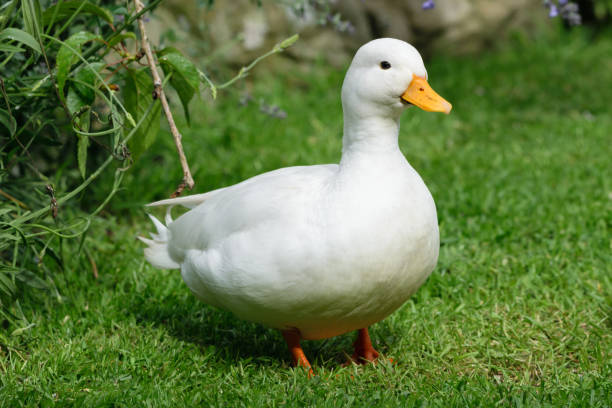
The Call Duck, also known simply as the Call, is one of the smallest and most distinctive duck breeds known for its miniature size, vocal nature, and charming personality. Originally developed in the Netherlands and England, this breed was historically used as a decoy to attract wild ducks into traps during hunting. Over time, their striking appearance, gentle temperament, and unique call have made them popular pets, show birds, and backyard companions. Known for their loud and high-pitched quacks—despite their size—Call Ducks have carved a niche in both ornamental and utility poultry circles.
Despite their small frame, Call Ducks are active and intelligent birds capable of forming strong bonds with humans. Their compact build and low maintenance requirements make them ideal for small-scale homesteads, urban poultry keepers, and even indoor settings (with proper provisions). This comprehensive guide will delve deep into every aspect of the Call Duck breed, from history and biology to modern-day care, breeding, and environmental impact—providing aspiring and advanced keepers with exhaustive knowledge for successful management.
Other Names & Synonyms
Call Ducks are known by a variety of names across regions and historical contexts. These include:
- Decoy Duck – Reflecting their traditional use in hunting.
- Decoy Bird – Alternate variation of the above.
- Bantam Duck – Due to their small, miniature stature.
- Huttevaag – A Dutch term meaning “cage bird,” referring to their historical breeding in enclosures.
- Widgeon Duck – Sometimes used erroneously, though not taxonomically related to actual widgeons.
- English Call Duck – Used to distinguish them from similar miniature breeds.
- Dwarf Duck – A generic term highlighting their diminutive size.
- Laurel Duck – Historical misnomer, now largely obsolete.
- Pocket Duck – A colloquial, modern nickname used in online poultry communities.
- Miniature Duck – Common descriptive term, especially in pet trade circles.
These synonyms reflect regional history, breeding traditions, and evolving perceptions of the breed—from hunting tool to cherished companion animal.
Primary Breed Purpose
Call Ducks were originally bred as decoy birds in the 17th and 18th centuries, primarily in the Netherlands and later refined in England. Hunters would keep them in cages or pens near wetlands and use their loud, high-pitched calls to lure wild ducks into close range for capture or shooting. Their call, which is disproportionately loud for their size, made them exceptionally effective tools in waterfowl hunting.
However, with the decline of live-decoy hunting, especially where it was outlawed, the purpose of the Call Duck shifted dramatically. Today, their primary purposes include:
- Exhibition and Show Birds – Call Ducks are frequently seen at poultry shows due to their standardized appearance, distinctive posture, and variety of color patterns.
- Pets and Companions – Their small size, curious nature, and vocal interaction make them ideal for families and individuals seeking engaging backyard birds.
- Egg Production (Limited) – While not prolific layers, they do produce small eggs regularly and are kept by some hobbyists for ornamental egg collections.
- Educational Purposes – Call Ducks are used in schools, therapy programs, and 4-H clubs due to their tameness and ease of handling.
- Conservation Breeding Programs – Some organizations maintain heritage lines of Call Ducks to preserve genetic diversity within domestic waterfowl.
Despite their utility decline in hunting, Call Ducks continue to thrive in specialized and recreational roles.
Physical Characteristics
Call Ducks are immediately recognizable due to their unique physical traits. They are the smallest of all domestic duck breeds and exhibit a compact, rounded body shape.
Key Features:
- Size & Posture: Tiny, with a high, upright stance. They often appear hunched or arched at the back.
- Head: Large and round relative to body size, with a short, broad bill.
- Bill: Short, wide, and slightly upturned, often with a colored spot near the tip (especially in certain color varieties).
- Neck: Short and thick, contributing to their compact silhouette.
- Body: Rounded, plump, and tightly feathered, with a broad chest and short legs set wide apart.
- Legs & Feet: Short legs with webbed feet; typically orange or pinkish in color.
- Tail: Often held high, sometimes slightly curled.
- Feather Texture: Dense and soft, providing excellent insulation despite the bird’s small size.
- Plumage Colors: Varieties include:
- White (most common)
- Black
- Blue
- Chocolate
- Apricot
- Penciled (white with delicate black markings)
- Gray (wild-type)
- Buff
- Silver
- Trout (mottled pattern)
Gender Differences:
- Males (drakes) are generally larger and develop a slight curl in the tail feathers.
- Males also produce a softer, raspy “wheeze” compared to the sharp, loud quacks of females.
Their diminutive beauty and variety in plumage make Call Ducks favorites among breeders and show enthusiasts.
Weight & Growth Curve
Call Ducks are lightweight and show rapid growth in early stages, maturing faster than larger breeds.
Weight Ranges:
- Adult Females (Hens): 16–20 oz (450–570 grams)
- Adult Males (Drakes): 18–25 oz (510–700 grams)
- Day-Old Ducklings: 30–40 grams
Growth Curve:
- 0–2 Weeks: Rapid initial growth; weight gain from ~35g to ~100g. Require heat (90°F in brooder).
- 2–4 Weeks: Weight doubles; feathers begin to replace down. Brooder temp drops to 75–80°F.
- 4–6 Weeks: Development of waterproofing. Feathers fully grow in; can transition to outdoor housing with protection.
- 6–12 Weeks: Steady weight gain; reach 80–90% of adult size.
- 16–20 Weeks: Fully mature. Sexual maturity reached; hens may begin laying.
Due to their small size, overfeeding can lead to obesity and health problems. Proper nutrition and controlled feeding are crucial.
Climatic Tolerances
Call Ducks are surprisingly adaptable to various climates, but their small size makes them more vulnerable than larger duck breeds.
Cold Climate Considerations:
- Tolerance: Can survive in cold climates down to 20°F (-6°C) if provided with proper shelter.
- Insulation: Their dense plumage provides moderate insulation, but extremities (feet, bills) are prone to frostbite.
- Shelter Requirements: Must have a dry, draft-free coop with adequate bedding (straw or wood shavings). Access to unfrozen water is essential to maintain nasal health.
- Heating: Not usually needed, but supplemental heat lamps can be used cautiously in extreme cold.
Hot Climate Considerations:
- Tolerance: Moderate. They fare better than larger ducks due to small body mass but are still susceptible to heat stress.
- Water Access: Constant access to cool, clean water for drinking and splashing is crucial.
- Shade & Ventilation: Coops and runs must provide ample shade and airflow.
- Cooling Measures: Misting stations, frozen water bottles, and shaded mud wallows help regulate body temperature.
Humidity & Rain:
- Call Ducks thrive in moist environments. Frequent rain is beneficial as long as shelters are available.
- High humidity is generally well-tolerated, but wet bedding can promote mold and bacteria—maintaining dryness is key.
Overall, with thoughtful management, Call Ducks can be raised in temperate, cold, and warm climates alike.
Reproduction & Egg Production
Call Ducks are capable of natural reproduction and can be excellent parents if allowed to incubate their own eggs.
Egg Production:
- Laying Age: Hens begin laying at 5–7 months.
- Egg Size: Small (1.5–2 oz or 43–57 grams), roughly half the size of a standard chicken egg.
- Egg Color: White to off-white, sometimes with a slight tint (cream or pale blue).
- Laying Frequency: 60–100 eggs per year, depending on genetics, diet, and season.
- Seasonality: Most productive in spring and summer; many go broody or stop laying in winter unless under artificial lighting.
- Broodiness: Moderate tendency. Hens can be strongly broody and excellent mothers.
Breeding Practices:
- Drake-to-Hen Ratio: 1 drake per 3–5 hens to prevent over-mating and injury.
- Fertility Rates: High when breeding pairs are healthy and properly matched.
- Incubation:
- Natural: 26–28 days under a broody hen.
- Artificial: 25–27 days in an incubator at 99.5°F, 55% humidity (increased to 70% in hatching phase).
- Hatch Rate: 70–85% under optimal conditions.
Due to their small size, hatchlings require extra care in the first days. Broody hens often provide better early survival rates than artificial incubation.
Flying Ability
Call Ducks are poor fliers due to their compact, rounded body shape and wing structure.
- Flight Range: Limited to short hops or flutters—usually less than 10 feet.
- Height: May jump up to 2–3 feet to escape predators or reach higher perches.
- Wing Clipping: Not typically necessary, but some keepers trim primary flight feathers for absolute containment.
- Enclosure Needs: A 3–4 ft high fence is usually sufficient. Since they cannot gain sustained flight, open runs are safe in predator-controlled areas.
Their inability to fly makes them easier to contain than more agile breeds like Mallards or Runner Ducks.
Breed History & Origin
The Call Duck traces its origins to the Netherlands in the 1600s, where it was developed as a decoy bird for wild duck hunting. Dutch hunters—known as “wildfowlers”—kept these small, vocal ducks in cages near marshes and used their calls to attract passing flocks of wild ducks.
By the 18th century, the breed had made its way to England, where it was refined for both performance and appearance. English breeders standardized body conformation and developed many of the color varieties still recognized today.
By the 19th century, the practice of live decoying was increasingly frowned upon and later banned in many regions. As a result, the breed’s purpose shifted toward ornamental and exhibition roles.
In the 20th century, Call Ducks were introduced to North America, where they gained popularity among small-scale poultry keepers and show breeders. The American Poultry Association (APA) officially recognized several color varieties in the American Standard of Perfection.
Today, the Call Duck is considered a heritage breed by organizations like the Livestock Conservancy, which lists it as “Watch” status due to declining numbers in purebred populations.
Life Expectancy
With proper care, Call Ducks can live significantly longer than many assume.
- Average Lifespan: 8–12 years
- Exceptional Cases: Up to 15 years with excellent care, predator protection, and balanced diet.
Factors influencing longevity:
- Predation: A leading cause of premature death. Proper enclosures are essential.
- Diet: Obesity and malnutrition reduce lifespan.
- Healthcare: Regular monitoring and prompt treatment of ailments improve survival.
- Environment: Clean water, dry bedding, and low-stress housing extend life.
- Genetics: Well-bred birds from reputable stock tend to live longer and be healthier.
As companion animals, many Call Ducks become beloved family members with individual personalities and long-term bonds.
Common Health Issues
While generally hardy, Call Ducks are prone to certain health problems, especially if husbandry standards are lacking.
1. Obesity
- Cause: Overfeeding, lack of exercise, and high-calorie treats.
- Symptoms: Waddling gait, labored breathing, reduced mobility.
- Prevention: Limit treats, provide foraging opportunities, and maintain a balanced diet.
2. Angel Wing
- Cause: Excess protein or calories in growing ducklings, leading to deformed wing joints.
- Symptoms: One or both wings stick out laterally instead of lying flat.
- Prevention: Feed waterfowl-specific starter (18–20% protein), avoid medicated chick feed.
3. Respiratory Infections
- Cause: Poor ventilation, damp bedding, or exposure to wild birds.
- Symptoms: Nasal discharge, wheezing, gasping.
- Treatment: Isolate, provide warmth, and consult a veterinarian. Antibiotics if bacterial.
4. Bumblefoot
- Cause: Injury to footpad, leading to bacterial infection and abscess.
- Symptoms: Swollen, red foot with black scab.
- Prevention: Smooth flooring, clean bedding, avoid sharp objects in runs.
5. Internal Parasites
- Cause: Worms from contaminated soil or wild bird exposure.
- Symptoms: Weight loss, lethargy, poor feathering.
- Treatment: Regular deworming with fenbendazole or natural alternatives (diatomaceous earth—use cautiously).
6. Egg Binding
- Cause: Calcium deficiency, obesity, or stress.
- Symptoms: Sitting constantly, straining, lack of droppings.
- Emergency: Warm bath, calcium gel, and vet assistance.
Preventive care—clean environments, balanced nutrition, and regular observation—goes a long way in avoiding health complications.
Breeding & Genetics – Tips for the Advanced Keeper
For experienced breeders, maintaining genetic purity, improving conformation, and managing color genetics are key objectives.
1. Selective Breeding Goals
- Type: Select birds with correct upright posture, compact body, and proper bill length.
- Color: Breed true to standard; avoid crossing color varieties unless developing new lines.
- Voice: Cull birds with weak or atypical calls if maintaining decoy lines.
2. Genetic Considerations
- Autosomal Recessive Traits: Some colors (e.g., apricot, chocolate) require two copies of a gene.
- Dilution Genes: Blue and lavender are dilution variants—breeding two blues can yield 25% black, 50% blue, 25% splash (lethal white in ducks).
- Sex-Linked Traits: Limited, but bill color spots can vary by sex in some lines.
3. Avoiding Inbreeding
- Maintain a breeding group of at least 10–15 birds.
- Rotate stock or bring in new genetics every 3–5 generations.
- Track pedigrees to prevent close inbreeding.
4. Incubation & Hatch Management
- Use breeder eggs no older than 7 days.
- Candle eggs at Day 7 and Day 14 to monitor development.
- Avoid opening incubator during hatch (Days 25–27) to prevent humidity drop.
5. Duckling Care
- Brood at 90°F, decreasing 5°F per week.
- Provide non-medicated waterfowl starter with niacin supplement.
- Prevent drowning with shallow water dishes (marbles or pebbles in water can help).
6. Show Preparation
- Groom regularly: clean bills, trim claws, bathe before shows.
- Condition with high-quality feed 2–3 weeks prior.
Advanced keepers may also participate in breed societies, contribute to conservation efforts, and maintain rare color lines.
Nutritional Requirements
Call Ducks have specific nutritional needs that differ from chickens.
1. Starter Feed (0–6 Weeks)
- Protein: 18–20%, specifically formulated for waterfowl (not medicated chick starter).
- Niacin: Critical for bone and leg development; add brewer’s yeast to diet (1–2 tbsp per cup of feed).
2. Grower Feed (6–18 Weeks)
- Protein: 15–16%
- Transition slowly from starter; continue niacin supplementation.
3. Maintenance Feed (Adults)
- Protein: 12–14%
- Use layer pellets or crumbles only if hens are laying; otherwise, avoid high-calcium feeds.
- Supplement with fresh greens, vegetables, and mealworms.
4. Water Access
- Constant fresh water for drinking and bill cleaning.
- Shallow dishes to prevent drowning in ducklings.
5. Treats & Foraging
- Safe treats: peas, corn, lettuce, zucchini, oats.
- Avoid: avocado, chocolate, onions, salty foods.
- Allow foraging for insects and grass—improves health and reduces feed costs.
6. Calcium Supplementation
- Provide oyster shell or crushed eggshells free-choice for laying hens.
Poor nutrition, especially niacin deficiency, leads to leg deformities and poor feathering.
Housing & Environmental Design
Despite their size, Call Ducks need well-designed housing to stay healthy and safe.
Coop Requirements:
- Floor Space: 2–3 sq ft per duck inside the coop.
- Ventilation: High, draft-free airflow to prevent ammonia buildup.
- Bedding: Straw or wood shavings; changed regularly.
- Nesting Boxes: 12″x12″ boxes with soft bedding; one per 3–4 hens.
- Predator Proofing: Secure locks, hardware cloth (1/2″ mesh), elevated coops.
Run & Outdoor Access:
- Space: 8–10 sq ft per duck minimum; more is better.
- Fencing: 3–4 ft high is usually sufficient; bury bottom 6 inches to deter diggers.
- Cover: Use shade cloths or natural vegetation to protect from sun and aerial predators.
- Water Feature: Small kiddie pool or duck pond (4–6 inches deep) for splashing and cleaning.
Winter vs. Summer Adjustments:
- Winter: Insulate walls, prevent freezing water, provide windbreaks.
- Summer: Add shade, misters, and frozen water bottles.
Consider mobility—small coops on wheels allow rotation for pasture access and land regeneration.
Behavioral Traits & Enrichment
Call Ducks are intelligent, social, and vocal birds with distinct personalities.
Behavioral Traits:
- Vocalization: Known for loud, sharp quacks—females are especially vocal during dawn, dusk, and when excited.
- Curiosity: Highly inquisitive; will investigate new objects, sounds, and people.
- Social Structure: Flock-oriented; lonely ducks may become stressed or depressed.
- Tameness: Can become hand-tame with regular interaction.
- Playfulness: Enjoy chasing moving objects, splashing water, and foraging.
Enrichment Ideas:
- Foraging Mats: Hide treats in straw or puzzle feeders.
- Floating Toys: Ping pong balls or duck-safe toys in water.
- Obstacle Courses: Tunnels, ramps, and low hurdles.
- Companionship: Keep in groups of at least 2–3.
- Human Interaction: Daily handling, gentle talking, and supervised free-range time.
Stimulating environments prevent boredom and undesirable behaviors such as feather pecking.
Economic Considerations
While not major commercial producers, Call Ducks offer economic value in niche markets.
Initial Setup Costs:
- Coop & Run: $200–$500
- Feed & Supplies: $100/year
- Ducklings: $5–$15 each (show quality: $25–$100)
- Incubator (optional): $100–$200
Revenue Streams:
- Hatchlings: Sell ducklings to pet owners or breeders ($10–$50 each).
- Show Birds: Premium prices for exhibition-quality birds.
- Eggs: Small, decorative eggs for collectors or baking ($3–$5 per dozen).
- Manure: High-nitrogen fertilizer for gardens.
- Therapy or Educational Programs: Partner with local schools or care homes.
Cost-Benefit Analysis:
- Call Ducks are not profitable at scale like meat ducks but can break even or generate modest income for small homesteads.
- Their value lies in companionship, sustainability, and educational benefits.
Environmental Impact
Call Ducks have a relatively low environmental footprint when managed responsibly.
Positive Impacts:
- Pest Control: Eat slugs, snails, flies, and mosquito larvae.
- Soil Aeration: Foraging helps break up soil.
- Low Resource Use: Require less feed and space than larger livestock.
Negative Considerations:
- Water Pollution: Concentrated manure in ponds can cause algae blooms.
- Invasive Risk: If escaped, they could interbreed with wild populations (though rare due to poor survival).
- Predation: Attract predators to residential areas.
Sustainable Practices:
- Rotate grazing areas.
- Use manure composting systems.
- Provide clean, contained water sources.
When integrated into permaculture or backyard ecosystems, Call Ducks contribute positively to biodiversity and nutrient cycling.
Conclusion
The Call Duck is a miniature marvel—packed with personality, history, and charm. From their origins as cunning decoys to their modern roles as pets and show birds, they continue to captivate poultry enthusiasts worldwide. Their small size makes them accessible to urban and suburban keepers, while their vocal nature and social behavior foster deep human-animal bonds.
Understanding their unique needs—nutrition, housing, health, and genetics—is essential for successful stewardship. Whether you’re a novice seeking a delightful companion or an advanced breeder aiming for championship lines, the Call Duck offers endless rewards.
By preserving this heritage breed, supporting ethical breeding, and promoting responsible ownership, we ensure that the cheerful quack of the Call Duck continues to echo in backyards and barnyards for generations to come.
Frequently Asked Questions (FAQs)
1. Are Call Ducks good pets?
Yes! They are friendly, social, and highly trainable. Excellent for families and small spaces.
2. Do Call Ducks fly away?
No. They can only flutter short distances and are easily contained.
3. How loud are Call Ducks?
Very. Females have a sharp, high-pitched quack used historically to attract wild ducks.
4. Can Call Ducks live with chickens?
Yes, but supervise initially. Ducks are messier and need more water.
5. Do they need a pond?
Not essential, but they enjoy shallow water for splashing and bill cleaning.
6. How many eggs do they lay?
60–100 small eggs per year, mostly in spring and summer.
7. Are they cold-hardy?
Moderately. Provide dry shelter and prevent frostbite in extreme cold.
8. What do you feed a Call Duck?
Waterfowl-specific starter, grower, and maintenance feed with added niacin.
9. Can they be potty trained?
Not reliably, but they can be trained to certain areas with consistency.
10. How long do Call Ducks live?
Typically 8–12 years, sometimes up to 15 with good care.
11. Are they prone to predators?
Yes. Always secure them at night and monitor during free-range.
12. Can you eat Call Duck eggs?
Yes, though small. Great for baking or pickling.
13. Do they need a drake to lay eggs?
No. Hens lay eggs without a male, but they won’t be fertile.
14. Are they good mothers?
Yes, many are broody and excellent at raising ducklings.
15. Where can I buy Call Ducks?
From reputable breeders, hatcheries, or poultry shows.
#CallDuck, #MiniatureDuck, #BantamDuck, #DuckPet, #BackyardDucks, #DuckCare, #DuckLovers, #UrbanHomesteading, #PoultryKeepers, #DuckBreeding, #DuckLife, #TinyDucks, #DecoyDuck, #HeritageBreed, #DuckEggs, #DuckHousing, #DuckHealth, #DuckBehavior, #Waterfowl, #DuckEnrichment, #ShowDucks, #PoultryFarming, #DuckNutrition, #DuckCoop, #DuckGarden, #SustainableLiving, #DuckKeeper, #DuckMom, #DuckHobby, #RaisingDucks, #DuckTips, #FowlLife, #DuckPhotography, #DuckVideos, #DuckTraining, #SmallFarm, #HomesteadLife, #BackyardPoultry, #DuckCareGuide, #PetDucks
Add comment