
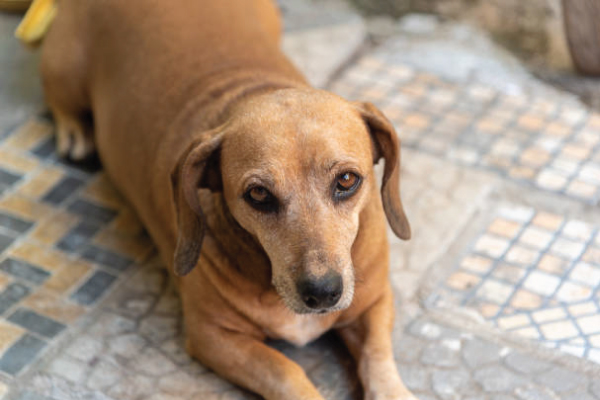
Grooming your dog should be a bonding experience, a way to maintain their health, hygiene, and comfort. However, for many owners, it can be a stressful ordeal if their canine companion suffers from anxiety or fear, particularly around grooming tools and procedures. This comprehensive guide will equip you with the knowledge and techniques to transform grooming from a battle into a manageable, and even positive, experience for your anxious or fearful dog.
Understanding the Root of the Fear:
Before we dive into solutions, it’s crucial to understand why your dog might be anxious or fearful of grooming. Common reasons include:
- Past Negative Experiences: A traumatic grooming session (painful clipping, being restrained forcefully, loud noises) can leave lasting scars.
- Lack of Socialization: Dogs not exposed to various sights, sounds, and sensations as puppies may be more fearful of new experiences, including grooming.
- Sensory Overload: Loud noises from clippers, the feel of water, the vibration of brushes, or the smell of grooming products can be overwhelming for some dogs.
- Physical Discomfort: Underlying medical conditions (arthritis, skin infections, ear problems) can make grooming painful.
- Breed Predispositions: Some breeds are naturally more sensitive or prone to anxiety.
- Owner Anxiety: Dogs are incredibly perceptive and can pick up on your stress and frustration, which can escalate their own fear.
The Golden Rule: Patience, Positive Reinforcement, and Gradual Desensitization
This is the cornerstone of successful grooming for anxious dogs. Rushing the process or forcing your dog will only reinforce their fear. Every step needs to be associated with positive experiences and done at your dog’s pace.
Phase 1: Building Positive Associations (Before You Even Touch a Grooming Tool)
This phase is about making grooming-related items and environments a source of good things.
- The “Grooming Station” as a Happy Place:
- Designate a Calm Area: Choose a quiet room with minimal distractions. This could be a bathroom, laundry room, or even a corner of a living room.
- Make it Inviting: Place a comfortable mat or bed in the area. Have his favorite toys readily available.
- Treat Drops: Simply have your dog spend time in this area. When he enters, calmly drop high-value treats (small pieces of chicken, cheese, hot dog) as he explores. No grooming is involved yet. The goal is for him to associate this space with good things.
- Introducing Grooming Tools (Without Using Them):
- “Look at This!” Game: Show your dog a brush, comb, shampoo bottle, or even nail clippers. The moment he looks at it, praise enthusiastically and give a treat. Put the item away immediately. Repeat this daily, gradually increasing the duration he sees the item before getting a reward.
- “Sniff and See” Station: Place the grooming tools on the floor in his happy place. Let him investigate at his own pace. Reward any calm sniffing or sniffing without fear. If he shows signs of stress, move the items further away and try again later.
- “Tool Touch” Game: Once he’s comfortable with the tools being present, gently touch him with a turned-off clipper, a dry brush head, or a closed nail file. Immediately reward with praise and a treat. The key is to be super gentle and quick.
Phase 2: Gradual Desensitization & Counter-Conditioning to Specific Grooming Procedures
This is where you start introducing the actual grooming actions, always pairing them with rewards.
1. Brushing and Combing:
- Start Gentle: Begin with a soft-bristle brush or a comb with widely spaced teeth.
- Short Bursts: Brush for just a few seconds at a time, in areas your dog enjoys being touched (e.g., shoulders, back).
- “Brush and Treat”: As you brush a small section, deliver a treat. Stop before he shows any signs of discomfort.
- Gradual Increase: Slowly increase the duration of brushing and the areas you groom. If he seems stressed, go back to shorter sessions.
- “Happy Hands” Technique: When you’re not grooming, practice gentle petting and massage in grooming areas. This helps him get used to being handled there.
2. Bathing:
- The Tub as a Treat Spot: Before you ever turn on the water, let him stand in the dry tub or shower stall with a non-slip mat. Toss treats in it, have him walk through it.
- Water Introduction: Start by just running a trickle of water in a far corner of the tub while he’s in it (dry, but ready). Reward him for remaining calm.
- “Water Spritz” Game: Use a spray bottle filled with plain water and lightly mist him from a distance. Reward any calm reaction.
- Warm Water is Key: Always use Lukewarm water. Test it on your wrist.
- Gentle Shampooing: Use a mild, dog-specific shampoo. Lather a small area, rinse quickly, and reward. Gradually increase the areas you wash.
- Avoid the Face: Be extra cautious around the face. Use a damp cloth instead of direct water.
- Towel Drying Fun: Make towel drying a game. Use a soft, absorbent towel and gentle rubbing. Incorporate praise and treats.
- Blow Dryer (Optional & Careful): If you must use a blow dryer, introduce it slowly and gradually.
- Start with the dryer turned off nearby. Reward him for calm behavior.
- Turn the dryer on a low heat and low speed setting from a significant distance. Reward calm behavior.
- Gradually decrease the distance and increase the duration.
- NEVER point it directly at his face.
- Many anxious dogs do well with air-drying or simply towel-drying.
3. Nail Trimming:
This is often the most feared grooming task.
- Build Trust First: Ensure your dog is comfortable with you touching his paws and holding them. Practice this regularly with gentle massage and treats.
- Introduce Clippers/Grinders: Use the “Look at This!” and “Tool Touch” games described earlier.
- “Clip and Treat”: Touch the nail with the clippers (without clipping) and immediately treat.
- The “One Clip” Method: If your dog is severely fearful, start by clipping just the very tip of one nail, then immediately give a high-value treat and stop. Gradually increase to two nails, then three, and so on.
- The “Quick” Factor: Be aware of the quick (the pink part of the nail containing blood vessels). Cutting into it is painful and will cause bleeding, reinforcing fear. If you’re unsure, only snip off the very tip.
- Nail Grinders: Some dogs are less fearful of the vibration of a grinder than the snap of clippers. Introduce grinders slowly, like clippers, starting with the tool off and gradually introducing the sound and vibration.
- Positive Reinforcement is CRITICAL: This is where treats are your best friend. Make each successful clip a cause for celebration.
- Consider Styptic Powder: Have styptic powder ready in case of accidental quicking.
4. Ear Cleaning:
- Gentle Paw Handling: Again, start with comfortable paw and ear handling.
- Ear Solution Introduction: Show him the ear cleaning solution bottle. Reward sniffing.
- “Ear Touch” Game: Gently touch his ear with a cotton ball or a corner of the cleaning wipe. Reward.
- Apply Solution (Slowly): If he tolerates it, gently squirt a small amount of ear solution into his ear (as directed by your vet). Massage the base of the ear for a few seconds, then let him shake. Offer a treat.
- Wipe Gently: Use a cotton ball to gently wipe away debris.
- Frequency: Don’t over-clean. Follow your vet’s recommendations.
Phase 3: Maintaining Calm During Grooming Sessions
- Keep Sessions Short and Sweet: It’s better to have multiple very short, positive sessions than one long, stressful one.
- High-Value Rewards: Use treats he absolutely loves and doesn’t get at other times.
- Calm and Confident Demeanor: Your dog mirrors your emotions. Speak in a calm, soothing voice. Avoid rushing or showing frustration.
- Praise Extravagantly: Every small success deserves enthusiastic praise.
- Know When to Stop: If your dog is showing escalating signs of stress (panting, yawning, lip licking, whale eye, trembling, trying to escape), stop immediately. End on a positive note if possible (e.g., a quick treat and praise for sitting still for a second).
- Breaks are Essential: Don’t be afraid to take short breaks during a grooming session.
- Distraction Techniques: A lick mat smeared with peanut butter or yogurt can be a great distraction during certain procedures.
Phase 4: When to Seek Professional Help
Even with the best efforts, some dogs require professional intervention.
- Severe Anxiety or Aggression: If your dog exhibits extreme fear, aggression, or is a danger to themselves or the groomer, it’s time to consult a professional.
- Underlying Medical Issues: If you suspect pain or discomfort is the root cause, a veterinarian can diagnose and treat it.
- Professional Groomers with Fear-Free Certification: Look for groomers who specialize in anxious or fearful dogs. Many are certified in fear-free techniques and can work with your dog safely and effectively.
- Veterinary Behaviorists: For severe cases of anxiety or phobias, a veterinary behaviorist can create a comprehensive behavior modification plan.
Important Considerations & Tips:
- Consistency is Key: Regular, short grooming sessions are more effective than infrequent, long ones.
- Never Punish Fear: Punishing a fearful dog will only increase their anxiety and damage your bond.
- End on a Positive Note: Always try to end a grooming session with something positive, even if it’s just a quick treat and praise for a moment of calm.
- Be Patient: This process takes time. Celebrate small victories and don’t get discouraged by setbacks.
- Delegate if Necessary: If you’re struggling, consider having another family member assist, as long as they are also calm and patient.
- Consider Calming Aids (with vet consultation): For some dogs, natural calming supplements, pheromone diffusers, or ThunderShirts might offer additional support. Always discuss these with your veterinarian first.
- Grooming Gloves: For dogs sensitive to brushes, grooming gloves can be a gentler alternative for light shedding.
Creating a Grooming Routine for Your Anxious Dog:
Work through the phases gradually. It might take weeks or even months to reach a point where your dog tolerates grooming.
- Week 1-2: Foundation & Association: Focus solely on making the grooming area and tools a positive experience without any actual grooming.
- Week 3-4: Gentle Touches: Introduce very brief touches with brushes and gentle handling of paws and ears.
- Month 2-3: Short Grooming Sessions: Begin short, successful grooming sessions focusing on one or two tasks at a time (e.g., a few minutes of brushing, a quick paw touch).
- Ongoing: Continue with short, positive sessions, gradually increasing duration and complexity as your dog gains confidence.
Conclusion:
Grooming an anxious or fearful dog requires a significant investment of time, patience, and understanding. By implementing a strategy of gradual desensitization, positive reinforcement, and a calm demeanor, you can help your dog overcome their fears and make grooming a more peaceful and even enjoyable experience for both of you. Remember, every dog is an individual, so adapt these techniques to suit your dog’s specific needs and progress. Your dedication will not only lead to a cleaner, healthier dog but also a stronger, more trusting relationship.
================
#DogGrooming, #AnxiousDog, #FearfulDog, #DogAnxiety, #PetGrooming, #CalmingDogs, #PositiveGrooming, #GentleGrooming, #StressFreeGrooming, #DogTraining, #BehaviorModification, #PositiveReinforcement, #Desensitization, #GroomingTips, #DogBehavior, #HappyDog, #DogCare, #PetWellness, #NervousDog






Add comment