
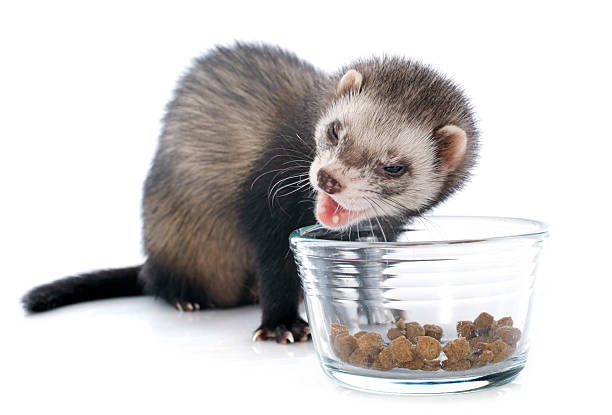
Campylobacteriosis is a bacterial infection caused by species of the genus Campylobacter, primarily Campylobacter jejuni and Campylobacter upsaliensis, which are significant pathogens in both human and veterinary medicine. In ferrets (Mustela putorius furo), the disease presents as a zoonotic condition, meaning it can transmit between animals and humans. This article provides an in-depth exploration of the causes, clinical manifestations, diagnostics, treatments, and preventive measures for Campylobacteriosis in ferrets, while emphasizing its zoonotic potential and the critical role of nutrition and hygiene.
2. Causes and Transmission of Campylobacteriosis in Ferrets
Bacterial Sources and Strains
- Campylobacter jejuni and C. upsaliensis are the primary species implicated in ferrets.
- These bacteria thrive in warm, moist environments and are common in avian and mammalian gastrointestinal tracts.
- Ferrets can act as asymptomatic carriers, posing long-term risks of transmission.
Transmission Pathways
- Fecal-Oral Route: Contaminated food, water, or bedding (e.g., from infected ferrets, poultry, or other animals).
- Direct Contact: Interaction with infected animals, particularly in multi-ferret households or breeding facilities.
- Environmental Contamination: Poor hygiene in cages or shared feeding areas.
- Zoonotic Transmission: Humans acquiring the infection via contact with ferret feces or undercooked meat handled during care.
Risk Factors
- Immunosuppressive conditions (e.g., diabetes, adrenal disease in ferrets).
- Stress-induced immunosuppression (e.g., from overcrowding or transport).
- Young ferrets (<6 months) with immature immune systems.
- Poorly maintained hygiene in enclosures.
3. Signs and Symptoms in Ferrets
Clinical Manifestations
- Diarrhea:
- Watery, mucoid, or blood-tinged stools (a hallmark symptom).
- Variable frequency and duration (acute or chronic).
- Abdominal Discomfort:
- Restlessness, reluctance to eat, or posturing in a hunched position.
- Systemic Signs:
- Lethargy, weight loss, and dehydration.
- Low-grade fever (rare but possible).
- Severe Cases:
- Septicemia (bacteremia) in immunocompromised ferrets.
- Neurological symptoms (e.g., ataxia) in rare instances.
Differential Diagnoses
- Parasitic infections (e.g., Giardia, coccidia).
- Viral agents (e.g., parvovirus, distemper).
- Intestinal obstructions or dietary intolerance.
4. Diagnosis: Confirming Campylobacteriosis
Diagnostic Techniques
- Fecal Culture and Sensitivity Testing:
- Culturing Campylobacter requires selective media and microaerophilic conditions.
- Sensitivity testing informs antibiotic choice to combat resistance.
- PCR (Polymerase Chain Reaction):
- Rapid and accurate detection of Campylobacter DNA in fecal samples.
- Species-specific identification (e.g., C. upsaliensis vs. C. jejuni).
- Serology:
- Detects antibodies in chronic or past infections (less commonly used in acute cases).
- Histopathology:
- Biopsy of gastrointestinal tissue in severe cases to visualize mucosal inflammation.
Challenges in Diagnosis
- Campylobacter can coexist with other enteric pathogens.
- Interpreting asymptomatic carrier status in seemingly healthy ferrets.
5. Treatment Protocols and Supportive Care
Antibiotic Therapy
- First-Line Options:
- Enrofloxacin: Dose of 5–10 mg/kg PO every 24 hours (ferrets are sensitive to quinolones).
- Clarithromycin: 10–15 mg/kg PO twice daily (alternatives if resistance is suspected).
- Duration: 7–14 days, depending on response and bacterial load.
Supportive Care
- Fluid Therapy:
- Subcutaneous fluids (e.g., lactated Ringer’s solution) for dehydration.
- Nutritional Support:
- Bland, easily digestible diets (e.g., boiled chicken and rice).
- Probiotics to restore gut microbiota (e.g., Enterococcus faecalis, Bifidobacterium).
- Environmental Management:
- Disinfection of cages with 70% isopropyl alcohol or bleach (1:32 dilution).
Monitoring and Follow-Up
- Re-check fecal tests and clinical improvement after 5–7 days.
- Adjust antibiotics if resistance or lack of response occurs.
6. Prognosis and Potential Complications
Prognostic Outlook
- Good: Prompt treatment typically resolves acute infections within 7–14 days.
- Guarded: Immunocompromised ferrets may develop chronic carriage or recurrent infections.
Complications
- Septicemia:
- Localized infection spreading to the bloodstream, causing fever and systemic inflammation.
- Neurological Sequelae:
- Rare cases of myelitis or encephalitis linked to post-infectious inflammatory responses.
- Zoonotic Risks:
- Human transmission can lead to Guillain-Barré syndrome (GBS) in rare instances.
7. Prevention and Control Strategies
Hygiene Practices
- Handwashing: Immediately after handling ferrets or their waste.
- Disinfection: Clean cages, feeding bowls, and toys daily with pet-safe disinfectants.
- Gloves and Masks: Use during fecal cleanup, especially by individuals with compromised immunity.
Quarantine Protocols
- Isolate new ferrets for 2–4 weeks and test for Campylobacter.
- Avoid sharing food or toys between pets to prevent cross-contamination.
Dietary and Environmental Management
- Avoid raw or undercooked meat (especially poultry).
- Provide filtered water and store food in sealed containers.
8. Diet and Nutrition for Ferrets: Pre- and Post-Infection
Dietary Recommendations
- During Illness:
- Bland, low-fat diet (e.g., boiled turkey or lean ground beef with pumpkin).
- Small, frequent meals to ease digestion.
- Post-Recovery:
- Gradual reintroduction of ferret-specific commercial diets.
- Probiotic supplementation for 7–10 days.
Foods to Avoid
- High-fat or high-iron content (e.g., pork, beef liver, dairy).
- Raw eggs and salmon (risk of salmonellosis).
Hydration Strategies
- Encourage water intake via water fountains or electrolyte solutions.
- Add a small amount of low-sodium chicken broth to food.
9. Zoonotic Risk: Human Health Considerations
Transmission from Ferrets to Humans
- Primary Pathway: Direct contact with contaminated feces during cleaning or handling.
- Symptoms in Humans:
- Diarrhea, abdominal cramps, fever, and nausea (4–5 days post-exposure).
- Rarely, Guillain-Barré syndrome (GBS) following infection.
Preventive Measures for Owners
- Avoid Face-to-Face Contact: Ferrets may rub feces into their fur.
- Vaccinations and Health Checks: Regular vet visits for ferrets (routine fecal exams).
- Education: Train caregivers on zoonotic disease risks, especially for children or immunocompromised individuals.
10. Conclusion
Campylobacteriosis in ferrets is a treatable yet zoonotic condition requiring prompt diagnosis and holistic management. By combining antibiotic therapy, dietary adjustments, and stringent hygiene practices, owners can mitigate risks for both their pets and human families. Preventive strategies, including quarantine protocols and regular fecal testing, are essential for maintaining ferret health and public health safety.
#FerretHealth, #ZoonoticDisease, #BacterialInfection, #FerretCare, #PetHealth, #Campylobacter, #PetVet, #SmallAnimalMedicine, #AnimalHealth, #FerretNutrition, #ZoonoticRisks, #PetDisease, #FerretWellness, #InfectiousDiseases, #ExoticPetCare, #FerretDiarrhea, #PetSafety, #FerretVet, #AnimalHealthTips



Add comment