
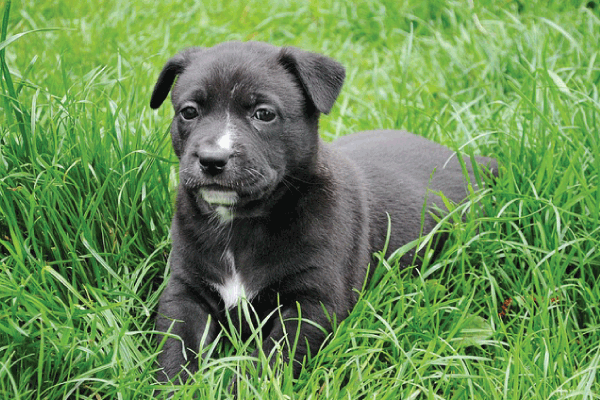
The image of a dog happily trotting forward, tail wagging, is ingrained in our minds. But have you ever witnessed a dog walking backward? It’s a curious behavior that might leave you wondering if it’s normal, possible, or even safe. This guide will delve into the intricacies of backward locomotion in dogs, exploring the “why,” the “how,” and the implications of this unusual gait.
The Mechanics of Backward Movement in Dogs
To understand if dogs can walk backward, we first need to consider their musculoskeletal and neurological systems.
- Skeletal Structure: Dogs possess a quadrupedal (four-legged) skeletal structure designed for forward propulsion. Their limbs, particularly the hindquarters, are powerfully built to generate forward momentum. The joints in their legs, while flexible, are primarily oriented to facilitate forward movement. The hip and knee joints, for instance, have a range of motion that is more efficient for extending backward to push off the ground.
- Musculature: The muscles in a dog’s legs and back are predominantly developed for forward locomotion. Muscles like the quadriceps and hamstrings are crucial for extending and flexing the legs to propel the body forward. While these muscles can engage in reverse, it’s not their primary design or most efficient use.
- Neurological Control: The brain and nervous system are wired to trigger complex sequences of muscle contractions for coordinated forward movement. Proprioception (the sense of the relative position of one’s own parts of the body and strength of effort being employed in movement) plays a vital role in maintaining balance and coordination during walking. Walking backward requires a different set of neural signals and a recalibration of balance.
- Sensory Input: Dogs rely heavily on their vision, hearing, and sense of smell to navigate. When walking forward, their forward-facing eyes provide a clear view of what’s ahead. Walking backward significantly impairs their vision, making them more vulnerable to obstacles and disorientation.
So, can they? The short answer is: Yes, dogs can physically walk backward, but it’s not their natural or preferred mode of locomotion.
Why Might a Dog Walk Backward?
While not a common or natural behavior, dogs might exhibit backward walking for a variety of reasons, ranging from playful curiosity to underlying health issues.
1. Play and Exploration:
- Curiosity and Novelty: Puppies, in particular, are prone to exploring their environment in all directions. They might experiment with different movements, including backward steps, simply out of curiosity or to see what happens.
- Playful Interaction: Sometimes, a dog might walk backward playfully towards their owner or another dog, often accompanied by playful body language like a play bow or wagging tail. This can be a way of initiating play or playfully teasing.
- Chasing a Toy: If a toy rolls or is thrown behind them, a dog might instinctively try to chase it and, in doing so, might end up taking a few backward steps before orienting themselves.
2. Training and Commands:
- “Back Up” Command: Many dog trainers teach their dogs to “back up” or “back away” on command. This is a useful skill for various training scenarios, such as teaching impulse control or guiding the dog in specific directions. When trained, dogs can execute this command with good coordination.
- Trick Training: Backward walking can be incorporated into more complex trick routines, requiring significant training and repetition.
3. Disorientation and Confusion:
- Age and Cognitive Decline (CDS): Older dogs can develop Canine Cognitive Dysfunction Syndrome (CDS), similar to dementia in humans. Symptoms can include disorientation, confusion, and changes in behavior. Backward walking can be a sign of this cognitive decline, where the dog loses their sense of direction and spatial awareness.
- Medical Conditions: Certain neurological conditions, inner ear infections, or vestibular disorders can affect a dog’s balance and coordination, leading to disoriented movements, including walking backward.
- Pain or Injury: If a dog is experiencing pain in their front limbs or a preference to avoid putting weight on them, they might try to move backward to compensate.
4. Fear and Anxiety:
- Retreating from a Threat: If a dog feels threatened or intimidated by something in front of them, their instinct might be to retreat. In some situations, this retreat can manifest as backward steps, especially if they are cornered or unsure of their escape route.
- Stress and Overload: In highly stressful or overstimulating environments, some dogs might exhibit unusual behaviors, including backward walking, as a coping mechanism or a sign of being overwhelmed.
5. Physical Limitations:
- Arthritis or Joint Pain: Dogs with arthritis or joint pain, especially in their hind legs, might find it painful to extend their legs forward. They might attempt to move backward as a less painful alternative, though this is often a sign of significant discomfort.
- Neurological Issues Affecting Gait: Certain neurological conditions can directly impact a dog’s ability to control their hind limb movements, potentially leading to backward steps.
How Dogs Walk Backward: The Mechanics in Action
When a dog walks backward, the mechanics are essentially a reversal of their forward gait.
- Limb Movement: Instead of extending the hind legs backward to push off, they extend them forward and then pull their body backward. The front legs are also used, but the primary push comes from the hindquarters moving in reverse.
- Weight Distribution: The weight distribution shifts. While forward walking primarily utilizes the hindquarters for propulsion, backward walking requires more engagement of the front limbs for pushing and the hindquarters for pulling and stabilization.
- Balance and Coordination: This is where it gets challenging. Dogs have a natural forward-facing balance. Walking backward requires them to constantly recalibrate their balance, which can be less efficient and more prone to stumbles. Their vision is limited, making them more reliant on their other senses for spatial awareness.
- Head and Neck Movement: The head and neck will often turn to the side or crane backward to try and gain some visual input of what’s behind them, further complicating their balance.
Identifying Normal vs. Abnormal Backward Walking
It’s crucial to differentiate between occasional, playful backward steps and persistent or concerning backward locomotion.
Potentially Normal/Benign:
- Brief, occasional backward steps during play.
- Responding to a “back up” command from training.
- A few backward steps when trying to get a toy that rolled away.
- Puppies experimenting with movement.
Potentially Abnormal/Concerning:
- Frequent or consistent backward walking.
- Appearing disoriented or confused while walking backward.
- Stumbling or falling frequently when attempting to walk backward.
- Accompanied by other symptoms like loss of appetite, lethargy, vocalization, or changes in urination/defecation.
- Backward walking that seems to cause the dog discomfort or pain.
- Sudden onset of backward walking in an older dog.
When to Seek Veterinary Advice
If you observe your dog exhibiting backward walking that falls into the “concerning” category, it’s essential to consult your veterinarian. They can perform a thorough physical examination, neurological assessment, and diagnostic tests to determine the underlying cause.
Your vet will likely investigate:
- Neurological disorders: This could include issues with the brain, spinal cord, or peripheral nerves.
- Vestibular system problems: The vestibular system in the inner ear is crucial for balance.
- Orthopedic issues: Arthritis, injuries, or other painful conditions affecting the joints or limbs.
- Canine Cognitive Dysfunction Syndrome (CDS): Particularly in older dogs.
- Toxins or medications: In rare cases, certain substances can affect motor control.
Conclusion: A Curious Gait That Warrants Observation
Dogs can walk backward, but it’s not a natural or efficient gait for them. While playful or trained backward steps are generally harmless, persistent or disoriented backward locomotion is a signal that something might be amiss. By understanding the mechanics of dog movement and recognizing the signs of potential issues, you can ensure your canine companion remains healthy, happy, and moving forward – most of the time! Always err on the side of caution and consult your veterinarian if you have any concerns about your dog’s behavior or mobility.







Add comment