
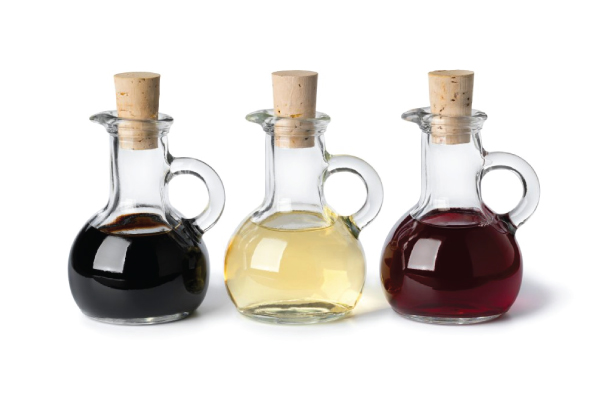
While a tiny, accidental lick of balsamic vinegar might not cause immediate catastrophic harm, the general, resounding answer is: No, it is not recommended for dogs, and it carries several potential risks.
Here’s a comprehensive breakdown of why balsamic vinegar is not a suitable food for your canine companion:
Why Balsamic Vinegar is Generally Unsafe for Dogs
- Grape Origin (The Biggest Concern):
- Balsamic vinegar is made from grape must (freshly crushed grape juice with all the stems, skins, and seeds). While it undergoes a lengthy fermentation and aging process, the fundamental ingredient is grapes.
- Grapes and raisins are highly toxic to dogs. The exact toxic compound is still unknown, but even small amounts can cause acute kidney failure in some dogs. The toxicity is not dose-dependent in a predictable way – some dogs can tolerate a few grapes, while others become gravely ill from one or two.
- Uncertainty of Processing: It’s unclear if the fermentation and aging process of balsamic vinegar completely eliminates the toxic compound found in fresh grapes. Given the severity of grape toxicity, it’s simply not worth the risk.
- Acidity:
- Balsamic vinegar is acidic (typically a pH of 2.5-3.0). Dogs have a naturally acidic stomach, but introducing additional concentrated acidity can cause:
- Gastrointestinal Upset: Nausea, vomiting, diarrhea, stomach pain, and general discomfort.
- Irritation: It can irritate the lining of the esophagus and stomach, especially in dogs with sensitive digestive systems or pre-existing conditions.
- Balsamic vinegar is acidic (typically a pH of 2.5-3.0). Dogs have a naturally acidic stomach, but introducing additional concentrated acidity can cause:
- Sugar Content:
- Traditional balsamic vinegar contains natural sugars from the grapes, and some commercial brands may even add extra sugar or grape must concentrate.
- Excessive sugar is detrimental to dogs:
- Pancreatitis: High-fat, high-sugar foods are a common trigger for pancreatitis, a painful and potentially life-threatening inflammation of the pancreas.
- Dental Issues: Contributes to tooth decay.
- Obesity: Adds unnecessary calories.
- Diabetes: Worsens or contributes to the development of diabetes.
- Potential for Additives/Seasonings:
- Often, balsamic vinegar isn’t served plain. It’s frequently mixed with other ingredients like:
- Salt: High sodium is dangerous for dogs, especially in large amounts, leading to sodium ion poisoning.
- Oils: While some oils (like olive oil) are fine in moderation, excessive amounts can cause digestive upset and pancreatitis.
- Garlic and Onions: These are highly toxic to dogs and are often used in dressings, marinades, or glazes that include balsamic vinegar.
- Herbs and Spices: Many common herbs and spices are not safe for dogs.
- Artificial Sweeteners: If a low-sugar balsamic product, it might contain xylitol, which is deadly to dogs.
- Often, balsamic vinegar isn’t served plain. It’s frequently mixed with other ingredients like:
- Alcohol Content (Minor but Present):
- While most of the alcohol produced during fermentation is converted to acetic acid, trace amounts can remain. Even small amounts of alcohol are toxic to dogs, affecting their central nervous system and liver.
What to Do If Your Dog Ingests Balsamic Vinegar
If your dog has ingested balsamic vinegar, remain calm and assess the situation:
- Quantity: How much did they consume? A tiny lick from the floor is different from drinking from a bowl.
- Concentration/Type: Was it pure balsamic, or part of a dressing/marinade? If it was a dressing, consider other ingredients like garlic, onion, or excessive salt.
- Monitor for Symptoms: Watch your dog closely for the next 12-24 hours for any signs of distress, including:
- Vomiting
- Diarrhea
- Lethargy or weakness
- Lack of appetite
- Abdominal pain or discomfort
- Increased thirst or urination (signs of kidney issues)
- Changes in behavior
- Contact Your Veterinarian:
- Immediately: If your dog consumed a significant amount, if you suspect it was part of a dressing with other toxic ingredients (garlic, onion, xylitol), or if your dog is showing any concerning symptoms.
- For Advice: Even if it was a small amount and your dog seems fine, it’s always a good idea to call your vet or a pet poison control hotline (like ASPCA Animal Poison Control or Pet Poison Helpline). They can provide specific guidance based on your dog’s size, the amount ingested, and the specific product.
Are There Any Benefits for Dogs?
No. While balsamic vinegar offers some potential health benefits for humans (antioxidants, blood sugar regulation), these benefits are not applicable or safe for dogs given the associated risks. Plain water is always the best hydration option, and a balanced, vet-approved dog food provides all the necessary nutrients.
Safer Alternatives for Your Dog
If you’re looking for healthy additions to your dog’s diet, consider:
- Plain Water: Always the best choice for hydration.
- Unseasoned Broths: Low-sodium chicken or beef broth (ensure no onion, garlic, or excessive salt) can be a hydrating and palatable treat.
- Small amounts of fresh, plain fruits and vegetables: Carrots, apple slices (no seeds), blueberries, green beans, cucumber, banana, pumpkin (plain, canned). Always check if a fruit/veg is safe first.
- Apple Cider Vinegar (with extreme caution): Some holistic vets suggest very small, diluted amounts of apple cider vinegar for certain health concerns, but it should never be given without veterinary guidance, as it also has a high acidity. It is NOT a substitute for balsamic vinegar.
Conclusion
Given the potential for grape toxicity, its acidity, sugar content, and the risk of dangerous additives, balsamic vinegar should be avoided entirely in your dog’s diet. It offers no nutritional benefits that outweigh its risks. Always err on the side of caution when it comes to human foods and your pet.
#dogfoodsafety, #canmydogeatthis, #balsamicvinegar, #toxicfoodsfordogs, #petsafety, #doghealth, #vinegarfordogs, #dogdiet






Add comment