
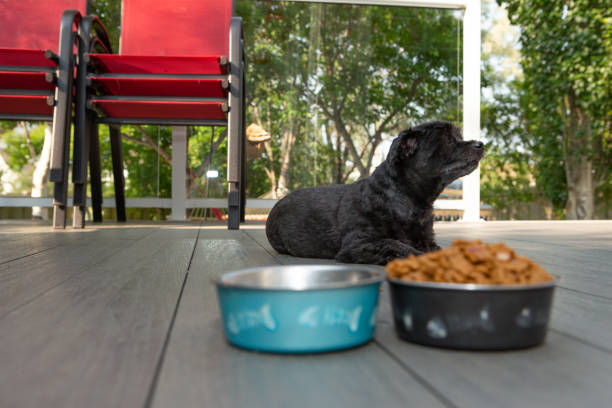
The short answer is yes, dogs can eat Brussels sprouts. These small, cabbage-like vegetables are non-toxic and packed with nutrients that can benefit your canine companion. However, as with any “human food,” there are specific rules regarding preparation, portion sizes, and potential side effects—most notably, the infamous gastrointestinal gas that Brussels sprouts are known for.
In this comprehensive guide, we will dive deep into the nutritional profile of Brussels sprouts, how they affect a dog’s digestive system, the science behind their health benefits, and how to safely incorporate them into your dog’s diet without causing a “stink” in your living room.
Table of Contents
- The Nutritional Profile of Brussels Sprouts
- Health Benefits: Why Are They Good for Dogs?
- The “Gassy” Truth: Potential Side Effects and Risks
- Brussels Sprouts and Thyroid Health: A Note of Caution
- How to Prepare Brussels Sprouts for Dogs
- Serving Sizes by Dog Size and Weight
- Raw vs. Cooked: Which is Better?
- Signs of Overconsumption or Intolerance
- Brussels Sprouts vs. Other Cruciferous Vegetables
- Fun and Healthy Dog-Friendly Recipes
- Frequently Asked Questions (FAQs)
- Conclusion: The Final Verdict
1. The Nutritional Profile of Brussels Sprouts
Brussels sprouts are members of the Brassicaceae family, which also includes broccoli, kale, and cabbage. They are essentially nutrient powerhouses packed into a tiny, leafy ball. For a dog, these nutrients provide a boost to various biological functions.
Key Nutrients Found in Brussels Sprouts:
- Vitamin K: Essential for blood clotting and maintaining bone density.
- Vitamin C: A powerful antioxidant that supports the immune system and reduces inflammation.
- Vitamin A: Supports vision, skin health, and immune function.
- Vitamin B1 (Thiamine) & B6: Vital for energy metabolism and brain function.
- Manganese: Aids in bone formation and the metabolism of carbohydrates and proteins.
- Potassium: Supports nerve function and muscle health.
- Fiber: Essential for digestive regularity.
- Antioxidants (Isothiocyanates): Compounds that help fight free radicals and may reduce the risk of certain cancers.
2. Health Benefits: Why Are They Good for Dogs?
When fed in moderation, Brussels sprouts offer more than just a crunchy snack. They provide targeted health benefits that can improve your dog’s quality of life.
Antioxidant Protection
Brussels sprouts are rich in antioxidants, specifically kaempferol. Antioxidants neutralize free radicals—unstable molecules that can damage cells and lead to chronic diseases, including cancer and heart disease. For aging dogs, antioxidants are crucial in maintaining cognitive function and reducing oxidative stress.
Bone Health
Thanks to high levels of Vitamin K, Brussels sprouts help the body absorb calcium, which strengthens bones. This is particularly beneficial for large-breed puppies (to support steady growth) and senior dogs (to combat bone density loss).
Digestive Support
The high fiber content in Brussels sprouts acts as a prebiotic. It feeds the beneficial bacteria in your dog’s gut, promoting a healthy microbiome. Fiber also helps regulate bowel movements, making it a helpful tool for dogs prone to mild constipation.
Heart Health and Inflammation
The anti-inflammatory properties of the vitamins and phytonutrients in sprouts can help reduce systemic inflammation. This is helpful for dogs suffering from arthritis or inflammatory skin conditions.
3. The “Gassy” Truth: Potential Side Effects and Risks
While Brussels sprouts are “safe,” they are famous for one specific side effect: Flatulence.
Why Do They Cause Gas?
Brussels sprouts contain a high amount of a sugar called raffinose. While humans have some difficulty digesting it, dogs lack the specific enzyme needed to break down raffinose efficiently in the small intestine. When it reaches the large intestine, bacteria ferment it, creating gases like hydrogen, carbon dioxide, and methane.
Risks of Overfeeding:
- Severe Bloating: Excessive gas can lead to discomfort and a distended stomach.
- Diarrhea: Too much fiber too quickly can irritate the lining of the colon, leading to loose stools.
- Stomach Upset: Some dogs have sensitive stomachs and may experience nausea or vomiting if they eat too many sprouts.
4. Brussels Sprouts and Thyroid Health: A Note of Caution
Cruciferous vegetables (like Brussels sprouts) contain compounds called goitrogens. In large quantities, goitrogens can interfere with the thyroid gland’s ability to uptake iodine, which is necessary for producing thyroid hormones.
Is this a concern for your dog? For most healthy dogs eating a balanced commercial diet, the occasional Brussels sprout poses zero risk. However, if your dog has hypothyroidism or is on thyroid medication, consult your veterinarian before adding sprouts to their diet, as they could potentially interfere with hormone regulation.
5. How to Prepare Brussels Sprouts for Dogs
Preparation is the difference between a healthy treat and a trip to the vet. Never feed your dog a Brussels sprout straight from your own dinner plate if it has been seasoned.
The “Rules” of Preparation:
- Wash Thoroughly: Like all produce, sprouts can carry pesticides or dirt.
- Trim the Stalk: The hard, woody bottom of the sprout is difficult for dogs to chew and digest. It can also be a choking hazard.
- No Seasonings: This is critical. Onions, garlic, chives, and leeks are toxic to dogs. Avoid salt, butter, oils, and heavy spices (like nutmeg or black pepper), which can cause pancreatitis or stomach upset.
- Cut into Bite-Sized Pieces: Even for large dogs, a whole Brussels sprout can be a choking hazard or cause an intestinal blockage if swallowed whole. Slice them in halves or quarters.
6. Serving Sizes by Dog Size and Weight
Brussels sprouts should follow the 10% Rule: Treats (including healthy veggies) should never make up more than 10% of your dog’s daily caloric intake.
- Extra Small Dogs (under 10 lbs): Half a sprout, once or twice a week.
- Small Dogs (10–25 lbs): 1 sprout, occasionally.
- Medium Dogs (25–50 lbs): 1 to 2 sprouts.
- Large Dogs (50–90 lbs): 2 to 3 sprouts.
- Giant Dogs (90+ lbs): 3 to 4 sprouts.
Note: Always start with a tiny piece to see how your dog reacts before giving a full serving.
7. Raw vs. Cooked: Which is Better?
While humans often eat raw sprouts in salads (shaved), for dogs, cooking is the superior method.
Why Cooked is Better:
- Digestibility: Cooking breaks down the tough cellulose and fiber, making it easier for the dog’s digestive tract to process.
- Reduced Gas: Lightly steaming or boiling can help reduce the amount of gas-producing sugars.
- Safety: Raw sprouts are very hard and dense, posing a higher choking risk.
Best Cooking Methods:
- Steaming: The best method to preserve nutrients.
- Boiling: Good for softening the vegetable, but some nutrients leak into the water.
- Roasting: Safe as long as you use no oil or salt. High heat can sometimes make them too crunchy/hard, so watch the texture.
8. Signs of Intolerance or Overconsumption
Even if Brussels sprouts are safe, your specific dog might not tolerate them well. Watch for the following signs after feeding:
- Excessive “clearing the room” flatulence.
- Lethargy or signs of abdominal pain (dog hunched over).
- Liquid or very soft stools.
- Repeated gulping or licking of lips (signs of nausea).
If these symptoms persist for more than 24 hours, contact your veterinarian.
9. Brussels Sprouts vs. Other Cruciferous Vegetables
If your dog loves Brussels sprouts but the gas is too much to handle, you might consider alternatives within the same family.
- Broccoli: Very similar nutritional profile. High in Vitamin C and K. Contains isothiocyanates (which can cause gastric irritation in large amounts).
- Cabbage: Great for digestion and skin, but also very gassy.
- Cauliflower: Generally milder on the stomach than Brussels sprouts but still provides fiber and vitamins.
- Kale: Extremely nutrient-dense, but high in calcium oxalates (avoid if your dog is prone to kidney stones).
10. Fun and Healthy Dog-Friendly Recipes
Instead of just tossing a sprout on the floor, try these creative ways to serve them!
Recipe 1: The “Sprout Smasher” Bowl
- Ingredients: 2 steamed Brussels sprouts, 1/4 cup plain cooked quinoa, 1 tablespoon plain non-fat Greek yogurt.
- Method: Mash the steamed sprouts with a fork. Mix with quinoa and yogurt. Serve as a meal topper.
Recipe 2: Frozen Sprout “Pops”
- Ingredients: 3 boiled Brussels sprouts, 1/2 cup low-sodium chicken broth (no onions/garlic).
- Method: Puree the sprouts and broth in a blender. Pour into an ice cube tray. Freeze and serve as a cooling summer treat.
Recipe 3: Chicken & Sprout Medley
- Ingredients: Shredded boiled chicken breast, steamed chopped sprouts, diced carrots.
- Method: Toss together for a high-protein, high-fiber snack.
11. Frequently Asked Questions (FAQs)
Q: Can puppies eat Brussels sprouts?
A: Yes, but in very small amounts. Puppies have developing digestive systems that are more sensitive to fiber and gas. Start with a piece no larger than a fingernail.
Q: Can my dog eat the stalk of the Brussels sprout?
A: No. The stalk is extremely fibrous and hard. It is a major choking hazard and can cause a physical blockage in the intestines (bowel obstruction), which may require surgery.
Q: What if my dog ate a Brussels sprout cooked with onions?
A: Onions contain N-propyl disulfide, which damages a dog’s red blood cells. If your dog ate a significant amount of sprouts cooked with onions or garlic, contact your vet immediately.
Q: Do Brussels sprouts help with “Coprophagia” (eating poop)?
A: Some anecdotal evidence suggests that adding fiber-rich veggies like sprouts can change the taste or consistency of stools, potentially deterring some dogs. However, this is not a scientifically proven cure.
Q: My dog won’t eat them raw. Should I force it?
A: Never force a dog to eat vegetables. While healthy, they are not a mandatory part of a canine diet. If they don’t like the taste, stick to other safe treats like blueberries or carrots.
12. Conclusion: The Final Verdict
Brussels sprouts are a “Superfood” for dogs when prepared correctly and fed in moderation. They offer a wealth of vitamins, minerals, and cancer-fighting antioxidants that can bolster your dog’s immune system and bone health.
However, the “golden rule” of Brussels sprouts is start small. Because of their high fiber and raffinose content, the transition from “nutritious snack” to “gastrointestinal disaster” is a thin line. Always cook them, always chop them, and always omit the seasonings.
If you follow these guidelines, your dog can safely enjoy the crunch and nutrition of this tiny green veggie. Just be prepared to crack a window open afterward!
#doghealth, #petnutrition, #caninediet, #dogtreats, #healthybalance, #dogparents, #petcare, #brusselssprouts, #dogtips, #safefoodsfordogs, #dogwellness, #healthypets, #doglovers, #vettips, #dogfoodideas, #caninenutritionist, #puppyhealth, #seniordogcare, #doglife, #healthydog_tips







Add comment