
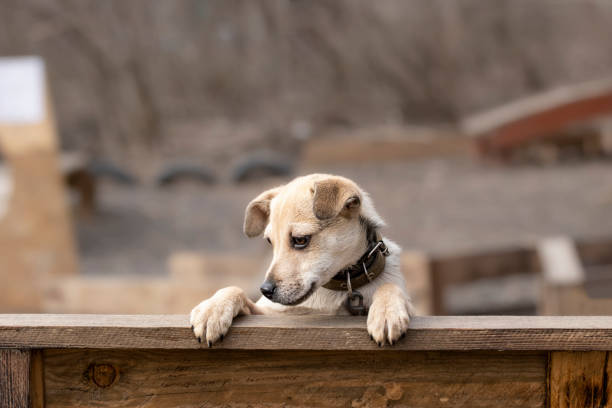
Summer brings with it a symphony of delightful aromas and tastes, none more iconic perhaps than the sweet, buttery scent of corn on the cob fresh off the grill. As families gather for barbecues and picnics, it’s natural for our beloved canine companions to be right by our sides, their expectant eyes fixed on every morsel that makes its way from plate to mouth. We love to share our lives, and often our food, with our dogs. However, when it comes to corn on the cob, this seemingly innocuous summer staple transforms into a grave and potentially fatal threat to our furry friends.
The definitive answer to “Can my dog eat corn on the cob?” is an unequivocal and emphatic NO. Under no circumstances should you ever allow your dog to consume corn on the cob. While the kernels themselves, when properly prepared and in moderation, can be a safe and even somewhat nutritious treat for dogs, the cob itself poses an extreme danger. This guide will delve deep into why corn on the cob is so perilous for dogs, the immediate and long-term risks, how to recognize the signs of a problem, what emergency steps to take, and most importantly, how to prevent such a scenario from ever occurring. Our aim is to equip every pet owner with the knowledge necessary to protect their dog from this pervasive and often underestimated hazard.
I. The “Why Not?”: Unpacking the Grave Dangers of Corn on the Cob
To truly understand why corn on the cob is a forbidden food for dogs, we must examine the specific mechanics of the danger it presents. It’s not just “bad for them”; it’s a physical threat to their very survival.
A. The Anatomy of a Threat: Indigestible and Infinitely Dangerous
The core of the problem lies in the very structure of the corn cob. Unlike many human foods that dogs might ingest which either pass relatively harmlessly or quickly dissolve, the corn cob is incredibly fibrous, dense, and largely indigestible.
- Woody and Fibrous Composition: A corn cob is primarily made up of cellulose, hemicellulose, and lignin – complex carbohydrates that make up the structural components of plant cell walls. While humans can process some fiber, dogs’ digestive systems are even less equipped to break down such tough, woody material. Their digestive enzymes simply aren’t designed to decompose a corn cob.
- Resistant to Digestion: Once ingested, the cob does not soften, disintegrate, or break down into smaller, manageable pieces inside the dog’s stomach or intestines. Instead, it maintains its original form, often retaining much of its rigidity and shape.
- Shape and Size: The cylindrical, sometimes irregularly broken, shape of a corn cob is particularly problematic. Depending on the size of the dog and the piece of cob ingested, it can be perfectly sized to become lodged in various parts of the digestive tract. A small dog might swallow a whole cob and face immediate peril, while a larger dog might break it into smaller, yet still dangerous, chunks that can cause problems further down.
B. Choking Hazard: The Immediate and Acute Danger
The most immediate and terrifying risk associated with a dog eating corn on the cob is choking. This can happen within seconds and, without immediate intervention, can be fatal.
- How it Happens: A dog, driven by instinct and hunger, might swallow a piece of corn cob that is too large for its esophagus. This can occur when a dog quickly snatches a cob or a large chunk of one, attempting to gulp it down before it can be taken away. Even a seemingly small piece can pose a choking risk, especially for smaller breeds or dogs with narrower esophagi.
- The Mechanism of Choking: When the cob gets stuck in the trachea (windpipe) or blocks the entrance to the esophagus, it obstructs the flow of air. The dog cannot breathe, leading to oxygen deprivation.
- Symptoms of Choking: Recognizing choking symptoms is critical for rapid response. These include:
- Distress and Panic: The dog will suddenly become agitated, pawing at its mouth, rubbing its face along the ground, or trying to dislodge something.
- Gagging and Retching: Intense, unproductive attempts to cough or vomit.
- Difficulty Breathing: Labored breathing, gasping for air, or no sound at all.
- Blue Gums (Cyanosis): A critical sign of oxygen deprivation. The mucous membranes, especially the gums, will turn bluish or grayish.
- Collapse: As oxygen levels plummet, the dog will lose consciousness and collapse.
- Loss of Consciousness and Death: Without immediate intervention, brain damage and death can occur rapidly.
- First Aid (Brief Overview): While beyond the scope of this article to provide detailed first aid training, it’s imperative to know the basics. For a choking dog, a modified Heimlich maneuver might be attempted, but only by someone trained or if directed by a veterinarian over the phone. The most crucial step is to get to an emergency veterinary clinic immediately. Do not delay.
C. Intestinal Obstruction: The Silent, Insidious Killer
If the corn cob bypasses the choking stage and makes it into the dog’s digestive tract, the danger is far from over. In fact, it often becomes a more insidious, progressive, and equally life-threatening problem: an intestinal obstruction.
- The Journey Through the Digestive Tract: Once swallowed, the corn cob travels down the esophagus into the stomach. From there, it attempts to pass into the small intestine, then the large intestine, and eventually out of the body.
- Where Blockages Occur: A corn cob can become stuck at various points:
- Pylorus: The exit point from the stomach into the small intestine. This is a common bottleneck.
- Small Intestine: Due to its narrow and convoluted nature, the small intestine is a frequent site for blockages. The cob can get lodged, preventing anything else from passing through.
- Ileocecal Junction: The connection between the small and large intestines.
- Large Intestine/Colon: Less common, but still possible, especially with smaller pieces.
- Mechanism of Obstruction: When the indigestible cob gets stuck, it acts like a dam, completely or partially blocking the passage of food, water, and digestive fluids. The digestive system continues to try and move material past the blockage, leading to increased pressure and irritation.
- Consequences of Obstruction: The effects of an intestinal obstruction are severe and rapidly progressive:
- Tissue Necrosis (Tissue Death): The constant pressure and stretching of the intestine around the lodged cob can cut off blood supply to that segment of the bowel. Without blood flow, the intestinal tissue begins to die.
- Perforation: As the tissue weakens and dies, the intestinal wall can perforate (rupture). This releases highly contaminated intestinal contents (bacteria, waste, digestive fluids) into the abdominal cavity.
- Peritonitis: The leakage of intestinal contents into the abdomen causes a severe, life-threatening infection and inflammation of the abdominal lining, known as peritonitis. This is an extreme medical emergency.
- Sepsis and Shock: Peritonitis can quickly lead to widespread systemic infection (sepsis) and septic shock, where the dog’s body goes into a critical state of organ dysfunction and collapse.
- Dehydration and Electrolyte Imbalance: The inability to absorb fluids and nutrients, coupled with persistent vomiting, leads to severe dehydration and disruption of critical electrolyte balances, further compromising organ function.
- Death: Without prompt and often surgical intervention, an intestinal obstruction from a corn cob is almost always fatal.
- Partial vs. Complete Obstruction: Even a partial obstruction, where some fluid or very small particles can still pass, is extremely dangerous. It can cause chronic pain, weight loss, and slowly lead to the same severe complications as a complete obstruction, albeit over a longer timeframe. A partial obstruction can also be harder to diagnose initially, delaying critical treatment.
II. Recognizing the Signs: Symptoms of Ingestion and Obstruction
Identifying that your dog has eaten corn on the cob, or more commonly, observing the subsequent symptoms, is paramount. Time is of the essence when dealing with foreign body obstructions.
A. Early Signs (Post-Ingestion)
If you’ve witnessed your dog eat a corn cob, or suspect it immediately after an incident (e.g., finding a missing cob after a picnic), watch for these initial signs:
- Vomiting: Your dog might attempt to vomit shortly after ingestion, trying to expel the foreign object. This may be productive (bringing up the cob or pieces) or unproductive retching.
- Gagging or Retching: Even if nothing comes up, persistent gagging or retching is a strong indicator of discomfort or an attempt to clear the throat/esophagus.
- Loss of Appetite/Refusal to Eat: A dog feeling unwell or experiencing gastrointestinal distress will often refuse food or treats.
- Lethargy/Disinterest: A general lack of energy, sluggishness, or disinterest in usual activities.
- Increased Drooling: Can indicate nausea or oral discomfort.
B. Signs of Developing Intestinal Obstruction
As the cob moves through the digestive system and potentially becomes lodged, the symptoms will escalate and become more indicative of a serious problem. These signs can develop over hours to days.
- Persistent Vomiting: This is often the most significant and consistent symptom. Unlike a single episode of vomiting, with an obstruction, the dog will vomit repeatedly, often after attempting to eat or drink. The vomit may contain food, bile, or even water. It’s important to note that if a dog vomits after drinking water, it’s often a strong sign of an obstruction preventing passage.
- Abdominal Pain: This is a crucial indicator. A dog experiencing abdominal pain might:
- Hunch its back.
- Adopt a “prayer” or “play bow” position (front legs down, rear end up) to relieve pressure.
- Whine or cry when touched, especially in the abdominal area.
- Be restless, unable to find a comfortable position.
- Shrink away from touch.
- Diarrhea or Constipation:
- Early Diarrhea: Sometimes, irritation around a partial blockage can cause diarrhea as the body tries to flush out the system.
- Constipation/Lack of Feces: As the blockage becomes more complete, the dog will stop passing stool, or only pass very small amounts of liquid (if a partial obstruction allows some passage around the object). This is a very serious sign.
- Distended or Bloated Abdomen: The abdomen might appear swollen or taut due to gas and fluid buildup behind the obstruction.
- Dehydration: Due to persistent vomiting and inability to absorb fluids, signs of dehydration will appear: sunken eyes, sticky gums, loss of skin elasticity (skin tenting).
- Weakness and Collapse: As the dog’s condition deteriorates due to pain, dehydration, and potential infection, it will become progressively weaker, eventually leading to collapse.
- Behavioral Changes: Restlessness, pacing, panting, hiding, or unusual aggression due to pain and discomfort.
C. Critical Symptoms: Emergency!
If you observe any of these severe signs, your dog is in a life-threatening crisis and requires immediate veterinary attention:
- Severe, unremitting abdominal pain.
- Extreme weakness or inability to stand.
- Pale or bluish gums (indicating shock or severe dehydration).
- Rapid heart rate.
- Cold extremities.
- Collapse and unresponsiveness.
III. Emergency Protocol: What to Do If Your Dog Eats Corn on the Cob
If you suspect or know that your dog has eaten corn on the cob, every second counts. Your actions, or inactions, can directly influence the outcome.
A. Stay Calm and Act Fast
Panic is counterproductive. While it’s natural to be distressed, focus on immediate, decisive action.
- Do NOT Induce Vomiting Without Vet Instruction: While inducing vomiting is sometimes an option for foreign body ingestion, it can be extremely dangerous with a corn cob. The sharp or irregular edges could cause further damage to the esophagus on the way back up, or the cob could get stuck again and cause fatal choking. Only attempt this if specifically instructed and guided by a veterinarian.
- Do NOT Attempt to Remove a Stuck Object: If the cob is visibly stuck in your dog’s throat and causing choking, do not reach in blindly. You could push it further down, injure your dog, or get bitten. If you are trained in canine first aid for choking, you might attempt a modified Heimlich. Otherwise, focus on getting to the vet.
- Secure Any Remaining Cobs: Ensure no other dogs or the same dog can access more cobs.
B. Contact Your Veterinarian IMMEDIATELY
This is the most crucial step. Do not wait for symptoms to worsen. Even if your dog seems fine, inform your vet.
- Call Ahead: Call your regular veterinarian or the nearest emergency veterinary clinic as you are preparing to leave.
- Provide Details: Clearly state what happened – “My dog just ate a corn cob (or a piece of one).”
- Include Critical Information:
- When it happened (estimated time).
- How much was ingested (whole cob, half, small piece).
- Your dog’s breed, size, and approximate weight.
- Any symptoms you are currently observing (vomiting, gagging, pain, lethargy).
- Follow Instructions: The vet will advise you on the best course of action, which will almost certainly involve bringing your dog in immediately for examination.
- Transport Safely: Drive carefully but quickly to the clinic. If possible, have someone else drive so you can monitor your dog.
C. At the Vet Clinic: Diagnostics & Treatment
Once at the veterinary clinic, a team of professionals will take over. Expect a thorough examination and a series of diagnostic tests.
- Physical Examination: The vet will assess your dog’s overall condition, check vital signs (heart rate, respiration, temperature), palpate the abdomen for pain or distension, and check for signs of dehydration or shock.
- Imaging Studies: These are critical for diagnosing an obstruction.
- X-rays (Radiographs): While corn cobs are not typically radiopaque (meaning they don’t show up clearly on standard X-rays like bone or metal), X-rays are invaluable for showing patterns of gas and fluid buildup in the intestines, which are highly indicative of an obstruction. They can also rule out other issues. Sometimes, the outline of the cob itself can be faintly visible if dense enough.
- Abdominal Ultrasound: This is often more effective than X-rays for visualizing soft tissue structures. An ultrasound can often directly visualize the corn cob, assess the integrity of the intestinal wall, detect fluid in the abdomen (suggesting perforation), and determine the extent of the obstruction.
- Blood Work: Blood tests will be performed to assess your dog’s general health, hydration status, electrolyte balance, organ function, and to check for signs of infection or inflammation. This helps the vet prepare for surgery and provides a baseline.
- Treatment Options: The course of treatment depends heavily on the location of the cob, the size of the dog, and how quickly the obstruction is diagnosed.
- Endoscopy (Early Detection, Stomach Only): If the cob is still in the stomach and the ingestion was recent, and if the cob is small enough and the veterinary clinic has the necessary equipment, an endoscope might be used. This involves a flexible tube with a camera being inserted down the esophagus into the stomach to visualize and potentially retrieve the cob without surgery. This is only possible in a very specific, narrow window and for specific sizes of foreign bodies.
- Surgery (Gastrotomy or Enterotomy): This is by far the most common and often only effective treatment for intestinal obstructions caused by corn cobs.
- Gastrotomy: An incision is made into the stomach to remove the cob if it’s lodged there.
- Enterotomy: An incision is made into the small or large intestine to remove the cob. If the intestinal tissue around the obstruction is severely damaged (necrotic or perforated), a section of the bowel may need to be removed (resection and anastomosis), which is a more complex and higher-risk procedure.
- Supportive Care: Before, during, and after surgery, supportive care is crucial. This includes:
- Intravenous (IV) fluids to correct dehydration and maintain blood pressure.
- Pain management medication.
- Antibiotics to prevent or treat infection (especially if perforation is suspected).
- Anti-nausea medication.
- Prognosis and Recovery: The prognosis depends heavily on the severity of the obstruction, whether complications like perforation set in, and how quickly surgical intervention occurs. With prompt veterinary care and successful surgery, many dogs recover fully. However, there are always risks associated with major surgery, anesthesia, and potential underlying complications. Recovery involves strict post-operative care, including restricted activity, special diets, and medication.
- Cost Implications: Pet owners must be prepared for the significant financial burden of emergency veterinary care for an obstruction. Diagnostics, surgery, hospitalization, and post-operative care can easily run into thousands of dollars, often ranging from $2,000 to $8,000 or more, depending on the complexity of the case, geographic location, and duration of hospitalization. This is a stark reminder of the importance of prevention.
IV. Prevention is Key: Safeguarding Your Canine Companion
Given the severe risks and the high cost of treatment, prevention is not just the best medicine – it’s the only responsible approach when it comes to corn on the cob.
A. Vigilance During Grilling Season and Meal Times
The warmer months are prime time for corn on the cob incidents.
- Never Leave Cobs Unattended: Whether on a plate, cooling on a counter, or in the trash, a corn cob is an irresistible temptation for many dogs. A dog can snatch a cob in seconds.
- Secure Trash Cans: After a meal involving corn on the cob, immediately transfer all cobs to a dog-proof trash can. This means one with a tight-fitting lid that cannot be easily knocked over or opened by a curious snout. Consider placing it inside a secure cabinet or garage until it can be taken out.
- Supervise Outdoor Gatherings: During barbecues or picnics, keep a close eye on your dog. If you cannot supervise them directly, consider keeping them in a secure area indoors or on a leash away from food.
B. Educating Family and Guests
Many people, even experienced dog owners, are unaware of the extreme danger of corn on the cob for dogs.
- Communicate Clearly: Inform everyone who interacts with your dog, especially guests during gatherings, that corn on the cob is a serious hazard and must be kept away from the dog at all times.
- Explain the “Why”: Briefly explain that it’s not just a general “bad food” but a physical obstruction risk. This can help reinforce the message.
C. Dog-Proofing Your Environment
Extending prevention beyond meal times.
- “Leave It” and “Drop It” Training: Practice these commands diligently. They can be life-savers in situations where your dog spots something dangerous.
- Secure Composting: If you compost food waste, ensure your compost bin or pile is completely inaccessible to your dog. Corn cobs, along with other dangerous food scraps, can linger there.
- Check Outdoor Areas: After guests leave or if you’ve had an outdoor meal, do a sweep of the area for any dropped cobs or fragments before allowing your dog free access.
D. Safe Disposal Methods
Proper disposal is the last line of defense.
- Double Bagging: Consider double-bagging corn cobs before placing them in an outdoor trash bin. This adds another layer of security against a determined dog.
- Immediate Removal: If possible, take out trash containing corn cobs immediately after securing them, rather than letting them sit where a dog might eventually discover them.
V. Corn Kernels: A Safer Alternative (with Caveats)
While the cob is unequivocally dangerous, the kernels themselves are a different story. Can your dog eat corn kernels? Yes, but with significant caveats and always in moderation.
A. Yes, But…
- Cooked and Off the Cob: Always ensure the kernels are fully cooked and completely removed from the cob. Never give your dog raw corn, as it can be harder to digest.
- Plain is Best: Serve kernels plain. This means no butter, no salt, no sugar, no spices, and no other additives that are common on human corn. These additions can cause digestive upset, pancreatitis, or contain ingredients toxic to dogs.
- Moderation is Key: Corn should only ever be a small, occasional treat. It should not form a significant part of your dog’s diet.
B. Nutritional Value of Kernels (in moderation)
Corn kernels do offer some nutritional benefits:
- Fiber: Aids in digestion and can help regulate bowel movements.
- Vitamins: Contains B-complex vitamins (thiamine, niacin, folate), which are important for metabolism, and vitamin C, an antioxidant.
- Minerals: Provides minerals such as magnesium, phosphorus, potassium, and zinc.
- Antioxidants: Contains compounds like carotenoids (lutein and zeaxanthin) that support eye health.
- Energy Source: Primarily carbohydrates, providing energy.
C. Potential Downsides (even for kernels)
Even with plain, cooked kernels, there are considerations:
- Digestibility: While cooked corn is generally digestible, some dogs might have difficulty processing it, leading to gas, bloating, or loose stools. This is largely due to the outer skin of the kernel.
- Allergies/Sensitivities: Like any food, some dogs can be allergic or sensitive to corn, leading to skin issues, gastrointestinal upset, or other allergic reactions. If your dog shows any adverse reaction, discontinue feeding.
- Caloric Content: Corn is relatively high in carbohydrates and calories. Excessive feeding can contribute to weight gain and obesity, which is a major health concern for dogs.
- “Filler” Debate in Dog Food: Corn is a common ingredient in many commercial dog foods, often debated as a “filler.” While some lower-quality foods may use it excessively, high-quality corn in appropriate amounts can be a nutritious grain. The problem arises when it’s the primary ingredient, displacing vital protein sources. For treats, a small amount of plain corn is fine, but it’s not a complete meal.
- Popcorn: Plain, air-popped popcorn (without butter, salt, or artificial flavors) can be given in very small amounts as a treat. However, the hard unpopped kernels (hulls) or partially popped kernels can also pose a choking hazard or become lodged between teeth, so it’s generally safer to avoid.
D. Preparation for Kernels
If you choose to offer corn kernels:
- Boiled or Steamed: These are the safest methods. Ensure they are soft.
- Grilled (Plain): If grilling corn for yourself, cut off a section before adding butter/seasonings, cook it plain, and then remove the kernels for your dog.
- Frozen Kernels: Plain, frozen corn kernels can be a refreshing treat on a hot day, but ensure they are not a choking hazard for smaller dogs. Thawing them first is generally safer.
- Avoid Canned Corn with Additives: Many canned corn varieties have added sodium, sugar, or preservatives that are not ideal for dogs.
VI. Broader Context: Responsible Pet Ownership and Dietary Choices
The corn on the cob dilemma is a powerful reminder of the broader responsibilities of pet ownership, particularly concerning diet.
A. Understanding Canine Digestion
Dogs, while often considered omnivores, have digestive systems that differ significantly from humans. Their systems are highly adapted to process animal proteins and fats, with some capacity for plant matter. However, they lack the specific enzymes and gut microbiota to efficiently break down extremely fibrous or complex plant structures like a corn cob. Responsible owners understand these differences and tailor their dog’s diet accordingly.
B. The Allure of “Human Food”
Dogs are natural scavengers, a trait inherited from their wild ancestors. This instinct, combined with their incredible sense of smell and their desire to please or be part of the family, makes “human food” incredibly attractive. Many dogs learn quickly that begging or even counter-surfing can yield tasty rewards. This learned behavior, while seemingly endearing, can lead to dangerous situations if owners are not vigilant about what their dogs are allowed to access. The habit of sharing food, no matter how small the portion, can inadvertently teach a dog that all human food is fair game.
C. The Importance of Education
The incident with corn on the cob is just one example of the numerous common household foods and items that are dangerous or toxic to dogs. A responsible pet owner takes the time to educate themselves on:
- Toxic Foods: Chocolate, xylitol (artificial sweetener), grapes and raisins, onions, garlic, macadamia nuts, avocado, alcohol, caffeine, and certain seeds/pits are all extremely dangerous.
- Indigestible/Choking Hazards: Bones (cooked or raw, especially chicken bones), fruit pits, small toys, clothing items, and of course, corn cobs.
- Safe Alternatives: Knowing which human foods are safe (in moderation) can help satisfy a dog’s desire for variety without risking their health (e.g., plain cooked chicken, carrots, green beans, apples without seeds).
D. The Role of the Veterinarian
Your veterinarian is your primary resource for all aspects of your dog’s health, including nutrition.
- Dietary Guidance: Consult your vet about appropriate commercial dog foods, supplements, and any specific dietary needs or restrictions your dog may have.
- Emergency Contact: Always have your vet’s number and the nearest emergency clinic’s number readily available.
- Regular Check-ups: Routine veterinary visits are crucial for monitoring your dog’s health and catching potential issues early.
VII. Debunking Myths and Misconceptions
Despite the clear dangers, certain myths persist surrounding dogs and corn on the cob, contributing to preventable emergencies.
- “My dog has eaten it before and been fine.” This is perhaps the most dangerous myth. A dog surviving a corn cob ingestion is a testament to luck, not safety. Every dog, every cob, and every situation is different. One dog might pass a small piece, while another of the same size might suffer a fatal obstruction from an identical piece. Previous uneventful ingestion does not guarantee future safety; it merely means you’ve been fortunate. This is akin to saying, “I’ve crossed the road without looking and been fine,” it doesn’t make it a safe practice.
- “It’s natural, so it must be safe.” This misconception often leads owners astray. Many natural items are toxic or physically dangerous to dogs. Wild mushrooms, certain plants, and even naturally occurring foods like grapes are toxic. The “natural” quality of an item has no bearing on its safety for canine consumption. The indigestible, fibrous nature of the cob is what makes it dangerous, regardless of its natural origin.
- “Just a little bit won’t hurt.” While a large whole cob is an obvious danger, even a “little bit,” a small chunk, can cause a complete obstruction, especially in smaller dogs. The size and shape of the piece, combined with the dog’s individual anatomy, dictate the risk. There is no “safe” amount of corn cob.
VIII. Conclusion
The image of a dog happily gnawing on a corn cob might seem harmless to the uninformed, but behind that innocent facade lies a serious and potentially fatal threat. Corn on the cob is not just an indigestible treat; it is a major choking hazard and a leading cause of intestinal obstructions in dogs, requiring expensive and life-saving surgery. The pain, suffering, and financial burden associated with such incidents are entirely preventable.
As responsible pet owners, our duty is to protect our companions from harm. This means being vigilant, educating ourselves and others, and taking proactive steps to remove dangers from their environment. While cooked corn kernels, in moderation and without additives, can be a safe treat, the cob itself must always be kept far out of reach.
Let the warm days of summer and the enjoyment of corn on the cob be for humans alone. For your beloved dog, choose safe, appropriate treats, and never underestimate the severe risk posed by this common household item. A moment of inattention can lead to a lifetime of regret. Be informed, be vigilant, and keep your canine companion safe.
#DogSafety, #CornOnTheCob, #PetEmergency, #ChokingHazard, #IntestinalBlockage, #DogHealth, #VetCare, #PetTips, #DogFoodSafety, #PreventativeCare, #CanineHealth, #ResponsiblePetOwner, #DogLife, #EmergencyVet, #PetParent, #NeverFeedCornOnTheCob, #ForeignBodyObstruction, #DogDiet, #PetAwareness, #KeepDogsSafe





Add comment