
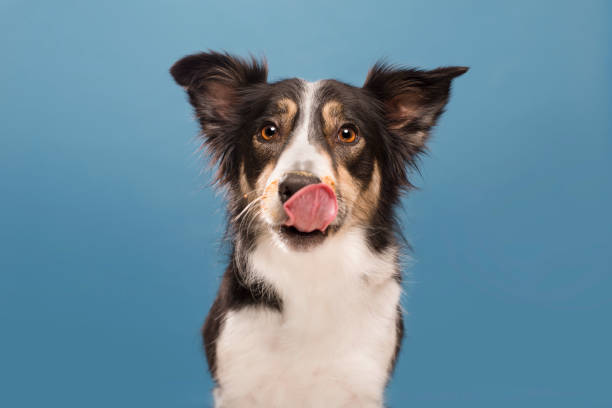
The aroma of crispy, golden-brown French Fried Onions is a beloved scent, particularly around holidays and family gatherings. Whether topping a green bean casserole, garnishing a burger, or simply enjoyed as a standalone snack, their savory crunch is undeniably appealing to many humans. As loving pet parents, it’s natural for us to want to share our favorite foods with our furry companions, especially when they gaze at us with those irresistible, pleading eyes. However, when it comes to French Fried Onions, the answer to “Can my dog eat them?” is a resounding and unequivocal NO.
This comprehensive guide will delve deep into why French Fried Onions pose a significant threat to canine health, examining every ingredient, the underlying scientific mechanisms of toxicity, the potential symptoms, emergency protocols, and crucial preventative measures. Our aim is to equip you with all the necessary knowledge to keep your beloved dog safe and healthy, ensuring their well-being is never compromised by a well-intentioned but dangerous treat.
Understanding French Fried Onions: A Closer Look at the Ingredients
Before we explore the specific dangers, let’s dissect what typically goes into a serving of French Fried Onions. While recipes can vary, particularly between homemade and commercially produced versions, the core components remain consistent and contain elements that are hazardous to dogs.
1. Onions (The Primary Culprit)
At the heart of French Fried Onions are, of course, onions. These are the single most significant and immediate threat to your dog’s health. Onions belong to the Allium family, which includes other toxic-to-dog plants like garlic, chives, leeks, and shallots. The form of the onion — raw, cooked, dried, powdered, or fried — does not diminish its toxicity. In fact, concentrated forms like dried onion flakes or powders, often present in commercial French Fried Onions, can be even more dangerous due to their potent dose of toxins in a smaller volume.
2. Cooking Oil (A Secondary, But Significant Risk)
French Fried Onions are, by definition, fried. This means they are cooked in oil, often vegetable oil, canola oil, or other types of fat. While not directly toxic in small amounts, large quantities of oil or fat can cause a range of digestive issues for dogs, from mild upset to severe conditions. Commercial products are typically deep-fried, meaning they absorb a considerable amount of fat.
3. Flour/Batter (Potential for Digestive Upset)
To achieve that signature crispy texture, onion pieces are usually coated in a batter made from flour (wheat flour being common), cornstarch, or a similar binder. While flour itself isn’t toxic, large amounts of refined carbohydrates offer little nutritional value and can contribute to weight gain. For dogs with sensitivities or allergies to gluten or specific grains, this can also trigger adverse reactions.
4. Salt (A Hidden Danger)
Salt, or sodium chloride, is a crucial seasoning in almost all savory human foods, and French Fried Onions are no exception. They are often heavily salted to enhance flavor. While dogs need a small amount of sodium in their diet, excessive intake can lead to serious health problems, including sodium ion poisoning.
5. Seasonings and Preservatives (Unknown Variables)
Commercial French Fried Onions, in particular, may contain a variety of other seasonings, flavor enhancers (like MSG), and preservatives to extend shelf life and improve taste. These can include a range of chemicals and additives that are not designed for canine consumption and whose effects on a dog’s sensitive system are often unknown or potentially harmful. Some commercially prepared items might even include garlic powder in their seasoning blend, further increasing the danger.
Now that we understand the ingredients, let’s dive into why each poses a threat, starting with the most critical: onions.
The Core Problem: Onions and Thiosulphates – A Biochemical Threat
The primary reason French Fried Onions are toxic to dogs lies in the presence of onions and their unique chemical compounds. Understanding the science behind this toxicity is crucial for appreciating the severity of the risk.
The Toxic Compound: N-Propyl Disulfide (A Thiosulphate)
Onions, along with other members of the Allium family, contain organosulfur compounds known as thiosulphates. The most well-known culprit is N-propyl disulfide. While these compounds are responsible for the distinctive flavor and aroma we enjoy, they are metabolic poisons for dogs and cats.
Mechanism of Toxicity: Oxidative Damage and Hemolytic Anemia
When a dog ingests onions, the thiosulphates are absorbed into the bloodstream. Here, they exert their toxic effects primarily on the animal’s red blood cells (erythrocytes).
- Oxidative Damage: Thiosulphates cause oxidative damage to the hemoglobin within the red blood cells. Hemoglobin is the protein responsible for carrying oxygen from the lungs to the rest of the body. This oxidative stress leads to the formation of structures called Heinz bodies within the red blood cells.
- Heinz Body Formation: Heinz bodies are essentially clumps of denatured (damaged) hemoglobin. When these form, the red blood cells become fragile and are recognized as abnormal by the dog’s own immune system.
- Hemolytic Anemia: The damaged red blood cells, now laden with Heinz bodies, are prematurely destroyed by the spleen and liver. This rapid destruction of red blood cells leads to a condition known as hemolytic anemia. With fewer healthy red blood cells available, the dog’s blood can no longer transport sufficient oxygen to its tissues and organs, leading to a cascade of life-threatening symptoms.
Why Are Dogs (and Cats) Susceptible?
Dogs and cats are particularly susceptible to Allium toxicity because their red blood cells are more sensitive to oxidative damage than those of humans. They lack the specific enzyme systems that allow other species (like rats or even humans) to effectively detoxify these compounds. This makes even relatively small amounts potentially dangerous.
The Dose Makes the Poison (But Any Amount is Risky)
The severity of onion poisoning is generally dose-dependent, meaning it correlates with the amount of onion ingested relative to the dog’s body weight.
- General Guideline: A common veterinary guideline states that toxicity can occur at doses of 5 grams of onion per kilogram of a dog’s body weight (or roughly 0.2 ounces per 2.2 pounds of body weight).
- Smaller Dogs, Greater Risk: A small dog, such as a Chihuahua or a Yorkshire Terrier, would only need to consume a very small amount of onion to reach toxic levels. For example, a 5 kg (11 lb) dog could be poisoned by as little as 25 grams of onion. Given that French Fried Onions are often finely chopped and coated, a significant amount of onion material can be present in what seems like a small portion.
- Individual Sensitivity: It’s important to remember that these are just guidelines. Individual dogs can vary in their sensitivity. Some dogs might show symptoms at lower doses, while others might tolerate slightly more before becoming visibly ill. There is no truly “safe” amount of onion for a dog.
- Cumulative Effect: Repeated exposure to small amounts over time can also lead to toxicity, as the body may not be able to clear the toxins quickly enough, leading to a build-up of damage.
All Forms are Toxic
It bears repeating: the form of the onion does not matter.
- Raw: Fresh onion pieces.
- Cooked: Fried, boiled, baked, sautéed – the heat does not destroy the toxic thiosulphates.
- Dried/Powdered: These forms are highly concentrated, meaning a smaller quantity can deliver a more potent dose of toxins. Onion powder, often found in seasoning blends, is particularly dangerous.
- French Fried: The process of frying does not remove the toxic compounds; it merely alters the texture and adds other harmful ingredients.
Therefore, whether it’s a piece of leftover green bean casserole or a handful of plain French Fried Onions, the risk remains significant.
Beyond Onions: Other Harmful Ingredients in French Fried Onions
While onions are the primary concern, the other ingredients commonly found in French Fried Onions contribute to a cocktail of digestive and systemic risks for dogs. These can cause immediate gastrointestinal upset or, in severe cases, trigger more serious conditions.
1. High Fat Content: A Recipe for Pancreatitis
French Fried Onions, by their very nature, are high in fat. They are fried in oil and absorb a significant amount of it. This high-fat content is a serious concern for dogs for several reasons:
- Gastrointestinal Upset: Even a single fatty meal can overwhelm a dog’s digestive system, leading to acute symptoms like vomiting, diarrhea, abdominal pain, and general discomfort.
- Pancreatitis: This is arguably the most severe risk associated with high-fat foods. The pancreas is an organ that produces digestive enzymes and hormones. When a dog consumes a large amount of fat, the pancreas can become inflamed, leading to pancreatitis. This condition is extremely painful and can range from mild to life-threatening. Symptoms include severe abdominal pain (often leading to a “praying” or hunched posture), repeated vomiting, diarrhea, lethargy, loss of appetite, and fever. Severe cases can lead to organ damage, sepsis, and even death. Certain breeds, like Miniature Schnauzers, are genetically predisposed to pancreatitis.
- Weight Gain and Obesity: While an isolated incident might not immediately cause weight gain, regularly feeding high-fat, calorically dense foods like French Fried Onions contributes to obesity over time. Obesity in dogs leads to a host of health problems, including diabetes, joint issues, heart disease, and a reduced lifespan.
2. High Sodium Content: A Risk for Salt Poisoning
French Fried Onions are almost always heavily salted for taste. While dogs need a small amount of sodium in their diet for proper nerve and muscle function, excessive sodium intake is dangerous.
- Sodium Ion Poisoning: Ingesting too much salt can lead to sodium ion poisoning, also known as hypernatremia. This occurs when the body’s fluid balance is severely disrupted. Symptoms include excessive thirst, increased urination, vomiting, diarrhea, lethargy, tremors, seizures, and in severe cases, kidney damage, coma, and death.
- Increased Thirst and Urination: Even without full-blown sodium ion poisoning, high salt intake will make your dog excessively thirsty, leading to increased water consumption and more frequent urination. This can put strain on the kidneys, especially in dogs with pre-existing kidney conditions.
- Cardiovascular Strain: For dogs with underlying heart conditions, high sodium intake can exacerbate fluid retention and put additional strain on the cardiovascular system.
3. Flour/Batter: Empty Calories and Allergens
The flour or batter coating, while seemingly innocuous, also presents potential issues:
- Empty Calories: The refined carbohydrates in flour offer little nutritional benefit to dogs and contribute to the overall calorie count without providing essential vitamins or minerals.
- Digestive Upset: Large quantities of carbohydrates can be difficult for some dogs to digest, leading to gas, bloating, and diarrhea.
- Allergies/Sensitivities: Some dogs have sensitivities or allergies to common ingredients like wheat or corn, which are frequently used in batters. Ingesting these can trigger allergic reactions, ranging from skin itching and rashes to gastrointestinal distress.
4. Artificial Flavorings and Preservatives: The Unknowns
Commercial French Fried Onions often contain a list of ingredients beyond the basics:
- Monosodium Glutamate (MSG): A common flavor enhancer. While not definitively proven toxic to dogs, it’s generally advised against due to its potential to cause stomach upset and the lack of research on its long-term effects on canine health.
- Hidden Garlic/Onion Powder: As mentioned, some seasoning blends may include garlic or onion powder, further intensifying the Allium toxicity risk. Always check ingredient labels if you’re unsure, though it’s best to avoid these entirely.
- Other Additives: Preservatives, colorings, and other artificial ingredients are not natural parts of a dog’s diet and are best avoided to prevent potential sensitivities or adverse reactions.
In summary, French Fried Onions are not just dangerous because of the onions; they are a triple threat due to their high fat, high sodium, and potential for various artificial additives, all of which can severely compromise your dog’s health.
Symptoms of Onion Poisoning and Other Related Illnesses
Recognizing the signs of toxicity or illness is critical for prompt treatment. The symptoms your dog displays will depend on several factors: the amount of French Fried Onions consumed, the dog’s size, its individual sensitivity, and whether the primary issue is Allium toxicity, high-fat-induced pancreatitis, or excessive sodium.
Symptoms of Onion Poisoning (Hemolytic Anemia)
It’s important to note that the onset of symptoms for onion poisoning can be delayed. It might take 24 hours to several days (up to 5 days) for the signs of hemolytic anemia to become apparent, as the red blood cells are destroyed over time.
Early/Mild Symptoms (often gastrointestinal):
- Vomiting: One of the most common initial signs, as the body tries to expel the irritant.
- Diarrhea: Can range from mild to severe, sometimes bloody.
- Abdominal Pain: Your dog might appear restless, reluctant to move, or adopt a hunched-over posture.
- Loss of Appetite (Anorexia): Your dog may refuse to eat their regular food or treats.
- Lethargy/Weakness: A general decrease in energy and enthusiasm.
- Dehydration: Due to vomiting and diarrhea.
Advanced/Severe Symptoms (indicating hemolytic anemia):
- Pale Gums: The most visible sign of anemia. Healthy gums are pink; anemic gums will appear very light pink or even white.
- Increased Respiratory Rate (Tachypnea) and Effort (Panting): The body tries to compensate for the lack of oxygen-carrying red blood cells by breathing faster and harder.
- Rapid Heart Rate (Tachycardia): The heart pumps faster to try and circulate what little oxygen is available.
- Weakness and Collapse: As oxygen deprivation worsens, the dog may become unable to stand or move, leading to collapse.
- Jaundice (Icterus): Yellowing of the gums, whites of the eyes, inside of the ear flaps, or skin. This occurs because the rapid destruction of red blood cells releases bilirubin, which the liver then processes, leading to a yellow discoloration.
- Dark Urine: Urine may appear reddish-brown or orange due to the presence of hemoglobin (hemoglobinuria) from the broken-down red blood cells.
- Exercise Intolerance: Your dog may tire very quickly during walks or play.
Symptoms of Pancreatitis (Due to High Fat)
If the amount of fat ingested was significant, or if your dog is particularly sensitive, pancreatitis can develop within hours to a day or two.
- Severe Abdominal Pain: Often manifests as a hunched or “praying” posture (front end down, rear end up), whimpering, or guarding their belly.
- Repeated Vomiting: Often severe and persistent, sometimes with bile.
- Diarrhea: May or may not be present, can be fatty.
- Loss of Appetite (Anorexia): Due to pain and nausea.
- Lethargy and Weakness: General malaise.
- Fever: Elevated body temperature.
- Dehydration: From vomiting.
Symptoms of Sodium Ion Poisoning (Due to High Salt)
Symptoms of salt poisoning can appear relatively quickly after ingestion of a large amount of salt.
- Extreme Thirst and Increased Urination: Your dog will drink copious amounts of water.
- Vomiting and Diarrhea: The body’s attempt to expel the excess salt.
- Lethargy and Weakness: General malaise.
- Loss of Appetite: Due to discomfort.
- Tremors and Muscle Spasms: As electrolyte balance is disrupted.
- Seizures: In severe cases, due to neurological effects.
- Disorientation and Ataxia (uncoordinated movements): Brain swelling can occur.
- Coma and Death: In the most severe and untreated cases.
Given the potential for overlapping symptoms and the varying onset times, it’s crucial to seek veterinary attention immediately if you suspect your dog has eaten French Fried Onions, regardless of whether symptoms are present. Do not wait for severe signs to appear.
What To Do If Your Dog Eats French Fried Onions
If you discover or suspect your dog has eaten French Fried Onions, immediate action is paramount. Do not delay, as early intervention can significantly improve the outcome.
Step 1: Do NOT Panic, But Act Quickly
While it’s natural to feel anxious, remaining calm will allow you to think clearly and take the necessary steps. Your dog needs you to be their advocate.
Step 2: Assess the Situation and Gather Information
Before contacting your vet, try to gather as much information as possible. This will help your veterinarian provide the most accurate advice and formulate a treatment plan.
- What was eaten? Confirm it was French Fried Onions. If it’s a store-bought brand, try to identify the brand and have the packaging (or a picture of the ingredient list) ready. This helps identify other potential toxins like garlic powder.
- How much was eaten? This is often an estimation, but try to be as precise as possible. A handful? A full serving? A few pieces? This helps the vet gauge the potential dose of toxins.
- When was it eaten? The time of ingestion is crucial for determining the best course of action (e.g., whether inducing vomiting is still an option).
- What is your dog’s weight? Body weight is a key factor in calculating the potential toxic dose.
- Does your dog have any pre-existing health conditions? (e.g., kidney disease, heart problems, history of pancreatitis, allergies).
- Is your dog showing any symptoms? If so, describe them accurately.
Step 3: Contact Your Veterinarian IMMEDIATELY
This is the most critical step. Do not try to treat your dog at home or wait for symptoms to develop.
- Call your regular veterinarian first. If it’s outside of business hours, contact an emergency veterinary clinic.
- Clearly explain the situation: “My dog just ate French Fried Onions. I need immediate advice.”
- Provide all the information you gathered in Step 2.
- Follow their instructions precisely. They may advise you to monitor your dog at home, or more likely, recommend bringing your dog in for an immediate examination and treatment.
- DO NOT induce vomiting at home without veterinary instruction. While inducing vomiting can be helpful in some cases (if done within 1-2 hours of ingestion), it can also be dangerous if done incorrectly, if the dog is already vomiting, or if the dog is showing signs of distress. Your vet will advise if and how it should be done.
Step 4: Veterinary Treatment Options
Once at the veterinary clinic, the treatment plan will depend on the time since ingestion, the amount consumed, and the dog’s current condition.
- Gastric Decontamination (If Indicated):
- Inducing Vomiting: If ingestion was recent (typically within 1-2 hours) and the dog is stable and not yet symptomatic, the vet may induce vomiting using veterinary-grade emetics (e.g., apomorphine). This prevents further absorption of toxins.
- Activated Charcoal: After vomiting, activated charcoal may be administered. Activated charcoal is a porous substance that can bind to toxins in the gastrointestinal tract, preventing their absorption into the bloodstream and facilitating their excretion through feces.
- Gastric Lavage: In very severe cases, a stomach flush may be performed, though this is less common for onion ingestion.
- Supportive Care (Most Common for Onion Toxicity):
- Intravenous (IV) Fluids: To maintain hydration, support kidney function, and help flush toxins from the system. This is crucial for dogs experiencing vomiting, diarrhea, or developing anemia.
- Anti-Nausea Medication: To control vomiting and improve comfort, especially if pancreatitis is a concern.
- Pain Management: If abdominal pain is present (e.g., from pancreatitis), pain medication will be administered.
- Blood Work Monitoring: Regular blood tests (e.g., complete blood count (CBC) to monitor red blood cell levels, packed cell volume (PCV), and assessment for Heinz bodies) will be performed to track the progression of anemia. Liver and kidney values may also be monitored.
- Blood Transfusions: For severe cases of hemolytic anemia where the red blood cell count drops dangerously low, a blood transfusion may be necessary to provide immediate oxygen-carrying capacity.
- Oxygen Therapy: If the dog is severely anemic and struggling to breathe, supplemental oxygen may be administered.
- Specific Medications: Your vet may prescribe medications to address specific symptoms, such as gastroprotectants for stomach upset or medications to support the liver.
- Treatment for Pancreatitis:
- Aggressive IV fluid therapy.
- Pain management (opioids are often used).
- Anti-nausea medications.
- Gastrointestinal rest (no food or water by mouth for a period).
- Antibiotics if secondary infection is suspected.
- Dietary management once stable.
- Treatment for Sodium Ion Poisoning:
- Slow and careful rehydration with IV fluids to gradually correct electrolyte imbalances without causing brain swelling.
- Monitoring of blood sodium levels.
- Supportive care for neurological symptoms like seizures.
Prognosis
The prognosis for onion poisoning and related complications varies greatly.
- Early intervention is key. If a small amount was ingested and treatment (like inducing vomiting) is administered quickly, the prognosis is generally good.
- Severity of Anemia: Dogs that develop severe hemolytic anemia requiring blood transfusions have a more guarded prognosis.
- Complications: The presence of pancreatitis, kidney damage, or severe neurological symptoms significantly worsens the prognosis.
- Individual Dog: Factors like age, overall health, and breed can also influence recovery.
The recovery period can be prolonged, sometimes requiring hospitalization for several days, followed by weeks of watchful home care and follow-up vet visits.
Prevention is Key: Keeping Your Dog Safe
As with many preventable toxins, the best approach to French Fried Onions and dogs is strict prevention. Once ingested, the situation can be stressful, costly, and potentially life-threatening. By taking a few simple precautions, you can ensure your dog never encounters this dangerous food.
1. Keep French Fried Onions (and All Allium Products) Out of Reach
This is the golden rule. Never leave French Fried Onions, whether fresh from the package, cooked, or as part of a dish, where your dog can access them.
- Countertops are NOT safe: Many dogs are adept counter-surfers. Assume anything left on a counter is fair game.
- Tables and Low Surfaces: Be particularly vigilant during meals and gatherings when food is often left on coffee tables or dining tables within a curious dog’s reach.
- Picnics and Outdoor Gatherings: Dogs can easily snatch dropped food or raid unattended picnic baskets.
- Garbage Cans: Secure your trash cans with lids or place them in cabinets. Dogs are notorious for rummaging through garbage for tempting scraps.
2. Secure Storage
Store uncooked French Fried Onions (if you keep them in your pantry) in high, secure cabinets that your dog cannot open or reach. Ensure opened packages are sealed tightly and stored safely.
3. Educate Family Members and Guests
This is especially crucial during holidays like Thanksgiving or Christmas, when French Fried Onions are a staple on many dinner tables.
- Inform everyone: Make sure every member of your household, including children, understands that French Fried Onions (and any other Allium products like garlic, chives, leeks, and shallots) are toxic to dogs.
- Brief guests: Before guests arrive, politely ask them not to feed your dog any human food, especially from the dishes being served. Explain the specific dangers of onions to your dog’s health. You can even have a designated “dog treat” bowl available for guests who want to give your dog a treat.
- Emphasize “No Scraps”: Make a strict rule about not feeding table scraps, as it’s hard to monitor every bite and ensure it’s safe.
4. Supervise Dogs During Meals and Gatherings
During mealtimes, especially when rich, potentially dangerous foods are present, it’s best to keep your dog supervised.
- Crate Training: If your dog is crate-trained, consider crating them during meal prep and actual meals.
- Designated “Relax” Area: Set up a comfortable, safe space (e.g., a dog bed in another room with their favorite toy) where your dog can relax away from the commotion and food temptations.
- Leash Supervision: For dogs not reliably trained to stay away from food, keeping them on a leash in the same room can help you redirect them if they get too close to forbidden foods.
5. Adopt a “No Human Food” Rule
The safest and easiest way to prevent accidental poisoning is to avoid feeding your dog human food altogether, or only offer bland, vet-approved options in very small, controlled amounts. This eliminates confusion and prevents your dog from developing a habit of begging for table scraps, which inevitably leads to greater risk.
6. Secure Your Compost Pile
If you have a compost pile, ensure it’s inaccessible to your dog. Leftover food scraps, including onion peels or remnants of dishes containing French Fried Onions, can still be toxic.
By implementing these preventative measures, you drastically reduce the chance of your beloved dog ever encountering French Fried Onions or suffering from their severe toxic effects. A little vigilance goes a long way in ensuring your pet’s long-term health and safety.
Safe and Healthy Alternatives for Your Dog
While French Fried Onions are strictly off-limits, there’s no need for your dog to feel left out when you’re enjoying your meals or treats. Many human foods are perfectly safe and healthy for dogs, and can be offered as special treats in moderation. These alternatives provide beneficial nutrients, fiber, and hydration without any of the risks associated with onions, high fat, or excessive salt.
Here are some excellent, dog-safe alternatives that your furry friend might enjoy:
Cooked, Plain Vegetables: Crunchy and Nutritious
Many vegetables are fantastic for dogs, offering vitamins, minerals, and fiber. Always ensure they are plain (no butter, oil, salt, or seasonings) and cut into appropriate, bite-sized pieces to prevent choking.
- Carrots: Great raw as a crunchy snack or cooked. Excellent source of Vitamin A and fiber.
- Green Beans: Plain, steamed, or boiled green beans are a low-calorie, high-fiber treat.
- Sweet Potatoes: Cooked (boiled or baked) and mashed or cut into small pieces. A good source of beta-carotene and fiber. Never feed raw sweet potato.
- Broccoli Florets: Small amounts of steamed or boiled broccoli can be a healthy treat. Avoid large quantities, as they can cause gas in some dogs.
- Pumpkin: Plain, canned pumpkin (not pumpkin pie filling!) or cooked fresh pumpkin is excellent for digestive health and is often recommended for both diarrhea and constipation.
- Zucchini: Steamed or raw, cut into small pieces. High in water, low in calories.
- Cucumber: Sliced or chopped, a refreshing and hydrating low-calorie snack.
Lean Protein: A Satisfying Treat
Plain, cooked lean meats can be a high-value treat for dogs.
- Plain Cooked Chicken: Skinless, boneless, unseasoned chicken breast (boiled or baked) is a very popular and easily digestible treat. Can be shredded or diced.
- Plain Cooked Turkey: Similar to chicken, unseasoned turkey (especially breast meat) is a lean protein source. Ensure no bones, skin, or dark fatty meat.
- Lean Beef: Small pieces of plain, cooked, lean beef (e.g., sirloin) without any fat or seasoning.
Fruits (In Moderation): Sweet and Healthy
Many fruits are safe for dogs, providing vitamins and antioxidants. Always remove seeds, pits, and cores, as some contain cyanide and can be choking hazards. Feed in moderation due to sugar content.
- Apples: Sliced apples (without core or seeds) are a good source of fiber and vitamins.
- Blueberries: Small, antioxidant-rich powerhouses.
- Bananas: A good source of potassium, but high in sugar, so offer in small amounts.
- Strawberries: Full of vitamins and antioxidants.
- Watermelon: Seedless and rind-free, a hydrating treat, especially in hot weather.
Commercial Dog Treats: Designed for Them
There are countless varieties of dog treats specifically formulated to be safe and healthy for canines.
- Dental Chews: Help maintain oral hygiene.
- Training Treats: Small, low-calorie options perfect for positive reinforcement.
- Natural Chews: For longer-lasting entertainment (e.g., bully sticks, safe antlers, specific dental chews). Always supervise your dog with chews.
- Biscuits and Cookies: Choose reputable brands with wholesome ingredients.
DIY Healthy Dog Treats: Get Creative!
You can easily make your own dog treats using safe ingredients.
- Peanut Butter Treats: Use xylitol-free peanut butter blended with whole wheat flour and pumpkin.
- Frozen Treats: Blend plain yogurt (without xylitol, which is toxic) with dog-safe fruits and freeze in ice cube trays.
- Chicken or Beef Jerky: Dehydrate thinly sliced, plain cooked chicken or beef.
Why These Alternatives Are Better:
- Nutrient-Rich: Provide essential vitamins, minerals, fiber, and protein.
- Low in Harmful Fats and Sodium: Help prevent pancreatitis and sodium ion poisoning.
- Free from Toxins: Avoids the deadly Allium compounds.
- Controlled Ingredients: You know exactly what your dog is consuming.
- Variety and Enjoyment: Keeps your dog engaged and happy without compromising their health.
Remember to always introduce new foods slowly and in small quantities to observe for any adverse reactions. Consult your veterinarian if you have any questions about specific foods or your dog’s dietary needs. By offering these safe and delicious alternatives, you can make your dog feel loved and included without exposing them to the significant dangers of French Fried Onions.
Conclusion: Prioritizing Your Dog’s Health and Safety
The distinctive crunch and savory flavor of French Fried Onions may be a human delight, but for our canine companions, they represent a significant and multifaceted health hazard. The answer to “Can my dog eat French Fried Onions?” is an emphatic no, as these seemingly innocuous human treats contain several ingredients that are profoundly harmful to dogs.
The primary and most dangerous component is the onion itself. As a member of the Allium family, onions contain thiosulphates that cause oxidative damage to a dog’s red blood cells, leading to a potentially fatal condition called hemolytic anemia. This process can be insidious, with symptoms often delayed by days, making early recognition and intervention critical. All forms of onion—raw, cooked, dried, or powdered—retain their toxicity, and concentrated forms like those often found in French Fried Onions can be even more potent.
Beyond the immediate threat of onion toxicity, French Fried Onions pose additional risks due to their preparation. Their high fat content can trigger severe gastrointestinal upset, and more dangerously, lead to acute pancreatitis, an excruciating and potentially life-threatening inflammation of the pancreas. The high sodium content can cause excessive thirst, strain on the kidneys, and in severe cases, dangerous sodium ion poisoning. Furthermore, the flour batter and various artificial flavorings and preservatives found in commercial products can contribute to digestive upset, allergies, and deliver empty calories that lead to obesity.
Should your dog accidentally ingest French Fried Onions, immediate action is paramount. Do not wait for symptoms to appear. Contact your veterinarian or an emergency veterinary clinic without delay, providing all possible details about the amount consumed and when. Your vet is best equipped to assess the situation and recommend the appropriate course of action, which may include inducing vomiting, administering activated charcoal, and providing supportive care such as IV fluids, anti-nausea medication, pain relief, or even blood transfusions in severe cases.
Ultimately, prevention is the most effective and responsible approach. By implementing strict preventative measures—keeping all Allium products out of reach, securing trash cans, educating family members and guests, and supervising your dog during mealtimes—you can safeguard your pet from accidental ingestion. Instead of sharing potentially dangerous human foods, opt for the many safe and healthy alternatives available, such as plain cooked vegetables, lean proteins, dog-safe fruits, or commercially prepared dog treats.
Our dogs rely on us to make informed decisions for their well-being. By understanding the profound dangers posed by French Fried Onions and proactively choosing safe alternatives, we ensure their lives are filled with health, happiness, and safety, rather than avoidable risks.
#DogSafety #FrenchFriedOnions #ToxicToDogs #OnionToxicity #CanineHealth #DogFoodSafety #PetCare #DogPoisoning #VetEmergency #KeepDogsSafe #NoHumanFood #DogTips #PetHealth #DogNutrition #AvoidOnions #HealthyDogTreats #DogMom #DogDad #VetAdvice #AnimalSafety #DogAwareness #PancreatitisInDogs #SodiumPoisoning #EmergencyVet #DogLover







Add comment