
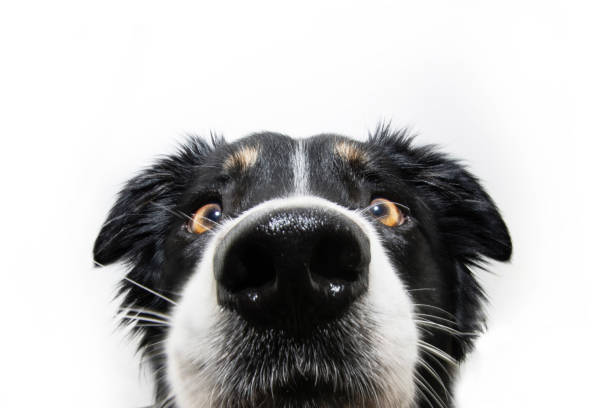
As devoted pet parents, we are constantly seeking ways to enhance our beloved canine companions’ health and happiness. This often involves scrutinizing every morsel they consume, leading to a myriad of questions about human foods. Among the most frequently asked is: “Can my dog eat green beans?” The good news is, for the vast majority of dogs, the answer is a resounding yes! Green beans are not only safe but can also be a healthy, low-calorie treat that offers a surprising array of nutritional benefits.
However, like all human foods introduced to a dog’s diet, there are caveats, best practices, and important considerations to ensure their safety and maximize their healthful impact. This comprehensive guide will delve deep into the world of green beans for dogs, covering everything from their nutritional profile and myriad benefits to potential risks, proper preparation, appropriate serving sizes, creative feeding methods, and much more. By the end, you’ll be an expert on incorporating this humble legume into your dog’s diet responsibly and beneficially.
I. The Green Bean Conundrum: A Healthy Snack Solution
The quest for healthy dog treats is a noble one. Many commercial treats are laden with artificial ingredients, fillers, and excessive calories, contributing to the rising rates of canine obesity and related health issues. This drives many pet owners to explore natural, whole-food alternatives. Green beans emerge as a shining star in this context – they are widely available, affordable, and packed with nutrients, making them an excellent choice for a guilt-free, healthy snack.
But what exactly makes them so good, and what precautions should you take? Let’s peel back the layers and discover the full story.
II. The Nutritional Powerhouse: Why Green Beans Are Good (For Humans & Dogs)
Green beans, also known as string beans or snap beans, are more than just a crunchy, vibrant vegetable; they are a nutritional powerhouse. Their composition makes them an ideal dietary supplement for dogs, offering a blend of macronutrients and micronutrients vital for overall well-being.
A. Macronutrients: The Building Blocks
- Low in Calories: This is perhaps the most significant benefit for dogs, especially those prone to weight gain or actively on a weight management plan. Green beans are remarkably low in caloric density, meaning your dog can feel full without consuming excess energy. A single cup of green beans contains approximately 31 calories – a tiny fraction compared to many commercial dog treats.
- Low in Fat: Green beans are virtually fat-free, making them an excellent choice for dogs requiring a low-fat diet due to pancreatitis or other health concerns.
- Low in Protein: While protein is essential for dogs, green beans are not a significant protein source. This means they won’t disproportionately add to your dog’s overall protein intake, allowing their primary protein needs to be met by their balanced dog food.
- High in Fiber: This is where green beans truly shine. They contain both soluble and insoluble fiber.
- Soluble fiber helps regulate blood sugar levels, can lower cholesterol, and promotes a feeling of fullness.
- Insoluble fiber adds bulk to stool, aiding in regular bowel movements and preventing constipation. It also helps move food through the digestive tract efficiently.
B. Micronutrients: The Essential Vitamins and Minerals
Green beans are rich in a variety of essential vitamins and minerals that contribute to numerous bodily functions.
- Vitamins:
- Vitamin K: Crucial for blood clotting and bone health. It supports the synthesis of proteins required for bone mineralization and plays a role in preventing osteoporosis.
- Vitamin C (Ascorbic Acid): A powerful antioxidant that boosts the immune system, reduces inflammation, and aids in collagen production for healthy skin, joints, and connective tissues. While dogs can synthesize their own Vitamin C, supplementation can be beneficial, especially during stress or illness.
- Vitamin A (Beta-Carotene): Important for vision, immune function, and skin health. Beta-carotene is a precursor to Vitamin A, meaning the body converts it as needed.
- Vitamin B6 (Pyridoxine): Involved in protein, fat, and carbohydrate metabolism, red blood cell formation, and nervous system function.
- Thiamine (Vitamin B1): Essential for carbohydrate metabolism and nerve function.
- Riboflavin (Vitamin B2): Important for energy production and cell growth.
- Folate (Vitamin B9): Crucial for cell growth and DNA synthesis, particularly important for pregnant dogs and growing puppies.
- Minerals:
- Manganese: A trace mineral vital for bone development, metabolism, and antioxidant defense.
- Potassium: An electrolyte essential for nerve function, muscle contraction, and maintaining fluid balance. It also plays a role in heart health.
- Iron: Crucial for oxygen transport in the blood (as part of hemoglobin) and energy metabolism.
- Calcium: Fundamental for strong bones and teeth, muscle function, and nerve transmission.
- Magnesium: Involved in over 300 biochemical reactions in the body, including muscle and nerve function, blood glucose control, and blood pressure regulation.
- Phosphorus: Works with calcium to build strong bones and teeth, and is involved in energy metabolism.
C. Antioxidants and Phytonutrients
Beyond the standard vitamins and minerals, green beans boast an impressive array of antioxidants and phytonutrients. These compounds help combat oxidative stress, neutralize free radicals, and reduce cellular damage, which can contribute to chronic diseases and premature aging. Key examples include:
- Flavonoids: Quercetin, kaempferol.
- Carotenoids: Beta-carotene, lutein, zeaxanthin.
- Saponins: Plant compounds with potential anti-inflammatory properties.
D. Water Content
Green beans have a high water content (around 90-95%), contributing to your dog’s hydration, especially important during warmer weather or for dogs who don’t drink enough water.
III. The “Yes”: Benefits of Green Beans for Dogs
Given their impressive nutritional profile, it’s no wonder green beans offer a multitude of health advantages for canine companions.
A. Weight Management and Obesity Control
This is arguably the most celebrated benefit of green beans for dogs. With canine obesity reaching epidemic levels, finding effective, safe, and satisfying ways to manage weight is paramount.
- Low Calorie, High Volume: Green beans are incredibly low in calories but high in volume and fiber. This means they can add bulk to your dog’s meal, making them feel fuller and more satisfied without adding significant calories. If your dog is constantly begging for food or struggling with weight, substituting a portion of their regular kibble (under veterinary guidance) or high-calorie treats with green beans can be a game-changer.
- Satiety: The fiber content in green beans helps slow down digestion, leading to a sustained feeling of fullness. This can reduce begging behavior and prevent overeating.
- The “Green Bean Diet”: Some veterinarians recommend a “green bean diet” for significant canine weight loss. This involves gradually replacing a portion of the dog’s regular food with green beans. This must always be done under strict veterinary supervision to ensure the dog still receives all necessary nutrients and doesn’t experience adverse effects. It’s not a long-term total food replacement but a strategic, temporary dietary tool.
B. Enhanced Digestive Health
The rich fiber content in green beans is a boon for the canine digestive system.
- Regular Bowel Movements: Both soluble and insoluble fiber contribute to healthy, regular bowel movements. Insoluble fiber adds bulk, which can help prevent constipation and promote easier passage of stool.
- Relief from Constipation: For dogs prone to constipation, a moderate amount of green beans can act as a natural laxative, helping to soften stool and encourage regularity.
- Diarrhea Management (in some cases): While too much fiber can cause diarrhea, the right amount can actually help solidify loose stools by absorbing excess water and adding bulk. Always introduce slowly.
- Gut Microbiome Support: Fiber acts as a prebiotic, feeding beneficial bacteria in the gut. A healthy gut microbiome is crucial for digestion, nutrient absorption, and overall immune function.
C. Boosted Immune System
The presence of Vitamin C and various antioxidants (flavonoids, carotenoids) in green beans provides significant immune support.
- Antioxidant Power: Antioxidants combat free radicals, which are unstable molecules that can cause cellular damage and contribute to disease. By neutralizing these free radicals, green beans can help protect cells and tissues, supporting a robust immune response.
- Stress Reduction: A strong immune system is better equipped to handle stress, illness, and environmental challenges.
D. Stronger Bones and Teeth
- Vitamin K: This vitamin is essential for synthesizing proteins involved in bone metabolism and mineralization. Adequate Vitamin K intake contributes to strong bones and may reduce the risk of fractures.
- Calcium and Phosphorus: These minerals are the primary building blocks of bones and teeth. While green beans aren’t a primary source, they contribute to the overall mineral intake crucial for skeletal health.
- Manganese: Another mineral important for bone development and maintenance.
E. Improved Eye Health
Green beans contain Vitamin A (in the form of beta-carotene) and other carotenoids like lutein and zeaxanthin.
- Vision Protection: Beta-carotene is converted into Vitamin A, which is essential for good vision, particularly in low light.
- Age-Related Eye Conditions: Lutein and zeaxanthin are powerful antioxidants that accumulate in the retina and can help protect the eyes from oxidative damage, potentially reducing the risk of age-related macular degeneration and cataracts.
F. Cardiovascular Health
- Potassium: An essential electrolyte that helps regulate blood pressure, maintain fluid balance, and support proper heart muscle function.
- Fiber: Soluble fiber can help lower cholesterol levels, contributing to a healthier cardiovascular system.
G. Blood Sugar Regulation
- Fiber’s Role: The high fiber content in green beans can help stabilize blood sugar levels by slowing down the absorption of glucose. This can be particularly beneficial for dogs with diabetes or those at risk of developing it. However, if your dog is diabetic, always consult your veterinarian before introducing green beans or making any dietary changes, as it can affect insulin dosages.
H. Hydration
With their naturally high water content, green beans contribute to your dog’s daily hydration, which is vital for all bodily functions, including nutrient transport, temperature regulation, and joint lubrication.
I. Dental Health (Mild)
While not a replacement for brushing or dental chews, the crunchy texture of raw or lightly cooked green beans can offer a very mild mechanical scraping action on teeth, potentially helping to remove some plaque and tartar. It’s a minor benefit but a nice bonus.
J. Mental Stimulation and Enrichment
Introducing novel, healthy treats like green beans can provide mental stimulation for your dog. They can be used in puzzle toys, as training rewards, or simply as a special snack, adding variety and interest to their daily routine.
IV. The “But Be Careful”: Potential Risks and Considerations
While green beans are largely safe and beneficial, responsible pet ownership dictates awareness of potential risks and how to mitigate them.
A. Choking Hazard
This is perhaps the most significant immediate risk. Whole green beans, especially larger ones, can pose a choking hazard for dogs, particularly small breeds, puppies, or dogs who tend to gobble their food without chewing.
- Mitigation: Always cut green beans into small, bite-sized pieces appropriate for your dog’s size. For very small dogs or puppies, consider steaming and mashing them, or cutting them into pea-sized pieces.
B. Digestive Upset and Gas
Introducing any new food too quickly or in too large a quantity can lead to digestive upset, and green beans are no exception, primarily due to their high fiber content.
- Symptoms: Excessive gas, bloating, stomach cramps, diarrhea, or constipation (paradoxically, if too much fiber is given without adequate water or if the dog’s system isn’t used to it).
- Mitigation: Introduce green beans slowly, starting with a very small amount (1-2 pieces) and gradually increasing over several days or weeks. Monitor your dog for any adverse reactions. If digestive upset occurs, reduce the amount or discontinue use.
C. Pesticides and Herbicides
Non-organic green beans may have residues of pesticides and herbicides on their skin.
- Mitigation: Always wash green beans thoroughly under running water before preparation. Opting for organic varieties can further reduce exposure to these chemicals.
D. Added Ingredients and Toxins
This is a critical area of concern. The green beans themselves are safe, but how they are processed or prepared for human consumption can render them dangerous for dogs.
- Canned Green Beans: While generally safe if plain, canned green beans often contain high levels of sodium (salt) as a preservative. Excessive sodium can lead to dehydration, electrolyte imbalance, vomiting, diarrhea, and in severe cases, sodium ion poisoning. Cans can also be lined with BPA, which is a concern for some.
- Mitigation: If using canned green beans, choose “no salt added” or “low sodium” varieties. Thoroughly rinse the beans under cold running water for several minutes to wash away as much sodium as possible before feeding them to your dog.
- Flavored Green Beans, Sauces, and Seasonings: This is a major no-no. Never feed your dog green beans prepared with human seasonings, sauces, or other ingredients.
- Toxic Ingredients:
- Onions, Garlic, Leeks, Chives: All members of the Allium family are highly toxic to dogs, causing damage to red blood cells and leading to anemia. Even small amounts can be dangerous.
- Nutmeg: Can cause hallucinations, disorientation, increased heart rate, and seizures.
- Dairy Products (e.g., butter, cream): Many dogs are lactose intolerant and can suffer from digestive upset. High fat content can also contribute to pancreatitis.
- Excessive Oils/Fats: Can cause digestive upset, diarrhea, or lead to pancreatitis.
- Salt, Sugar, Artificial Sweeteners (especially Xylitol): Xylitol is extremely toxic and can cause rapid insulin release, leading to potentially fatal hypoglycemia or liver failure. While not typically in green bean preparations, it’s a general caution.
- Mitigation: Always feed green beans plain, cooked without any additives, or raw.
- Toxic Ingredients:
E. Allergies
While rare, a dog can develop an allergy to any food.
- Symptoms: Itching, skin rashes, hives, facial swelling, vomiting, diarrhea, difficulty breathing (severe cases).
- Mitigation: Introduce green beans slowly and monitor your dog closely for any signs of an allergic reaction. If you suspect an allergy, discontinue feeding and consult your veterinarian.
F. Oxalates and Phytates
Green beans contain small amounts of oxalates and phytates, which are naturally occurring compounds in many plants.
- Oxalates: Can bind with calcium and other minerals, potentially contributing to kidney stones in predisposed individuals. However, the amount of oxalates in green beans is generally low and not a concern for healthy dogs consuming them in moderation. For dogs with a history of calcium oxalate stones, veterinary consultation is advised.
- Phytates: Can inhibit the absorption of certain minerals (like zinc, iron, calcium). Again, with moderate consumption of green beans as a treat and a balanced primary diet, this is not a significant concern.
- Mitigation: Feed green beans as a supplementary treat, not as a primary food source. Ensure your dog’s main diet is balanced.
G. Nutritional Imbalance
Green beans, while nutritious, are not a complete and balanced food for dogs. They lack essential nutrients that dogs require in specific ratios for optimal health (e.g., certain amino acids, vitamins, and minerals).
- Mitigation: Green beans should always be offered as a treat or supplement, making up no more than 10% of your dog’s daily caloric intake. Their primary diet should always be a high-quality, vet-approved commercial dog food or a carefully formulated homemade diet. Never attempt to replace their main meals with only green beans unless specifically instructed and monitored by a veterinarian for extreme weight loss.
V. How to Prepare Green Beans for Your Dog: A Step-by-Step Guide
Proper preparation is key to ensuring green beans are safe, palatable, and maximally beneficial for your canine companion.
A. Selection: Choose Wisely
- Fresh Green Beans (Best Option):
- Look for crisp, firm, bright green beans that “snap” when bent.
- Avoid limp, discolored, or bruised beans.
- Organic is preferable to minimize pesticide exposure, though thorough washing can address much of this concern.
- Frozen Green Beans (Excellent Alternative):
- Choose plain, unsalted frozen green beans.
- Avoid varieties with sauces, seasonings, or added butter.
- These are often pre-cut, which saves time.
- Canned Green Beans (Least Ideal, Use with Caution):
- As discussed, high sodium content is the primary concern.
- If you must use canned, select “no salt added” or “low sodium” varieties.
- Always rinse them thoroughly under cold running water for several minutes before feeding.
B. Preparation Methods: Safe and Simple
- Washing (Essential): Regardless of whether you choose fresh or frozen, always wash the green beans thoroughly under cold running water to remove dirt, bacteria, and any potential pesticide residues.
- Trimming: Snap or cut off the tough ends (the stem and tip) of each bean.
- Cutting (Crucial for Safety): This is the most important step to prevent choking.
- Cut the green beans into small, bite-sized pieces appropriate for your dog’s size.
- For small dogs (under 25 lbs) or puppies, aim for pieces no larger than a pea.
- For medium dogs (25-50 lbs), ½ to 1-inch pieces are usually fine.
- For large and giant breeds, 1 to 1.5-inch pieces are generally safe, but always err on the side of smaller.
- If unsure, always cut smaller.
- Cooking (Optional, but Recommended for Some Dogs):
- Raw: Perfectly fine and retains maximum crunch and some heat-sensitive nutrients. Many dogs enjoy the crisp texture. Ensure they are cut small enough.
- Steamed (Best Cooking Method): Steaming is ideal as it softens the beans while retaining most of their nutrients. Steam until tender-crisp (a few minutes).
- Boiled: Also acceptable, but some water-soluble vitamins (like Vitamin C and some B vitamins) can leach into the boiling water. Boil until tender.
- Microwaved: Quick and easy. Place cut beans in a microwave-safe bowl with a splash of water, cover, and microwave until tender.
- Avoid: Frying (too much fat), roasting with oils/seasonings, or any method that adds butter, salt, spices, or other ingredients.
C. Serving Temperature
Always ensure cooked green beans have cooled completely to room temperature before offering them to your dog. Hot food can burn their mouth and esophagus.
VI. How Much Is Too Much? Determining Serving Sizes and Frequency
The amount of green beans you can safely feed your dog depends on several factors, including their size, activity level, current diet, and overall health. The general rule of thumb for treats applies: treats should constitute no more than 10% of your dog’s daily caloric intake.
A. Factors to Consider
- Dog’s Size and Weight: Smaller dogs require significantly fewer green beans than larger dogs.
- Activity Level: Highly active dogs might tolerate slightly more, but it’s still about calories.
- Current Diet: If your dog is already on a calorie-restricted diet or has a sensitive stomach, introduce green beans with extra caution.
- Health Conditions: Dogs with diabetes, kidney disease (due to potassium content, though usually not an issue in moderation), or irritable bowel syndrome (IBD) should only be fed green beans under veterinary guidance.
- Individual Tolerance: Every dog is different. Some dogs handle green beans well; others may experience gas or mild digestive upset even with small amounts.
B. Introducing Green Beans
- Start Small: Begin by offering just 1-2 small, chopped pieces of plain green bean.
- Observe: Monitor your dog for 24-48 hours for any signs of digestive upset (gas, bloating, vomiting, diarrhea) or allergic reactions (itching, rash).
- Gradual Increase: If well-tolerated, you can gradually increase the amount over several days or a week.
C. Recommended Daily Servings (Approximate Guidelines)
These are general recommendations. Always adjust based on your dog’s individual needs and your vet’s advice. Remember to account for the overall 10% treat rule.
- Extra-Small Dogs (under 10 lbs, e.g., Chihuahua, Yorkie): 1-3 small, chopped pieces per day.
- Small Dogs (10-25 lbs, e.g., Pug, Beagle): 3-5 small, chopped pieces per day.
- Medium Dogs (25-50 lbs, e.g., Cocker Spaniel, Border Collie): 5-10 chopped pieces per day.
- Large Dogs (50-100 lbs, e.g., Labrador, German Shepherd): 10-15 chopped pieces per day.
- Giant Dogs (100+ lbs, e.g., Great Dane, Mastiff): 15-20+ chopped pieces per day.
D. Frequency
Green beans can be given daily as a treat if they are well-tolerated and kept within the 10% daily caloric intake rule. Alternatively, they can be offered a few times a week. The key is moderation and consistency.
E. The “Green Bean Diet” for Weight Loss (Requires Vet Supervision!)
The “Green Bean Diet” is a term often used to describe a strategy for weight loss in obese dogs. It involves replacing a portion of your dog’s regular kibble with plain, cooked green beans. The idea is that the dog feels fuller due to the volume and fiber, but consumes significantly fewer calories.
CRITICAL WARNING: This specific diet must be implemented under the strict guidance of a veterinarian.
- Why Vet Consultation is Essential: Replacing significant portions of your dog’s balanced food with green beans can lead to nutritional deficiencies if not managed correctly. A vet can calculate the precise caloric deficit needed, determine the safe ratio of kibble to green beans, and monitor your dog’s health and weight loss progress.
- Not a Permanent Solution: The Green Bean Diet is typically a temporary measure for weight loss, after which the dog gradually transitions back to a balanced, portion-controlled maintenance diet.
- Monitor for Side Effects: Rapid changes in diet for an overweight dog can still lead to digestive upset.
VII. Creative Ways to Serve Green Beans
Beyond simply tossing a few pieces into their bowl, there are many fun and enriching ways to offer green beans to your dog:
- Training Treats: Their low calorie count makes them excellent for frequent positive reinforcement during training sessions.
- Meal Extender/Mix-in: Mix chopped green beans into your dog’s regular kibble. This can be especially useful for picky eaters, for dogs on a weight loss program (to add volume without calories), or just to add texture and nutrients.
- Frozen Treats: For teething puppies, or as a refreshing snack on a hot day, freeze small pieces of blanched or steamed green beans. They provide a satisfying chew and cooling sensation.
- Puzzle Toy Filler: Stuff some chopped green beans (raw or cooked) into Kongs or other puzzle toys. This provides mental stimulation and extends treat time.
- Puree: For older dogs with dental issues, puppies, or dogs who prefer softer textures, blend steamed green beans into a smooth puree. You can mix this with plain yogurt (if tolerated) or pumpkin for added flavor and nutrients.
- “Crunchy” Topping: For dogs who love texture, leave some green beans raw and finely chop them to sprinkle over their regular meal.
VIII. Green Beans vs. Other Veggies: What Else Can My Dog Eat?
While green beans are fantastic, they are just one of many safe and healthy vegetables your dog can enjoy. Variety is always good for nutrient intake and palatability.
A. Other Safe Vegetables (in moderation, plain, and properly prepared):
- Carrots: Excellent source of beta-carotene, good for dental health (crunchy).
- Broccoli: Rich in vitamins C and K, fiber. (Small amounts, as large quantities can cause gas).
- Peas: Good source of vitamins, minerals, and fiber.
- Sweet Potato: Packed with fiber, vitamins A and C. (Cooked and mashed is best).
- Pumpkin: Great for digestive health (fiber, soothing for upset stomachs). (Plain, cooked, unsweetened puree).
- Celery: High in water, vitamins A, C, and K. (Chopped small to prevent choking).
- Cucumber: High in water, very low calorie. Excellent for hydration.
- Bell Peppers: (Red, yellow, orange): Rich in Vitamin C. Avoid seeds and stems. (Green peppers can be harder to digest for some).
B. Vegetables to Avoid (Highly Toxic or Dangerous):
- Onions, Garlic, Leeks, Chives: All members of the Allium family are toxic, causing red blood cell damage.
- Avocado: Contains persin, which can be toxic to dogs in large quantities, especially the pit and skin.
- Wild Mushrooms: Can be highly toxic; only feed store-bought, cultivated mushrooms.
- Corn on the Cob: The cob is a severe choking hazard and can cause intestinal blockage.
- Rhubarb: Leaves contain oxalic acid, which can be toxic.
- Tomato Leaves and Stems (Green parts of the plant): Contain solanine, which is toxic. Ripe red tomato fruit is generally safe in small amounts.
IX. When to Consult Your Veterinarian
While green beans are generally safe, it’s always wise to involve your veterinarian in significant dietary decisions, especially if your dog has existing health concerns.
- Before Making Significant Dietary Changes: This includes starting a “green bean diet” for weight loss.
- If Your Dog Has Pre-Existing Conditions: Diabetes, kidney disease, IBD, pancreatitis, or chronic allergies all warrant a vet consultation before introducing new foods.
- If Your Dog Shows Adverse Reactions: Vomiting, severe diarrhea, lethargy, loss of appetite, excessive gas, or signs of an allergic reaction after eating green beans are clear signals to stop feeding them and contact your vet.
- For Personalized Advice: Your vet knows your dog’s specific health history, breed predispositions, and dietary needs. They can provide tailored advice on appropriate serving sizes and frequency.
X. Debunking Myths and Answering FAQs
Let’s address some common questions and clear up any misconceptions about dogs and green beans.
- My dog hates green beans – is that okay? Absolutely! Just like humans, dogs have taste preferences. If your dog turns its nose up at green beans, don’t force them. There are plenty of other healthy, safe vegetable alternatives (carrots, pumpkin, sweet potato, etc.) that they might enjoy more. The goal is to offer healthy choices, not to insist on a single food.
- Are raw green beans safe for dogs? Yes, absolutely. Raw green beans are perfectly safe for most dogs, provided they are washed thoroughly and cut into appropriate, choke-proof sizes. Many dogs enjoy the crunchy texture of raw green beans.
- Are yellow wax beans or purple string beans safe? Yes! Yellow wax beans and purple string beans are varieties of the same species (Phaseolus vulgaris) as green beans. They offer similar nutritional profiles and benefits and are safe for dogs when prepared in the same plain, chopped manner.
- Can puppies eat green beans? Yes, puppies can eat green beans, but with extra caution due to their developing digestive systems and smaller size. Only offer very small, finely chopped, steamed green beans. Introduce them slowly, starting with just 1-2 tiny pieces, and monitor for any digestive upset. Green beans should never replace puppy food, which is specifically formulated for their rapid growth and nutritional needs.
- Can senior dogs eat green beans? Green beans are an excellent choice for senior dogs! Many older dogs tend to gain weight due to decreased activity levels, making the low-calorie, high-fiber nature of green beans particularly beneficial for weight management. The fiber can also aid in regular bowel movements, which can be an issue for older dogs. For seniors with dental problems, steamed and mashed green beans are a great option.
- What if my dog accidentally ate a seasoned green bean? The severity depends on the seasoning and quantity. If it was just a small piece of a green bean with a pinch of salt or pepper, your dog will likely be fine, but observe them for any signs of stomach upset. If the green bean was heavily seasoned with potentially toxic ingredients like onion powder, garlic powder, or contained butter or other fats, call your veterinarian immediately. Always err on the side of caution.
- Are green beans a complete food replacement? Absolutely not. Green beans are a healthy supplement or treat. They do not contain all the essential nutrients (proteins, fats, specific vitamins, and minerals in the correct ratios) that a dog needs for a complete and balanced diet. Their primary diet should always be a high-quality, vet-approved commercial dog food or a carefully formulated homemade diet.
- Do green beans cause gas in dogs? They can. Any food high in fiber, including green beans, can cause increased gas, especially if introduced too quickly or in large quantities. This is due to the fermentation of fiber by gut bacteria. If your dog experiences excessive gas, reduce the amount of green beans you are feeding or stop offering them.
XI. Conclusion: A Wholesome Treat in Moderation
In conclusion, green beans are a highly recommended and beneficial addition to most dogs’ diets, serving as a healthy, low-calorie treat. They are rich in essential vitamins, minerals, and fiber, contributing to weight management, improved digestion, boosted immunity, and overall vitality.
However, responsible pet ownership demands that we approach even the healthiest human foods with care. Remember the key takeaways: always serve green beans plain, properly washed, and cut into choke-proof pieces. Introduce them slowly, monitor your dog’s reaction, and adhere to appropriate serving sizes based on your dog’s individual needs. Most importantly, green beans should always remain a supplemental treat, never replacing a balanced and complete canine diet.
By following these guidelines, you can confidently offer your furry friend the delightful crunch and robust nutritional benefits of green beans, enhancing their health and happiness one wholesome bite at a time. Consult your veterinarian for any specific concerns or before making significant changes to your dog’s diet, ensuring their personalized well-being is always prioritized.
#CanDogsEatGreenBeans, #DogFriendlyVeggies, #GreenBeansForDogs, #HealthyDogTreats, #DogNutrition, #PetHealth, #DogDiet, #WeightLossForDogs, #DogTips, #HappyDogHealthyDog, #VegetablesForDogs, #DogFoodSafety, #CanineNutrition, #AskAVet, #DogParents, #PetCare, #DogLife, #FurryFriends, #NaturalDogTreats, #GreenBeanGoodness, #PawsomeFood, #DogWellness, #FreshFoodForDogs, #PuppyDiet, #SeniorDogCare, #DogHealthTips, #TreatYourDogRight, #WholesomePaws, #DogDietPlan, #PetFoodFacts, #DogTreatsDIY, #HolisticDogHealth, #VetApprovedTreats.





Add comment