
Watermelon is the quintessential summer treat—sweet, hydrating, and packed with vitamins. As you enjoy a slice on a hot day, it’s only natural for your furry friend to beg for a bite. While the pink flesh is widely accepted as a safe and healthy snack for dogs, the question of the seeds remains a common source of anxiety for pet owners.
Should you panic if your dog snatches a mouthful of seeds? Are they toxic? Do they pose a choking hazard?
This comprehensive guide breaks down the risks, separates the myths from the facts, and explains exactly how to safely share this delicious fruit with your canine companion.
🍉 The Good News First: Why Watermelon is Excellent for Dogs
Before addressing the seeds, it’s important to understand why the fruit itself is a fantastic addition to your dog’s diet (in moderation):
- Hydration: Watermelon is over 90% water, making it a great way to help keep dogs cool and hydrated on hot days.
- Nutrient-Rich: It contains essential vitamins, including Vitamin A, B6, and C, as well as potassium.
- Low Calorie: Since it’s mostly water, it’s a relatively low-calorie snack, making it a good choice for dogs watching their weight.
- Fiber Source: The flesh provides dietary fiber, aiding in healthy digestion.
The Golden Rule: Always ensure you only feed your dog the pink or red flesh, avoiding the hard, green rind, which is difficult to digest and can cause tummy upset.
The Core Concern: Black Seeds vs. White Seeds
The most critical distinction when assessing the risk is understanding the difference between mature and immature seeds.
1. The Risk: Mature Black Seeds
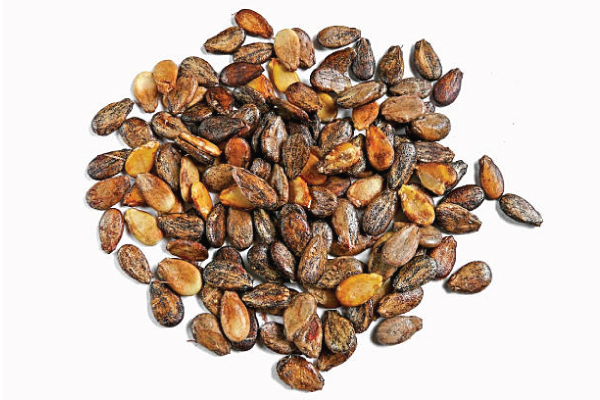
The traditional, hard, black seeds found in regular watermelons are the ones pet owners need to worry about the most. These seeds pose two primary concerns: mechanical obstruction and potential toxicity.
2. The Non-Risk: Immature White Seeds (and Seedless Watermelon)
Many watermelons today are “seedless.” The tiny, pale white husks or soft, undeveloped seeds you might find in these varieties are not a concern.
- Safety Profile: These white seeds are underdeveloped, soft, and easy to pass through the digestive system. They are essentially just fiber and carry no significant risk of obstruction or toxicity.
- Recommendation: If you want absolute peace of mind, always opt for seedless watermelon when sharing with your dog.
The Primary Danger: Gastrointestinal Obstruction
While toxicity is often the first fear associated with fruit seeds, the far more immediate and common risk from watermelon seeds is a physical blockage.
The Mechanism of Obstruction
Unlike the easily digestible flesh, the casings of mature black seeds are tough because they are designed to survive the digestive process.
If a dog eats a large quantity of these hard seeds, especially rapidly:
- Clumping: The seeds do not break down in the stomach. They can clump together in the stomach or small intestine.
- Impaction: This clump acts like a physical plug, preventing food and waste from passing through.
- Severity: An obstruction (or impaction) is a life-threatening veterinary emergency that often requires surgical intervention to fix.
Risk Varies by Dog Size
The risk of obstruction is highly dependent on the size of your dog:
| Dog Size | Hazard Level | Rationale |
|---|---|---|
| Small Breeds (e.g., Chihuahuas, Yorkers) | High Risk | Their tiny digestive tracts can be fully blocked by relatively few seeds. Avoidance is mandatory. |
| Medium/Large Breeds (e.g., Labs, German Shepherds) | Lower Risk | Their digestive tract is much wider, making it less likely that a small handful of seeds will cause a major blockage. However, a large, rapid quantity is still dangerous. |
Addressing the Toxicity Myth: The Cyanide Question
Many fruit seeds (like apples, cherries, and especially stone fruits) contain a compound known as amygdalin. When digested, amygdalin converts into hydrogen cyanide, a potent toxin.
Watermelon seeds do contain trace amounts of amygdalin, but here is the essential context:
The Reality Check
- Required Quantity: A dog would need to ingest an extremely large volume of crushed, chewed (allowing the toxin to release), mature black seeds in a single sitting before a toxic level of cyanide was reached. A few stray seeds accidentally ingested are highly unlikely to cause cyanide poisoning.
- Safety Buffer: The body has mechanisms to detoxify small amounts of cyanide.
- The True Danger: The danger of obstruction from the hardened seed material (fiber) vastly outweighs the theoretical danger of cyanide poisoning from a few seeds.
In summary: While the potential for cyanide exists, pet owners should focus their concern primarily on preventing obstruction, not toxicity.
Safe Hydration: A Step-by-Step Guide to Feeding Watermelon
To ensure your dog enjoys the benefits of watermelon without any risk, follow these preparation steps:
Step 1: Choose Wisely
The easiest and safest option is always to purchase a seedless watermelon. This eliminates 99% of the risk.
Step 2: Thorough Preparation
If you are using a melon with black seeds:
- Scoop and Seed: Cut the melon into chunks and meticulously remove every single black seed.
- Trim the Rind: The tough, green rind is indigestible and can lead to internal distress or blockages. Completely cut away all green and white rind before offering the flesh.
Step 3: Portion Control
Watermelon should always be a high-value treat, not a meal replacement.
- Moderation is Key: Treats should make up no more than 10% of their daily caloric intake.
- Serving Size: Offer small, diced cubes. For small dogs, a few teaspoons is sufficient. For large dogs, a small handful of cubes is appropriate.
Step 4: Creative Serving Suggestions (For Hot Days)
- Frozen Cubes: Freeze small, seedless cubes of watermelon flesh for a delightful, cooling treat.
- Watermelon Smoothie: Puree the flesh and freeze it into ice cube trays for a hydrating pup-sicle.
🚫 When to Contact Your Veterinarian
If you suspect your dog has eaten a large amount of seeded watermelon or is showing signs of distress, monitor them closely.
Seek immediate veterinary care if your dog exhibits any of the following symptoms, which are hallmarks of a gastrointestinal obstruction:
- Persistent Vomiting: Especially if they cannot keep water down.
- Lethargy and Weakness: Lack of energy or refusal to move.
- Abdominal Pain: Whining or flinching when the abdomen is touched (or appearing bloated).
- Lack of Appetite: Refusal to eat for over 12 hours.
- Straining or Inability to Defecate: Signs of constipation or blockage.
The Final Verdict
Can your dog eat seeds from watermelon?
Ideally, no. But a few stray white or pale seeds are harmless.
Your dog can absolutely enjoy the flavorful, hydrating benefits of watermelon, provided you take the simple preventative step of removing the black, mature seeds and the outer rind. When in doubt, always choose the seedless variety—it’s the easiest way to ensure a joyful, safe, and delicious summer treat!
======================
#DogWatermelonSeeds, #CanDogsEatSeeds, #WatermelonForDogs, #PetSafetyTips, #DogDietAdvice, #SummerDogTreats, #DogNutritionFacts, #SafeForDogs, #PetParenting







Add comment