
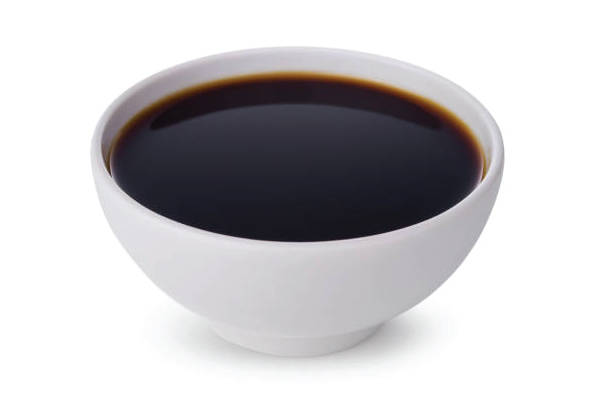
It’s a definite NO – dogs generally should not eat soy sauce. The primary concern, as you’ve highlighted, is the extremely high sodium content, which poses a significant health risk to our canine companions.
Here’s a comprehensive and detailed breakdown:
Can My Dog Eat Soy Sauce? (Sodium Risk)
The Short Answer: No, it is not recommended and can be dangerous.
1. The Overwhelming Sodium Risk (Salt Poisoning)
This is the main reason soy sauce is toxic to dogs.
- Extremely High Sodium: A single tablespoon of regular soy sauce can contain anywhere from 800 mg to over 1000 mg of sodium. To put this in perspective:
- An adult human’s daily recommended sodium intake is around 2,300 mg (and many consume more).
- A healthy adult dog (around 20-25 lbs) typically needs only around 20-100 mg of sodium per day for optimal health, according to the Association of American Feed Control Officials (AAFCO).
- This means just one teaspoon of soy sauce can provide a dangerous amount of sodium, far exceeding a dog’s daily requirement and approaching toxic levels quickly.
- How Sodium Affects Dogs (Hypernatremia / Salt Poisoning):
- Dehydration at a Cellular Level: When a dog ingests too much sodium, their body tries to balance the salt concentration by drawing water out of its cells, including brain cells. This leads to cellular dehydration.
- Electrolyte Imbalance: A sudden spike in sodium throws off the delicate balance of electrolytes essential for proper nerve, muscle, and organ function.
- Organ Strain: The kidneys work overtime trying to filter out the excess salt, putting them under severe stress. The brain is also highly susceptible to the effects of cellular dehydration.
- Symptoms: This can lead to a condition called hypernatremia, commonly known as salt poisoning.
2. Other Potential Concerns
While sodium is the primary danger, other ingredients can also be problematic:
- Wheat/Gluten: Many soy sauces contain wheat. Dogs can have sensitivities or allergies to gluten, leading to digestive upset.
- Soy: Some dogs can be allergic to soy, manifesting as skin issues or gastrointestinal problems.
- MSG (Monosodium Glutamate): Found in some soy sauces, while generally recognized as safe for humans in small amounts, it’s an unnecessary additive for dogs and could potentially cause issues in sensitive individuals.
- Onion/Garlic Powder: While not a primary ingredient in pure soy sauce, many marinades or processed foods that use soy sauce as a base may contain onion or garlic powder, both of which are toxic to dogs (causing red blood cell damage). Always check ingredient lists if your dog ingests something that might include soy sauce in a mix.
Symptoms of Sodium Poisoning in Dogs
The severity of symptoms depends on the amount of soy sauce ingested, the dog’s size, and its overall health. Symptoms can appear quickly or be delayed.
Mild to Moderate Symptoms:
- Excessive thirst
- Frequent urination
- Lethargy and weakness
- Vomiting
- Diarrhea
- Loss of appetite
- Disorientation
Severe Symptoms (Medical Emergency):
- Tremors or muscle spasms
- Ataxia (loss of coordination)
- Seizures
- Elevated body temperature
- Rapid heartbeat
- Swelling (edema)
- Coma
- Death
What To Do If Your Dog Eats Soy Sauce
This is a medical emergency, especially if a significant amount was consumed.
- Do NOT Wait for Symptoms: Even if your dog seems fine, high sodium ingestion can have delayed or sudden severe effects.
- Contact Your Veterinarian IMMEDIATELY: Call your vet or an emergency veterinary clinic right away.
- Provide them with as much information as possible:
- Your dog’s breed, age, and weight.
- How much soy sauce you suspect they ate.
- When they ate it.
- Any symptoms you’ve observed.
- Provide them with as much information as possible:
- Offer Fresh Water (If Conscious): If your dog is conscious and able to drink, offer them plenty of fresh water. This can help dilute the sodium in their system. However, do NOT force water on a dog that is vomiting or disoriented, as it could lead to aspiration.
- Do NOT Induce Vomiting Unless Instructed: Inducing vomiting can sometimes do more harm than good, especially with salt poisoning. Only do so if specifically instructed by your vet.
- Follow Veterinary Advice: Your vet may recommend hospitalization, intravenous fluids to rehydrate and slowly correct electrolyte imbalances, and supportive care to manage symptoms. Rapid correction of sodium levels can also be dangerous, so this needs to be done under strict veterinary supervision.
Prevention is Key
- Keep Out of Reach: Store soy sauce, marinades, and any food containing them, securely out of your dog’s reach.
- No Table Scraps: Never feed your dog human food that has been seasoned with soy sauce or other high-sodium ingredients.
- Be Mindful of Spills: Clean up any spills of soy sauce immediately and thoroughly.
- Educate Others: Make sure all family members and guests know not to give your dog any food that might contain soy sauce.
Safe Alternatives for Flavor
If you want to give your dog a little extra flavor, stick to dog-safe options:
- Plain, Unseasoned Cooked Meats: Small pieces of chicken, turkey, or beef (boiled or baked, no spices).
- Dog-Specific Broth: Look for low-sodium or unsalted broths specifically made for dogs, or make your own with no salt.
- Plain Vegetables: Cooked carrots, green beans, or sweet potato.
- Dog Treats: Opt for commercially available dog treats that are formulated for canine health.
In conclusion, soy sauce is a serious health hazard for dogs due to its extreme sodium content. Always err on the side of caution and keep it away from your pet.






Add comment