
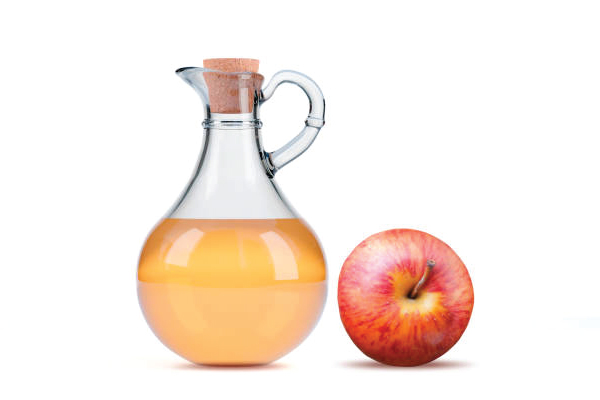
This is a comprehensive and detailed guide on whether a dog can consume vinegar, focusing on safety, benefits, risks, and proper usage.
Can My Dog Eat Vinegar? A Comprehensive Guide
The short answer is yes, in moderation and properly diluted, particularly when referring to Apple Cider Vinegar (ACV).
However, vinegar should never be given to a dog undiluted, and the type of vinegar, as well as the quantity, matters significantly.
I. Executive Summary: Safety & Key Concerns
| Vinegar Type | Safety for Internal Consumption | Key Considerations |
|---|---|---|
| Apple Cider Vinegar (ACV) | Generally Safe (Best Option) | Must be highly diluted. Used for mild health benefits. |
| Distilled White Vinegar | Safe (But Less Beneficial) | Safe for internal use if diluted, but rarely used for health benefits. Good for cleaning. |
| Balsamic Vinegar | Not Recommended | Too high in sugar and often mixed with flavorings, sodium, or oils. |
| Red Wine/Malt Vinegar | Not Recommended | Often contains high sodium or trace alcohol/sugar. |
| Vinegar-Based Dressings | Unsafe | Contain oils, sodium, garlic, onions, and sweeteners which can be toxic or cause severe GI upset. |
II. The Focus: Apple Cider Vinegar (ACV)
Apple Cider Vinegar is the only type of vinegar widely recommended by holistic vets and pet owners for potential health benefits. It contains beneficial compounds such as acetic acid, vitamins, minerals, and enzymes.
For internal use, it is best to use raw, unfiltered ACV with the “mother” (the cloudy strands of yeast and bacteria), as this is rich in probiotics and nutrients.
Potential Benefits of Giving ACV to Dogs (Internal Use)
When added to water or food, ACV is believed to offer several mild health benefits, though research is limited and results vary widely:
- Digestive Health: ACV is a natural probiotic that may help introduce healthy bacteria to the gut, aiding in digestion and nutrient absorption.
- Urinary Health and pH Balance: The acetic acid in ACV can help slightly acidify the urine, which may discourage the growth of some types of harmful bacteria and crystals that lead to urinary tract infections (UTIs) or stones.
- Blood Sugar Regulation: Some studies suggest that acetic acid may help stabilize blood sugar levels, which could be helpful for dogs with insulin resistance (always consult a vet for diabetic dogs).
- Mineral Absorption: ACV may improve the dog’s ability to absorb essential minerals from their food.
Internal Usage Guidelines (Safety First!)
The most crucial rule is dilution. Never allow a dog to drink or consume undiluted vinegar.
| Dog Weight | Maximum Daily Dose (Diluted in water/food) |
|---|---|
| Small Dogs (Under 20 lbs) | 1/2 teaspoon |
| Medium Dogs (20–40 lbs) | 1 teaspoon |
| Large/Giant Dogs (Over 40 lbs) | 1–2 teaspoons |
Pro Tip: Start with a very small amount (a few drops) and gradually increase over several weeks. If your dog refuses to drink the water with ACV, do not force them. Try mixing it directly into their wet food instead.
III. Risks and Side Effects of Vinegar Consumption
While ACV is generally safe if used correctly, misuse can cause significant problems:
1. Gastrointestinal Upset
Vinegar is acidic. If a dog consumes too much or if it is not adequately diluted, it can irritate the sensitive lining of the stomach, leading to:
- Vomiting
- Diarrhea
- Loss of appetite
- Stomach pain
2. Esophageal and Dental Erosion
The high concentration of acetic acid can damage the enamel on the dog’s teeth and irritate the esophagus and mouth if consumed undiluted. High concentrations can cause chemical burns to the sensitive mucous membranes.
3. Palatability Issues
Dogs have a strong sense of smell and often dislike the taste and pungent odor of vinegar. Forcing a dog to consume vinegar by mixing it into their only water source can lead to dehydration if they refuse to drink.
4. Drug Interactions
If your dog is on medication, especially those for blood sugar control, kidney function, or UTIs, ACV could potentially react with the drugs. Always consult your veterinarian before adding vinegar to the regimen of a medicated pet.
IV. Vinegar Use Beyond Internal Consumption (External Applications)
Vinegar, particularly white vinegar or ACV, is highly beneficial for external use on and around dogs due to its antimicrobial and acidic properties.
1. Cleaning and Disinfecting
- Kennels and Crates: A diluted solution (50/50 water and white vinegar) is excellent for cleaning dog bowls, crates, and toys, as it is a natural disinfectant and deodorizer that is safe for dogs to ingest in trace amounts after cleaning.
- Accident Cleanup: Vinegar neutralizes the alkaline compounds in urine, eliminating odors more effectively than many commercial cleaners (which often just mask the smell).
2. Skin and Coat Health
- Rinse for Itchy Skin: Diluted ACV (1 part ACV to 3 parts water) can be placed in a spray bottle and misted onto a dog’s coat after a bath. It helps soothe itchy skin, reduce flakiness, and restore the natural pH balance of the skin, leading to a shinier coat.
- Hot Spots and Skin Rashes: A highly diluted solution can be dabbed onto minor rashes or “hot spots” (avoiding open wounds) to help dry them out and prevent infection. Caution: Never apply to open sores or very raw skin, as the acid will sting intensely.
3. Flea and Tick Repellent (Topical)
Some owners use a highly diluted ACV spray (1 part ACV to 5 parts water) as a mild, natural flea and tick repellent. It will not kill pests, but the scent and acidic taste may deter them. This should never replace veterinary-approved parasite control.
4. Ear Cleaning
A mixture of 1 part ACV to 1 part water or witch hazel can be used as a mild ear wash to help change the pH environment in the ear, discouraging yeast and bacteria growth. Never use vinegar if the dog has a ruptured eardrum or severe, raw inflammation.
V. Final Recommendation and When to Contact a Vet
Vinegar can be a safe and useful addition to a dog’s life, primarily as a cleaning product or as a highly diluted dietary supplement (using ACV).
Key Takeaways:
- Dilution is Mandatory: Never give your dog undiluted vinegar.
- Monitor Intake: If your dog shows any signs of stomach upset or refuses their water/food, stop using vinegar immediately.
- Avoid Flavorings: Steer clear of all specialty vinegars (balsamic, red wine) and all salad dressings.
Always consult your veterinarian before introducing vinegar if your dog has:
- Pre-existing stomach conditions (IBD, chronic vomiting).
- Kidney or bladder stones (certain stones react badly to pH changes).
- Any chronic disease (especially diabetes).
- Ongoing medication.
#CanMyDogEatVinegar, #DogHealthTips, #PetNutrition, #AppleCiderVinegarForDogs, #DogSafety, #DogDiet, #HealthyPups, #DogWellness, #VinegarForPets, #PetCare101, #DogOwners, #DogLovers, #DogLife, #CanineNutrition, #HolisticPetCare, #NaturalPetRemedies, #DogDigestiveHealth, #PetFAQ, #DogFriendlyFoods, #DogFoodSafety, #VetApproved, #DogDentalCare, #FleaPrevention, #DogSkinCare, #PetWellbeing, #DogTreats, #SafePetIngredients, #DogLifestyle, #DogCommunity, #DogsofInstagram, #PupHealth, #DogTips, #DogHealthMatters, #PetHealth, #DogLiving, #DogAndVinegar, #AcidicFoodsPets, #HealthyDogHabits, #DogFoodAlternatives, #DogNutritionFacts, #DogCareGuide






Add comment