
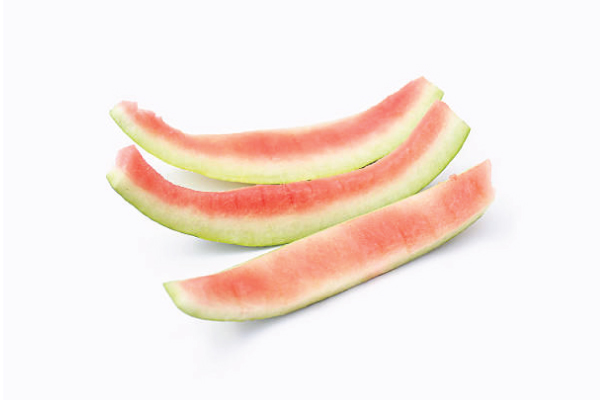
Ah, watermelon season! That sweet, juicy, red delight that signals summer is in full swing. And where there’s watermelon, there’s often a furry friend eagerly watching, hoping for a taste. While the flesh of the watermelon is generally a safe and healthy treat for our canine companions, what about the part we usually discard – the rind?
This is a question that pops up often among dog owners, and for good reason! We want to share the joy (and the nutrients) of our favorite summer fruits with our pups, but we also want to ensure their safety. So, let’s dive deep and explore whether your dog can safely munch on watermelon rind.
The Short Answer: Yes, But With Caveats!
The good news is, yes, dogs can generally eat watermelon rind. However, it’s not as simple as just handing over a big chunk of green. There are important considerations to keep in mind to make sure it’s a safe and beneficial addition to their diet.
What’s So Great About Watermelon (Flesh and Rind)?
Before we get to the rind specifics, let’s quickly touch on why watermelon, in general, is a good option for dogs.
- Hydration: As you might guess from its name, watermelon is packed with water (over 90%!), making it an excellent way to keep your dog hydrated, especially on hot days.
- Nutrients: It’s a good source of vitamins A, B6, and C, as well as potassium and lycopene (a powerful antioxidant).
- Low in Calories: For dogs who need to watch their weight, watermelon is a relatively low-calorie treat compared to many commercial options.
Now, let’s focus on the rind. Even the “inedible” part of the watermelon holds some nutritional value:
- Fiber: The rind contains a good amount of fiber, which can be beneficial for your dog’s digestive health, promoting regular bowel movements.
- Water Content: While less than the flesh, the rind still contributes to hydration.
- Chlorophyll: This is the green pigment found in plants and can act as a mild detoxifier.
So, What Are the “Caveats”?
While the rind is generally safe, here’s what you need to pay close attention to:
- Choking Hazard (Especially Large Pieces): This is the most significant concern. Watermelon rind is tough and can be difficult for dogs to chew thoroughly. Large, unchewed pieces can pose a serious choking risk, particularly for smaller dogs or those who tend to gobble their food.
- Solution: Always cut the rind into small, manageable pieces that your dog can easily chew and swallow. Think bite-sized!
- Digestive Upset (Too Much Too Soon): Just like with any new food, introducing too much watermelon rind at once can lead to digestive issues. The high fiber content, while beneficial in moderation, can cause:
- Diarrhea
- Vomiting
- Stomach upset
- Solution: Start with a very small piece and observe your dog’s reaction. Gradually increase the amount if they tolerate it well, but always offer it in moderation.
- Potential for Blockages (Seeds and Excess Ingestion): While the rind itself is digestible, the seeds within are not. If your dog ingests a large number of seeds along with the rind, it can potentially lead to intestinal blockages. This is more of a concern if you’re feeding rind that still has many seeds attached.
- Solution: It’s best to remove as many seeds as possible from the rind before feeding it to your dog. If you are feeding a large amount of rind, ensure you’ve meticulously de-seeded it.
- Pesticides and Wax: If you’re not buying organic watermelon, the rind might be coated with pesticides or wax. These can be harmful to your dog if ingested.
- Solution: Thoroughly wash the entire watermelon before cutting it, especially if you plan to feed the rind.
How to Safely Offer Watermelon Rind to Your Dog:
Given these considerations, here’s a step-by-step guide to safely introducing watermelon rind to your canine companion:
- Choose Wisely: Opt for fresh, ripe watermelons.
- Wash Thoroughly: Always wash the outside of the watermelon with cool water and a vegetable brush to remove any dirt, pesticides, or wax.
- Trim the Green Skin: The tough, dark green outer layer of the rind can be difficult to digest and may cause stomach upset. It’s generally recommended to peel this off.
- Remove Seeds: Meticulously remove all seeds from the white inner part of the rind.
- Cut into Manageable Pieces: Slice the white rind into small, bite-sized cubes. The size will depend on your dog’s breed and chewing ability, but err on the side of smaller.
- Introduce Gradually: Offer just one or two small pieces initially.
- Supervise: Always supervise your dog while they are eating watermelon rind to prevent choking.
- Moderation is Key: Watermelon rind should be an occasional treat, not a staple in your dog’s diet. A few small pieces a few times a week is generally sufficient.
- Observe for Reactions: Watch your dog for any signs of digestive distress (diarrhea, vomiting, gas) in the hours and days following consumption. If you notice any issues, discontinue feeding the rind and consult your veterinarian.
- Consider Freezing: For an extra cooling treat on a hot day, you can freeze small pieces of the white rind. This can also make them a bit softer and easier to chew for some dogs.
When to Avoid Watermelon Rind:
- Dogs with Sensitive Stomachs: If your dog is prone to digestive upset, it might be best to stick to the watermelon flesh.
- Dogs with Health Conditions: If your dog has any underlying health issues, especially kidney problems (due to potassium content) or diabetes (due to natural sugars in watermelon in general), consult your veterinarian before introducing new treats.
- Young Puppies: Their digestive systems are still developing, so extra caution is advised.
The Bottom Line:
Watermelon rind can be a safe and hydrating treat for your dog when prepared correctly and given in moderation. The key is to remove the tough outer green skin, thoroughly de-seed it, and cut it into small, manageable pieces to avoid choking and digestive issues.
As with any new food, always introduce it gradually and monitor your dog for any adverse reactions. When in doubt, it’s always best to err on the side of caution and consult your veterinarian.
So go ahead, enjoy your watermelon, and perhaps share a little of that refreshing white rind with your furry best friend – just make sure it’s done the safe and smart way!
=========================
#DogSafety #CanMyDogEatWatermelonRind #WatermelonRindForDogs #DogDiet #PetHealth #SummerTreatsForDogs #WatermelonForDogs






Add comment