
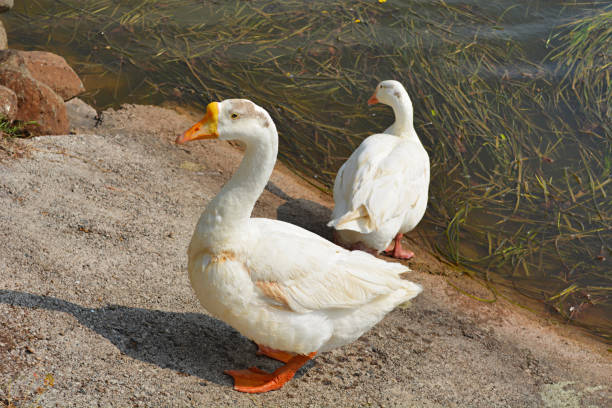
Candidiasis, commonly known as thrush, is a fungal infection caused primarily by the yeast Candida albicans but also by other Candida spp. While the disease is most frequently discussed in mammals—especially infants and immunocompromised humans—it also affects a wide range of avian species, including domestic and wild ducks. In waterfowl, thrush manifests as oral, esophageal, crop, or gastrointestinal lesions that can rapidly impair feeding, growth, and overall health.
For backyard hobbyists, small‑scale commercial producers, and wildlife rehabilitators, understanding the intricacies of duck candidiasis is essential. The infection can masquerade as bacterial or viral diseases, making accurate diagnosis challenging. Moreover, because Candida thrives in moist, warm environments—a condition typical of duck housing—preventive management is as crucial as therapeutic intervention.
This guide offers an exhaustive look at the disease, from microbiology to practical husbandry tips, with a focus on evidence‑based recommendations that can be applied across a spectrum of duck‑keeping operations.
2. What Is Candidiasis (Thrush) in Ducks?
Candidiasis in ducks is an opportunistic yeast infection that predominantly affects the mouth, crop, esophagus, and proximal gastrointestinal tract. The disease is sometimes referred to as “oral thrush” or “crop thrush,” depending on the primary site of lesions.
- Etiologic agent: Candida albicans (most common) and other Candida species such as C. glabrata, C. tropicalis, C. parapsilosis.
- Morphology: Dimorphic yeast capable of budding yeast cells and filamentous pseudohyphae; the latter are important for tissue invasion.
- Transmission: Primarily endogenous—overgrowth of commensal Candida within the bird’s own microbiota—facilitated by environmental stressors, immunosuppression, or disruption of normal flora. Horizontal transmission via contaminated water, feed, or equipment can occur, especially in high‑density settings.
3. Etiology – The Causes
| Factor | Description | How It Contributes to Thrush |
|---|---|---|
| Microbial Load | High environmental Candida counts in water, bedding, or feed. | Provides a larger inoculum that can colonize the oral cavity. |
| Immunosuppression | Viral infections (e.g., duck viral hepatitis, duck reovirus), parasitism (coccidiosis, helminths), stress hormones, nutritional deficiencies (vitamin A, E, selenium). | Reduces host defenses, allowing overgrowth. |
| Antibiotic Use | Broad‑spectrum bactericidal agents (e.g., tetracyclines, fluoroquinolones). | Disrupts normal bacterial flora that normally compete with Candida. |
| Moisture & Warmth | Poorly ventilated housing, wet bedding, standing water. | Creates ideal conditions for yeast proliferation. |
| Traumatic Injuries | Pecking injuries, crop impaction, rough handling. | Provides entry points for yeast to invade sub‑mucosal tissues. |
| Poor Hygiene | Overcrowding, contaminated feeders/drinkers, dirty nesting boxes. | Maintains a reservoir of infectious particles. |
| Age & Physiologic Stress | Molting, breeding, rapid growth phases. | Metabolic demands and hormonal shifts modulate immunity. |
Key point: Thrush is rarely a primary infection; it usually follows a predisposing event that tips the delicate balance between host immunity, normal flora, and environmental load.
4. Epidemiology – Which Ducks Are Most Affected?
- Geographic distribution: Global; reported in North America, Europe, Asia, and Australia. Outbreaks are more common in temperate climates where indoor housing is prolonged.
- Production systems:
- Intensive commercial duck farms (e.g., meat ducks, foie gras production) where stocking density exceeds 15–20 kg/m².
- Backyard flocks with limited biosecurity; especially those that share water sources with wild waterfowl.
- Wild waterfowl rehabilitations where stress and antibiotic exposure are common.
- Seasonality: Higher incidence in late spring and early summer when temperatures rise and humidity is high, but outbreaks can occur year‑round in heated indoor facilities.
5. Duck Breeds at Risk (With Detailed Explanations)
Although Candida does not display strict breed specificity, certain duck breeds exhibit heightened susceptibility due to genetic, behavioral, or management‐related traits. Below is a breed‑by‑breed discussion, focusing on those most frequently kept by hobbyists and small‑scale producers.
5.1 Pekin (Aylesbury)
- Why at risk: The Pekin is the world’s most popular meat‑duck breed. It is selected for rapid growth (up to 4 kg in 6 weeks), which imposes a high metabolic demand and often results in a transient immunosuppressed state during the early growth phase. Rapid weight gain also predisposes to crop impaction, creating a moist, stagnant environment where Candida can proliferate.
- Management notes: High‑density indoor rearing, frequent use of antibiotics, and limited outdoor access exacerbate risk.
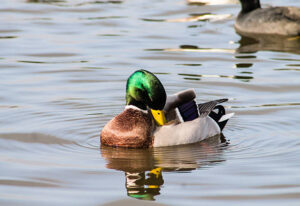
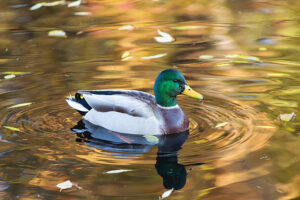
5.2 Mallard (Anas platyrhynchos) – Domestic
- Why at risk: Domestic Mallards retain many wild‑type behaviors, including frequent water immersion. Their natural inclination to dabble and preen in water leads to constant wetness of the oral cavity and crop. When housed in artificial ponds that lack proper filtration, Candida loads can become substantial.
- Management notes: Outdoor pens with clean water sources reduce risk; however, contact with wild Mallards can also introduce resistant strains.
5.3 Runner Ducks
- Why at risk: Known for their active foraging and tendency to peck aggressively at feed. This behavior can cause minor oral trauma, providing portals of entry for yeast. Additionally, the breed’s relatively thin skin and high metabolic output can stress the immune system during breeding seasons.
5.4 Muscovy (Cairina moschata)
- Why at risk: Muscovy ducks have a longer crop and a more complex gizzard compared to other domestic breeds. Their slower digestive transit time can result in longer exposure of the crop to moist feed, fostering yeast growth. Muscovies are also frequently used in free‑range systems where they share water sources with wild birds, increasing exposure to environmental Candida.
5.5 Khaki Campbell
- Why at risk: Primarily an egg‑laying breed, the Khaki Campbell experiences reproductive stress during peak laying periods. Hormonal fluctuations (estrogen surge) can modulate mucosal immunity, making the oral and crop mucosa more permissive to fungal colonization.
5.6 Exotic or Heritage Breeds (e.g., Rouen, Aylesbury)
- Why at risk: These breeds are often reared in heritage‑style farms with lower stocking densities but may be subjected to less rigorous veterinary oversight. Owners may rely on traditional practices, including “herbal dips” or unregulated antibiotic use, which can disrupt normal flora.
Bottom line: While any duck can develop candidiasis, fast‑growing meat breeds (Pekin, Runner), water‑intensive breeds (Mallard, Muscovy), and reproductively active layers (Khaki Campbell) present the highest risk profiles. Recognizing breed‑specific vulnerabilities enables targeted preventive measures.
6. Life‑Stage Susceptibility
| Life Stage | Typical Age (Days) | Risk Factors | Clinical Implications |
|---|---|---|---|
| Embryo | 0‑21 (incubation) | Contaminated incubator humidity, Candida spores in hatchery equipment | Rare; may cause hatch failure if severe. |
| Hatchling/Chick | 0‑14 | Wet brood area, weak immune system, high‑protein starter diets that ferment | Early oral thrush; may impede feeding leading to failure to thrive. |
| Grower | 15‑45 | Rapid growth, high stocking density, feed spillage creating wet litter | Crop impaction + thrush; weight loss, stunted growth. |
| Finisher/Pre‑slaughter | 45‑60+ | Stress from transport, handling, feed withdrawal | Sudden onset of oral lesions; may affect meat quality. |
| Adult Breeder | >60 | Molting, egg‑laying stress, hormonal changes | Intermittent thrush, decreased egg production. |
| Seniors/Elderly | >2 years | Chronic disease, immunosenescence | Chronic thrush, secondary bacterial infections. |
Key message: The youngest birds (hatchlings and growers) and breeding adults are the most vulnerable due to either immature immunity or physiologic stress. Prompt detection during these windows can prevent population‑wide outbreaks.
7. Clinical Presentation – Signs & Symptoms
7.1 General Signs
- Anorexia or reduced feed intake – often the first clue.
- Weight loss or failure to gain weight appropriate for age.
- Lethargy and decreased activity.
- Drooling or excessive salivation (especially in severe oral lesions).
7.2 Specific Oral & Crop Findings
| Lesion Site | Typical Appearance | Associated Clinical Effect |
|---|---|---|
| Mouth (labia, tongue, palate) | White, creamy plaques; may be raised or flat; can be scraped off leaving red base. | Painful chewing, reduced preening, difficulty swallowing. |
| Crop | White, cotton‑like material adherent to mucosa; the crop may appear distended or “floppy”. | Impaired crop emptying, regurgitation, aspiration risk. |
| Esophagus | Pseudomembranous white patches seen on endoscopy; rarely visible externally. | Dysphagia, possible aspiration pneumonia. |
| Gizzard | Secondary lesions possible if yeast passes into lower GI tract; may appear as yellowish, soft masses. | Reduced digestion efficiency, softer stools. |
7.3 Systemic Manifestations
- Diarrhea or soft, malodorous droppings (if gastrointestinal spread).
- Respiratory signs (cough, sneezing) if aspiration occurs.
- Secondary bacterial infections – purulent discharge, cellulitis around the beak or jaw.
7.4 Behavioral Indicators
- Preening abnormalities – birds may avoid preening the head due to pain.
- Increased water consumption – trying to soothe oral irritation.
Note on severity: Early infections may present with only subtle feed reduction, whereas advanced disease can result in complete crop obstruction, leading to rapid death if untreated.
8. Pathophysiology – How the Fungus Damages the Host
- Colonization – Candida adheres to mucosal epithelial cells via adhesins (ALS family proteins).
- Morphologic Switch – Under stress (e.g., high temperature, low pH), yeast cells convert to pseudohyphae, which are more invasive.
- Tissue Invasion – Hyphal forms penetrate intercellular junctions, secreting hydrolytic enzymes (proteinases, phospholipases) that degrade epithelial layers.
- Immune Evasion – Candida masks β‑glucan exposure, dampening recognition by pattern‑recognition receptors (TLR2, Dectin‑1).
- Inflammatory Response – Host immune cells (macrophages, heterophils) infiltrate, producing cytokines (IL‑1β, TNF‑α). Excessive inflammation leads to ulceration and necrosis.
- Secondary Bacterial Overgrowth – Damaged mucosa allows opportunistic bacteria (e.g., Staphylococcus, E. coli) to colonize, compounding tissue damage and systemic sepsis.
9. Differential Diagnosis
| Condition | Key Distinguishing Features |
|---|---|
| Bacterial Crop Stasis | Yellowish, foul‑smelling material; bacterial culture positive for Clostridium spp. |
| Avian Pox | Nodular lesions on skin and mucosa; DNA PCR positive for poxvirus. |
| Mycoplasmal Respiratory Disease (MRD) | Respiratory signs dominate; lesions are more systemic; PCR for Mycoplasma spp. |
| Coccidiosis | White, chalky feces; intestinal lesions on necropsy; oocysts in fecal flotation. |
| Nutritional Deficiencies (e.g., vitamin A) | Squamous metaplasia of oral mucosa, feather abnormalities; low serum vitamin A. |
| Traumatic Crop Impaction | No white plaque, but palpable hard mass; radiographs show crop dilation. |
| Viral Hemorrhagic Disease | Sudden death, widespread hemorrhages; PCR for DHV‑1. |
| E. coli Septicemia | Systemic signs, liver necrosis; bacterial culture positive. |
A systematic work‑up that includes clinical examination, lesion sampling, and laboratory testing is essential to differentiate candidiasis from these mimics.
10. Diagnostic Work‑up
10.1 Clinical Examination
- Visual inspection of oral cavity and crop using a stiff‑light otoscope or a small video endoscope.
- Palpation of crop to assess consistency (soft vs. firm).
10.2 Sample Collection
| Sample Type | Method | Transport |
|---|---|---|
| Oral swab | Sterile cotton swab rubbed over plaques; rotate to collect material. | Amies transport medium, processed within 24 h. |
| Crop aspirate | 22‑G needle attached to sterile syringe; aspirate minimal fluid. | Refrigerated (4 °C) for culture. |
| Fecal sample | Fresh droppings collected in sterile container. | Same as above. |
| Blood | Venipuncture of jugular or leg vein for CBC, biochemistry, and blood culture (if systemic infection suspected). | EDTA for CBC; serum separator tube for chemistry; aerobic/anaerobic bottles for culture. |
10.3 Laboratory Analyses
- Direct Microscopy – Wet mount with 10 % potassium hydroxide (KOH) reveals budding yeast and pseudohyphae.
- Culture – Inoculate on Sabouraud Dextrose Agar (SDA) with chloramphenicol; incubate at 30–35 °C for 48–72 h. Colonies: creamy, white‑to‑cream, smooth. Confirm with germ tube test or CHROMagar™ Candida.
- Molecular Identification – PCR targeting ITS region; sequencing for species‑level identification, useful for antifungal resistance profiling.
- Histopathology (if bird is euthanized) – Formalin‑fixed tissue sections stained with Periodic Acid‑Schiff (PAS) or Gomori Methenamine Silver (GMS) to visualize hyphal invasion.
- Blood Work – CBC often shows heterophilia and mild anemia; biochemistry may reveal elevated liver enzymes if systemic spread occurs.
10.4 Diagnostic Algorithm (Simplified)
- Clinical suspicion → 2. Swab/aspirate → 3. KOH mount (quick screen) → 4. Culture (gold standard) → 5. PCR (species & resistance) → 6. Treatment decision.
11. Treatment Options
11.1 General Therapeutic Principles
- Early intervention is critical; the sooner the yeast burden is reduced, the better the outcome.
- Address underlying predisposing factors (e.g., improve ventilation, reduce crowding, eliminate antibiotic over‑use).
- Supportive care (fluid therapy, nutritional supplementation) is essential to prevent secondary complications.
11.2 Antifungal Pharmacology
| Drug | Formulation | Dosage (Duck) | Route | Duration | Comments |
|---|---|---|---|---|---|
| Fluconazole | Oral suspension (100 mg / 5 mL) | 10 mg/kg body weight | Oral (gavage) or in water | 5–7 days | Fungistatic; good oral bioavailability; safe in laying ducks. |
| Itraconazole | Oral solution (10 mg/mL) | 5 mg/kg | Oral | 7–10 days | Better tissue penetration; may cause hepatotoxicity – monitor liver enzymes. |
| Miconazole | Topical gel (2 %); or spray | 0.2 mL per lesion | Topical | 3–5 days | Useful for localized oral plaques; does not reach deeper tissues. |
| Nystatin | Oral suspension (100 000 U/mL) | 200 000 U/kg | Oral | 5 days | Poor systemic absorption – only for superficial infections. |
| Amphotericin B (liposomal) | Injectable | 0.5 mg/kg | Intramuscular | 3 days | Reserved for refractory or systemic cases; expensive; monitor renal function. |
| Terbinafine | Oral tablets (250 mg) | 5 mg/kg | Oral | 7 days | Limited data in waterfowl; may be used off‑label under veterinary supervision. |
Note: Dosage regimens are based on limited avian pharmacokinetic studies; always adjust according to body condition and consult a veterinary pharmacologist when possible.
11.3 Supportive & Adjunctive Measures
- Probiotics: Lactobacillus spp. (e.g., L. acidophilus 1 × 10⁹ CFU / bird per day) to re‑establish a healthy bacterial flora.
- Vitamin A & E supplementation: 10 000 IU vitamin A and 200 IU vitamin E per kg feed for 2 weeks to enhance mucosal immunity.
- Electrolyte fluids: 2 % glucose + 0.5 % sodium chloride solution (10 mL per 500 g body weight) administered subcutaneously for dehydrated birds.
- Environmental modifications: Reduce humidity to <60 %, improve ventilation to achieve 6–8 air‑changes per hour, and replace wet bedding daily.
11.4 Treatment of the Environment
- Disinfection: Use 1 % sodium hypochlorite (bleach) or hydrogen peroxide (3 %) to clean water troughs, feeders, and housing.
- Drying: Ensure all equipment is thoroughly dried before reuse; Candida cannot survive on dry surfaces for long.
- Water Treatment: Add food‑grade potassium peroxymonosulfate (e.g., Oxone) at 1 g/L for 30 minutes, then rinse.
11.5 Monitoring Response
- Re‑examine oral cavity daily; plaques should diminish within 48 hours of effective therapy.
- Repeat culture on day 5 to confirm eradication; if still positive, extend therapy by another 3–5 days.
12. Prognosis & Potential Complications
| Stage | Prognosis | Common Complications |
|---|---|---|
| Early/localized | Excellent (>90 % recovery) | Minimal; occasional secondary bacterial infection. |
| Moderate (crop involvement) | Good (70‑85 %) if treated promptly | Crop rupture, aspiration pneumonia, weight loss. |
| Severe/systemic | Guarded to poor (<50 %) | Septicemia, liver/kidney failure, chronic dysphagia, mortality. |
| Untreated | Poor; often fatal within 1‑2 weeks | Cachexia, secondary bacterial sepsis, death from starvation. |
Key prognostic factors: age (younger birds fare worse), underlying immunosuppression, presence of secondary bacterial infection, and timeliness of therapy.
13. Prevention Strategies
13.1 Husbandry & Environmental Controls
- Ventilation: Aim for ≥ 6 air changes per hour; use cross‑ventilation in indoor houses.
- Dry Bedding: Replace litter at least twice weekly; use absorbent materials such as pine shavings or sand.
- Water Management:
- Provide fresh, clean water daily; avoid standing water.
- Use UV‑treated water or chlorination (0.5 ppm free chlorine) to limit yeast load.
- Stocking Density: Keep density at ≤ 10 kg/m² for meat ducks; lower for breeding or heritage breeds.
- Biosecurity: Separate new arrivals for a 2‑week quarantine; disinfect footbaths and equipment between flocks.
13.2 Nutritional Interventions
- Balanced diet with at least 2 % crude protein for growers and 1.5 % for adults; avoid excessive carbohydrates that ferment in the crop.
- Incorporate pre‑biotics (e.g., inulin, mannan‑oligosaccharides) at 0.5 % of feed to foster beneficial bacteria.
- Supplementation:
- Vitamin A: 10 000 IU/kg feed (prevents squamous metaplasia).
- Vitamin E: 200 IU/kg feed (antioxidant protection).
- Selenium: 0.3 ppm (immune support).
13.3 Management of Antibiotics
- Prudent use: Reserve broad‑spectrum antibiotics for confirmed bacterial infections; avoid prophylactic mass medication.
- Alternatives: Consider phytobiotics (e.g., oregano oil, garlic extract) with known anti‑fungal activity for mild cases or as preventive feed additives.
13.4 Routine Health Monitoring
- Weekly oral examinations for growers and breeding adults.
- Record‑keeping of feed consumption, weight gain, and morbidity/mortality data to detect early deviations.
13.5 Vaccination & Immunomodulation (Emerging)
- While no specific Candida vaccine exists for ducks, beta‑glucan supplements (derived from yeast cell walls) have shown immunostimulatory effects in poultry and may reduce colonization pressure.
14. Nutrition & Dietary Management
14.1 Role of Diet in Disease Resistance
- Protein quality influences immune cell proliferation. A deficiency (< 16 % for grow‑outs) compromises heterophil function.
- Carbohydrate overload (especially simple sugars) can increase Candida growth in the crop by raising the osmotic environment and providing fermentable substrates.
- Fatty acids such as Omega‑3 (EPA/DHA) have anti‑inflammatory properties and can modulate mucosal immunity.
14.2 Practical Feeding Guidelines
| Phase | Feed Composition | Feeding Frequency | Special Additives |
|---|---|---|---|
| Starter (0‑14 d) | 22–24 % protein, 8 % fat, 3 % fiber; include fine‑ground corn & soy. | Small portions 4‑5 × day | Probiotic starter (e.g., Bacillus subtilis 10⁶ CFU/g). |
| Grower (15‑45 d) | 18–20 % protein, 6 % fat, 4 % fiber. | 3 × day | Pre‑biotic (inulin 0.5 %); vitamin A & E premix. |
| Finisher (≥ 45 d) | 16–18 % protein, 5 % fat, 5 % fiber. | 2 × day | Selenium (0.3 ppm); optional yeast‑cell wall β‑glucan (0.2 %). |
| Breeders (Adult) | 14–16 % protein, 4 % fat, 6 % fiber. | 2 × day | Calcium‑phosphorus ratio 1.5:1; added vitamin D3 (4000 IU/kg). |
14.3 Feed Hygiene
- Store feed in sealed, cool containers to prevent moisture absorption.
- Rotate stock to avoid fungal growth in old feed; discard any feed that smells musty or shows visible mold.
14.4 Water Nutrition
- Add electrolytes (sodium, potassium, magnesium) during heat stress to encourage water intake and maintain gut motility.
- Avoid sugary or medicated water unless prescribed, as sugar can feed Candida.
15. Zoonotic Potential – Risks to Humans
- Species involved: Candida albicans is a common human commensal; however, certain non‑albicans species (C. glabrata, C. tropicalis) exhibit increased resistance to azoles and may be transmitted from birds to immunocompromised individuals.
- Transmission routes:
- Direct contact with infected oral lesions, crop secretions, or contaminated bedding.
- Aerosolization during cleaning of wet litter or when handling birds with respiratory involvement.
- Indirect via contaminated equipment, hands, or clothing.
- Human disease spectrum: Mostly superficial mucocutaneous candidiasis (thrush, diaper rash) but can precipitate invasive candidemia in severely immunocompromised patients (e.g., chemotherapy, HIV/AIDS).
- Preventive measures for handlers:
- Wear gloves and disposable gowns when dealing with affected birds.
- Perform hand hygiene with soap and alcohol‑based sanitizer after each contact.
- Disinfect surfaces with 1 % bleach solution and allow adequate contact time (10 min).
- Avoid feeding sick birds or cleaning their droppings if you are immunocompromised.
Bottom line: While the zoonotic risk of duck candidiasis is low for healthy individuals, it is non‑negligible for those with compromised immunity. Proper biosecurity significantly reduces any potential transmission.
16. Summary & Key Take‑aways
- Candidiasis in ducks is an opportunistic yeast infection, most commonly affecting the oral cavity, crop, and proximal GI tract.
- Predisposing factors include immunosuppression, high humidity, overcrowding, antibiotic use, and trauma.
- Breeds at greatest risk are fast‑growing meat ducks (Pekin, Runner), water‑intensive breeds (Mallard, Muscovy), and high‑producing layers (Khaki Campbell).
- Young birds and breeding adults are the most susceptible life stages.
- Clinical signs range from mild anorexia to severe crop obstruction with white plaques.
- Diagnosis relies on a combination of clinical observation, KOH wet mounts, culture on Sabouraud agar, and, when needed, PCR.
- Treatment hinges on systemic antifungals (fluconazole, itraconazole) plus topical agents for localized lesions; supportive care and environmental decontamination are indispensable.
- Prognosis is excellent when treated early; delayed therapy can lead to systemic disease and high mortality.
- Prevention focuses on optimal husbandry (dry, well‑ventilated housing), balanced nutrition, judicious antibiotic use, and routine health monitoring.
- Zoonotic risk exists but is minimal for healthy people; immunocompromised handlers should employ strict PPE and hygiene.
By integrating these guidelines into daily management practices, duck owners—whether hobbyists, commercial producers, or wildlife rehabilitators—can dramatically reduce the incidence and impact of candidiasis, safeguarding both avian welfare and public health.
#DuckHealth, #CandidiasisInDucks, #DuckThrush, #AvianFungalInfection, #PekinDuckCare, #MallardHealth, #RunnerDuck, #MuscovyDuck, #KhakiCampbell, #WaterfowlWellness, #DuckNutrition, #DuckBiosecurity, #PoultryMedicine, #VeterinaryAvian, #DuckFarming, #BackyardDucks, #DuckPrevention, #ZoonoticAwareness, #FungalDisease, #DuckCareTips, #FarmAnimalHealth, #AnimalWelfare, #DuckHusbandry, #DuckOwnerCommunity, #YouTubeAvianHealth, #InstagramDucks, #FacebookDuckCare
Add comment