
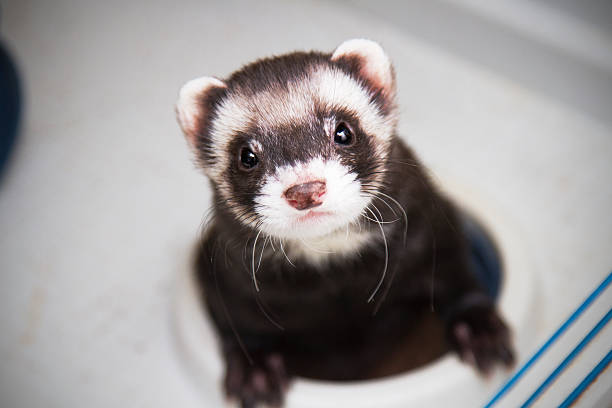
Ferrets, with their playful antics, curious nature, and sleek bodies, have charmed their way into countless homes, becoming cherished members of families worldwide. These intelligent, mischievous mustelids bring immense joy and laughter to their owners. However, beneath their resilient appearance lies a profound vulnerability to one of the most devastating viral diseases known: Canine Distemper Virus (CDV). For ferrets, infection with CDV is not merely serious; it is, without exception, a death sentence. There is no known cure, and once clinical signs appear, the outcome is invariably fatal. This comprehensive guide aims to illuminate the insidious nature of Canine Distemper in ferrets, providing detailed insights into its causes, progression, symptoms, diagnosis, and, most critically, the absolute necessity of prevention.
Understanding Canine Distemper Virus (CDV): The Unseen Enemy
Canine Distemper Virus is a highly contagious, multisystemic pathogen belonging to the genus Morbillivirus within the family Paramyxoviridae. It is closely related to measles virus in humans and rinderpest virus in cattle. Despite its name, CDV is not exclusive to dogs; it has a remarkably broad host range among carnivorous mammals, including various canids (dogs, wolves, foxes, coyotes), mustelids (ferrets, skunks, raccoons, minks, otters, badgers), procyonids (raccoons), and even some large felids (lions, tigers, leopards) and pinnipeds (seals). Its zoonotic potential is debated, but there’s no evidence it causes disease in humans, though it can induce transient seroconversion.
The virus itself is an enveloped, single-stranded RNA virus. Its envelope makes it relatively fragile outside a host, meaning it doesn’t survive long in the environment – typically only a few hours to a day at room temperature. However, it can persist longer in cool, moist conditions. It is easily inactivated by most common disinfectants, heat, and ultraviolet light. This environmental fragility, however, belies its aggressive and highly contagious nature once it finds a susceptible host.
Transmission primarily occurs through direct contact with infected animals via aerosolized droplets originating from respiratory secretions (sneezing, coughing) or indirectly through contaminated fomites (food bowls, toys, bedding, clothing, hands). The virus is shed in all bodily secretions (urine, feces, saliva) of infected animals. The incubation period, the time from exposure to the onset of clinical signs, typically ranges from 7 to 14 days in ferrets, though it can be as short as 4 days or as long as 6 weeks, depending on the viral strain, dose, and the ferret’s immune status. This period of asymptomatic shedding allows the virus to spread efficiently before owners are even aware their pet is ill.
Why Ferrets Are Uniquely Vulnerable
Among the diverse range of animals susceptible to CDV, ferrets stand out due to their exceptional vulnerability. While some wild animal populations might develop partial immunity over time or experience less severe forms of the disease, domestic ferrets possess virtually no natural resistance. What makes them so susceptible?
- High Receptor Affinity: Ferret cells appear to possess highly compatible receptors for the CDV, allowing the virus to readily bind and enter cells. This facilitates efficient cellular infection and subsequent replication.
- Lack of Prior Exposure/Immunity: Domestic ferrets are typically bred in controlled environments and, unlike their wild counterparts, do not naturally encounter the virus. Consequently, they have no pre-existing antibodies or cellular immunity to combat an infection.
- Rapid Viral Replication and Spread: Once the virus gains entry, it replicates and spreads throughout the ferret’s body with alarming speed. The ferret’s immune system is often overwhelmed before it can mount an effective defense.
- Species-Specific Virulence: Certain strains of CDV appear to be particularly virulent in ferrets, leading to a more aggressive and rapidly fatal disease course compared to some other host species where the disease might occasionally be survived (albeit with severe sequelae).
- Immunosuppression: The virus directly targets and destroys lymphocytes, key cells of the immune system. This profound immunosuppression leaves the ferret highly vulnerable to secondary bacterial and viral infections, further complicating the disease and accelerating its fatal progression.
This unique combination of factors ensures that for ferrets, CDV infection is an almost universally lethal event, underscoring the critical importance of robust preventive measures.
Pathogenesis: The Virus’s Destructive Journey Through The Ferret’s Body
Once the Canine Distemper Virus enters a ferret’s body, it embarks on a swift and highly destructive journey that systematically cripples multiple organ systems. Understanding this pathogenesis reveals why the disease is so devastating.
- Entry and Initial Replication: The primary route of infection is inhalation of aerosolized droplets. The virus initially targets lymphoid tissues in the upper respiratory tract, particularly tonsils and bronchial lymph nodes. Here, it replicates in macrophages and lymphocytes.
- Primary Viremia (Bloodstream Invasion): Within the first 2-4 days post-infection, the virus spreads from the initial lymphoid tissues into the bloodstream (primary viremia). It utilizes infected lymphocytes and monocytes as “Trojan horses” to travel throughout the body. During this phase, the ferret may show subtle signs of lethargy or fever, which are often missed.
- Secondary Viremia and Systemic Spread: The virus replicates further in all lymphoid tissues (spleen, thymus, Peyer’s patches in the intestines), leading to profound immunosuppression. From these lymphoid organs, a more intense and widespread secondary viremia occurs, distributing the virus to virtually every epithelial tissue in the body and, crucially, the central nervous system (CNS).
- Target Organ Systems and Cellular Damage:
- Lymphoid System: CDV directly infects and destroys lymphocytes, leading to lymphopenia (low white blood cell count) and severe immunosuppression. This cripples the ferret’s ability to fight off the virus itself and makes it highly susceptible to secondary bacterial and other opportunistic infections.
- Respiratory System: The virus infects epithelial cells lining the respiratory tract, from the nasal passages to the lungs. This causes rhinitis, tracheitis, and interstitial pneumonia. Damage to the mucociliary escalator further impairs the ferret’s ability to clear pathogens.
- Gastrointestinal System: Epithelial cells of the stomach and intestines are targeted, leading to gastroenteritis, vomiting, diarrhea (often hemorrhagic), and severe dehydration.
- Integumentary System (Skin): CDV infects epithelial cells of the skin, hair follicles, and footpads. This results in hyperkeratosis (thickening and hardening) of the paw pads and nose, hair loss (alopecia), and pustular dermatitis.
- Ocular System: Conjunctival and corneal epithelial cells are infected, causing conjunctivitis, ocular discharge, and in some cases, keratitis.
- Urogenital System: Epithelial cells of the bladder, kidneys, and reproductive organs can also be affected.
- Central Nervous System (CNS): This is often the most devastating and ultimately fatal aspect of the disease. The virus crosses the blood-brain barrier and infects neurons, astrocytes, and oligodendrocytes. It causes demyelination (destruction of the myelin sheath surrounding nerve fibers), neuronal necrosis, and encephalitis (inflammation of the brain). This leads to progressive neurological signs.
- Inflammation and Secondary Infections: The widespread cellular destruction and inflammation, combined with severe immunosuppression, create a perfect environment for secondary bacterial infections to take hold in the respiratory, gastrointestinal, and other systems. These secondary infections often contribute significantly to the clinical signs and overall deterioration of the ferret.
This orchestrated attack on multiple organ systems, culminating in irreparable neurological damage, ensures that the ferret’s body is systematically shut down, making recovery impossible.
Clinical Signs: Recognizing the Inevitable
Recognizing the clinical signs of Canine Distemper in ferrets is paramount, even though the prognosis is invariably grim. Early identification, while not saving the ferret, can prevent further spread and inform humane decisions. The signs are varied, reflecting the multi-systemic nature of the disease, and typically progress rapidly.
Incubation Period: As mentioned, this usually ranges from 7 to 14 days, during which the ferret may appear normal but could be shedding the virus. Some ferrets, particularly young kits, may succumb even before classic signs fully manifest.
Prodromal (Early) Signs (often subtle and non-specific): These are easily missed or attributed to other minor ailments, making diagnosis challenging in the initial stages.
- Lethargy and Depression: A noticeable decrease in activity, sleeping more, less interest in play.
- Anorexia/Hyporexia: Reduced appetite or complete refusal of food.
- Fever: Often the first clinical sign, but rarely measured by owners. Can fluctuate.
- Ocular and Nasal Discharge: Initially clear and watery (serous), progressing to thick, yellow, or green (mucopurulent). This is due to conjunctivitis and rhinitis. The eyes may appear crusty or “sleepy.”
Progressive Systemic Signs: As the disease advances, more distinct and severe signs develop, affecting multiple body systems.
- Respiratory Signs:
- Sneezing and Coughing: Attempts to clear the inflamed airways.
- Dyspnea (Labored Breathing): Indicative of pneumonia developing from viral damage and secondary bacterial infections.
- Gastrointestinal Signs:
- Vomiting: Often occurs early and contributes to dehydration.
- Diarrhea: Can range from soft stools to severe, watery, or bloody diarrhea. Leads to rapid dehydration and electrolyte imbalances.
- Severe Dehydration: Sunken eyes, poor skin turgor.
- Dermatological (Skin) Signs – Highly Characteristic:
- Hyperkeratosis of Paw Pads and Nose (“Hard Pad Disease”): This is one of the most classic and pathognomonic (distinctive) signs of CDV in ferrets. The paw pads become thickened, crusty, and hard, often leading to pain and difficulty walking. The nose also becomes dry, thickened, and crusty. This finding is highly suggestive of distemper.
- Crusting around Eyes, Nose, Lips, and Chin: Thick, adherent crusts accumulate around these orifices.
- Pustular Dermatitis: Small red bumps or pustules may appear on the chin, lips, and groin area.
- Alopecia (Hair Loss): Patchy or generalized hair loss can occur, particularly in later stages.
- Generalized Rash: A mild rash may be observed on the chin, lips and around the anus.
- Neurological Signs – The Most Devastating and Typically Terminal Phase:
- These signs usually appear 10-14 days after the onset of initial symptoms and are a grave indicator. They result from the virus’s invasion and destruction within the brain and spinal cord.
- Muscle Tremors and Twitching (Myoclonus): Involuntary, rhythmic muscle contractions, often starting in the face or limbs.
- Ataxia (Incoordination): Stumbling, difficulty walking straight, loss of balance.
- Paresis/Paralysis: Weakness or complete loss of movement in limbs, often progressing from hind limbs forward.
- Seizures: Ranging from focal twitches to generalized tonic-clonic seizures.
- Head Tilt: May indicate vestibular system involvement.
- Nystagmus: Involuntary eye movements.
- Blindness: Often progresses due to optic nerve or brain damage.
- Behavioral Changes: Increased aggression, aimless wandering, disorientation, or profound depression.
Progression and Outcome: The disease course is typically acute and rapidly progressive. Once neurological signs appear, death is imminent, usually within a few days to a week. The entire clinical progression from subtle signs to death rarely exceeds 2-3 weeks, often much shorter. Despite aggressive supportive care, the overwhelming viral load, profound immunosuppression, and irreversible neurological damage make recovery impossible.
It is crucial to note that not all ferrets will show every single sign. The specific presentation can vary depending on the particular strain of the virus and the ferret’s individual response, but the multi-systemic involvement, especially the combination of respiratory, GI, dermatological (hard pad), and neurological signs, is highly indicative of Canine Distemper in an unvaccinated ferret.
Diagnosis: Confirming the Worst
Confirming a diagnosis of Canine Distemper in a ferret is critical for confirming the prognosis, preventing further spread, and guiding humane decision-making. While clinical signs in an unvaccinated ferret are often highly suggestive, definitive diagnosis requires laboratory confirmation.
1. Clinical Suspicion:
- History: An unvaccinated ferret, especially a young kit or one with unknown vaccination status, that has been exposed to other animals (dogs, wild animals, or new ferrets) is a prime suspect.
- Clinical Signs: The presence of characteristic multi-systemic signs, particularly the combination of severe respiratory and GI distress, ocular/nasal discharge, conjunctivitis, and especially hyperkeratosis of the paw pads and nose (hard pad disease), strongly points to CDV. The development of neurological signs further solidifies the suspicion.
2. Laboratory Tests for Definitive Diagnosis:
- Polymerase Chain Reaction (PCR):
- What it detects: Viral genetic material (RNA).
- Samples: Conjunctival swabs, nasal swabs, blood (EDTA), urine, tissue biopsies, or post-mortem tissues (brain, lung, spleen, lymph nodes).
- Advantages: Highly sensitive and specific. Can detect the virus early in the infection, even before or shortly after clinical signs appear.
- Disadvantages: Requires specialized lab equipment. A negative result, especially from a single swab, doesn’t completely rule out infection if the virus shedding is intermittent or localized elsewhere.
- Immunohistochemistry (IHC):
- What it detects: Viral antigens (proteins) within tissue samples.
- Samples: Biopsies (e.g., skin, paw pad) or post-mortem tissues (brain, lung, spleen, lymph nodes).
- Advantages: Considered the gold standard for definitive diagnosis, particularly post-mortem. It allows visualization of the virus within specific cells and tissues, confirming tissue tropism.
- Disadvantages: Requires tissue samples, which might involve invasive procedures (biopsy) or necropsy. Takes time for processing.
- Immunofluorescence (IFA):
- What it detects: Viral antigens in cells.
- Samples: Smears from conjunctiva, respiratory tract, or blood leukocytes (white blood cells), or tissue sections.
- Advantages: Can be a relatively rapid test. A positive result from conjunctival or nasal smears can be highly diagnostic in the early stages.
- Disadvantages: Sensitivity can vary depending on the stage of infection and the quality of the sample. Requires specialized fluorescent microscope.
- Serology (Antibody Detection – ELISA, Virus Neutralization):
- What it detects: Antibodies (IgM and IgG) produced by the ferret’s immune system in response to the virus.
- Samples: Blood serum.
- Advantages: Can indicate exposure or vaccination status. IgM antibodies indicate recent infection.
- Disadvantages:
- For acute diagnosis in unvaccinated ferrets: Less useful. Antibodies may not be detectable in the very early stages of a rapidly progressing, fatal disease (before the ferret mounts an immune response).
- Vaccinated ferrets: A positive antibody titer may simply reflect vaccination, not active infection. A rising titer over time would be more indicative of active infection in a vaccinated animal.
- Immunosuppressed ferrets: Due to the severe immunosuppression caused by CDV, some ferrets may not mount a detectable antibody response, leading to false negatives.
3. Other Non-Specific Laboratory Findings:
- Hematology (CBC): Often reveals lymphopenia (low lymphocyte count), which is consistent with viral infections and immunosuppression. Secondary bacterial infections may cause neutrophilia.
- Biochemistry Panel: May show signs of dehydration, electrolyte imbalances, or organ damage (e.g., elevated liver enzymes, kidney values) due to the systemic effects of the disease and secondary infections, but these are not specific to CDV.
4. Differential Diagnoses: When considering a ferret with signs suggestive of CDV, veterinarians must also consider other conditions that might mimic some symptoms:
- Influenza: Causes respiratory signs (sneezing, coughing, discharge), lethargy, fever, and anorexia, but usually resolves spontaneously and does not involve hard pad or severe neurological signs.
- Aleutian Disease Virus (ADV): A parvovirus that can cause chronic wasting, neurological signs, and enlarged spleen/lymph nodes, but a different clinical course and pathology.
- Bacterial Pneumonia or Gastroenteritis: Can cause severe respiratory or GI signs, but typically lack the multi-systemic involvement, hard pad, and neurological progression characteristic of distemper.
- Other Neurological Conditions: Insulinoma, head trauma, spinal cord disease, or other encephalitides could cause neurological signs, but without the typical CDV systemic involvement.
Ultimately, a definitive diagnosis of Canine Distemper in a ferret relies on a combination of strong clinical suspicion (especially hard pad in an unvaccinated ferret) and laboratory confirmation, often using PCR or IHC on appropriate samples.
Treatment: A Futile Battle
The stark reality of Canine Distemper in ferrets is that there is no specific cure, no antiviral drug that can effectively combat the virus once it has established itself. Despite advancements in veterinary medicine, the prognosis for an infected ferret, once clinical signs appear, remains invariably fatal.
Why Treatment Fails:
- Systemic Nature: CDV attacks multiple organ systems simultaneously, leading to widespread and irreversible damage.
- Immunosuppression: The virus cripples the ferret’s immune system, making it unable to mount an effective defense against the virus or against opportunistic secondary infections.
- Neurological Damage: Once the virus invades the central nervous system, it causes demyelination and neuronal destruction that cannot be reversed. Even if the ferret were to survive the initial systemic illness, it would be left with profound and debilitating neurological deficits.
- Rapid Progression: The disease progresses so rapidly in ferrets that by the time overt clinical signs are observed, the viral load is often overwhelming, and irreversible damage has already occurred.
Supportive Care: Prolonging Suffering or Providing Comfort?
Despite the lack of a cure, symptomatic and supportive care can be attempted to alleviate suffering, manage complications, and potentially extend life for a very short period. However, it is crucial for owners to understand that this care will not lead to recovery.
Elements of supportive care might include:
- Fluid Therapy: Administered intravenously or subcutaneously to combat severe dehydration resulting from anorexia, vomiting, and diarrhea.
- Antibiotics: Broad-spectrum antibiotics are given to treat or prevent secondary bacterial infections (e.g., pneumonia, bacterial enteritis) that capitalize on the ferret’s compromised immune system. These do not affect the virus itself.
- Antipyretics: Medications to reduce fever, which can make the ferret feel more comfortable.
- Nutritional Support: Assisted feeding (syringe feeding of critical care formulas) or appetite stimulants if the ferret is refusing to eat.
- Anti-emetics: Medications to reduce vomiting.
- Anti-diarrheals: To help control severe diarrhea.
- Pain Management: Analgesics to ease discomfort, especially from hard pad disease or general malaise.
- Anti-convulsants: If neurological signs progress to seizures, anticonvulsant medications may be used, but their effectiveness is often limited in the face of progressive brain damage.
- Isolation and Hygiene: Strict isolation of the infected ferret is essential to prevent further spread of the virus to other susceptible animals in the household. Meticulous hygiene and disinfection protocols must be followed.
Prognosis and Humane Euthanasia:
Given the invariably fatal outcome and the progressive nature of the suffering, euthanasia is almost always the most humane option for a ferret diagnosed with Canine Distemper. Once clinical signs are evident, the ferret is destined for organ failure, debilitating neurological signs, and a prolonged, painful death. Prolonging life through aggressive supportive care often serves only to prolong suffering without any hope of recovery or a reasonable quality of life.
The decision to euthanize is undeniably difficult for any pet owner, but in the case of Canine Distemper in ferrets, it is a compassionate act to prevent an inevitable and agonizing end. A veterinarian experienced with ferrets can provide guidance and support through this heartbreaking process.
Prevention: The Cornerstone of Protection
Given the absolute certainty of death once a ferret contracts Canine Distemper, prevention is not just important; it is the only effective defense against this devastating disease. Prevention hinges on two critical pillars: vaccination and strict biosecurity measures.
1. Vaccination: The Primary Shield
Vaccination is the single most important step an owner can take to protect their ferret from Canine Distemper.
- Vaccine Type: It is crucial to use a Canine Distemper vaccine specifically approved for ferrets or, if unavailable, a modified-live canine distemper vaccine (often a measles-distemper combination) that has been safely and widely used in ferrets. Never use a canine distemper vaccine that also contains adenovirus, leptospirosis, or parvovirus components, as these can cause severe adverse reactions in ferrets. A monovalent modified-live vaccine, such as Fervac-D, is generally recommended. Always consult a ferret-savvy veterinarian for the most appropriate vaccine choice and protocol.
- Vaccination Schedule:
- Kits (Young Ferrets): Vaccination typically starts at 6-8 weeks of age.
- A series of booster vaccinations is essential, usually given every 3-4 weeks until the ferret is 14-16 weeks old. This schedule is vital because maternal antibodies, which protect young kits, can interfere with the vaccine’s effectiveness. Multiple boosters ensure that the kit develops its own active immunity once maternal antibodies wane.
- Adult Ferrets: After completing the initial series as a kit, adult ferrets require an annual booster vaccination to maintain protective immunity throughout their lives.
- Unknown History/Rescue Ferrets: Ferrets with an unknown vaccination history (common in rescues or newly acquired pets) should be vaccinated as if they have never been vaccinated, following the adult booster schedule as advised by a vet.
- Kits (Young Ferrets): Vaccination typically starts at 6-8 weeks of age.
- Vaccine Reactions: Ferrets can be prone to vaccine reactions, more so than some other species. These reactions can range from mild to severe:
- Mild: Lethargy, soreness at the injection site, transient fever, decreased appetite.
- Moderate: Vomiting, diarrhea, facial swelling, hives.
- Severe (Anaphylaxis): Collapse, difficulty breathing, severe facial swelling, profuse diarrhea/vomiting. This is a life-threatening emergency.
- Management: To mitigate risk, it is recommended to observe ferrets for at least 30 minutes after vaccination at the veterinary clinic. Some veterinarians may pre-medicate ferrets with an antihistamine (e.g., diphenhydramine) prior to vaccination, especially if the ferret has a history of reactions or is considered sensitive. If any reaction occurs, immediate veterinary attention is crucial.
2. Biosecurity: Preventing Exposure
Vaccination provides internal protection, but biosecurity measures are about preventing external exposure to the virus in the first place.
- Quarantine New Ferrets: Any new ferret introduced into a household, especially if its vaccination history is unknown or incomplete, should be quarantined for at least 30 days. This means separate caging, separate feeding/watering utensils, and strict handwashing between handling the new ferret and existing ferrets. During this time, the new ferret should ideally be vaccinated for distemper.
- Prevent Contact with Unvaccinated Animals:
- Dogs: Keep your ferret strictly separate from unvaccinated dogs or dogs with an unknown vaccination history. This includes avoiding dog parks or areas where unvaccinated dogs congregate. Even vaccinated dogs can potentially be carriers or shed the virus in rare circumstances, so caution is always advised.
- Wild Animals: Prevent your ferret from having any contact with wild carnivores such as raccoons, foxes, skunks, coyotes, or minks. These animals are common reservoirs for CDV and can shed the virus. Do not allow your ferret to roam unsupervised outdoors.
- Other Ferrets: Avoid contact with ferrets from unknown sources or those with unknown vaccination histories.
- Environmental Control and Hygiene:
- Hands and Clothing: Always wash your hands thoroughly with soap and water after handling other animals (especially dogs or any wild animals) before touching your ferret. Change clothes if you’ve been in an environment with high risk of CDV exposure (e.g., animal shelters, wildlife rescues).
- Fomites: The virus can be carried on inanimate objects (fomites). Regularly clean and disinfect your ferret’s cage, food bowls, water bottles, toys, and bedding using a disinfectant known to kill enveloped viruses (e.g., diluted bleach solution – 1:32 or 1:10; quaternary ammonium compounds; accelerated hydrogen peroxide products).
- Footwear: If you’ve walked in areas frequented by wild animals or unvaccinated dogs, change your shoes or clean them before entering your home and interacting with your ferret.
- Travel Precautions: If traveling with your ferret, be mindful of potential exposure risks in new environments (pet stores, rest stops, hotels). Minimize direct contact with other animals or surfaces that might be contaminated.
- Multiple Ferret Households: If one ferret in a multi-ferret household is diagnosed with CDV, all other unvaccinated ferrets are presumed to be exposed and are at extremely high risk. They should be immediately vaccinated (if not already) and rigorously monitored. Unfortunately, given the incubation period, it may already be too late for them.
3. Responsible Pet Ownership: Your Role
- Educate Yourself and Others: Understand the severity of CDV and educate anyone who interacts with your ferret about the risks and necessary precautions.
- Establish a Relationship with an Exotics Vet: Regular veterinary check-ups and open communication with a veterinarian experienced in ferret medicine are vital for ensuring your ferret receives appropriate preventative care, including timely vaccinations and advice on biosecurity.
- Advocate for Your Ferret: Be proactive in protecting your ferret’s health by adhering to vaccination schedules and implementing strict biosecurity measures.
The commitment to proactive prevention through consistent vaccination and vigilant biosecurity is directly proportional to the safety and longevity of your beloved ferret. There is no second chance with Canine Distemper.
Living with the Threat: Owner Responsibilities
Living with a ferret, while immensely rewarding, comes with the serious responsibility of understanding and mitigating the threats to their unique physiology. Canine Distemper stands as the most formidable of these threats, demanding unwavering vigilance and proactive measures from every ferret owner.
- Be an Informed Owner: The first and most critical responsibility is to be thoroughly educated about Canine Distemper. Understand its invariably fatal nature, how it spreads, and the clinical signs. This knowledge empowers you to recognize risk factors, implement preventive strategies, and make informed decisions, however difficult, should the unthinkable occur.
- Prioritize Vaccination: Vaccination is not optional for ferrets; it is essential. Ensure your ferret receives its initial series of distemper vaccinations as a kit and subsequent annual boosters without fail. Maintain accurate vaccination records and discuss any concerns or potential vaccine reactions with your veterinarian. This single act is the most powerful tool in your arsenal against CDV.
- Implement Stringent Biosecurity: Beyond vaccination, cultivate a mindset of strict biosecurity. This means:
- Controlling Your Ferret’s Environment: Never allow your ferret unsupervised outdoor access, which exposes them to wild animal reservoirs. Avoid environments frequented by unvaccinated dogs, such as dog parks or pet stores (unless ferrets have their own dedicated, secure area).
- Practicing Personal Hygiene: Develop the habit of thoroughly washing your hands and changing clothes after contact with other animals or potentially contaminated environments, before handling your ferret.
- Maintaining a Clean Home: Regularly clean and disinfect your ferret’s living space, toys, and accessories.
- Exercising Caution with New Additions: Always quarantine new ferrets and ensure their vaccination status is up-to-date before introducing them to existing ferrets.
- Establish a Relationship with a Ferret-Savvy Veterinarian: Ferrets have distinct medical needs. Finding a veterinarian who is knowledgeable and experienced with ferret medicine is invaluable. This professional will guide you on appropriate vaccination protocols, advise on preventative care, and be your primary resource for any health concerns. Regular check-ups are key to overall health and to address any subtle changes that might be early indicators of illness.
- Be Prepared for the Worst: While prevention is the goal, accepting the reality of CDV’s fatality in ferrets is a difficult but necessary part of responsible ownership. Should your ferret ever show signs suggestive of distemper, act quickly. Seek immediate veterinary attention to confirm the diagnosis and be prepared to make the heartbreaking but humane decision of euthanasia. Prolonging suffering in the face of an incurable, agonizing disease is not a kindness.
- Advocate for Ferret Health: Share your knowledge with other ferret owners and potential owners. Promote responsible pet ownership, including mandatory vaccination and biosecurity practices, within the ferret community. By doing so, you contribute to the collective health and safety of these wonderful animals.
The bond with a ferret is special, characterized by their unique personalities and boundless energy. Protecting that bond means understanding the grave threats they face and acting decisively to shield them. Canine Distemper is a relentless adversary that leaves no room for error. Your commitment to rigorous prevention is the ultimate expression of love and responsibility for your ferret.
Conclusion
Canine Distemper in ferrets stands as an unyielding and invariably fatal threat, a stark reminder of the delicate balance of life for these beloved domestic mustelids. From its rapid and widespread pathological assault on multiple organ systems—respiratory, gastrointestinal, integumentary, and most devastatingly, the central nervous system—to the profound immunosuppression it induces, CDV meticulously dismantles the ferret’s body, leaving no room for recovery. The characteristic “hard pad disease” and the inevitable progression to severe neurological signs foreshadow a demise marked by immense suffering.
Despite advancements in veterinary medicine, there exists no cure or effective antiviral treatment for ferrets once clinical signs of distemper manifest. Supportive care, while attempting to alleviate symptoms, can only delay the inevitable, ultimately prolonging a terminal and agonizing course. In such tragic circumstances, the most compassionate decision an owner can make, guided by their veterinarian, is often humane euthanasia to prevent further unnecessary pain.
Therefore, the narrative of Canine Distemper in ferrets is not one of treatment, but one of absolute prevention. The cornerstone of this prevention lies in rigorous, consistent vaccination with an appropriate ferret-specific or ferret-approved modified-live distemper vaccine, starting in kits and maintained with annual boosters. Complementing vaccination, strict biosecurity measures are paramount: preventing contact with unvaccinated dogs, wild carnivores, and ferrets of unknown vaccination status; maintaining meticulous hygiene by washing hands and disinfecting contaminated items; and quarantining new additions to the ferret family.
The responsibility for protecting ferrets from this merciless virus rests squarely on the shoulders of their owners. By staying informed, adhering to vaccination schedules, practicing vigilant biosecurity, and establishing a strong relationship with a ferret-savvy veterinarian, owners become the impenetrable shield against Canine Distemper. For ferrets, where every infection is a final chapter, proactive prevention is not merely a recommendation; it is a profound act of love and the single most critical factor in ensuring a long, healthy, and happy life free from this invariably fatal threat. Safeguard your ferret; there is no second chance.
#FerretDistemper #CanineDistemperFerrets #CDV #FerretHealth #InvariablyFatal #FerretVaccination #PreventDistemper #FerretCare #ExoticPets #FerretsOfInstagram #PetHealth #DistemperAwareness #HardPadDisease #FerretLove #MustelidHealth #ProtectYourFerret #VetMed #FerretCommunity #PetSafety #FervacD #DiseasePrevention #FerretsRUs #KnowTheSigns #CrucialVaccination


Add comment