
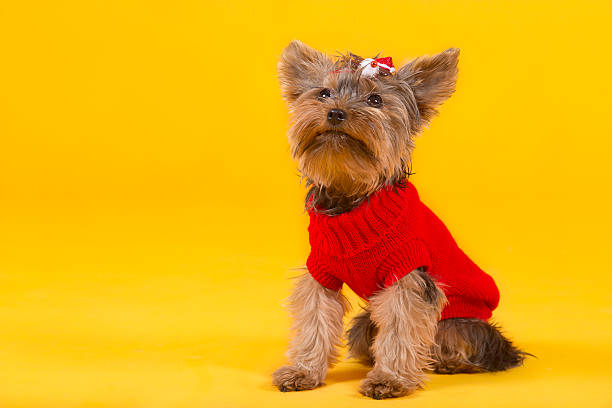
Introduction to the Canine Good Citizen (CGC) Program
The Canine Good Citizen (CGC) program, established by the American Kennel Club (AKC), is a staple in responsible dog ownership and a foundational step in advanced dog training. It’s more than just a certification; it’s a standard of good manners for dogs and responsible pet ownership for people. The program is designed to reward dogs who have good manners at home and in the community, and to help owners learn how to train their dogs to be polite and well-behaved members of society. Achieving CGC status signifies that your dog can confidently navigate various social situations, demonstrating appropriate behavior around people, other dogs, and common distractions.
What is the CGC Program?
At its core, the CGC program is a two-part test that stresses responsible pet ownership and canine good manners. The first part involves the owner’s pledge to responsible pet ownership, addressing their commitment to their dog’s health, safety, and community impact. The second part is a 10-step practical test conducted by an approved AKC CGC evaluator. These 10 items assess a dog’s basic obedience, temperament, and ability to remain calm and well-behaved in everyday situations. Passing the CGC exam is a testament to your dedication as a dog owner and your dog’s capabilities.
Why Pursue CGC? Benefits for Dog, Owner, and Community
The benefits of achieving CGC certification extend far beyond the certificate itself:
- For the Dog:
- Increased Confidence: Training for CGC exposes dogs to various environments and situations in a controlled, positive manner, building their confidence and reducing anxiety in novel experiences.
- Mental Stimulation: The training process provides essential mental exercise, preventing boredom and destructive behaviors.
- Stronger Bond: Working collaboratively with your dog strengthens your relationship, fostering trust and mutual respect.
- Enhanced Safety: A well-trained dog is less likely to bolt into traffic, jump on strangers, or engage in other potentially dangerous behaviors.
- For the Owner:
- Improved Communication: Learning to effectively communicate with your dog through clear commands and body language.
- Problem Prevention: Proactively addresses common behavioral issues before they become ingrained problems.
- Greater Enjoyment: A well-behaved dog is a joy to take places, opening up opportunities for adventures and social outings.
- Foundation for Advanced Training: CGC is often a prerequisite for therapy dog certification, advanced obedience titles (like AKC Community Canine (CGCA) and Urban CGC (CGCU)), and even some dog sports. Many homeowner’s insurance companies offer discounts for CGC-certified dogs, and some apartments/condos require it for specific breeds.
- For the Community:
- Responsible Pet Ownership: Promotes polite canine citizens who are welcomed in public spaces, reducing negative stereotypes about dogs.
- Safer Interactions: Ensures dogs are less likely to cause disruptions or pose a threat to people or other animals.
- Reduced Animal Shelter Intake: Well-trained dogs are less likely to be surrendered due to behavioral issues, contributing to fewer animals in shelters.
Overview of the 10 CGC Test Items
The CGC test comprises ten practical exercises designed to demonstrate a dog’s good manners and a responsible owner’s control. Each item simulates a common real-world scenario. While the test is not competitive, the dog must pass all 10 items.
- Accepting a Friendly Stranger: Dog allows a stranger to approach and speak to the handler.
- Sitting Politely for Petting: Dog allows a stranger to pet them while remaining in a sit.
- Appearance and Grooming: Dog permits a stranger to briefly inspect them (ears, paws, grooming).
- Out for a Walk (Walking on a Loose Leash): Dog walks on a loose leash at the handler’s side, turning naturally.
- Walking Through a Crowd: Dog walks politely through a small group of people without jumping or undue excitement.
- Sit and Down on Command/Staying in Place: Dog performs a sit and a down on command, then stays in place for a short period while the handler moves away.
- Coming When Called: Dog comes reliably when called from a short distance.
- Reaction to Other Dogs: Dog behaves politely when approached by another dog and handler team.
- Reactions to Distraction: Dog shows no panic or aggression to common distractions (e.g., dropped objects, sudden noises).
- Supervised Separation: Dog remains calm and accepts a brief separation from its handler.
Pre-Requisites and Foundational Training
Before diving into the specifics of each CGC item, your dog needs a solid foundation. This isn’t just about knowing commands; it’s about temperament, socialization, and a willingness to learn.
Age and Health Considerations
- Age: While there’s no minimum age requirement for CGC, most dogs are at least 6 months old before they have the attention span and physical maturity to reliably perform all tasks. Puppies can certainly start foundational training much earlier.
- Health: Your dog should be in good health, comfortable, and pain-free. Any underlying health issues can impact their behavior and ability to perform. Ensure they are up-to-date on vaccinations.
Basic Obedience Knowledge
A firm grasp of fundamental obedience commands is crucial. These are the building blocks for the more complex CGC behaviors.
- Sit: A reliable, consistent sit on command.
- Down: A reliable, consistent down on command.
- Stay: The ability to hold a sit or down position for increasing durations and distances.
- Come (Recall): A strong, enthusiastic response to their name and the “come” command.
- Leash Manners: Basic understanding of walking without pulling, responding to turns, and stopping.
- Leave It/Drop It: Important for preventing scavenging and managing unwanted interactions.
Socialization Importance
Socialization is paramount. A well-socialized dog is better equipped to handle the novel sights, sounds, and interactions presented in the CGC test.
- Early Puppyhood: Expose puppies to a wide variety of people (different ages, appearances, gaits), sounds (traffic, household noises, sudden sounds), surfaces, and other friendly, vaccinated dogs.
- Continued Socialization: For adult dogs, continue to seek out positive, controlled interactions. This isn’t just about playing with other dogs; it’s about calmly coexisting. Regular trips to pet-friendly stores, parks, or training classes can help.
- Neutrality: The goal isn’t always overt friendliness, but rather a calm, neutral demeanor in the presence of others.
Equipment Needed
Having the right tools can make a significant difference in your training journey.
- Collar/Harness: A well-fitting buckle collar (flat collar) or a non-corrective harness is required for the CGC test. Choke chains, prong collars, and electronic collars are not permitted. Choose what’s most comfortable and effective for your dog for training.
- Leash: A 6-foot leash (fabric or leather) is standard. No retractable leashes for the test.
- High-Value Treats: Small, soft, extremely palatable treats that your dog rarely gets otherwise. قطع chicken, cheese, hot dogs, or commercial training treats work well.
- Treat Pouch: Keeps treats readily accessible, allowing for quick rewards.
- Clicker (Optional but Recommended): A precise marker for good behavior, if you use clicker training.
- Long Line (for recall practice): A 15-30 foot line for practicing “come” in a safe, open area.
- Proofing Items: Things that create mild distractions – an old hat, a crinkly bag, a dropped set of keys, another person’s dog.
III. Step-by-Step Preparation for Each of the 10 CGC Test Items
This section details the specific training protocols for each of the 10 Canine Good Citizen test items, offering comprehensive guidance, common pitfalls, and effective solutions.
Test Item 1: Accepting a Friendly Stranger
Purpose: To demonstrate that the dog will allow a stranger to approach the handler in a natural, polite manner. This tests the dog’s comfort with new people and the handler’s ability to maintain control.
Evaluation Criteria: The dog should remain seated or standing calmly at the handler’s side, exhibiting no signs of fear, aggression, or excessive shyness. It should not jump on the stranger or handler, nor should it try to hide behind the handler. A wagging tail and relaxed body language are positive signs.
Step-by-Step Training Protocol:
- Foundation: Start with your dog in a reliable “sit” or “stand” next to you.
- Controlled Introduction (Friendly Faces):
- Ask a friend or family member (someone your dog already knows and likes) to approach you and your dog.
- As they approach, keep your dog on a loose leash.
- If your dog remains calm, offer praise and a treat before the person reaches you.
- Have the person briefly greet you, ignoring the dog initially, then walk away.
- Gradually increase the proximity and duration of the greeting.
- Introducing “Strangers”:
- Recruit various “friendly strangers” – people your dog doesn’t know. Ask them to approach slowly and calmly, avoiding direct eye contact or overly enthusiastic greetings at first.
- As the stranger approaches and is about 10-15 feet away, quietly praise your dog for remaining calm.
- If your dog is calm, when the stranger is within speaking distance, they can exchange a few words with you. The stranger should not attempt to interact with the dog at this point.
- Reward your dog for maintaining a polite posture.
- Simulating the Test:
- Have several different strangers practice approaching, stopping about 5 feet away, speaking to you for a few seconds, and then walking away.
- Ensure your dog remains calm, alert, but not overly excitable or fearful.
Key Training Tips:
- Focus on Calmness: Reward calmness, not just the absence of bad behavior.
- Loose Leash: Always practice with a loose leash to avoid conveying tension to your dog.
- Variety of Strangers: Practice with people of different ages, genders, hats, glasses, and carrying various items (e.g., a bag, an umbrella) to generalize the behavior.
- Positive Association: Every interaction with a stranger should be a positive experience.
Common Pitfalls and Solutions:
- Dog Jumps: If your dog jumps, calmly turn your back to them or step away. Only re-engage when all four paws are on the floor. Reward heavily when they keep all paws down.
- Dog Barks/Lunges: This might indicate fear or over-excitement. Increase the distance from the approaching stranger initially. Work with a certified professional if this is a significant issue.
- Dog Hides/Shows Fear: Never force an interaction. Increase distance, use extremely high-value treats, and let the dog approach on their own terms if they choose. Build confidence through positive reinforcement in controlled environments.
Test Item 2: Sitting Politely for Petting
Purpose: To ascertain that the dog is comfortable with physical interaction from a stranger and can maintain a polite, controlled demeanor during petting.
Evaluation Criteria: The dog must remain in a “sit” position (or at least with all four paws on the ground, not jumping) while being petted by a stranger. It should accept the petting without shyness, excessive licking, or aggression.
Step-by-Step Training Protocol:
- Reliable Sit: Ensure your dog has a rock-solid “sit” command, with good duration.
- Handler-Initiated Petting: Practice petting your dog yourself in the “sit” position. Start with brief touches and gradually increase duration and intensity (e.g., petting their back, chest, head). Reward for calmness.
- Friendly Stranger, Brief Petting:
- Have a trusted friend or family member approach (as in Item 1).
- Once they’ve greeted you, instruct them to briefly and gently pet your dog’s shoulder or chest (areas generally less sensitive than the top of the head).
- As soon as they pet, give your dog a high-value treat and praise. The goal is to create a strong positive association.
- The stranger should pet for only a second or two initially, then withdraw.
- Gradual Increase in Duration and Location:
- Slowly extend the duration of the petting.
- Introduce petting in different spots (head, side, hindquarters), being mindful of your dog’s comfort zones.
- Practice with a variety of “strangers” (different heights, gaits, voices) to generalize the experience.
Key Training Tips:
- “Auto-Sit”: Many owners teach an “auto-sit” where the dog automatically sits when a person approaches. This is excellent for CGC.
- Controlled Petting: Instruct the stranger to pet calmly, not excitedly. Avoid leaning over the dog directly or grabbing their face.
- Observe Body Language: Watch for signs of discomfort (lip licking, yawning, stiff body, turning head away). If you see these, reduce the intensity or duration of petting, or use higher-value treats.
Common Pitfalls and Solutions:
- Dog Jumps Up: If the dog jumps, the person should immediately stop petting and turn away. Only resume when the dog is sitting.
- Dog Nips or Growls: This is a serious issue that indicates discomfort or fear. Stop the interaction immediately. Do not scold. Consult a professional positive reinforcement trainer or veterinary behaviorist. Your dog may not be ready for this test.
- Dog Licks Excessively: While not a failure, excessive licking can be annoying. Try redirecting with a “sit” or “look at me” command and rewarding calm behavior.
Test Item 3: Appearance and Grooming
Purpose: To ensure the dog is accustomed to being handled for basic grooming and veterinary checks by a person other than its handler.
Evaluation Criteria: The dog must allow a stranger (the evaluator) to perform a brief, gentle inspection of its ears, paws, and general body. The dog should stand or sit calmly, without struggling, growling, or showing aggression.
Step-by-Step Training Protocol:
- Desensitization to Touch (You as Handler):
- Start by gently touching various parts of your dog’s body (ears, paws, tail, mouth, belly) while giving soft praise and high-value treats.
- Make it a positive experience every time.
- Gradually increase the duration and pressure of the touch.
- Introducing Grooming Tools:
- Once comfortable with touch, introduce a soft brush, comb, or nail clippers.
- Show the tool, give a treat. Touch the tool to the dog, give a treat. Do a brief brush stroke, give a treat.
- Build up to short grooming sessions, always paired with positive reinforcement.
- Stranger Inspection Practice:
- Recruit various friends to act as the “evaluator.”
- Have your dog in a “stand” or “sit” position.
- The “evaluator” should approach calmly, speak to you, and then, with your permission, gently touch your dog (e.g., run a hand down the back, briefly lift an ear flap, briefly touch a paw).
- Reward your dog heavily for remaining calm during each touch.
- Practice with different people touching different areas.
Key Training Tips:
- Gentle and Gradual: Never force your dog. If they show discomfort, back off and try again with less intensity or duration.
- Positive Association: The goal is for your dog to associate handling with good things (treats, praise).
- Daily Practice: Short, positive handling sessions daily are more effective than infrequent, long ones.
- Mouth Inspection: Gently lift your dog’s lips to expose their teeth, as this is part of the veterinary check.
Common Pitfalls and Solutions:
- Dog Pulls Away/Nips: This indicates discomfort. Go back to basics with your own handling. Identify sensitive areas and work on them very slowly with high-value treats.
- Fear of Specific Tools: If your dog fears clippers, start by just showing them, then leaving them on the floor, then touching your dog’s body (not paws) with them, all paired with treats. Only later move to actual nail clips.
- Dog Resists Mouth Handling: Use a finger dipped in peanut butter or cream cheese to encourage gentle mouth opening and inspection.
Test Item 4: Out for a Walk (Walking on a Loose Leash)
Purpose: To demonstrate that the dog can walk on a loose leash, under control, and without pulling, at the handler’s side.
Evaluation Criteria: The dog should walk beside the handler on a loose leash. It should not pull, drag, or strain. The leash should form a ‘J’ shape, not be taut. Turns and stops should be executed smoothly with the dog maintaining position.
Step-by-Step Training Protocol:
- Foundation: Lure and Reward:
- Start in a quiet area. Hold a treat at your dog’s nose, lure them into position next to your leg (heel position).
- Take one step, if they stay with you, reward.
- Gradually increase the number of steps before rewarding.
- Adding a Verbal Cue: Once they’re consistently staying by your side, add a verbal cue like “Heel” or “Let’s go” just before you start moving.
- Changing Direction: Practice turning right, left, and doing U-turns. Reward heavily when the dog adjusts smoothly with you.
- Loose Leash Game:
- Stop walking the moment your dog’s leash tightens. Wait for the leash to slacken, even for a second, then immediately praise and resume walking.
- Alternatively, turn and walk in the opposite direction the moment the leash tightens. This teaches the dog that pulling doesn’t get them where they want to go.
- Introducing Distractions: Once proficient in a quiet environment, practice in areas with increasing distractions (e.g., park with other people, mild street noise).
Key Training Tips:
- Consistency is Key: Everyone who walks the dog must use the same rules.
- Start Small: Begin in a low-distraction environment.
- High-Value Rewards: Make walking nicely more rewarding than pulling.
- Equipment Choice: A front-clip harness or head halter can be helpful training tools, but ensure your dog is comfortable with whatever you use. Remember, a flat buckle collar or non-corrective harness is required for the test.
- “Engage/Disengage”: Teach your dog to look at you periodically while walking (e.g., through a “watch me” command).
Common Pitfalls and Solutions:
- Dog Constantly Pulls: Your rewards aren’t high enough, or you’re not consistent enough with stopping/changing direction. Review the loose leash game.
- Dog Gets Over-Excited by Smells/Sights: Use “leave it” to redirect attention from enticing distractions. Increase the rate of reinforcement for staying by your side in exciting environments.
- Dog Lagging: If your dog lags, use an enthusiastic voice, quick steps, or a lure with a treat to encourage them to catch up. Don’t drag them.
Test Item 5: Walking Through a Crowd
Purpose: To show that the dog can move politely through a busy area without becoming excited, fearful, or causing disruption.
Evaluation Criteria: The dog must walk on a loose leash (as in Item 4) and navigate through a small group of at least three people without jumping on them or showing undue attention. The dog should remain focused on the handler.
Step-by-Step Training Protocol:
- Foundation: Ensure your dog is solid on loose-leash walking (Item 4) and comfortable with friendly strangers (Item 1).
- Small, Stationary Crowd:
- Start with two or three friends standing still, spaced a few feet apart.
- Walk your dog slowly through the “crowd” on a loose leash.
- Reward heavily for staying by your side and ignoring the people.
- Small, Moving Crowd:
- Once comfortable with stationary people, have your friends move slowly and naturally as you walk through them. They should act like regular pedestrians, not actively trying to interact with your dog.
- Practice varying your speed and direction.
- Real-World Practice:
- Gradually introduce your dog to real, mildly crowded environments (e.g., a quiet park path, walking around the perimeter of an outdoor market, during off-peak hours at a pet-friendly store).
- Keep initial sessions short and positive.
Key Training Tips:
- Maintain Focus: Encourage your dog to look at you using a “watch me” command, especially when nearing people.
- Proactive Management: If you see your dog’s attention wavering toward someone, preemptively say “Heel” or “Watch me” and reward for compliance.
- Body Blocking: If your dog tries to veer towards someone, gently use your body to block them and redirect their focus back to you.
Common Pitfalls and Solutions:
- Dog Jumps on People: Review “Sitting Politely for Petting” and ensure your dog understands that jumping yields no rewards. Practice with people politely ignoring the dog.
- Dog is Fearful/Anxious: Start with very widely spaced people, use high-value treats, and focus on slow, positive exposure. If fear is significant, consult a professional.
- Dog is Overly Excited/Wants to Greet Everyone: This is often a lack of impulse control. Teach a strong “leave it” for people and reward heavily for maintaining focus on you.
Test Item 6: Sit and Down on Command/Staying in Place
Purpose: To demonstrate that the dog can perform “sit” and “down” reliably and hold a “stay” position, even with the handler at a short distance.
Evaluation Criteria: The dog must respond promptly to “sit” and “down” commands. It must then hold a “stay” for a minimum of 30 seconds while the handler walks 10 feet away and returns. The dog should not break the stay until released.
Step-by-Step Training Protocol:
- Reliable Sit and Down:
- Ensure your dog performs “sit” and “down” on the first verbal command (or hand signal) consistently, without hesitation.
- Practice in various locations.
- Introducing “Stay”:
- Have your dog “sit” or “down.”
- Say “Stay” in a calm, clear voice.
- Immediately take one step back, then one step forward to your dog, and reward.
- Gradually increase the number of steps you take away.
- Duration: While stationary, gradually increase the time you wait before returning to reward. Start with 1-2 seconds, then 5, 10, 15, 30 seconds.
- Distance: Once duration is solid, increase the distance you move away. Start with 1 step, then 2, 5, 10 feet.
- Always return to your dog to reward and release them with a verbal cue like “Okay!” or “Free!” Do not call them to you to break the stay initially.
- Adding Distractions:
- Once your dog can hold a “stay” for 30 seconds at 10 feet in a quiet area, introduce mild distractions.
- Examples: You jiggle your keys, drop a soft object, another person walks by at a distance.
- Gradually increase the intensity of distractions.
Key Training Tips:
- “Stay” is a Release-Based Command: The dog should only move when given a release cue.
- Repetition and Consistency: Practice “stay” daily in short, successful sessions.
- Set for Success: Don’t push your dog too far too fast. If they break the stay, shorten the duration or distance and rebuild.
- Body Language: Stand tall and confident. Your dog reads your body language.
Common Pitfalls and Solutions:
- Dog Breaks Stay Early: You’re asking for too much too soon. Reduce duration, distance, or distractions. Practice returning to your dog before they break. If they break, calmly return them to the original spot and try again.
- Dog Anticipates Release: Vary the time and distance you return. Sometimes return quickly, sometimes wait longer.
- Dog Only Stays for Treats: Gradually fade the treats while still using praise. Eventually, the praise and the success of holding the stay become the reward.
Test Item 7: Coming When Called
Purpose: To demonstrate that the dog will reliably come to the handler when called, even from a short distance. This is a critical safety command.
Evaluation Criteria: The dog must come promptly and enthusiastically when called from 10 feet away. It should respond directly to the handler, not wander or get distracted.
Step-by-Step Training Protocol:
- Make “Come” the Best Thing Ever:
- Start in a quiet, enclosed area. Get down to your dog’s level.
- Call their name with an enthusiastic voice, followed by “Come!”
- As they approach, lavish them with praise and high-value treats. Make it a party!
- Practice Short Distances:
- Have someone hold your dog, walk 10 feet away, call your dog, and have the person release them. Reward heavily.
- Gradually increase the distance.
- Using a Long Line:
- In a safe, open area, use a 15-30 foot long line. Let your dog wander.
- Call “Come!” If they hesitate, gently reel them in with the long line while continuing to encourage them enthusiastically.
- Reward profusely upon arrival.
- Adding Distractions (Gradually):
- Once reliable on the long line in a quiet area, introduce mild distractions: another person walking by, a toy on the ground (use “leave it” if needed).
- Always set your dog up for success. If a distraction is too great, move further away or reduce its intensity.
Key Training Tips:
- Never Punish a Recall: If your dog takes a long time to come, or comes after investigating something, never scold them on arrival. This teaches them that coming to you leads to punishment. Always make coming a positive experience.
- Vary Your Voice: Use an excited, happy voice when calling.
- Don’t Overuse: Don’t call your dog unless you’re reasonably sure they’ll come. If they’re deeply engrossed, go get them rather than poisoning your “come” command.
- Sudden Appearances: Periodically “disappear” behind a tree or car, then pop out and call your dog excitedly. This teaches them to keep an eye on you.
Common Pitfalls and Solutions:
- Dog Ignores Call: Your rewards aren’t high enough, or your environment is too distracting. Go back to basics in a quieter area with better treats.
- Dog Comes, Then Runs Off: You’re not holding the connection long enough. Praise and treat, then briefly hold their collar before releasing them, so they associate coming with being caught.
- Dog Only Comes for Treats: Gradually transition to intermittent high-value treats, mixed with praise and play. They should always be excited to come.
Test Item 8: Reaction to Other Dogs
Purpose: To ensure the dog can maintain a calm and controlled demeanor when encountering another dog and handler team.
Evaluation Criteria: The dog should remain polite and under control while two handlers and their dogs walk past each other, stop, and exchange a few words. The dog should not show aggression, excessive pulling, barking, or undue excitement. A brief, calm sniff is acceptable, but the focus should remain on the handler.
Step-by-Step Training Protocol:
- Foundation: Solid loose-leash walking (Item 4) and focus on the handler (“watch me” command).
- Parallel Walking (at a Distance):
- Enlist a friend with a calm, neutral dog.
- Start walking your dogs parallel to each other at a significant distance where both dogs are comfortable and not reacting.
- Reward your dog for looking at you or calmly observing the other dog.
- Gradually decrease the distance between the two dogs over multiple sessions.
- Passing Each Other:
- Once comfortable with parallel walking, practice slowly walking past each other.
- Keep leashes loose, and reward your dog for ignoring the other dog or briefly acknowledging it and returning focus to you.
- Stopping and Talking:
- Practice the test scenario: walk past, stop, exchange a few words with the other handler.
- Both dogs should remain calm and under control during this interaction.
- Reward your dog for maintaining a polite sit or stand.
Key Training Tips:
- “Engage/Disengage”: Teach your dog to calmly observe another dog, then disengage and look at you for a treat.
- Neutrality, Not Play: The goal is a neutral or polite reaction, not necessarily eager interaction or play.
- Timing: Reward before your dog reacts excessively. If they start to get over-excited, increase distance.
- Professional Help: If your dog exhibits significant reactivity (barking, lunging, growling) towards other dogs, seek guidance from a certified professional dog trainer.
Common Pitfalls and Solutions:
- Dog Barks/Lunges at Other Dogs: This indicates reactivity. Increase distance immediately. Work under threshold (distance where your dog doesn’t react) and gradually decrease. Use high-value rewards for calm observation.
- Dog Whines/Pulls to Play: Your dog is over-socialized in the sense that they expect to play with every dog. Teach them that other dogs are just part of the environment, not always a playmate. Reward heavily for ignoring.
- Shyness/Fear: Gently expose them to calm dogs at a distance. Never force interaction. Build confidence through positive experiences.
Test Item 9: Reactions to Distraction
Purpose: To demonstrate that the dog can remain calm and under control when exposed to common, everyday distractions.
Evaluation Criteria: The dog should not show panic, aggression, or extreme excitement when exposed to two mild, sudden distractions (e.g., a dropped object, a sudden noise, a person running by). It may show curiosity or startle but should quickly recover and remain manageable.
Step-by-Step Training Protocol:
- Foundation: A generally confident dog with basic obedience is essential.
- Introduction of Mild Distractions (Controlled):
- Start with very mild, predictable distractions in a low-stress environment.
- Examples: You drop a set of keys gently, crinkle a plastic bag, someone walks by quietly.
- Observe your dog’s reaction. If they startle, remain calm yourself. Praise and offer a treat for recovery or for ignoring it.
- Gradual Increase in Intensity and Variety:
- Slowly increase the intensity of the distractions (e.g., slightly louder drop, faster person walking by).
- Introduce new types of distractions (e.g., someone with a hat, an umbrella opening, a skateboard rolling past at a distance).
- Practice in different environments where these distractions might naturally occur.
- Remain Calm: Your reaction is key. If you tense up, your dog will too. Stay relaxed and confident.
Key Training Tips:
- “Desensitize and Counter-Condition”: Desensitize by gradual exposure. Counter-condition by pairing the distraction with something positive (a treat).
- Everyday Sounds: Play recordings of various sounds (doorbells, traffic, thunder, children playing) at a low volume and gradually increase.
- Unexpected Elements: Practice having objects fall, people appear suddenly (from behind a bush, for example, but always with caution and controlling the surprise level).
Common Pitfalls and Solutions:
- Dog Panics/Bolts: This indicates significant fear. Immediately remove your dog from the situation. Work at a much lower intensity. Consult a professional force-free trainer if fear is severe.
- Dog Barks/Lunges at Distraction: Assess if it’s fear-based or excitement-based. Implement desensitization/counter-conditioning or impulse control exercises as appropriate.
- Dog Doesn’t Notice/Reacts Excessively: If your dog doesn’t notice, the distraction might be too mild. If they react excessively, it’s too intense. Find the “just right” level.
Test Item 10: Supervised Separation
Purpose: To determine if the dog can calmly tolerate a brief separation from its handler while under the supervision of another person.
Evaluation Criteria: The handler will leave the dog with the evaluator for three minutes. The dog should remain calm, without showing signs of extreme anxiety (e.g., destructive chewing, frantic barking, whining, continuous pacing). It may watch the handler leave or make soft noises, but overall, it should remain relaxed and under control.
Step-by-Step Training Protocol:
- Foundation: Ensure your dog is comfortable being left alone for short periods at home. Crate training can be very helpful here.
- Brief Departures Within Sight:
- Have your dog in a “sit” or “down” and “stay” (Item 6).
- Step out of their sight for a second or two (e.g., behind a doorframe), then immediately return and reward.
- Gradually increase the duration you are out of sight.
- Introducing a “Sitter”:
- Have a trusted friend or family member sit with your dog while you leave the room for a very short period (30 seconds).
- The “sitter” should ignore the dog unless it shows signs of distress, in which case they can offer a comforting touch or soft words, but no treats or play.
- Return, praise your dog for calmness.
- Simulating the Test:
- Practice having various “evaluators” hold your dog (either on leash or by its collar, not engaging directly) while you walk out of sight for 3 minutes.
- Ensure your dog is in a comfortable “sit” or “down.”
- The “evaluator” should stand quietly, facing away from the dog, and not interact unless necessary to prevent a major issue.
Key Training Tips:
- No Big Goodbyes/Hellos: Keep arrivals and departures low-key.
- Crate Training: A well-crate-trained dog often finds separation less stressful, as the crate is a safe den.
- Enrichment: Leave your dog with a safe chew toy or puzzle toy during practice separations to give them something positive to focus on.
- Address Separation Anxiety Systematically: If your dog truly suffers from separation anxiety (distinction from simple distress), this test might be too much. Consult a professional.
Common Pitfalls and Solutions:
- Dog Whines/Barks Excessively: You’re moving too fast. Go back to shorter durations and work up very gradually. Ensure your dog is truly comfortable with you out of sight before extending the time.
- Dog Panics/Destroys Property: This is often separation anxiety. This requires a much more detailed training plan with a professional. The CGC test is likely not appropriate until this is resolved.
- Dog Tries to Follow Handler: Ensure your “stay” command (Item 6) is solid before attempting this. The “evaluator” will attempt to keep the dog in place, but the dog needs to want to stay.
IV. Advanced Training Strategies & Proofing
Passing the CGC isn’t just about teaching the 10 specific behaviors; it’s about making them reliable in real-world scenarios. This requires advanced training strategies focused on generalization and proofing.
The Three D’s: Duration, Distance, Distraction
These three elements are the pillars of proofing any dog behavior. You must systematically increase each one in your training.
- Duration: How long your dog can hold a command (e.g., “stay” for 5 seconds, then 10, then 30, then 1 minute).
- Distance: How far you can be from your dog while they perform a command (e.g., “stay” 1 foot away, then 5, then 10, then out of sight).
- Distraction: The level of environmental stimulation your dog can ignore while performing a command (e.g., “sit” in a quiet room, then with a toy on the floor, then with another dog passing by, then in a busy park).
Strategy: Only increase one “D” at a time. If you increase distance, keep duration and distraction low. If you increase distraction, keep duration and distance short. This minimizes frustration and maximizes success.
Generalization: Training in Multiple Environments
Dogs don’t generalize behaviors automatically. A “sit” in your living room might not translate to a “sit” at the park.
- Variety is Key: Practice all CGC items in a wide range of locations:
- Your home (different rooms)
- Your yard
- Quiet streets
- Parks (at different times of day)
- Pet-friendly stores
- Parking lots
- Friends’ homes
- Start Easy, End Hard: Always begin in a low-distraction version of a new environment and gradually increase the challenge.
Fading Lures and Prompts
Early in training, we often use lures (e.g., holding a treat at the nose to guide into a sit) or physical prompts. For CGC, your dog should ideally respond to a verbal command or hand signal without needing a lure.
- Gradual Fading:
- First, pair the lure with the verbal command.
- Then, make the lure smaller and less obvious.
- Eventually, replace the lure with a hand signal alone, then the verbal command alone.
- Avoid Over-Reliance: Don’t let your dog become dependent on a visual lure. The goal is a clear, concise command response.
Positive Reinforcement: High-Value Treats, Praise, Play
Positive reinforcement is the most effective and humane way to train dogs. It builds a strong bond and a dog that wants to work with you.
- High-Value Rewards: Understand what motivates your dog most. For many, this is soft, smelly food treats. For others, it’s a specific toy or a game of tug.
- Variable Schedule of Reinforcement: Once your dog is proficient, switch to an intermittent schedule. Don’t reward every time, but unpredictably. This keeps the dog engaged and makes the behavior more resistant to extinction.
- Praise and Affection: Don’t forget verbal praise (“Good dog!”) and physical affection (if your dog enjoys it). These reinforce the positive experience.
- Timing: Rewards must be delivered within 1-3 seconds of the desired behavior for your dog to make the connection.
Troubleshooting Common Issues
- Frustration/Lack of Motivation:
- Solution: Take a break. Re-evaluate your training plan. Are you moving too fast? Are your rewards high enough? Is your dog tired or overstimulated? Go back to something they know well and succeed. End every session on a positive note.
- Lack of Focus:
- Solution: Work in lower-distraction environments. Use the “watch me” command to build eye contact. Shorten training sessions. Sometimes, a tired dog focuses better (after exercise), sometimes a fresh dog does.
- Reactivity (Barking, Lunging, Growling):
- Solution: This is a complex issue requiring careful management. Identify the triggers (other dogs, strangers, certain sounds). Work under threshold (at a distance where your dog doesn’t react). Use desensitization and counter-conditioning. Always consult a certified professional trainer or veterinary behaviorist for significant reactivity. Do not attempt to “correct” these behaviors with punishment, as it often escalates fear and aggression.
- Regression:
- Solution: It happens! Go back to basics. Re-train the behavior as if your dog were a beginner. Often, regression indicates you’ve pushed too far too fast or skipped a step in proofing.
Simulating the Exam Environment: Practice Tests & Mock Exams
The actual CGC test environment can be intimidating. Practice mock exams to minimize stress.
- Find a Practice Group: Many training clubs offer CGC prep classes or mock tests.
- Utilize a Friend as Evaluator: Have a friend (ideally someone your dog doesn’t know well) run through the 10 test items with you.
- Practice in Different Settings: The evaluator might use a novel environment. Replicate this.
- Identify Weaknesses: Use mock tests to pinpoint areas where your dog still struggles so you can focus your remaining training.
- Familiarize with Procedures: Practice the flow of the test, including the initial check-in and the order of exercises.
V. The Exam Day: What to Expect
The day of the exam can be nerve-wracking for both handler and dog. Being prepared can make all the difference.
Before You Leave
- Paperwork: Ensure you have all necessary paperwork (AKC registration/ILP number if applicable, entry form, payment).
- Dog’s Needs:
- Exercise: Give your dog a good walk or play session before the test to burn off excess energy, but don’t exhaust them. A tired dog is often calmer.
- Potty Break: Ensure they’ve had ample opportunity to relieve themselves right before arriving.
- Food: Don’t overfeed. A light meal a few hours before is usually fine. Empty their bladder and bowels before you enter the test area.
- Grooming: A quick brush or cleaning can make them feel good and presentable.
- Equipment:
- Collar/Harness: Only a buckle collar, martingale collar, or non-corrective harness is allowed. No choke, prong, or e-collars.
- Leash: A 6-foot fabric or leather leash. No retractable leashes.
- Treats: Bring your highest-value treats (though you can’t use them during the actual test items, only between items if allowed by the evaluator or for warm-up).
- Water & Bowl: Keep your dog hydrated.
- Waste Bags: Always.
Arrival at the Site
- Arrive Early: Give yourself and your dog time to acclimate to the environment.
- Observe: Watch other dogs and handlers. Pay attention to the layout.
- Potty Again: Do a final potty break away from the test area.
- Warm-up: Do some very brief, familiar exercises (sits, downs, loose leash walking) to get your dog’s focus. Keep it positive and low-pressure.
During the Test
- Handler’s Role:
- Stay Calm: Your dog can sense your stress. Take deep breaths.
- Clear Commands: Speak in a normal, clear voice. No harsh corrections.
- No Food/Toys on Test Items: You cannot use food or toys during any of the 10 test exercises. You can use praise and petting.
- Encouragement: You may use verbal encouragement (e.g., “Good boy!”), but avoid continuous chatter or nagging.
- No Physical Manipulation: You cannot physically guide your dog into position (e.g., pushing their rear down for a sit).
- Leash Management: Keep the leash loose. Only a single verbal command and/or signal is given for each exercise. You are allowed one additional command or signal if needed, but it may cause a deduction (depending on test item and evaluator).
- Fair Assessment: The evaluator is looking for a generally well-behaved dog. They understand dogs are not robots. Minor imperfections are usually fine, but severe issues will result in failure of that item. Each item is scored pass/fail.
After the Test
- Celebrate Success: If you pass, congratulations! Take pride in your accomplishment and praise your dog.
- Planning Next Steps: If you don’t pass an item, don’t be discouraged. Ask the evaluator for feedback on specific areas to improve. It’s a learning opportunity. Go home, work on those areas, and you can re-test later.
VI. Beyond CGC: What’s Next?
CGC isn’t the end; it’s often just the beginning of a rewarding journey in dog training and responsible pet ownership.
- CGC Advanced (CGCA) / Community Canine: This takes CGC skills into a more complex, real-world setting. It includes walking through crowds, passing other dogs with distractions, and maintaining a “stay” for longer periods.
- CGC Urban (CGCU): This title tests a dog’s skills in a busy urban environment – navigating city sidewalks, crosswalks, elevators, and outdoor restaurants.
- Therapy Dog Certification: Many therapy dog organizations require CGC as a prerequisite. Therapy dogs visit hospitals, nursing homes, and schools to provide comfort and support.
- Dog Sports (Agility, Obedience, Rally, Scent Work): CGC provides a fantastic foundation for various competitive or recreational dog sports, further strengthening your bond and challenging your dog mentally and physically.
- Continued Learning: Dog training is an ongoing process. There are always new skills to learn, new challenges to overcome, and new ways to deepen your understanding of your canine companion. Consider advanced obedience classes, trick training, or specialized workshops.
VII. Conclusion
Embarking on the Canine Good Citizen journey is a profound commitment to your dog’s well-being and your role as a responsible pet owner. It’s an investment in their confidence, your communication, and the harmony you share within your community. The step-by-step checklist provided outlines a path to success, emphasizing patience, positive reinforcement, and consistent practice. Remember, the true victory isn’t just the certificate; it’s the transformation of your dog into a well-mannered, confident companion and the deepening of the incredible bond you share. Every training session, every treat, every moment of shared success builds a foundation for a lifetime of mutual understanding and joy. Embrace the process, celebrate the small wins, and enjoy the journey of creating a truly Canine Good Citizen.
#CanineGoodCitizen, #CGCPrep, #DogObedience, #AKCCGC, #DogTrainingTips, #LooseLeashWalking, #RecallTraining, #PolitePups, #DogSocialization, #PositiveReinforcement, #CanineManners, #ResponsibleDogOwner, #ObedienceTraining, #DogLife, #TrainingJourney, #MyDogIsMyLife, #PetTraining, #GoodDog, #DogTrainer, #HappyDog, #DogSkills, #TherapyDogPrep, #DogLove, #Walkies, #PuppyTraining, #DogBehavior, #FurryFriends, #DogCommunity, #UrbanCGC, #CommunityCanine.





Add comment