
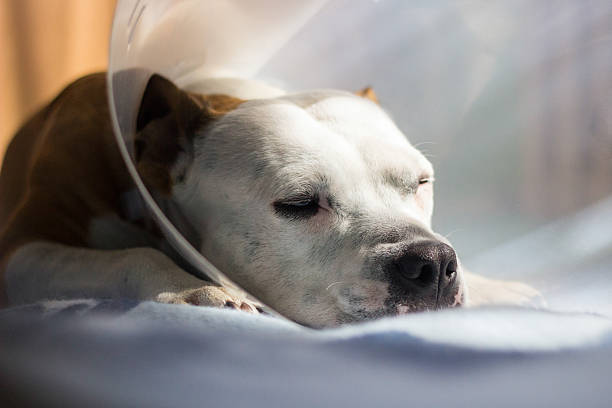
For our beloved canine companions, especially those battling illness, injury, or the challenges of aging, comfort and pain relief become paramount. Canine massage, when performed correctly and with the guidance of a veterinarian, offers a gentle yet powerful way to alleviate suffering, reduce stress, improve circulation, and strengthen the incredible bond we share with them. This comprehensive guide will delve into the nuances of providing therapeutic massage for your ill dog, emphasizing safety, technique, and the profound benefits.
IMPORTANT DISCLAIMER: CONSULT YOUR VETERINARIAN FIRST!
Before attempting any massage therapy on an ill or injured dog, it is absolutely crucial to consult your veterinarian. They can provide a proper diagnosis, advise on whether massage is appropriate for your dog’s specific condition, specify areas to avoid, and recommend techniques. Massage should be considered a complementary therapy, not a replacement for veterinary care.
I. Understanding Canine Massage for Ill Companions
Canine massage involves the systematic manipulation of the body’s soft tissues (muscles, skin, fascia, tendons, ligaments) using various hand techniques. For ill companions, the primary goals shift from general wellness to targeted relief and comfort.
A. Why Massage an Ill Dog? The Profound Benefits:
- Pain Relief:
- Musculoskeletal Pain: Helps relax tight muscles, reduce spasms, and alleviate discomfort associated with conditions like arthritis, hip/elbow dysplasia, tendinitis, and muscle strains.
- Post-Surgical Pain: Gentle massage around surgical sites (never directly on an incision!) can reduce swelling and promote circulation, aiding the healing process and reducing reliance on medication.
- Chronic Pain: Provides comfort and a sense of well-being for dogs with long-term conditions.
- Improved Circulation:
- Increases blood flow to tissues, delivering oxygen and nutrients, and aiding in the removal of metabolic waste products. This is vital for healing and overall tissue health, especially for dogs with limited mobility.
- Improved lymphatic drainage helps reduce swelling (edema).
- Reduced Muscle Tension & Spasms:
- Illness or pain can cause dogs to tense their muscles, leading to secondary pain and discomfort. Massage helps release these tension points.
- Increased Flexibility & Range of Motion:
- Gentle mobilization can help maintain or improve joint flexibility, particularly in arthritic or aging dogs, preventing stiffness and atrophy from disuse.
- Stress & Anxiety Reduction:
- Illness is incredibly stressful for dogs. The calming touch of massage releases endorphins, promoting relaxation and reducing anxiety levels, which can positively impact their immune system and overall recovery.
- Helps calm dogs experiencing discomfort from IV lines, bandages, or unfamiliar environments.
- Enhanced Bonding:
- The act of providing comfort through touch deepens the connection between you and your dog, offering a sense of security and love during a vulnerable time.
- Early Detection of Issues:
- Regular massage can make you more attuned to changes in your dog’s body, such as new lumps, bumps, tender spots, or temperature variations, allowing for earlier veterinary intervention.
- Improved Digestion & Elimination:
- Gentle abdominal massage can stimulate peristalsis, helping dogs with constipation or slow digestion, common in less active or medicated pets.
B. When NOT to Massage: Critical Contraindications
While beneficial, massage is not always appropriate. NEVER massage your dog if they exhibit any of the following, without explicit veterinary approval:
- Acute Injuries or Fractures: Any recent trauma, suspected broken bones, open wounds, or severe lameness.
- Fevers/Infections: Massage can spread infection or worsen fever.
- Skin Conditions: Rashes, hot spots, open sores, or contagious skin diseases.
- Directly Over Tumors/Cancers: Unless specifically advised by your vet and performed by a qualified professional, as massage can potentially contribute to metastasis in certain types of cancer.
- Severe Heart Conditions: Unless cleared by a vet, as massage can sometimes affect circulation and blood pressure.
- Epilepsy: While some calming techniques might be okay, vigorous massage could potentially trigger seizures in susceptible individuals.
- Deep Vein Thrombosis (Blood Clots): Massage could dislodge a clot.
- Abdominal Pain/Bloat/Organ Failure: These are medical emergencies.
- Immediately Post-Op: Avoid the incision site and surrounding areas until the vet gives the go-ahead. Gentle effleurage away from the incision might be approved later in recovery.
- Pregnancy: Especialy during early or late stages, unless specifically advised by a vet.
- Aggression or Extreme Discomfort: If your dog shows any signs of pain, fear, or aggression, stop immediately. Respect their boundaries.
II. Preparing for a Therapeutic Massage Session
A successful massage session hinges on creating a calming environment and ensuring both you and your dog are ready.
A. Space & Environment:
- Quiet & Calm: Choose a peaceful location free from distractions (other pets, loud noises, ringing phones).
- Warm & Comfortable: Ensure the room temperature is comfortable. Lay a soft blanket, dog bed, or yoga mat on the floor.
- Safe & Non-Slip: If your dog struggles with mobility, ensure they have a stable, non-slip surface to lie on.
- Familiar: Use a spot your dog already associates with comfort and relaxation.
B. Preparing Your Dog:
- Potty Break: Ensure your dog has relieved themselves recently.
- Relaxed State: Ideally, your dog should be calm and receptive. Avoid trying to massage if they are agitated, playful, or stressed. Wait until they are naturally settled.
- No Food Immediately Before: Avoid massaging on a full stomach, especially abdominal massage.
C. Preparing Yourself:
- Calm & Centered: Your energy will transfer to your dog. Take a few deep breaths to relax yourself.
- Clean Hands & Short Nails: Wash your hands thoroughly. Trim your nails to avoid scratching. Remove any rings or bracelets that could snag or apply uncomfortable pressure.
- Gentle Touch: Remember your dog is ill and potentially sensitive. Approach with the softest touch.
- Positive Intent: Focus on providing comfort and love.
III. Reading Your Dog’s Body Language (Crucial for Ill Dogs)
Your dog cannot tell you in words if something hurts or feels good. You must be an expert in their non-verbal cues.
A. Signs of Enjoyment & Relaxation:
- Deep Sighs: Often accompanied by a gentle exhalation.
- Yawning: A sign of relaxation, not necessarily tiredness.
- Eyes Softening/Closing: Glazing over, slow blinking.
- Heavy Breathing: Slow, deep, rhythmic breathing.
- Muscles Relaxing: Body becoming limper, melting into your hands.
- Leaning In/Resting Head: Seeking more contact.
- “Massage Face”: A soft, slightly dreamy expression.
- Falling Asleep: The ultimate sign of relaxation!
B. Signs of Discomfort, Pain, or Stress:
- Tensing Muscles: Becoming rigid, stiffening up.
- Lip Licking/Yawning (Rapidly or Repeatedly): Can be a displacement behavior indicating stress.
- Whites of Eyes Showing (“Whale Eye”): Sign of anxiety.
- Ears Pinned Back/Flattened: Fear, discomfort.
- Tail Tucked: Fear, anxiety, pain.
- Shifting Away/Moving Away: Trying to escape.
- Growling, Snapping, Nipping: Clear warnings to stop.
- Attempting to Bite: Stop immediately.
- Excessive Panting (without exertion): Can indicate pain or stress.
- Holding Breath: Tensing up, anticipating pain.
- Flinching/Vocalizing: Clear signs of pain.
ALWAYS STOP IMMEDIATELY IF YOUR DOG SHOWS ANY SIGNS OF DISCOMFORT OR DISLIKE.
IV. Basic Massage Techniques (Adapted for Ill Dogs)
When massaging an ill dog, the key is to be incredibly gentle, slow, and focused on comfort. Avoid deep pressure or vigorous techniques unless specifically advised by your vet or a certified canine massage therapist.
A. Essential Strokes:
- Effleurage (Gentle Stroking):
- Description: Long, sweeping, slow, and rhythmic strokes applied with the flat of your hand or fingertips.
- Purpose for Ill Dogs:
- Warm-up: Prepares the tissues for deeper work.
- Relaxation: Highly calming, initiates the session.
- Spreading Comfort: Spreads warmth and a sense of security.
- Assessing Sensitivity: Helps you gauge areas of tenderness without applying pressure.
- How to: Begin with the lightest touch, like petting. Gradually, you can apply slightly more pressure, but always remain gentle. Move in the direction of hair growth initially.
- Compression (Gentle Pressure):
- Description: Applying gentle, sustained pressure with the flat of your hand or fingertips, holding for a few seconds, then releasing. Not a rub, but a press.
- Purpose for Ill Dogs:
- Deep Relaxation: Can encourage muscles to release tension.
- Circulation: Helps push blood through tissues.
- Locating Tender Spots: Can reveal areas of pain or tension.
- How to: Place your hand flat on the muscle. Lean slightly into it, applying just enough pressure that you feel the muscle yield, but never push through resistance. Hold for 3-5 seconds, then slowly release. Move to a new spot.
- Petrissage (Gentle Kneading/Squeezing):
- Description: A gentle “lifting and squeezing” motion of the muscle tissue, like kneading dough, but much lighter.
- Purpose for Ill Dogs:
- Muscle Release: Helps release superficial muscle tension.
- Fluid Movement: Encourages lymphatic and blood flow.
- How to: Use your thumb and forefinger (or fingers and palm) to gently grasp a small section of muscle. Lift it slightly away from the bone, gently squeeze, and then release. Do not pinch or twist. This should be very light for ill dogs. Use only on large muscle groups.
- Friction (Gentle, Small Circles):
- Description: Small, circular motions applied with fingertips or thumb, targeting specific tender spots or knots.
- Purpose for Ill Dogs:
- Targeted Relief: Can help break down minor adhesions or release trigger points.
- How to: Use one or two fingertips or your thumb. Apply very light pressure and make tiny, slow, circular motions on a specific muscle spot. This technique is often too intense for ill dogs and should be used with extreme caution, often best avoided unless specifically recommended.
B. Techniques Generally AVOIDED or used with EXTREME CAUTION for Ill Dogs:
- Tapotement (Percussion): Rhythmic tapping, chopping, or cupping. Generally too stimulating and potentially painful for ill or injured dogs.
- Deep Tissue Massage: Can cause bruising or increase inflammation in sensitive tissues.
- Vigorous Kneading or Rubbing: Can worsen pain or injury.
V. Step-by-Step Massage Guide by Body Area
Always start with the lightest touch and gradually increase pressure only if your dog shows clear signs of enjoyment and relaxation. Work slowly and intentionally.
A. Neck & Shoulders:
- Start with Effleurage: Begin at the top of the neck, behind the ears, and stroke down towards the shoulders. Use long, calming strokes on both sides.
- Gentle Compression: Place your flat hand on the large muscles on either side of the spine in the neck and shoulders. Apply light compression for a few seconds, then release.
- Light Petrissage (if tolerated): On the large shoulder muscles, gently lift and squeeze small sections of muscle, if your dog shows no signs of discomfort.
- Focus: Good for stiffness, anxiety, and dogs who hold tension in their posture. Be extremely careful around the throat and spine.
B. Back & Spine:
- Effleurage Along the Spine: Run your hands gently along both sides of the spine, from the neck to the tail, avoiding the spine itself initially.
- Gentle Compression on Flanks: Place your hands flat on the muscles on either side of the spine (the “loin” area). Apply very light compression.
- Avoid: Direct pressure on the spine, vigorous rubbing, or twisting motions. Be especially cautious with dogs suspected of having intervertebral disc disease (IVDD) or other spinal issues. Ask your vet for specific instructions here.
C. Hips & Hind Legs:
- Effleurage: Stroke down the large muscles of the hindquarters and along the legs.
- Gentle Compression: On the large thigh muscles (quadriceps and hamstrings) and the glutes (rump).
- Light Petrissage (if tolerated): On the large muscle groups of the thighs.
- Circular Motion Around Joints (NOT on them): Using fingertips, gently make small circles around the hip and stifle (knee) joints, never directly on the joint capsule itself. This helps promote circulation around the joint.
- Focus: Excellent for dogs with arthritis, hip dysplasia, or hind leg weakness.
D. Chest & Abdomen:
- Chest Effleurage: Stroke gently from the sternum (breastbone) outwards towards the shoulders and down towards the elbows.
- Gentle Abdominal Effleurage: With your dog lying comfortably, use the flat of your hand to make very light, clockwise circles on the abdomen. This can aid digestion and calm.
- Avoid: Deep pressure on the abdomen, especially if your dog has any known organ issues, bloating, or recent surgery. Be extremely gentle. Stop immediately if any discomfort.
E. Front Legs & Paws:
- Effleurage: Stroke down the front legs from shoulder to paw.
- Gentle Compression: On the triceps (back of the upper arm) and forearm muscles.
- Paw Massage: Gently separate the toes and rub the pads of the paws using your thumb. This is often very relaxing and improves circulation, especially for dogs lying down a lot. Gently massage between the paw pads.
- Focus: Good for dogs who bear a lot of weight on their front end, or those with paw issues.
F. Head & Ears:
- Gentle Cranial Effleurage: Slowly stroke from the forehead back over the skull.
- Ear Rubs: Gently rub the base of the ears in small circular motions. Then, gently stroke along the length of the ear flap, from base to tip. Many dogs find this incredibly relaxing due to the numerous nerve endings in the ears.
- Cheek Rubs: Gently rub circles on the cheeks and jaw muscles.
- Focus: Excellent for reducing anxiety, promoting sleep, and comforting.
VI. Adapting Massage for Specific Conditions (Veterinary Guidance Essential!)
Your vet may provide specific instructions, but here are general adaptations:
- Arthritis/Joint Pain:
- Focus: Gentle effleurage around the affected joints (never directly on them), gentle compression on surrounding muscles.
- Warm-up: Consider using a warm (not hot!) towel briefly before massage to warm the tissues.
- Avoid: Deep pressure, aggressive stretching, or movement that causes pain.
- Post-Surgery (Once Cleared by Vet):
- Focus: Gentle effleurage away from the incision site, promoting lymphatic drainage to reduce swelling in surrounding areas.
- Avoid: The incision and immediate surrounding area until fully healed and cleared by the vet. No deep pressure anywhere near the surgical site.
- Anxiety/Stress:
- Focus: Head, ears, neck, and long, slow effleurage strokes over the entire body.
- Technique: Emphasize rhythm and gentleness.
- Environment: Extremely quiet and calm.
- Reduced Mobility/Bed Sores (Prevention):
- Focus: Gentle effleurage and compression to improve circulation, especially in pressure point areas (hips, elbows, hocks).
- Technique: Very light, frequent sessions.
- Constipation:
- Focus: Gentle, clockwise abdominal effleurage.
- Technique: Light pressure only, ensure dog is comfortable.
VII. Duration & Frequency
- Start Short: Begin with very brief sessions, even just 5-10 minutes, especially if your dog is new to massage or very ill.
- Observe: Watch for your dog’s cues. If they are enjoying it, you can gradually extend the time.
- Frequency: For ill dogs, short, frequent sessions (once or twice daily) are often more beneficial than long, infrequent ones. Consistent, gentle touch can make a big difference.
VIII. Post-Massage Care
- Rest: Allow your dog to rest quietly afterward. They may feel sleepy and relaxed.
- Water: Ensure fresh water is available, as massage can stimulate hydration needs.
- Warmth: Keep them warm, especially if they have been lying still.
IX. When to Seek Professional Help
While home massage is wonderfully beneficial, there are times when a certified professional canine massage therapist (CCMT) or a veterinary rehabilitation specialist is invaluable:
- Complex Conditions: Post-operative recovery, severe neurological issues, advanced arthritis.
- Specific Goals: If you’re looking for targeted therapeutic goals beyond general comfort.
- Learning Correct Techniques: A professional can teach you specific techniques tailored to your dog’s needs.
- Your Dog’s Size: Large or giant breeds can be challenging to massage effectively for deep relief.
X. Conclusion: A Gift of Comfort and Connection
Canine massage for an ill companion is more than just a physical therapy; it’s an act of profound love and care. It offers comfort, reduces pain, promotes healing, and strengthens the unique bond you share. By approaching each session with gentleness, patience, and careful observation, and always, always with the blessing of your veterinarian, you can provide an invaluable gift to your ailing dog – the gift of your healing touch. Embrace the quiet moments and the profound connection you will experience.







Add comment