
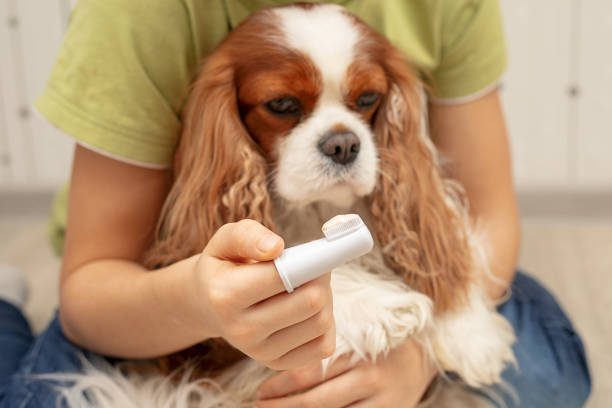
Our beloved canine companions, whether they are athletic youngsters, stoic working dogs, or cherished seniors, all rely on healthy joints for their quality of life. As they age, or due to genetics, injury, or activity levels, joint issues like arthritis, hip dysplasia, luxating patellas, or general stiffness can emerge, impacting their mobility, comfort, and happiness. While veterinary care, medication, and proper nutrition form the cornerstone of joint health management, complementary therapies like massage and stretching can play a profound and positive role.
This guide will delve deeply into the benefits, techniques, and safe application of canine massage and stretching, empowering you to actively support your dog’s joint health and enhance your bond.
I. The Foundation: Understanding Canine Joint Health
Joints are the intricate connections between bones, allowing for movement. They consist of:
- Bones: The structural elements.
- Cartilage: A smooth, protective tissue covering bone ends, reducing friction.
- Synovial Fluid: A lubricating fluid within the joint capsule, nourishing cartilage and aiding smooth movement.
- Ligaments: Strong fibrous tissues connecting bones, providing stability.
- Tendons: Fibrous tissues connecting muscles to bones.
- Muscles: Generate movement and support joints.
When any of these components are compromised (e.g., thinning cartilage, inflammation, weakened muscles), joint health deteriorates, leading to pain, stiffness, and reduced mobility.
II. Benefits of Canine Massage & Stretching for Joint Health
Integrating massage and stretching into your dog’s routine offers a multitude of advantages, directly and indirectly benefiting joint health:
A. Benefits of Massage:
- Increased Circulation: Massage stimulates blood flow to muscles and surrounding joint tissues. Enhanced circulation delivers vital oxygen and nutrients, while removing metabolic waste products and inflammatory mediators, which is crucial for cartilage health and tissue repair.
- Muscle Relaxation & Reduced Tension: Tight, spastic muscles can pull on joints, exacerbating pain and misalignment. Massage releases muscle tension, allowing joints to move more freely and comfortably. This is especially important for dogs compensating for pain in one limb by overusing another.
- Pain Relief: Gentle massage can soothe sore muscles and reduce nerve sensitivity, providing a natural form of pain relief. It also encourages the release of endorphins, natural pain-relieving hormones.
- Improved Flexibility & Range of Motion: By relaxing muscles and connective tissues around joints, massage can improve the extensibility of these tissues, indirectly leading to a greater range of motion within the joint.
- Reduced Swelling & Inflammation: By promoting lymphatic drainage, massage can help reduce fluid buildup and inflammation around affected joints.
- Early Detection of Issues: Regular massage allows you to become intimately familiar with your dog’s body. You may notice subtle changes like lumps, bumps, hot spots, areas of tenderness, or muscle atrophy, enabling earlier veterinary intervention.
- Enhanced Bonding: The physical contact and shared quiet time can significantly strengthen the human-animal bond, promoting trust and relaxation for both.
- Mental Well-being: For dogs experiencing chronic pain or anxiety due to limited mobility, massage can be incredibly calming and stress-reducing.
B. Benefits of Stretching:
- Increased Flexibility & Range of Motion (Directly): Stretching targets the muscles, tendons, and ligaments around joints, lengthening them and directly improving the joint’s ability to move through its full potential range. This is vital for maintaining mobility and preventing stiffness.
- Improved Joint Lubrication: Movement generated by stretching helps to circulate synovial fluid within the joint capsule, ensuring cartilage remains hydrated and nourished.
- Prevention of Scar Tissue Formation: After injury or surgery, controlled stretching can help prevent excessive scar tissue from forming, which can restrict joint movement.
- Reduced Risk of Injury: Flexible muscles and tendons are less prone to strains and tears. Stretching helps prepare the body for activity and recover afterward.
- Better Posture & Balance: Strong, flexible muscles support proper skeletal alignment, leading to better posture and improved balance, which can prevent falls, especially in older or neurologically challenged dogs.
- Enhanced Athletic Performance: For working or sporting dogs, stretching can optimize muscle function, improve agility, and reduce post-exercise soreness.
III. Crucial Pre-Workout Considerations & Safety First!
Before embarking on any massage or stretching routine with your dog, it is absolutely paramount to consult with your veterinarian. This step cannot be overstated.
A. Veterinary Consultation is NON-NEGOTIABLE:
- Your vet can diagnose any underlying conditions (e.g., acute inflammation, fractures, tumors, certain neurological conditions) that would make massage or stretching contraindicated or require specific modifications.
- They can advise on areas to avoid or techniques to prioritize based on your dog’s specific health needs.
- They can rule out conditions where these therapies might cause harm.
B. When NOT to Massage or Stretch (or proceed with extreme caution):
- Acute Pain or Injury: Never stretch or deeply massage an acutely painful or injured area. You could worsen the condition.
- Fever: Indicates an underlying illness.
- Open Wounds, Rashes, Skin Infections: Avoid these areas to prevent irritation or spreading infection.
- Bruises or Hematomas: Gentle effleurage around the area might be okay, but avoid direct pressure.
- Known Fractures or Dislocations: Unless specifically instructed by a vet or physical therapist.
- Cancer (especially bone cancer or tumors): Massage can potentially spread certain cancers or exacerbate pain.
- Bleeding Disorders or Anticoagulant Medication: Increased risk of bruising.
- Pregnancy (late stages): Consult vet.
- Acute Arthritis Flare-ups: During a severe flare-up, gentle, very light effleurage around the joint might be tolerated, but avoid direct pressure on the inflamed joint and vigorous stretching.
- Severe Heart Conditions: Gentle, calming massage might be okay, but avoid anything that increases heart rate or stress.
C. Listen to Your Dog’s Signals: Your dog cannot tell you in words if something hurts. Be highly attuned to their non-verbal cues:
- Positive Signals: Leaning into your touch, sighing, closing eyes, relaxed posture, licking lips (a sign of contentment, not just nausea!), yawning (also contentment), falling asleep.
- Negative Signals: Pulling away, tensing muscles, flinching, whimpering, growling, nipping, showing whites of eyes, increased panting, yawning repeatedly (stress-related), flattening ears, tail tucked, trying to get up and leave.
- Immediately stop if your dog shows any signs of discomfort or pain. You want this to be a positive, relaxing experience.
D. Create the Right Environment:
- Choose a quiet, comfortable space free from distractions.
- Ensure your dog is relaxed (e.g., after a gentle walk, not after an exciting play session).
- Use a non-slip surface if stretching.
- Have treats ready for positive reinforcement.
IV. Canine Massage: A Step-by-Step Guide
The goal of massage is to warm up tissues, relax muscles, improve circulation, and soothe sore areas.
A. Preparation:
- Start with a Calm Dog: Ensure your dog is relaxed and in a receptive mood.
- Find a Comfortable Position: For both of you. On the floor, on a bed, or a table (if your dog is small and accustomed).
- Warm Your Hands: Rub your hands together to warm them.
- No Oils (Unless Vet Approved): Avoid essential oils or lotions unless specifically recommended by your vet or a certified canine massage therapist, as many can be toxic if ingested.
B. Basic Massage Techniques: Apply gentle pressure, observing your dog’s reactions. Always work towards the heart (centripetally) to encourage lymphatic drainage and venous return.
- Effleurage (Gliding Strokes):
- Description: Long, sweeping, slow, rhythmic strokes with the flat of your hand or fingertips. Start very light, then gradually apply more pressure.
- Purpose: Warms up tissues, spreads lotion (if used), prepares muscles for deeper work, improves circulation, and is very calming.
- Application: Start over large muscle groups (flank, back, chest, thighs).
- Petrissage (Kneading):
- Description: Lifting, squeezing, and rolling muscles away from the bone. Can involve squeezing the muscle between your thumb and fingers, or using the heel of your hand to compress and release.
- Purpose: Targets deeper muscle layers, increases circulation, releases knots (trigger points), and improves muscle elasticity.
- Application: Focus on meaty muscle groups like the quadriceps (front of thigh), hamstrings (back of thigh), shoulders, and glutes. Avoid bony areas.
- Friction (Circular Rubbing):
- Description: Small, deep, circular movements with fingertips or thumb, applied to a specific area. Skin moves with your fingers, not glides over them.
- Purpose: Breaks down adhesions and scar tissue, targets deep muscle knots or specific points of tension around joints.
- Application: Use with caution around joints, targeting surrounding soft tissue only. Can be useful around stifle (knee) caps after injury or surgery (once fully healed and approved by vet).
- Tapotement (Percussion – Use with Extreme Caution/Avoid for Joint Issues):
- Description: Rhythmic tapping or cupping strokes with the side of the hand or cupped hand.
- Purpose: Stimulates blood flow, invigorates skin and muscles.
- Caution: Generally not recommended for dogs with joint pain or inflammation as it can be jarring. If used, it should be very light and only on large, healthy muscle groups. Best avoided for joint-focused massage.
- Vibration:
- Description: Rapid, trembling movements of your hand or fingertips on a muscle group. Can be done manually or with a gentle handheld vibrator (designed for pets).
- Purpose: Soothes superficial nerves, relaxes muscles, increases circulation.
- Application: Can be used gently on broad muscle areas.
C. Building a Massage Routine (10-20 minutes):
- Start Broad & Superficial (Effleurage, 2-5 min): Begin with light, full-body effleurage strokes. This helps relax your dog and warms up the muscles. Cover the neck, shoulders, back, chest, hips, and legs.
- Focus on Key Muscle Groups (Petrissage & Friction, 5-10 min):
- Neck & Shoulders: Many dogs carry tension here. Gently knead the muscles at the base of the skull and along the shoulder blades.
- Back: Perform effleurage along the spine (avoiding direct pressure on the vertebrae), then gentle petrissage on the muscles running parallel to the spine. Feel for tight spots.
- Hindquarters: Focus on the large muscles of the thighs (quads, hamstrings, glutes). These are crucial for hip and stifle support. Gently lift and squeeze, or use the heel of your hand to knead.
- Forelimbs: Pay attention to the muscles of the upper arm and forearm.
- Paws/Digits: Gently massage between the paw pads and around the individual toes and nails. This can be surprisingly relaxing and improve circulation to the extremities.
- Target Tenderness (Gentle Friction/Effleurage, 2-3 min): If you find a tender spot (and your dog allows it), use very gentle friction or lighter petrissage on the surrounding muscles, then follow with soothing effleurage. Never force it.
- Finish Broad & Soothing (Effleurage, 2-5 min): Conclude with light, calming effleurage over the entire body to integrate the work and leave your dog feeling relaxed.
V. Canine Stretching: A Step-by-Step Guide
Stretching should always be done after a warm-up, never on cold muscles. A short, brisk walk or a few minutes of massage makes an excellent warm-up. Always move slowly and gently, never bounce or force a stretch.
A. Key Principles of Stretching:
- Warm-up First: Essential to prepare muscles.
- Gentle & Slow: No sudden movements.
- No Force: Stretch only to the point of gentle resistance, never pain. If your dog pulls away, stop.
- Hold Time: Typically 15-30 seconds per stretch.
- Repetitions: 2-3 times per limb/stretch.
- Breathe: Encourage your dog (and yourself) to relax.
- Support: Always support the limb and joint above and below the one being stretched.
B. Types of Stretches (for home use):
- Passive Stretching: You move your dog’s limb through its range of motion. This is most common for therapeutic stretching.
- Active-Assisted Stretching: Your dog initiates the movement, and you gently assist to extend the stretch.
C. Specific Stretches (Always consult your vet or a certified canine physical therapist before attempting):
1. Hind Limb Stretches: Crucial for hip, stifle (knee), and hock health.
*   **Hamstring Stretch (Caudal Thigh Muscles):**
    *   **Preparation:** Your dog lies on their side, or stands calmly. Support the affected hind limb at the stifle and hip.
    *   **Action:** Gently extend the limb directly backward, keeping it parallel to the body. Imagine you're trying to lengthen the back of the thigh. Do not hyperextend the hip or push the leg too far back.
    *   **Hold:** 15-20 seconds. Repeat 2-3 times.

*   **Quadriceps Stretch (Cranial Thigh Muscles):**
    *   **Preparation:** Your dog lies on their side or stands. Support the hip and gently hold the hock.
    *   **Action:** Gently flex (bend) the stifle, bringing the hock towards the dog's rump. Keep the hip stable.
    *   **Hold:** 15-20 seconds. Repeat 2-3 times.

*   **Hip Flexor Stretch:**
    *   **Preparation:** Dog on side. Support the stifle and hip.
    *   **Action:** Gently extend the entire hind limb straight back, trying to draw the hip slightly forward. This stretches the muscles at the front of the hip.
    *   **Hold:** 15-20 seconds. Repeat 2-3 times.

*   **Hock (Ankle) Flexion/Extension:**
    *   **Preparation:** Dog on side. Hold the limb, supporting the stifle and just above the hock.
    *   **Action:** Gently flex (bend) the hock as much as it comfortably allows, then gently extend it.
    *   **Hold:** 10-15 seconds at each end of the range. Repeat 3-5 cycles.
2. Front Limb Stretches: Important for shoulder, elbow, and carpus (wrist) health.
*   **Shoulder Extension:**
    *   **Preparation:** Dog lies on its side or stands. Support the scapula (shoulder blade) and just above the elbow.
    *   **Action:** Gently extend the entire front limb straight forward, away from the body, keeping the shoulder stable.
    *   **Hold:** 15-20 seconds. Repeat 2-3 times.

*   **Shoulder Flexion:**
    *   **Preparation:** Dog lies on side. Support the scapula and just above the elbow.
    *   **Action:** Gently flex (bend) the elbow and bring the paw towards the chest/under the body.
    *   **Hold:** 15-20 seconds. Repeat 2-3 times.

*   **Elbow Flexion/Extension:**
    *   **Preparation:** Dog on side or standing. Support the limb above and below the elbow.
    *   **Action:** Gently flex (bend) the elbow until the forearm touches the upper arm, then gently extend it.
    *   **Hold:** 10-15 seconds at each end. Repeat 3-5 cycles.

*   **Carpus (Wrist) Flexion/Extension:**
    *   **Preparation:** Dog on side or standing. Support the limb above and below the carpus.
    *   **Action:** Gently flex (bend) the wrist, bringing the paw backward, then gently extend it forward.
    *   **Hold:** 10-15 seconds at each end. Repeat 3-5 cycles.
3. Spinal Stretches:
*   **"Bow" or Play Bow (Active-Assisted):**
    *   **Action:** Encourage your dog to perform a play bow. If they don't, you can gently guide their front paws forward while holding their hindquarters in place.
    *   **Purpose:** Stretches the back and shoulders.
    *   **Hold:** A few seconds. Repeat a few times.

*   **Lateral Arch (Active-Assisted):**
    *   **Action:** Lure your dog with a treat to turn their head towards their tail, encouraging a gentle arching of the spine to the side. Perform on both sides.
    *   **Purpose:** Improves spinal flexibility.
    *   **Hold:** A few seconds. Repeat a few times.
VI. Integrating Massage & Stretching into a Routine
For optimal results, make massage and stretching a regular part of your dog’s life.
- When to do it:
- After a light warm-up: Always stretch after a short walk or a few minutes of massage.
- After exercise: Can help with recovery and reduce stiffness.
- Before bed: Calming massage can aid sleep.
- During quiet time: When you and your dog are already relaxed.
- Frequency:
- Daily or every other day: For dogs with chronic joint issues or a history of injury.
- Several times a week: For general maintenance and athletic dogs.
- As needed: For occasional stiffness.
- Consistency is Key: Even short, regular sessions are more beneficial than infrequent long ones.
- Combine and Conquer:
- Start with 5-10 minutes of gentle full-body massage to warm up muscles and promote relaxation.
- Follow with 5-10 minutes of targeted stretches for specific limbs or problem areas.
- Finish with 2-5 minutes of soothing effleurage to calm the dog and integrate the work.
VII. Common Mistakes to Avoid
- Not Consulting a Vet: The most critical mistake.
- Forcing Stretches: Never push beyond gentle resistance. This can cause injury.
- Stretching Cold Muscles: Always warm up first.
- Ignoring Your Dog’s Signals: Pain or discomfort means stop.
- Bouncing Stretches: Ballistic stretching can cause micro-tears. Always hold still.
- Incorrect Technique: Without proper support or hand placement, you can injure your dog.
- Overdoing It: Too much, too soon, or too long can cause soreness or aversion.
- Lack of Consistency: Sporadic sessions yield limited results.
- Using Oils/Lotions Without Knowing Their Safety: Many are toxic if ingested.
VIII. When to Seek Professional Guidance
While this guide empowers you to perform basic techniques, there are times when professional help is invaluable:
- If you’re unsure: Always better to consult an expert.
- Post-Operative Rehabilitation: A vet or certified canine physical therapist (CCPT) is essential for a safe and effective rehab plan.
- Complex or Chronic Conditions: Dogs with severe arthritis, neurological issues, or significant lameness benefit greatly from individualized plans developed by professionals.
- Learning Advanced Techniques: Certified Canine Massage Therapists or Physiotherapists can teach you more advanced techniques specific to your dog’s needs.
- When Your Dog Dislikes It: If your dog consistently resists, a professional can assess why and suggest alternatives or modifications.
- If you notice new or worsening symptoms.
IX. Conclusion
Canine massage and stretching are powerful, complementary tools in maintaining and improving your dog’s joint health, mobility, and overall well-being. Beyond the physical benefits, these activities offer a unique opportunity to deepen your bond, foster trust, and engage in a proactive approach to their care.
By committing to a regular, gentle routine, always prioritizing safety, and listening to your dog’s cues, you can provide them with enhanced comfort, greater flexibility, and a higher quality of life, allowing them to enjoy their golden years—or their most active ones—to the fullest. Embrace the journey of learning and discovery with your canine companion, and relish the quiet moments of connection you will share.






Add comment