
Carbon monoxide (CO) poisoning poses a serious threat to duck health, particularly when exposure occurs in enclosed or poorly ventilated spaces. Carbon monoxide is a colorless, odorless gas produced as a byproduct of incomplete combustion of carbon-containing materials, such as wood, fuel, or gas-powered equipment. Ducks, like all avian species, are particularly vulnerable to CO poisoning due to their unique respiratory system, which relies on efficient oxygen absorption for optimal function. When ducks are exposed to high concentrations of CO, the gas binds to hemoglobin in the bloodstream, displacing oxygen and reducing the availability of oxygen to vital organs. This oxygen deprivation can lead to a range of severe symptoms and, if left untreated, can result in death.
The effects of carbon monoxide poisoning on ducks can be both acute and chronic, depending on the duration and intensity of exposure. In mild cases, ducks may exhibit signs of respiratory distress, restlessness, and a noticeable decrease in activity. As CO levels increase, ducks can experience more severe symptoms such as labored breathing, weakness, and loss of coordination. In extreme cases, exposure to high concentrations of carbon monoxide can cause neurological damage, organ failure, and sudden death. Given these risks, it is crucial to understand the causes and symptoms of CO poisoning in ducks to ensure prompt recognition and intervention. The following sections will explore the primary sources of carbon monoxide in duck habitats, as well as the associated health risks for various duck breeds and life stages.
Causes of Carbon Monoxide Poisoning in Ducks
Carbon monoxide poisoning in ducks most commonly occurs due to exposure in environments where combustion processes take place without adequate ventilation. One of the primary sources of CO in duck habitats is faulty heating systems, particularly in enclosed spaces such as coops or barns. If a heating unit, such as a gas-powered heater or a wood-burning stove, lacks a proper chimney or vent, carbon monoxide can accumulate within the enclosed area, slowly displacing breathable oxygen and posing a serious health risk to ducks. In industrial or farming settings, gas-powered generators, engines, and other combustion-based machinery can also contribute to CO buildup, especially if they are used in confined spaces with limited airflow.
In addition to heating and machinery, improper cooking appliances can be a significant source of carbon monoxide exposure. The use of gas stoves, lanterns, or kerosene heaters without sufficient ventilation can release harmful amounts of CO into the air, affecting ducks that reside in nearby enclosures. Burning fuels, such as kerosene or propane, in enclosed spaces for warmth or lighting can create dangerously high CO levels, particularly if multiple sources are being used simultaneously. Ducks housed in indoor or semi-enclosed pens during cold weather are especially vulnerable if the space lacks proper ventilation to dilute and remove CO.
Poor air circulation in duck housing is another critical factor that contributes to CO poisoning. In poorly ventilated coops or barns, the concentration of CO can rise rapidly, especially in warmer conditions when windows and doors remain closed. This is often exacerbated in settings where livestock or poultry are kept in high densities, reducing the available space per duck and limiting the movement of fresh air. Additionally, improper storage or use of cleaning products that contain volatile organic compounds (VOCs) can also contribute to indoor air pollution, increasing the risk of CO poisoning. Identifying and mitigating these common sources of carbon monoxide is crucial for preventing exposure and ensuring the health and well-being of ducks.
Signs and Symptoms of Carbon Monoxide Poisoning in Ducks
Carbon monoxide poisoning in ducks can manifest with a range of behavioral, respiratory, and physical symptoms, depending on the severity and duration of exposure. In the early stages of CO poisoning, affected ducks may exhibit subtle signs of distress, such as restlessness, listlessness, or a noticeable decrease in activity. They may become agitated, pacing within their enclosure, or appear unusually disoriented. These early symptoms often go unnoticed, especially if the duck is housed among a larger flock, making vigilance essential for prompt detection.
A prominent indicator of CO exposure is abnormal respiratory functioning. Ducks experiencing CO poisoning often display difficulty in breathing, which can be observed through increased respiratory rate, gasping for air, or labored breathing. In some cases, ducks may exhibit open-mouth breathing, a sign that they are struggling to maintain adequate oxygen levels. Additionally, the lips or beak of a poisoned duck may develop a reddish or cherry-pink discoloration due to the buildup of carboxyhemoglobin in the bloodstream. This physical change is a telltale sign of CO exposure and should be regarded as a critical warning.
As the poisoning progresses, ducks may begin to show more severe symptoms, including weakness, loss of coordination, and incoordination while moving. Some affected ducks may appear drowsy or lethargic, frequently collapsing or lying prostrate in their enclosure. In extreme cases, carbon monoxide poisoning can lead to seizures or convulsions, followed by a loss of consciousness and, ultimately, death. It is important to note that affected ducks may not display all symptoms at once, and some signs may be mistaken for other health issues, such as respiratory infections. Therefore, close observation of behavioral changes and prompt response to any unusual symptoms are crucial for timely intervention. Recognizing the signs of CO poisoning in ducks is essential for implementing treatment measures and minimizing the impact on their health.
Duck Breeds at Risk of Carbon Monoxide Poisoning
Certain duck breeds are more susceptible to carbon monoxide (CO) poisoning due to their physiology, behavior, and typical housing conditions. One of the most affected breeds is the Pekin duck, a common domesticated breed known for its docile nature and high meat yield. Pekin ducks are frequently housed in enclosed or semi-enclosed environments, making them particularly vulnerable to CO exposure in poorly ventilated spaces. Their dense feather coverage also makes it harder for them to regulate body temperature, increasing their reliance on artificial heating systems that can inadvertently become a source of CO. Additionally, their tendency to remain sedentary and spend most of their time indoors may contribute to prolonged exposure to CO.
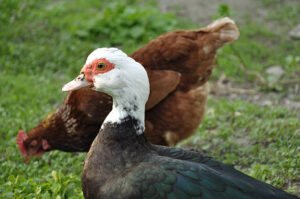
Muscovy ducks, on the other hand, are more likely to experience CO poisoning in outdoor settings due to their preference for foraging and their frequent movement between land and open water. If they are exposed to CO from industrial areas, gas-powered vehicles, or improperly enclosed livestock housing, their respiratory system can be significantly impacted. Muscovy ducks are also known for their relatively smaller lung capacity compared to other duck breeds, which makes them more sensitive to changes in air quality. Exposure to CO in any form can lead to rapid declines in their health, manifesting in respiratory distress and neurological symptoms.
Egg-laying duck breeds, such as the Khaki Campbell and Ancona ducks, are particularly at risk due to their high metabolic demands. These breeds are typically housed in conditions that prioritize egg production, often involving limited outdoor access and controlled environments with artificial heating. When exposed to CO, the stress on their respiratory system can exacerbate existing health conditions, leading to reduced egg-laying, poor feed conversion, and increased susceptibility to diseases. Additionally, heritage duck breeds, such as the Cayuga and Aylesbury ducks, may also experience higher vulnerability to CO poisoning due to their slower metabolism and less efficient oxygen utilization, especially when confined in poorly ventilated spaces.
While no duck breed is entirely immune to CO poisoning, the susceptibility varies based on their behavior, housing conditions, and physiological characteristics. Understanding the risk factors associated with specific breeds is essential for implementing appropriate preventive measures and ensuring the well-being of ducks in various environments.
Life Stage Vulnerability to Carbon Monoxide Poisoning
The susceptibility to carbon monoxide (CO) poisoning varies across different life stages of ducks, with certain physiological and behavioral factors increasing the risk for specific age groups. During the early development phase, ducklings are particularly vulnerable due to their underdeveloped respiratory systems. Their delicate respiratory tracts and high pulmonary surface area expose them to greater risks when CO concentrations are elevated. Ducklings reared in confined spaces, such as hatcheries or brooders with poor ventilation, are at an increased risk of experiencing acute CO poisoning. The effects of CO exposure at this stage can lead to delayed growth, increased mortality, and long-term developmental setbacks, such as weakened muscles and impaired coordination.
As ducks reach the egg-laying stage, their physiological demands for oxygen increase significantly, particularly during peak production. Laying hens require optimal respiratory health to support egg formation and maintain overall productivity. Exposure to CO can disrupt their ability to absorb sufficient oxygen, leading to reduced egg quality, decreased egg production, and in severe cases, premature shell development or embryonic death in hatching eggs. Laying ducks that are confined in poorly ventilated barns are especially susceptible, as their elevated body activity and oxygen consumption rate make them less tolerant to CO interference with hemoglobin function.
Grown ducks, particularly those raised for meat, can also suffer adverse effects from CO exposure, even though their respiratory systems are more developed than those of ducklings. In meat-producing breeds, prolonged CO exposure can result in reduced muscle growth, lower feed conversion efficiency, and increased susceptibility to respiratory diseases. Ducks kept in densely populated housing or those exposed to CO from faulty heating systems or improperly ventilated enclosures are at heightened risk during this life stage.
Elderly ducks, while less common in modern poultry operations, can still be affected by CO toxicity. Their weakened respiratory and immune systems make them more sensitive to CO-induced hypoxia, leading to respiratory distress, increased vulnerability to infections, and overall reduced lifespan. Regardless of the life stage, all ducks are at risk of CO poisoning if exposed to high concentrations of the gas in enclosed or poorly ventilated environments. Understanding these age-related vulnerabilities is essential for implementing preventive measures that protect ducks at all developmental stages.
Diagnosis of Carbon Monoxide Poisoning in Ducks
Diagnosing carbon monoxide (CO) poisoning in ducks requires a combination of clinical signs, environmental assessments, and diagnostic tools to confirm exposure and severity. One of the most straightforward methods is the use of carbon monoxide detectors, which can help identify elevated CO levels in duck housing environments. These detectors can be placed in coops, barns, or any enclosed space where ducks are kept, providing real-time CO readings. A sudden increase in CO concentration, especially when correlating with abnormal duck behavior, can serve as a strong indicator of poisoning.
In addition to environmental assessments, blood tests are essential for confirming CO poisoning in affected ducks. A blood sample can be taken to measure carboxyhemoglobin levels, which indicate the extent of CO binding to red blood cells. The presence of high carboxyhemoglobin, particularly when combined with respiratory distress or neurological symptoms, strongly supports a diagnosis of CO poisoning. It is important to note that the effects of CO poisoning can mimic other avian diseases, such as respiratory infections or mycotoxicosis, making blood analysis a crucial step in differentiating between conditions.
Observation of behavioral and physical symptoms is also vital in diagnosing CO poisoning. Ducks exposed to CO may exhibit restlessness, labored breathing, or a characteristic cherry-red discoloration in the beak, lips, or mucous membranes. In severe cases, ducks may experience seizures, loss of coordination, or sudden death. The rapid onset of these symptoms can help distinguish CO poisoning from slower-developing health issues. A combination of environmental monitoring, blood testing, and behavioral analysis is necessary for an accurate diagnosis, enabling swift intervention and treatment.
Treatment for Carbon Monoxide Poisoning in Ducks
Immediate action is essential when a duck is suspected of suffering from carbon monoxide (CO) poisoning. The first step in treatment is to remove the affected duck from the contaminated environment and move it to a well-ventilated area with fresh air. Ensuring proper oxygen exposure is critical, as the removal of CO sources and the introduction of fresh air can begin reversing the harmful effects of CO binding to hemoglobin. If multiple ducks are showing symptoms, all affected individuals should be relocated to prevent further exposure.
Once the duck is in a safe environment, administering supplemental oxygen is often necessary to help restore normal oxygen levels in the bloodstream. This can be done using an oxygen-rich environment or, in more severe cases, by providing controlled oxygen therapy through a nasal tube or an oxygen cage. Ducks experiencing significant respiratory distress or neurological symptoms may require additional supportive care, such as intravenous fluids to maintain hydration and electrolyte balance. It is also crucial to closely monitor the duck’s behavior and breathing patterns to ensure improvement and prevent complications.
In certain cases, ducks may require follow-up treatments, especially if prolonged exposure has led to organ damage or secondary health issues. Veterinarians may prescribe medications to support respiratory function or treat any resulting infections, particularly if the duck’s immune system has been compromised. Reintroducing affected ducks to their normal environment should be done gradually, ensuring that CO levels remain within safe limits and that the air quality in their housing is continuously monitored. Seeking professional veterinary assistance as soon as symptoms are observed is vital to providing effective treatment and improving the duck’s chances of full recovery. A prompt and well-managed response to CO poisoning significantly reduces the risk of long-term health complications.
Prognosis and Complications of Carbon Monoxide Poisoning in Ducks
The prognosis for ducks affected by carbon monoxide (CO) poisoning varies depending on the duration and severity of exposure, as well as the promptness of intervention. In mild cases where exposure is relatively short and diagnosed early, ducks may fully recover with appropriate treatment. However, if CO poisoning is left untreated or if the exposure is prolonged, the outcomes can be significantly less favorable. The longer a duck remains exposed to CO, the greater the likelihood of permanent damage to vital organs and tissues. In such cases, recovery may not be complete, and complications can persist, affecting the duck’s overall health and productivity.
One of the primary complications of CO poisoning is neurological impairment. Ducks exposed to high levels of CO may experience damage to the central nervous system, leading to long-term effects such as ataxia (loss of coordination), seizures, or abnormal behavior. These neurological symptoms can be difficult to treat and may have lasting impacts on the duck’s ability to function normally within a flock. In addition, muscle weakness and reduced coordination can make it challenging for the duck to forage, fly, or interact with other birds, further complicating its recovery.
Another serious complication is organ damage. Prolonged or severe CO exposure can lead to irreversible harm to the lungs, liver, and kidneys, impairing their ability to function effectively. Ducks with damaged lungs may experience chronic respiratory distress, while those with liver or kidney injury may struggle with detoxification processes and overall metabolic balance. These conditions can significantly reduce the lifespan of affected ducks and lower their quality of life.
In addition to physical complications, ducks that survive CO poisoning may experience a decline in productivity, particularly if they are part of a commercial flock raised for meat or egg production. Even with successful recovery, affected ducks may take longer to regain their strength and may not reach their expected growth or production potential. In severe cases, the damage caused by CO poisoning can lead to long-term health issues that persist well beyond the initial poisoning event. These potential complications underscore the importance of immediate detection and treatment to minimize the impact of CO exposure on duck health and well-being.
Prevention of Carbon Monoxide Poisoning in Ducks
Preventing carbon monoxide (CO) poisoning in ducks requires a combination of proper ventilation, environmental monitoring, and awareness of potential CO sources in their housing. One of the most effective measures is ensuring that duck enclosures are well-ventilated to allow for the continuous exchange of fresh air and the removal of harmful gases. Improper ventilation is a leading cause of CO buildup, particularly in enclosed coops or barns where heating systems or combustion-based equipment is in use. Installing and maintaining adequate air circulation through vents, fans, or natural airflow mechanisms can significantly reduce the risk of CO exposure. In multi-tiered duck housing, proper spacing between levels and the inclusion of air intakes and exhaust systems can help prevent the accumulation of CO at lower levels, where ducks typically reside.
In addition to proper ventilation, monitoring for CO sources is essential in preventing poisoning incidents. Any gas-powered or combustion-based devices used in duck housing, such as heaters, stoves, or generators, should be regularly inspected and maintained to ensure they are functioning correctly. Faulty heating equipment, such as improperly vented propane or kerosene heaters, can release dangerous levels of CO into the air. It is important to avoid using such devices in enclosed spaces unless they are specifically designed for indoor use and equipped with proper ventilation. Regular inspection and cleaning of chimneys, flues, and exhaust systems can help identify and address potential CO leaks before they become hazardous.
Educating duck owners about the risks of CO exposure and the importance of early detection is another crucial step in prevention. Many CO poisoning incidents occur due to a lack of awareness or oversight. Owners should be informed about the signs of CO poisoning in ducks, such as respiratory distress, disorientation, and abnormal discoloration of the beak or mucous membranes. Additionally, the installation of carbon monoxide detectors in duck coops and barns can provide early warning of elevated CO levels, allowing for prompt intervention. By implementing these preventive strategies, duck caretakers can significantly reduce the risk of CO poisoning and ensure a safer environment for their flock.
Diet and Nutrition for Ducks After Carbon Monoxide Poisoning
After experiencing carbon monoxide (CO) poisoning, ducks require special dietary and nutritional support to aid in their recovery and promote overall well-being. The first step in their recovery is ensuring an easily digestible, nutrient-rich diet that provides sufficient energy and essential nutrients to support healing. Ducks recovering from CO poisoning may experience a loss of appetite due to the stress of the poisoning and the effects on their respiratory and neurological systems. Offering highly nutritious, energy-dense feeds can help them regain strength and restore normal metabolic functioning.
A balanced diet should include high-quality protein sources to support muscle repair and recovery, such as soybean meal, fish meal, or mealworms. Additionally, incorporating vitamin and mineral supplements, such as B-complex vitamins, vitamin E, and electrolytes, can help restore cellular function and support respiratory health. Electrolyte solutions can be provided in drinking water to prevent dehydration and maintain fluid balance, especially in ducks that may be experiencing respiratory distress. It is also important to ensure an adequate intake of antioxidants, which can help reduce oxidative stress caused by CO exposure and support immune system function.
Hydration is equally critical during recovery. Ducks should have constant access to clean, fresh water to prevent dehydration and support their body’s natural detoxification processes. In some cases, veterinarians may recommend the addition of probiotics to the duck’s diet to promote digestive health and aid in nutrient absorption. Gradually reintroducing their regular feed once their condition stabilizes can help minimize gastrointestinal stress. Consulting a veterinarian for personalized dietary recommendations based on the severity of the poisoning and the duck’s overall health is essential for a successful recovery.
Zoonotic Risk and Human Health Implications
Carbon monoxide (CO) poisoning in ducks can have indirect zoonotic implications, primarily due to the shared environments between these birds and humans. Although CO poisoning is not a contagious disease, the presence of CO in enclosed or poorly ventilated spaces where ducks are kept can pose a significant health risk to humans who frequently interact with these environments. Since CO is a colorless and odorless gas, it can accumulate unnoticed in coops, barns, or outdoor areas, posing dangers to both ducks and people through inhalation. In households or commercial operations where ducks are raised for meat, eggs, or companionship, individuals working in or near these environments must be aware of the potential for CO exposure and take preventive measures to mitigate the risk.
Common sources of CO exposure that can affect both ducks and humans include faulty heating systems, gas-powered appliances, and combustion-based equipment used in duck housing. Faulty propane or kerosene heaters, for example, can release harmful levels of CO into the air, posing a danger to people who handle or maintain these systems. In industrial settings where ducks are raised in large numbers, inadequate ventilation can lead to CO accumulation, increasing the risk of poisoning for both the poultry and the individuals working in these facilities. It is crucial for duck caretakers to recognize the signs of CO poisoning not only in their birds but also in themselves, as symptoms such as dizziness, headaches, confusion, and nausea can indicate dangerously high CO levels.
To minimize the risk of CO poisoning for both ducks and humans, it is essential to install and regularly maintain carbon monoxide detectors in areas where ducks are housed. Proper ventilation must be prioritized, and any gas-powered or combustion-based equipment should be checked for leaks or malfunctions. Educating duck owners and caretakers about the dangers of CO exposure and the importance of early detection can help prevent serious health consequences for both birds and humans. Recognizing the zoonotic risk associated with duck-related CO poisoning underscores the necessity of maintaining a safe and healthy environment for all living beings in proximity.
#DuckHealth, #CarbonMonoxidePoisoning, #AvianHealth, #DuckBreeds, #AnimalSafety, #CO2Exposure, #FarmSafety, #DuckFarming, #PetDuckCare, #CO2Detectors, #DuckVetTips, #AnimalToxins, #DuckBreeding, #FarmToxins, #DuckHealthcare, #CO2Safety, #DuckNutrition, #DuckRespiratoryHealth, #DuckSafety, #DuckPoisoning






Add comment