
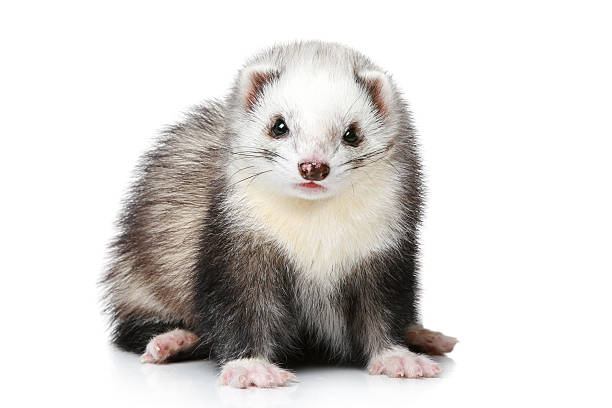
Ferrets have become one of the most popular companion mammals in North America, Europe, and parts of Asia. Their high metabolic rate, propensity for rapid disease progression, and unique cardiac physiology make them an especially valuable species for comparative cardiology research. Cardiomyopathy—defined as a primary disease of the myocardium leading to abnormal ventricular size, shape, or function—accounts for 10–15 % of all ferret deaths in referral centers and is frequently under‑diagnosed in primary‑care settings.
Two phenotypes dominate the veterinary literature:
- Dilated Cardiomyopathy (DCM) – characterized by ventricular chamber enlargement and systolic dysfunction.
- Hypertrophic Cardiomyopathy (HCM) – marked by concentric ventricular wall thickening with preserved or hyperdynamic systolic function but impaired diastolic filling.
Both conditions can culminate in congestive heart failure (CHF), thromboembolic disease, and sudden death. Understanding the pathophysiology, risk factors, and therapeutic options is essential for extending life expectancy and ensuring a good quality of life for affected ferrets.
Overview of the Two Major Phenotypes
| Feature | Dilated Cardiomyopathy (DCM) | Hypertrophic Cardiomyopathy (HCM) |
|---|---|---|
| Morphology | Ventricular dilation, thin walls, decreased contractility (EF < 40 %). | Concentric hypertrophy, wall thickness > 6 mm (relative to body size), normal or increased systolic function. |
| Predominant Chamber | Both left & right ventricles, with left‑sided predominance in most cases. | Usually left ventricle; right ventricular involvement less common. |
| Age of Onset | 2 – 5 years (young adult), often rapid progression. | 1 – 3 years (juvenile), may be slowly progressive. |
| Gender Predilection | Slight male bias (≈ 55 %). | No clear sex bias; some studies note a slight female predominance. |
| Common Clinical Patterns | Syncopal episodes, acute pulmonary edema, abdominal ascites, severe exercise intolerance. | Systolic murmur, soft “gallop,” occasional syncope, early onset arrhythmias. |
| Typical Pathogenesis | Myocardial fiber loss, interstitial fibrosis, impaired calcium handling, often linked to taurine deficiency or hereditary mutations. | Myocyte disarray, sarcomere protein mutations (β‑myosin heavy chain, MYBPC3), hypercontractility, diastolic dysfunction. |
Both phenotypes may coexist in a single individual (mixed cardiomyopathy) and can transition from one form to another under chronic strain or secondary disease processes.
Etiology (Causes)
3.1 Genetic & Hereditary Factors
- Familial DCM – Observed in multiple litters from the same breeding line, suggesting autosomal recessive or polygenic inheritance. Whole‑genome sequencing in research colonies has identified mutations in LMNA and DES (desmin) that alter cytoskeletal integrity.
- Familial HCM – Mutations in sarcomeric genes (MYH7, MYBPC3, TNNT2) have been described in ferret pedigrees with high HCM prevalence, mirroring similar pathways in humans and cats.
Practical tip: Breeders should maintain a pedigree database and submit DNA samples to specialized labs for mutation screening.
3.2 Nutritional Deficiencies
- Taurine deficiency – Ferrets cannot synthesize taurine efficiently; low‑taurine diets (especially grain‑heavy or “low‑meat” formulations) predispose to DCM. Plasma taurine < 30 µmol/L correlates with reduced fractional shortening.
- Vitamin E & Selenium – Antioxidant deficits lead to oxidative myocardial injury, accelerating both DCM and HCM.
3.3 Metabolic & Endocrine Disorders
- Hypothyroidism – Slows myocardial metabolism, promoting dilation.
- Hyperadrenocorticism (Cushing’s disease) – Chronic glucocorticoid excess causes myocardial remodeling and fibrosis.
3.4 Infectious Agents
- Myocarditis secondary to Salmonella spp., Streptococcus spp., or ferret‐specific Enteric viruses can evolve into DCM.
- Coronavirus‐related Ferret Systemic Disease (FSD) – Rare but documented myocardial inflammation.
3.5 Toxic & Iatrogenic Causes
- Chronic exposure to anesthetic gases (e.g., isoflurane) without adequate cardioprotective agents can precipitate reversible myocardial depression that may transition to DCM if repeated.
- Certain chemotherapeutics (doxorubicin, cyclophosphamide) – Dose‑dependent cardiotoxicity; ferrets are especially sensitive due to rapid metabolism.
3.6 Secondary & Pressure Overload
- Pulmonary hypertension (e.g., from chronic pneumonia) forces right‑ventricular remodeling, sometimes culminating in biventricular DCM.
- Aortic stenosis – Rare congenital lesion that may provoke compensatory left‑ventricular hypertrophy mimicking HCM.
Clinical Signs & Symptoms
| System | DCM | HCM |
|---|---|---|
| Respiratory | Rapid, shallow breathing; orthopnea; crackles; pulmonary edema. | Mild tachypnea; occasional wheezes; less frequent edema. |
| Cardiovascular | Weak femoral pulse, jugular venous distension, gallop rhythm, low‑grade murmur, arrhythmias (PVCs, V‑fib). | Systolic murmur (grade 2–3/6), “double‑click” gallop, occasional atrial premature complexes (APCs). |
| Gastrointestinal | Ascites → abdominal distension, weight gain despite reduced appetite. | May develop mild vomiting due to decreased perfusion. |
| Neurologic | Syncope, collapse after exertion, ataxia from cerebral hypoperfusion. | Exercise intolerance, subtle lethargy. |
| General | Lethargy, cachexia, marked pallor, cold extremities. | Mild lethargy, occasional “pacing” behavior. |
Acute Decompensation is more common in DCM (e.g., sudden pulmonary edema) and carries a high immediate mortality if not treated within the “golden hour.” HCM often presents insidiously with intermittent murmurs detected during routine wellness exams.
Diagnostic Work‑up
A systematic, tiered approach yields the highest diagnostic yield.
1. Physical Examination
- Auscultation – Identify murmurs, gallops, or arrhythmias.
- Palpation – Check for precordial thrill, weak peripheral pulses, or jugular distension.
2. Baseline Laboratory Panel
| Test | Rationale |
|---|---|
| CBC | Detect anemia, infection, or eosinophilia (parasitic myocarditis). |
| Serum Chemistry | Evaluate hepatic (ALT, AST) and renal (BUN, creatinine) function; hyperkalemia may indicate CHF. |
| Cardiac Biomarkers | NT‑proBNP > 1,500 pmol/L and cTnI > 0.5 ng/mL suggest myocardial stretch and necrosis. |
| Taurine Level | Plasma or whole‑blood taurine; < 30 µmol/L is diagnostic for deficiency‑related DCM. |
| Thyroid Panel (T4, TSH) | Rule out hypothyroidism. |
| Infectious Disease PCR/Serology | Salmonella, Mycoplasma, coronavirus where indicated. |
3. Imaging
| Modality | DCM Findings | HCM Findings |
|---|---|---|
| Thoracic Radiography (2‑view) | Cardiomegaly (VHS > 10.5), pulmonary venous congestion, pleural effusion. | Mild cardiomegaly, left atrial enlargement, normal pulmonary vasculature. |
| Echocardiography (Gold standard) | – LV end‑diastolic dimension (LVIDd) > 1.8 cm. – Fractional shortening (FS) < 25 %. – Global hypokinesis. – Mitral regurgitation (MR) jet. |
– Interventricular septal thickness > 6 mm (relative to body weight). – LV posterior wall thickness > 6 mm. – Normal/↑ EF (> 70 %). – Diastolic dysfunction (E/A reversal). |
| Doppler Flow Studies | Reduced mitral inflow velocities, increased regurgitant fraction. | Elevated left‑ventricular outflow tract (LVOT) velocity (> 2.5 m/s) indicating dynamic obstruction. |
| Holter Monitoring (24‑48 h) | Frequent ventricular ectopy, sinus arrhythmia, pause > 2 s. | Supraventricular tachycardia, atrial premature complexes, occasional ventricular arrhythmias. |
| CT/MRI (optional) | Evaluate coronary anomalies, myocardial fibrosis (late‑gadolinium enhancement). | Assess myocardial fiber disarray, wall strain. |
4. Electrocardiography (ECG)
- DCM: Wide QRS complexes, low voltage, ventricular premature beats (VPBs).
- HCM: Short PR interval, possible atrial premature complexes (APCs), occasional episodes of atrial fibrillation.
5. Invasive Diagnostics (Rarely Indicated)
- Cardiac catheterization – For precise pressure measurements, especially when pulmonary hypertension is suspected.
- Endomyocardial biopsy – Reserved for research or when myocarditis/amyloidosis is a differential.
Diagnostic Algorithm (Simplified):
- History & Physical → suspect cardiomyopathy?
- CBC + Chemistry + Biomarkers → rule out systemic disease.
- Thoracic Radiographs → cardiomegaly/effusion?
- Transthoracic Echo → definitive phenotyping (DCM vs. HCM).
- Holter/ECG → arrhythmia profile.
- Advanced Imaging / Biopsy → optional, for complex cases.
Therapeutic Strategies
1. General Principles
- Early intervention dramatically improves survival (median 12 months for DCM, 24 months for HCM with aggressive therapy).
- Goal‑oriented management:
- Reduce myocardial workload.
- Control neurohormonal activation (RAAS & sympathetic).
- Treat arrhythmias.
- Manage fluid overload.
- Address underlying etiologies (e.g., nutrition, infection).
2. Pharmacologic Regimens
| Drug Class | Representative Agents (dose range) | Primary Indication |
|---|---|---|
| Positive Inotropes | Pimobendan 0.2–0.3 mg/kg PO q12h (DCM) | ↑ contractility, vasodilation |
| ACE Inhibitors | Enalapril 0.25–0.5 mg/kg PO q24h; Benazepril 0.2 mg/kg PO q24h | Afterload reduction, RAAS inhibition |
| Angiotensin‑II Receptor Blockers (ARBs) | Telmisartan 0.5 mg/kg PO q24h | Alternative to ACE‑i if cough/angioedema |
| Beta‑Blockers | Atenolol 0.5 mg/kg PO q12h; Carvedilol 0.2 mg/kg PO q12h (HCM) | Rate control, reduce myocardial O2 demand |
| Calcium Channel Blockers | Diltiazem 5 mg/kg PO q12h (HCM) | Reduce LVOT obstruction |
| Diuretics | Furosemide 1–2 mg/kg PO q8h; Spironolactone 2 mg/kg PO q24h | Pulmonary edema & ascites |
| Anticoagulants | Clopidogrel 18 mg PO q24h; Rivaroxaban 0.5 mg/kg PO q24h (high thromboembolic risk) | Prevent arterial/venous thrombi |
| Anti‑arrhythmics | Sotalol 2 mg/kg PO q12h; Mexiletine 4 mg/kg PO q8h | Ventricular ectopy, atrial tachycardia |
| Nutraceuticals | Taurine 250 mg PO q24h; L‑carnitine 50 mg PO q12h; Coenzyme Q10 5 mg PO q24h | Myocardial metabolic support |
Special notes:
- Pimobendan is now considered first‑line for DCM because it simultaneously enhances contractility and reduces afterload.
- In HCM with dynamic LVOT obstruction, beta‑blockers or non‑dihydropyridine CCBs are preferred over ACE‑i alone.
- Taurine supplementation should be continued long‑term in all ferrets, even after cardiac stabilization, as deficiency often recurs with dietary changes.
3. Dietary Management
- High‑protein, low‑carbohydrate diet (≥ 40 % kcal from animal protein, ≤ 15 % kcal from carbs).
- Taurine‑enriched (≥ 2000 mg/kg of diet). Commercial ferret formulations (e.g., “Ferret Formula A”) meet these criteria; alternatively, a homemade mixture of lean chicken, turkey, and fortified egg yolk can be used.
- Omega‑3 fatty acids (EPA/DHA 1–2 % of total fat) improve myocardial membrane fluidity and reduce inflammation.
- Controlled sodium (≤ 0.2 % of diet) to avoid fluid overload in CHF.
- Frequent small meals (2–3 times daily) reduce post‑prandial cardiac stress.
4. Interventional & Surgical Options
| Procedure | Indication | Success Rate & Comments |
|---|---|---|
| Implantable Cardioverter‑Defibrillator (ICD) | Refractory ventricular tachyarrhythmias (DCM) | 70 % survival to discharge; limited availability in small‑animal practice. |
| Percutaneous Balloon Valvuloplasty | Obstructive HCM with severe LVOT gradient (> 3.0 m/s) | Reduces gradient by 30‑50 %; requires specialist cardiology center. |
| Transvenous Pacemaker | High‑grade AV block or severe bradyarrhythmias (rare in ferrets) | Effective but high cost; device size must be adapted for small thorax. |
| Thoracoscopic Pericardiectomy | Refractory pericardial effusion secondary to CHF | Improves hemodynamics; limited to advanced centers. |
5. Supportive Care
- Oxygen therapy (humidified flow 1–2 L/min via facemask) during acute pulmonary edema.
- Thoracocentesis (if pleural effusion) – 10‑15 mL of sterile saline‑free fluid; monitor for re‑accumulation.
- Abdominal paracentesis – up to 30 mL, relieve discomfort, monitor albumin levels.
- Environmental modifications – keep ambient temperature 18‑22 °C, minimize stress, provide easy access to water/food.
Prognosis, Expected Survival & Common Complications
| Condition | Median Survival (untreated) | Median Survival (treated) | Common Complications |
|---|---|---|---|
| DCM | 2–4 months (rapid CHF) | 10–14 months (optimal therapy) | Pulmonary edema, ascites, thromboembolism, ventricular arrhythmias, sudden cardiac death |
| HCM | 6–12 months (gradual) | 18–30 months (beta‑blocker/CCB + ACE‑i) | Atrial fibrillation, LVOT obstruction, myocardial ischemia, embolic stroke |
1. Factors Influencing Prognosis
- Age at diagnosis – younger ferrets tend to have a more aggressive disease course.
- Degree of ventricular dilation or wall thickness – echo measurements > 2 SD above reference values predict poorer outcomes.
- Presence of arrhythmias – ventricular ectopy > 10 % of total beats on Holter correlates with higher mortality.
- Taurine status – persistent deficiency despite supplementation worsens DCM survival.
2. Complication Management
- Thromboembolism – prophylactic clopidogrel is standard; if an embolus occurs, initiate low‑molecular‑weight heparin (LMWH) 1 mg/kg SC q12h for 48 h, then transition to oral anticoagulant.
- Arrhythmias – acute ventricular tachycardia should be cardioverted (defibrillator 15 J, pediatric pads). Chronic management utilizes sotalol or mexiletine as described.
- Renal Dysfunction – monitor BUN/creatinine; adjust diuretic dose to avoid pre‑renal azotemia.
Prevention & Early‑Detection Programs
| Preventive Measure | Implementation Details |
|---|---|
| Genetic Screening | DNA testing for known LMNA, DES, MYH7 mutations. Exclude carriers from breeding. |
| Nutritional Assurance | Feed certified ferret diets with ≥ 2500 mg/kg taurine; supplement water‑soluble taurine if using homemade diets. |
| Routine Wellness Exams | Semi‑annual physical exam + thoracic radiographs for breeding colonies; annual echocardiography for at‑risk lines. |
| Biomarker Surveillance | Serial NT‑proBNP & cTnI measurements; rising trends warrant an immediate echo. |
| Vaccination & Biosecurity | Maintain up‑to‑date vaccinations (influenza, rabies where legal) and limit exposure to wild rodents to reduce myocarditis risk. |
| Environmental Enrichment | Low‑stress housing, avoid extreme temperature fluctuations, provide safe exercise to maintain cardiac conditioning. |
Breeder Checklist (to be completed annually):
- Verify pedigree DNA results.
- Test all breeding adults for plasma taurine.
- Record weight, BCS (body condition score), and any murmur.
- Perform baseline echocardiogram for each adult.
- Review diet formulation; adjust if protein < 40 % kcal.
Nutritional Management – Optimal Diet & Supplements
| Nutrient | Target Range for Ferrets | Rationale |
|---|---|---|
| Protein (animal) | 40–55 % of kcal | Provides essential amino acids and supports high metabolic demand. |
| Taurine | ≥ 2500 mg/kg (≈ 200 mg/100 g) | Prevents DCM; improves contractility. |
| Omega‑3 (EPA/DHA) | 1–2 % of total fat | Anti‑inflammatory, improves endothelial function. |
| Vitamin E | 30–50 IU/kg | Antioxidant protection against oxidative myocardial injury. |
| Selenium | 0.02 ppm (dietary) | Cofactor for glutathione peroxidase; prevents myodegeneration. |
| Sodium | ≤ 0.2 % (2 g/kg) | Limits fluid accumulation in CHF. |
| Fiber | Minimal (≤ 2 %); ferrets are obligate carnivores. | High fiber impairs nutrient absorption. |
Sample Commercial Diet (per 100 g)
| Ingredient | % (w/w) |
|---|---|
| Chicken meat & meal | 45 |
| Turkey meat & meal | 30 |
| Fish oil (EPA/DHA) | 5 |
| Egg yolk powder (taurine source) | 4 |
| Vitamin & mineral premix (incl. E, selenium) | 1 |
| Calcium carbonate, phosphorus | 2 |
| Other additives (probiotics, antioxidants) | 1 |
| Water/gel base | 12 |
Homemade Recipe (Daily Ration for a 1 kg ferret)
| Component | Amount | Notes |
|---|---|---|
| Cooked chicken breast, skin‑off | 80 g | Boiled, unseasoned. |
| Cooked turkey liver | 10 g | High vitamin A; limit to avoid hypervitaminosis. |
| Hard‑boiled egg (whole) | 0.5 egg | Provides taurine & choline. |
| Fish oil capsule (EPA/DHA) | 1 capsule (≈ 250 mg) | Add to food. |
| Taurine supplement (powder) | 100 mg | Dissolve in water. |
| Vitamin E capsule (400 IU) | ¼ capsule | Mix thoroughly. |
| Water | ad libitum | Ensure fresh, clean water at all times. |
Feeding Frequency: 2–3 meals daily; avoid large bolus feeds that cause post‑prandial tachycardia.
Monitoring: Check body weight weekly; adjust calorie intake to maintain BCS = 3–4 (on a 1‑9 scale).
Zoonotic Considerations – “Can Cardiomyopathy Be Transmitted?”
Cardiomyopathy itself is not a zoonotic disease. It is a sterile, non‑infectious myocardial disorder. However, several infectious agents that can secondarily cause myocarditis and subsequently cardiomyopathy in ferrets are zoonotic:
| Pathogen | Ferret Disease | Human Relevance |
|---|---|---|
| Salmonella spp. | Myocarditis → DCM | Food‑borne gastroenteritis; can cause endocarditis in immunocompromised humans. |
| Campylobacter jejuni | Myocarditis | Gastroenteritis; rare myocarditis in people. |
| Influenza A (H1N1) | Viral myocarditis | Respiratory infections; human‑to‑ferret transmission documented. |
| Ferret coronavirus (FCoV) | Systemic disease with myocardial involvement | Not proven zoonotic, but close relatives (feline coronavirus) can infect humans under experimental conditions. |
Precautionary Measures for Owners & Handlers
- Hand hygiene – Wash hands with soap after handling food, litter, or cleaning cages.
- Personal protective equipment (PPE) – Gloves when dealing with feces or vomitus from a sick ferret.
- Environmental sanitation – Disinfect cages weekly with a 10 % bleach solution, rinsed thoroughly.
- Vaccination of human household members – Seasonal influenza vaccine reduces the risk of cross‑species transmission.
Bottom line: The cardiac disease itself cannot be passed to humans, but the underlying infectious agents that may precipitate it can be transmitted. Rigorous biosecurity protects both the ferret and the humans in the household.
Owner‑Education & Quality‑of‑Life Enhancements
| Area | Practical Tips |
|---|---|
| Medication Administration | Use flavored compounding (e.g., chicken broth) to hide bitter taste; give pills in a small piece of cheese or meat paste. |
| Monitoring at Home | Daily weight check; observe for coughing, breathing pattern, or lethargy. Record any changes in a notebook or digital app. |
| Exercise | Short, low‑intensity play sessions (5–10 min) 2‑3 times daily; avoid high‑impact activities that raise heart rate > 200 bpm. |
| Stress Reduction | Provide a quiet, temperature‑controlled hideaway; use pheromone diffusers (e.g., Feliway®) to calm anxious pets. |
| End‑of‑Life Planning | Discuss humane euthanasia thresholds with the veterinarian (e.g., refractory CHF, severe dyspnea unresponsive to therapy). |
| Support Networks | Join ferret‑owner forums, local rescue groups, or Facebook communities for shared experiences and updates on research. |
Key Take‑aways
- Cardiomyopathy is a leading cause of morbidity in ferrets; DCM and HCM have distinct pathophysiology but often share overlapping clinical signs.
- Genetics, taurine deficiency, and metabolic disease are the primary drivers; a thorough dietary analysis is mandatory for every case.
- Echocardiography combined with cardiac biomarkers (NT‑proBNP, cTnI) provides the most accurate diagnosis.
- Early, aggressive medical therapy—including pimobendan for DCM and beta‑blockers/CCBs for HCM—extends median survival by 2‑3 fold.
- Prevention hinges on genetic screening, high‑quality, taurine‑rich diets, and routine wellness checks.
- Zoonotic risk stems from secondary infectious agents, not from the cardiomyopathy itself; uphold proper hygiene.
- Owner education, environmental enrichment, and clear communication about prognosis are vital for maintaining the ferret’s quality of life.
#FerretCardiology, #FerretHeartHealth, #DilatedCardiomyopathy, #HypertrophicCardiomyopathy, #FerretDCM, #FerretHCM, #TaurineDeficiency, #FerretNutrition, #PetHeartDisease, #FerretWellness, #ExoticPetMedicine, #VetEducation, #FerretOwners, #FerretBreeders, #FerretCareTips, #HeartFailureInFerrets, #FerretLife, #FerretLove, #ZoonoticAwareness, #FerretHealthCheck, #FelineAndFerretCardio, #CardiacBiomarkers, #Echocardiography, #PetHeartCare, #SmallAnimalCardiology, #HealthyFerrets, #FerretDiet, #FerretSupplements, #VeterinaryMedicine, #AnimalScience, #FerretRescue, #FerretCommunity, #FerretFun, #FerretLifeLong, #FerretResearch, #CardiologyEducation, #AnimalHealth, #PetSafety, #FerretLifestyle, #HeartHealth, #FerretFriends, #FerretFamily.

Add comment