
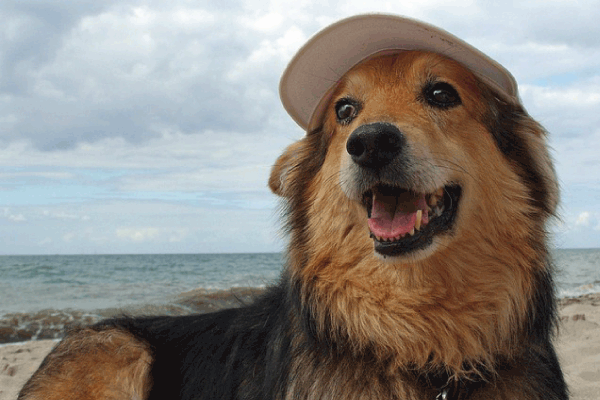
The wagging tail, the enthusiastic greeting at the door, the soulful gaze – our canine companions bring immeasurable joy and unconditional love into our lives. As responsible pet parents, ensuring their health and well-being is paramount. One of the most common eye conditions affecting dogs, and one that can significantly impact their quality of life, is cataracts. This comprehensive guide aims to demystify cataracts in dogs, covering everything from their causes and symptoms to the latest treatment options and preventative measures.
What Exactly is a Cataract?
At its core, a cataract is the clouding of the lens within the eye. The lens, a transparent structure located behind the iris (the colored part of the eye), plays a crucial role in focusing light onto the retina, allowing us to see clearly. When this lens becomes opaque, it obstructs the passage of light, leading to blurred vision, and in severe cases, blindness. Imagine looking through a foggy window – that’s essentially what a dog with cataracts experiences.
The opacity can affect a small portion of the lens or the entire structure. It can develop in one eye (unilateral) or both eyes (bilateral). The progression can be gradual or rapid, depending on the underlying cause.
Causes of Cataracts in Dogs
Cataracts in dogs are not a single entity but rather a symptom that can arise from various underlying factors. Understanding these causes is the first step in managing and potentially preventing this condition.
1. Hereditary Cataracts (Congenital and Juvenile)
Genetics plays a significant role in the development of cataracts in many dog breeds. These are often referred to as hereditary cataracts.
- Congenital Cataracts: These cataracts are present at birth. While rare, they can occur in puppies.
- Juvenile Cataracts: These typically develop in younger dogs, often appearing between six months and six years of age. Certain breeds are predisposed to juvenile cataracts, including:
- Poodles (Miniature and Toy)
- Cocker Spaniels
- Boston Terriers
- Siberian Huskies
- Australian Shepherds
- Labrador Retrievers
- Golden Retrievers
- Beagles
- Schnauzers
- And many more.
If cataracts are hereditary, responsible breeding practices are crucial to reduce their prevalence.
2. Age-Related Cataracts (Senile Cataracts)
Just like humans, dogs can develop cataracts as they age. These senile cataracts are a natural part of the aging process for some dogs, typically appearing after the age of seven. The lens undergoes biochemical changes over time, leading to increased cloudiness. These cataracts are usually bilateral and progress slowly.
3. Diabetes Mellitus
Diabetes is a major culprit behind secondary cataracts in dogs. In diabetic dogs, elevated blood glucose levels cause an enzyme in the lens (aldose reductase) to convert glucose into sorbitol. Sorbitol accumulates within the lens, drawing water and causing the lens fibers to swell and break down, leading to rapid and significant cataracts. This type of cataract can develop very quickly, sometimes within weeks or a few months of a diabetes diagnosis. It is almost always bilateral.
4. Nutritional Deficiencies
While less common in developed countries due to readily available commercial dog food, certain nutritional deficiencies can contribute to cataract formation.
- Lens-specific nutrition: The lens has unique metabolic requirements. Deficiencies in certain amino acids or vitamins like Vitamin E can impair lens health.
- High-purity protein diets: In very specific and rare cases, diets composed of almost entirely purified protein (often used for hypoallergenic trials) have been linked to cataracts in dogs due to a lack of essential amino acids like arginine.
It is important to feed a balanced, high-quality commercial dog food formulated for the dog’s life stage.
5. Trauma to the Eye
Direct trauma to the eye, such as a puncture wound, a blunt force impact, or even severe inflammation within the eye, can damage the lens and lead to cataract formation. This is often unilateral, affecting only the injured eye.
6. Ocular Inflammation (Uveitis)
Uveitis is inflammation of the uvea, the middle layer of the eye that includes the iris, ciliary body, and choroid. This inflammation can disrupt the metabolism of the lens, leading to secondary cataracts. Uveitis can be caused by infections, autoimmune diseases, trauma, or other underlying systemic conditions.
7. Other Ocular Diseases
Certain other eye conditions can indirectly lead to cataracts:
- Progressive Retinal Atrophy (PRA): While PRA directly affects the retina, the degeneration of retinal tissue can sometimes trigger secondary cataract formation in some breeds.
- Glaucoma: Increased intraocular pressure can damage various parts of the eye, including the lens.
8. Toxins and Medications
Exposure to certain toxins or long-term use of specific medications, particularly corticosteroids (like prednisone), can increase the risk of cataract development. Corticosteroids can disrupt lens metabolism and fluid dynamics.
Signs and Symptoms of Cataracts in Dogs
Recognizing the subtle and not-so-subtle signs of cataracts is crucial for early detection and intervention. As cataracts progress, the visual impairment becomes more pronounced.
Early Signs (May be subtle and easily missed):
- Slight haziness or bluish-gray tint in the pupil, particularly noticeable in good light.
- Difficulty seeing in dim light or at dusk.
- Changes in eye reflexes: The pupillary light reflex (the constriction of the pupil when light is shone into the eye) might be present but appear dimmer or slower.
Moderate to Advanced Signs (More obvious visual impairment):
- Clearly visible cloudy or opaque area in the pupil, appearing white, gray, or bluish. This is the most common and striking sign.
- Bumping into objects, especially in dimly lit environments or unfamiliar surroundings.
- Hesitation to jump on or off furniture, or to navigate stairs.
- Apprehension in new situations or around unfamiliar objects.
- Reduced prey drive or difficulty tracking toys.
- Squinting or rubbing the eyes due to discomfort or attempts to clear their vision.
- Dilated pupils in an attempt to let in more light.
- Changes in behavior: Some dogs may become more withdrawn, anxious, or clingy due to their impaired vision. Others might seem disoriented or confused.
- In severe cases, complete blindness may occur if the cataracts are dense and bilateral.
It’s important to note that dogs are incredibly adaptable and often compensate for their declining vision remarkably well. They rely heavily on their other senses, particularly smell and hearing, to navigate their world. This adaptability can sometimes mask the extent of their vision loss until it becomes quite severe.
Diagnosis of Cataracts in Dogs
A definitive diagnosis of cataracts and the assessment of their severity can only be made by a qualified veterinarian, ideally an ophthalmologist (a vet specializing in eyes).
The diagnostic process typically involves:
1. Physical Examination and Ophthalmic History
Your veterinarian will begin by asking about your dog’s medical history, the onset of any observed symptoms, and any known breed predispositions. They will perform a general physical examination to assess your dog’s overall health.
2. Ophthalmic Examination
This is the core of the diagnosis and involves several key steps:
- Visual Inspection: The veterinarian will carefully examine the dog’s eyes, looking for the characteristic cloudy appearance of the lens.
- Penlight Examination: Using a penlight, the vet will assess the pupillary light reflexes and observe how light passes through the cornea and lens.
- Ophthalmoscope Examination: This is a crucial tool. An ophthalmoscope allows the veterinarian to look through the pupil and visualize the lens, retina, and optic nerve. They can determine the location, size, and density of the cataract, as well as check for any other concurrent eye conditions.
- Slit Lamp Biomicroscopy: This specialized instrument, often used by ophthalmologists, provides a magnified, three-dimensional view of the eye’s structures, allowing for a detailed assessment of the cataract and surrounding tissues.
- Tonometry: This test measures the intraocular pressure (IOP) within the eye. It’s vital to rule out underlying glaucoma, which can cause similar visual disturbances and requires different treatment.
- Ophthalmic Ultrasound: In cases where dense cataracts or other media opacity (like bleeding or swelling) prevent direct visualization of the back of the eye (retina and optic nerve), an ultrasound can provide valuable information about these structures.
- Fundic Examination: This involves examining the retina and optic nerve, often after dilating the pupil with eye drops. This helps assess the health of the back of the eye and rule out other causes of vision loss.
- Blood Tests: If diabetes mellitus is suspected as the cause of cataracts, blood tests (e.g., fasting glucose, fructosamine) will be recommended to diagnose and monitor diabetes.
- Genetic Testing: For certain breeds with known hereditary cataract genes, genetic testing may be available to identify carriers and help with breeding decisions.
Differentiating Cataracts from Nuclear Sclerosis
It’s important to distinguish cataracts from nuclear sclerosis (also known as lenticular sclerosis). Nuclear sclerosis is also a common age-related change where the lens nucleus becomes denser and develops a grayish-blue haze. However, unlike cataracts, nuclear sclerosis does not significantly impair vision. It is a normal aging process and does not require treatment. An experienced veterinarian can usually differentiate between the two using an ophthalmoscope. Nuclear sclerosis typically has a uniform appearance and does not obstruct light pathways as severely as true cataracts.
Treatment of Cataracts in Dogs
The treatment approach for cataracts depends on the underlying cause, the severity of the cataract, the dog’s overall health, and the owner’s ability and desire to pursue advanced options.
1. Medical Management (Limited Effectiveness for True Cataracts)
For cataracts caused by underlying diseases like diabetes or uveitis, managing the primary condition is crucial.
- Diabetes Management: Strict control of blood glucose levels is essential. While it won’t reverse existing cataracts, it can prevent further progression and improve overall health.
- Uveitis Treatment: Anti-inflammatory medications (eye drops and sometimes oral medications) are used to control inflammation. Early and aggressive treatment can sometimes slow cataract progression.
Important Note: There are no eye drops, medications, or supplements that can dissolve or cure existing true cataracts once they have formed. Many products marketed as “cataract cures” are ineffective and can delay proper veterinary care.
2. Surgical Intervention: Phacoemulsification
The most effective treatment for cataracts that significantly impair vision is surgical removal of the clouded lens. The gold standard for this procedure is phacoemulsification, a highly specialized surgery performed by veterinary ophthalmologists.
- The Procedure: Phacoemulsification involves using an ultrasonic device to break up the clouded lens into small pieces, which are then suctioned out of the eye.
- Intraocular Lens (IOL) Implantation: In many cases, after the clouded lens is removed, an artificial intraocular lens (IOL) is implanted to restore focusing power. This is more common in human cataract surgery but is also performed in dogs, significantly improving visual outcomes.
- Recovery: Post-operative care is intensive and requires strict adherence to a medication regimen (antibiotic and anti-inflammatory eye drops) and activity restriction for several weeks. Regular follow-up appointments are essential to monitor healing and check for complications.
Who is a good candidate for surgery?
- Dogs with significant vision impairment due to cataracts.
- Dogs with otherwise good general health and a healthy retina and optic nerve (assessed during the pre-surgical exam).
- Owners who can commit to the rigorous post-operative care and financial commitment.
Contraindications for surgery:
- Severe retinal disease or optic nerve damage, as the dog will not regain vision even if the cataract is removed.
- Uncontrolled systemic diseases (e.g., uncontrolled diabetes, severe heart disease).
- Active severe ocular inflammation.
3. Lens Intracapsular Extraction (Less Common)
This older surgical technique involves removing the entire lens in its capsule. It is generally considered more invasive and carries a higher risk of complications than phacoemulsification, so it is less frequently performed today.
4. Management for Non-Surgical Candidates
If surgery is not an option due to the dog’s health, cost, or other factors, there are ways to help dogs cope with vision loss:
- Environmental Modifications: Keep furniture arrangements consistent, avoid moving objects, use baby gates to block dangerous areas, and consider glow-in-the-dark or reflective collars for visibility.
- Leash Control: Always keep your dog on a leash when outdoors to prevent them from getting lost or running into hazards.
- Muzzles/Halo Devices: Special “halo” or bumper devices can be attached to a dog’s collar to alert them when they are about to bump into something.
- Verbal Cues and Commands: Reinforce verbal commands to help guide your dog.
- Routine and Predictability: Maintain a consistent daily routine for feeding, walks, and potty breaks.
Prognosis and Complications
The prognosis for dogs with cataracts varies greatly depending on the cause, the stage of the cataract, and the chosen treatment.
Prognosis:
- Hereditary/Age-Related Cataracts Treated Surgically: The prognosis is generally excellent, with many dogs regaining near-normal vision after successful phacoemulsification and IOL implantation. Survival of the retina and optic nerve is critical for good visual recovery.
- Diabetic Cataracts Treated Surgically: The prognosis is good, but successful outcomes are highly dependent on excellent diabetic control. The underlying diabetes requires lifelong management.
- Non-Surgical Management: While vision loss will not be reversed, dogs can live fulfilling lives with appropriate environmental adaptations and dedicated care from their owners. Their quality of life can remain high.
Complications of Cataracts (Untreated):
- Lens-Induced Uveitis (LIU): As cataracts progress, the lens proteins can break down and become antigenic, triggering inflammation within the eye. This can be painful and can lead to further damage, including glaucoma.
- Glaucoma: Secondary glaucoma can develop due to inflammation or lens displacement, leading to increased intraocular pressure and irreversible blindness if not treated.
- Retinal Degeneration: Chronic inflammation and lack of proper light stimulation to the retina can eventually lead to retinal degeneration.
- Blindness: Without treatment, dense cataracts will inevitably lead to blindness.
Complications of Cataract Surgery:
While phacoemulsification is a safe and effective procedure, like any surgery, it carries potential risks and complications:
- Persistent Uveitis: Inflammation within the eye that can sometimes be difficult to control.
- Glaucoma: Elevated intraocular pressure can occur post-operatively.
- Retinal Detachment: Although rare, the retina can detach from the back of the eye.
- Infection: As with any surgery, there is a risk of infection.
- Corneal Edema: Swelling of the cornea.
- IOL Dislocation: The implanted artificial lens can sometimes shift from its intended position.
- Visual Impairment: Despite best efforts, some dogs may not regain full vision due to pre-existing retinal damage or surgical complications.
A thorough pre-operative examination by a veterinary ophthalmologist is crucial to identify risk factors and minimize the likelihood of these complications.
Prevention of Cataracts in Dogs
While it’s impossible to prevent all types of cataracts, especially hereditary and age-related ones, certain measures can help reduce the risk or slow their progression.
1. Responsible Breeding Practices
For breeds prone to hereditary cataracts, responsible breeders will screen their breeding stock for eye conditions through organizations like the Orthopedic Foundation for Animals (OFA) or the Canine Eye Registration Foundation (CERF) to identify and exclude affected dogs or carriers from breeding programs.
2. Early Detection and Management of Diabetes Mellitus
Prompt diagnosis and meticulous management of diabetes are critical to prevent or slow the development of diabetic cataracts. Regular veterinary check-ups are essential for early detection of this disease.
3. Regular Veterinary Eye Exams
Schedule routine veterinary check-ups, especially for older dogs or breeds known to be predisposed to eye conditions. Early detection of cataracts or other eye problems allows for timely intervention and better outcomes.
4. Protect Eyes from Trauma
Prevent eye injuries by supervising your dog during play, especially in environments with potential hazards. Promptly address any signs of eye injury or irritation.
5. Avoid Prolonged Use of Steroids
If your dog requires long-term corticosteroid therapy for other conditions, discuss with your veterinarian the potential risks of cataract development and explore alternative treatment options or close monitoring of eye health.
6. Good Nutrition
While not a direct preventative for all types of cataracts, feeding a high-quality, balanced diet supports overall health, including eye health.
Diet and Nutrition
Nutrition plays a supporting role in maintaining eye health, although it cannot cure or prevent all forms of cataracts.
- Antioxidants: Vitamins C and E, as well as other antioxidants like lutein and zeaxanthin, are important for combating oxidative stress, which can contribute to cellular damage in the eye. These are found in fruits, vegetables, and high-quality dog food. Ensure your dog’s diet is rich in these nutrients.
- Omega-3 Fatty Acids: Found in fish oil, omega-3s have anti-inflammatory properties and can support overall eye health.
- Taurine and L-Carnitine: These amino acids are essential for heart health, and while not directly linked to cataract prevention, a healthy cardiovascular system supports good blood flow to the eyes.
- Balanced Commercial Diets: The most straightforward way to ensure your dog receives adequate nutrition is to feed a reputable, commercially prepared dog food that meets the nutritional standards set by AAFCO (Association of American Feed Control Officials) for your dog’s life stage.
- Avoid Deficiencies: Historically, certain deficiencies (like arginine in very specific experimental diets) have been linked to cataracts. This highlights the importance of a complete and balanced diet.
- Supplements: While a balanced diet should provide most necessary nutrients, your veterinarian may recommend specific supplements if they identify a dietary deficiency or for dogs with certain health conditions. However, always consult your vet before giving any supplements, as excessive amounts of certain vitamins can be harmful.
For Diabetic Dogs: Nutritional management is a cornerstone of diabetes treatment. This involves a consistent feeding schedule with a balanced diet, often a prescription diet formulated for diabetic dogs, to help regulate blood sugar levels.
Conclusion
Cataracts in dogs are a common but manageable condition. By understanding the various causes, recognizing the signs and symptoms, and working closely with your veterinarian, you can ensure your furry friend receives the best possible care. Whether through proactive management of underlying conditions, surgical intervention, or supportive care for vision-impaired dogs, our goal is to maintain their quality of life and allow them to continue experiencing the world with as much clarity and joy as possible. Regular veterinary check-ups are your most powerful tool in safeguarding your dog’s vision and overall well-being.
#dogcataracts #caninecataracts #dogeyes #doghealth #dogvision #veterinaryophthalmology #dogcare #doghealthtips #doglovers #pethealth #dogsofinstagram #dog #caninehealth #dogcaretips #dogeyesight #optivet #dogophthalmology #senilecataracts #diabeticcataracts #hereditarycataracts #dogblindness #petvision #healthy dog #dogwellness #dogadvise #dogeducation #doghealthawareness #doglife #mydog





Add comment