
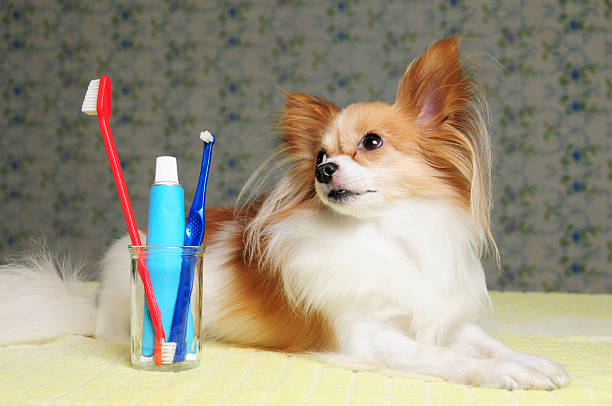
Dental health is often overlooked in companion animals, yet it profoundly influences overall well‑being, pain levels, nutrition, and even systemic disease. While periodontal disease dominates canine dental pathology, dental caries (commonly called “cavities”) also occur, albeit far less frequently than in humans. Understanding the etiology, clinical presentation, diagnosis, treatment, and prevention of caries in dogs empowers owners and veterinary professionals to safeguard oral health before irreversible damage sets in.
This guide provides an exhaustive, evidence‑based overview—spanning basic science, breed predispositions, age‑related trends, clinical management, and practical home‑care—targeted at veterinarians, veterinary students, and conscientious dog owners.
2. What Is Dental Caries?
Dental caries (or tooth decay) is a localized, progressive demineralization of tooth hard tissue (enamel, dentin, cementum) caused by acidic metabolic by‑products of bacterial biofilm (plaque). The process comprises three interrelated stages:
| Stage | Description |
|---|---|
| Initial Demineralization | Acidic pH (<5.5) dissolves hydroxyapatite crystals in enamel. Early lesions appear as “white spot” opacities. |
| Progressive Lesion | Continued acid exposure expands the lesion into dentin, where it spreads more rapidly due to lower mineral density. |
| Cavitation | Loss of structural integrity leads to a visible cavity, which may harbor bacteria, necrotic pulp, or secondary infection. |
In dogs, the anatomy of the tooth differs from humans: the enamel layer is thinner, the cementum (covering the root) is more extensive, and the overall oral environment favors a higher pH due to saliva composition. Consequently, the pathogenesis of caries is slightly altered, making spontaneous cavities uncommon but still possible under specific circumstances.
3. Causes of Cavities in Dogs
- Bacterial Plaque Composition
- Streptococcus mutans, Lactobacillus spp., and Actinomyces—well‑known human cariogenic bacteria—are occasionally isolated from canine plaque, especially in dogs fed high‑carbohydrate diets.
- Porphyromonas and Prevotella species dominate canine plaque but are less acidogenic. A shift toward more acid‑producing flora can predispose a dog to caries.
- Dietary Factors
- High‑sugar or high‑starch diets: Commercial kibble, table scraps (bread, biscuits, fruit juices) that linger on the teeth contribute fermentable sugars.
- Sticky/adhesive foods (e.g., dried meat treats, peanut butter) increase plaque retention.
- Frequent feeding maintains a low oral pH for longer periods.
- Oral Hygiene Deficits
- Lack of regular tooth brushing, dental chews, or professional cleanings allows plaque to mature and acidify the environment.
- Salivary Flow & Composition
- Xerostomia (reduced saliva) from systemic disease, medication (antihistamines, antidepressants), or radiation therapy reduces buffering capacity and clearance of sugars.
- Anatomical Vulnerabilities
- Deep fissures or grooves on premolars and molars trap food particles.
- Exposed root surfaces (due to periodontal recession or trauma) lack enamel protection, making cementum more susceptible to demineralization.
- Systemic or Metabolic Disorders
- Diabetes mellitus, Cushing’s disease, and hyperthyroidism can alter glucose levels in saliva and promote bacterial growth.
- Renal failure may cause dry mouth and increase plaque accumulation.
- Medications & Supplements
- Long‑term use of antibiotics can disrupt normal oral microbiota, sometimes allowing opportunistic acid‑producing bacteria to flourish.
- Vitamin D toxicity can cause paradoxical hyper‑calcification and enamel defects, predisposing to decay.
- Trauma
- Dental fractures or chip lesions expose dentin, creating a niche for bacterial colonization and rapid decay.
- Genetic Factors
- Certain breeds exhibit enamel hypoplasia or abnormal tooth morphology linked to inherited genes, subtly raising caries risk.
4. Signs & Symptoms
Cavities may be silent in early stages. As lesions advance, the following clinical clues emerge:
| Category | Clinical Feature | Typical Progression |
|---|---|---|
| Behavioral | Decreased interest in hard foods, chewing on toys, pawing at mouth, facial rubbing | Early to moderate |
| Oral Examination | White spot lesions, brown/black discoloration, visible holes on teeth (most often premolars/molars) | Moderate to advanced |
| Pain | Sensitivity to cold/heat, spontaneous gnawing, reluctance to open mouth (trismus) | Advanced when dentin/pulp involved |
| Inflammation | Gingival redness, swelling, pus discharge from the lesion, bad breath (halitosis) | Moderate to severe |
| Systemic | Fever, inappetence, weight loss, lethargy if infection spreads (e.g., odontogenic abscess) | Severe/complicated |
| Radiographic | Radiolucent areas at tooth crown or root; periapical radiolucency indicating pulp involvement | Advanced |
A thorough oral exam—including visual inspection, probing with a dental explorer, and possibly a dental radiograph (bitewing or full‑mouth) is essential for detecting early cavitations that are invisible to the naked eye.
5. Dog Breeds at Higher Risk
While dental caries remain relatively rare across the canine population, several breeds demonstrate a heightened predisposition due to a combination of genetic, anatomical, and behavioral traits. The following breeds merit extra vigilance:
5.1. Miniature Schnauzer
Miniature Schnauzers often present with enamel hypoplasia and a pronounced crowding of the premolars and molars. Their small oral cavity provides limited space for food clearance, facilitating plaque buildup. Additionally, this breed tends to have a “food‑motivated” personality, making them more likely to indulge in high‑carbohydrate treats.
5.2. Cavalier King Charles Spaniel
Cavaliers frequently exhibit dental crowding and malocclusion, especially an overbite, which creates deep interproximal spaces where food remains lodged. Their predisposition toward periodontal disease often co‑exists with a bacterial environment conducive to caries formation.
5.3. Pug
The brachycephalic skull of the Pug results in short, shallow jaws and a reduced occlusal surface for effective chewing. Their flattened facial structure predisposes them to dry mouth (especially after anesthesia or due to airway issues), decreasing salivary buffering.
5.4. Shih Tzu
Similar to Pugs, Shih Tzus possess a compact cranial shape leading to tight tooth spacing and shallow bite wells. Their tendency toward over‑grooming and licking may introduce sugars from grooming products or flavored medicated sprays, indirectly fueling caries.
5.5. Yorkshire Terrier
Yorkies have tiny, delicate teeth with relatively thin enamel layers. Their high energy and frequent desire for human table scraps—including sugary biscuits and pastries—place them at a particular risk if owners are not vigilant about oral hygiene.
5.6. German Shepherd
Although known primarily for orthopedic disorders, German Shepherds often have large, robust molars with deep fissures that may trap food. Their working‑dog status sometimes leads to high‑carbohydrate performance diets, which, if not balanced, could increase cariogenic potential.
5.7. Mixed‑Breed Dogs with Specific Features
Any mixed‑breed dog that inherits crowded dentition, shallow bite wells, or enamel development anomalies (common in cross‑breeds mixing brachycephalic and molosser lines) can be at elevated risk. In these cases, risk assessment must be individualized.
Bottom line: The presence of any of these anatomical or behavioral factors does not guarantee cavities, but it does heighten the need for proactive dental care, regular professional examinations, and targeted preventive strategies.
6. Age‑Related Susceptibility
| Age Group | Typical Dental Landscape | Caries Risk Profile |
|---|---|---|
| Puppies (≤6 months) | Primary (deciduous) teeth erupt, then shed. Enamel still developing; some congenital defects may be present. | Low to moderate – Early lesions may appear if diet is sugar‑rich, but the short lifespan of deciduous teeth limits clinical impact. |
| Young Adults (6 months‑3 years) | Permanent dentition fully erupted, teeth are robust, saliva production peaks. | Moderate – Lifestyle (diet, chew toys) and owner compliance with hygiene become decisive. |
| Adult Dogs (3‑7 years) | Teeth stable; cumulative plaque may have caused early periodontal disease. | Elevated – Persistent plaque, possible xerostomia from medication, and diet consistency increase chance for caries. |
| Senior Dogs (>7 years) | Dental wear, recession, root exposure, often accompanied by systemic disease (diabetes, CKD). | High – Exposed cementum, reduced immune response, and medications that lower salivary flow collectively raise caries prevalence. |
Key Insight: While cavities can develop at any age, the senior population carries the highest cumulative risk due to anatomical exposure and systemic factors. Early detection in puppies, however, creates an opportunity for lifelong preventive habits.
7. Diagnostic Approaches
7.1. Clinical Examination
- Visual Inspection: Use a bright light and dental mirror. Look for discoloration, cavitation, or plaque accumulation.
- Periodontal Probing: Gentle probing (0.25 N force) distinguishes between gingival recession and root exposure.
- Exploratory Exploration: A dental explorer can detect “catch” in fissures indicating a lesion.
7.2. Radiography
- Bite‑wing/Periapical Views: Detect early demineralization not visible clinically, assess extent of dentin involvement, and reveal periapical radiolucency indicating pulpitis or abscess.
- Full‑mouth Dental Radiographs: Provide a comprehensive map of all teeth, essential for treatment planning, especially in multi‑lesion cases.
7.3. Dental Scalers & Ultrasonic Devices
- Plaque Index Scoring: Quantifies plaque load; higher scores correlate with caries risk.
- Ultrasonic Imaging (Advanced): Emerging in veterinary dentistry for non‑invasive early detection of enamel demineralization.
7.4. Laboratory Tests
- Microbial Culture (rarely needed): May be performed when atypical bacterial infection is suspected.
- Blood Work: Full CBC and biochemistry to evaluate systemic disease that could aggravate oral health (e.g., diabetes, renal disease).
7‑5. Owner‑Reported History
Collect information on diet, treats, chewing behavior, any observed pain on eating, or changes in oral appearance. Owner insight can often flag early concerns.
Diagnostic Workflow Summary:
- History & Physical Exam → 2. Visual/Probe Assessment → 3. Radiographs (if indicated) → 4. Laboratory Workup (if systemic disease suspected) → 5. Treatment Plan Development.
8. Treatment Options
Treatment selection hinges on lesion severity, tooth location, pulp involvement, and overall health status. The primary goals are to eliminate infection, restore function, and minimize pain.
8.1. Conservative (Non‑Surgical) Management
| Indication | Procedure | Materials/Techniques |
|---|---|---|
| Early enamel demineralization (white spot) | Topical fluoride varnish or remineralization gels (e.g., calcium‑phosphate paste) | Apply with a micro‑brush; repeat every 2–4 weeks for 3–6 months |
| Small, shallow dentin lesions without pulp exposure | Resin infiltration (micro‑abrasion + low‑viscosity resin) | Minimally invasive, seals lesion, reduces bacterial penetration |
| Pain control | Analgesics (NSAIDs – carprofen, meloxicam) and local anesthetic blocks (infraorbital, maxillary nerve) | Adjust dosage for age/renal status |
Conservative care is effective primarily for lesions limited to enamel or superficial dentin.
8.2. Restorative Dentistry
- Direct Fillings
- Materials: Composite resin, glass ionomer cement (GIC).
- Technique: Isolation of the tooth, removal of carious tissue, acid etch (if composite), bonding, and light curing. GIC offers fluoride release, advantageous for high‑caries risk dogs.
- Inlays/Onlays
- For moderate lesions compromising cusp integrity, a custom‑fabricated inlay provides a durable restoration.
- Crowns (Full‑coverage)
- Indicated when a large portion of the crown is destroyed but the root is healthy. Materials include stainless steel, titanium, or zirconia. Requires extensive tooth preparation and may need a post‑core build‑up.
8.3. Endodontic Therapy (Root Canal Treatment)
- When required: Pulpal exposure, irreversible pulpitis, or periapical infection.
- Steps:
- Access cavity → 2. Removal of necrotic pulp tissue → 3. Canal debridement using rotary files → 4. Irrigation (NaOCl, EDTA) → 5. Obturate with biocompatible sealer + gutta‑percha → 6. Coronal seal with composite or GIC.
- Success Rate: 80‑90 % in dogs when performed by a board‑certified veterinary dentist.
8.4. Extraction
- Indications: Extensive destruction, vertical root fracture, or failure of restorative/endodontic treatment.
- Pre‑operative considerations:
- Full blood panel (coagulation profile),
- Adequate analgesia (opioids, NSAIDs),
- Antibiotic prophylaxis (if indicated).
- Post‑operative care: Soft diet for 7‑10 days, wound monitoring, and sutures removal (if placed).
8.5. Adjunctive Therapies
- Systemic Antibiotics: Amoxicillin‑clavulanate, clindamycin, or doxycycline for secondary infection; culture‑guided therapy preferred for chronic cases.
- Anti‑Inflammatories: Steroids (prednisone) rarely used; reserved for severe inflammation unresponsive to NSAIDs.
- Probiotic Oral Rinses: Emerging products containing Lactobacillus reuteri may help rebalance oral microbiota, although scientific data remain limited.
8.6. Follow‑Up & Re‑evaluation
- First re‑check: 7–14 days post‑procedure to assess pain control and wound healing.
- Long‑term: Radiographic re‑assessment at 3‑month intervals for endodontically treated teeth; annual dental exams for all dogs.
9. Prognosis, Complications & Long‑Term Outlook
| Scenario | Expected Prognosis | Possible Complications |
|---|---|---|
| Early enamel lesions (treated conservatively) | Excellent – lesion can be arrested, tooth remains functional. | Recurrence if hygiene lapses; need for repeat fluoride applications. |
| Restored dentin cavity (composite/GIC) | Good – functional lifespan of 2–5 years, often longer with GIC in low‑stress areas. | Restoration failure (fracture, secondary caries), marginal leakage. |
| Endodontically treated tooth | Favorable – 80‑90 % success, especially in premolars/molars with good coronal seal. | Root fracture, periapical abscess, reinfection. |
| Extraction | Curative – eliminates source of infection and pain. | Post‑operative infection, alveolar osteitis, socket contracture. |
| Advanced, untreated caries | Poor – progressive infection can lead to chronic pain, abscesses, septicemia, and even euthanasia in severe cases. | Osteomyelitis, mandibular fracture (due to weakened bone), systemic spread (e.g., endocarditis). |
Key Prognostic Factors:
- Age & systemic health (younger, healthy dogs heal faster).
- Location of lesion (molars have better blood supply, facilitating healing).
- Owner compliance with home care and follow‑up visits.
10. Prevention Strategies
Prevention is far more cost‑effective and humane than treating advanced disease. A multi‑layered approach is recommended:
10.1. Daily Tooth Brushing
- Tool: Soft‑bristled canine toothbrush or silicone finger brush.
- Paste: Veterinary‑approved fluoride toothpaste (e.g., 0.1 % sodium fluoride). Human toothpaste is toxic due to xylitol and other ingredients.
- Technique: 30–60 seconds per side, focusing on the chewing surfaces and gumline.
10.2. Dental Chews & Toys
- Mechanical Action: Chews that cause abrasion of plaque.
- Ingredients: Look for enzymatic, low‑sugar, high‑protein formulations.
- Frequency: 2–3 times/week, adjusting size to dog’s breed and chewing strength to avoid tooth fracture.
10.3. Regular Professional Dental Cleaning
- Frequency: At least annual for most dogs; semi‑annual for high‑risk breeds or those with existing disease.
- Procedure: General anesthesia, scaling, polishing, and radiographs.
10.4. Dietary Adjustments
- Low‑Carbohydrate, High‑Protein kibble or raw diet (balanced and approved by a board‑certified veterinary nutritionist).
- Avoid sugary treats, sticky foods, and human table scraps.
- Incorporate dental formulas that contain zinc, chlorhexidine, or probiotic additives proven to reduce plaque.
10.5. Water Additives
- Products containing chlorhexidine, xylitol‑free anti‑plaque agents can be added to water (use per manufacturer’s dosing).
10.6. Routine Health Monitoring
- Blood work for systemic diseases (diabetes, Cushing’s) that affect saliva and immunity.
- Medication review: Identify drugs causing xerostomia; consider alternatives or supportive care (e.g., artificial saliva).
10.7. Owner Education
- Demonstrate brushing technique during the first veterinary visit.
- Provide handouts/web links on canine dental health (e.g., VIN – Veterinary Information Network).
A 5‑point Prevention Checklist for Owners
- Brush daily (or at least 5 × /week).
- Give a dental chew 2–3 × /week.
- Schedule professional cleaning yearly.
- Feed a low‑sugar diet; limit treats to <10 % of daily calories.
- Monitor for signs (bad breath, changed eating habits) and report promptly.
11. Diet & Nutrition Recommendations
11.1. Macronutrient Profile
| Nutrient | Ideal Range for Dental Health | Rationale |
|---|---|---|
| Protein | 30‑45 % of metabolizable energy | Promotes strong enamel and supports saliva production. |
| Fat | 15‑25 % | Provides essential fatty acids for gum integrity and reduces carbohydrate load. |
| Carbohydrate | <15 % (preferably complex, low‑glycemic) | Minimizes fermentable sugars that fuel acid‑producing bacteria. |
| Fiber | 4‑8 % | Encourages mechanical cleaning via chewing; supports digestive health. |
11.2. Key Ingredients with Dental Benefits
- Xylitol‑Free, Low‑Sugar Sweeteners: Stevia or erythritol—avoid any xylitol‑containing products (toxic to dogs).
- Calcium & Phosphorus: Balanced calcium‑phosphate ratio (1.2:1) encourages remineralization.
- Vitamin D & K2: Facilitate calcium metabolism; supplementation only under veterinary guidance.
- Zinc & Copper: Antimicrobial properties and contribution to enamel formation.
- Chlorhexidine or Listerine‑type Additives: Proven plaque‑reducing agents.
11.3. Feeding Practices
- Dry Kibble: Preferred over wet food for its abrasive effect, but ensure kibble size matches the dog’s jaw size.
- Raw or Home‑Cooked Diets: Must be balanced (AAFCO‑approved) and free of processed sugars. Raw bones (e.g., beef knuckles) can aid mechanical cleaning but pose a fracture risk; supervise closely.
- Meal Frequency: Two meals per day allows saliva to neutralize acids between feedings; avoid constant grazing.
11.4. Supplements & Functional Chews
- Dental Chews with Enzymes (e.g., glucosyltransferase inhibitors): May reduce bacterial adhesion.
- Probiotic Powders (Lactobacillus reuteri, Bifidobacterium animalis): May shift oral flora toward less cariogenic species.
- Omega‑3 Fatty Acids (EPA/DHA): Anti‑inflammatory benefits for gingival health.
Caution: Any new diet or supplement should be introduced gradually over 7‑10 days to avoid gastrointestinal upset and must be approved by the individual’s veterinarian.
12. Zoonotic Considerations
Dental caries themselves are non‑zoonotic; the bacteria responsible are predominantly host‑specific. However, certain aspects of canine oral disease have indirect zoonotic relevance:
- Shared Pathogens: Streptococcus spp. and Staphylococcus aureus isolated from dog oral cavities can occasionally cause opportunistic infections in immunocompromised humans (e.g., skin wound infection after a bite).
- Antibiotic Resistance: Overuse of broad‑spectrum antibiotics for canine dental infections may contribute to the reservoir of resistant organisms, which could be transferred to humans via close contact.
- Hygiene Practices: Owners should wash hands after handling dental treats, chews, or performing home oral care. Use disposable gloves when cleaning after extractions or performing at‑home scaling.
- Parasites: While not directly linked to caries, oral parasites (e.g., Trichinella larvae) can be transmitted through consumption of raw chews, posing a risk to humans.
Bottom line: Proper infection control, responsible antibiotic stewardship, and hand hygiene virtually eliminate any zoonotic hazard related to canine dental caries.
13. Key Take‑Home Messages
- Cavities in dogs are rare but possible, especially in breeds with crowded or shallow dentition, senior dogs, and those consuming high‑sugar diets.
- Early detection relies on routine visual exams, probing, and dental radiographs; owners should watch for bad breath, chewing changes, or visible lesions.
- Treatment ranges from topical fluoride and resin infiltrations for early lesions to root canal therapy, crowns, or extraction for advanced disease.
- Prognosis is excellent when diagnosed and managed early; delayed care can lead to painful infections and systemic disease.
- Prevention is paramount: daily brushing, regular professional cleanings, dental‑specific diets, and limiting sugary treats dramatically reduce caries risk.
- Nutrition matters: low‑carbohydrate, high‑protein diets fortified with calcium, zinc, and dental‑active ingredients support enamel health.
- Zoonotic risk is negligible, but standard hygiene and judicious antibiotic use protect both pets and owners.
By integrating these evidence‑based practices into everyday canine care, owners can greatly diminish the likelihood of dental caries, preserve their dog’s quality of life, and avoid costly, invasive procedures.
#DogDentalHealth, #CanineCavities, #PetOralCare, #VetDentistry, #HealthySmilesForDogs, #DogBreedsAndDentalRisk, #DentalTipsForPets, #PreventDogCavities, #DogNutrition, #DentalChewsForDogs, #VeterinaryDentistry, #DogDentalCheckup, #SeniorDogDentalCare, #PuppyDentalCare, #DogDentalTreatment, #DogDentalPrognosis, #ZoonoticAwareness, #DogWellness, #PetHealthEducation, #DentalRadiographs, #DogDentalPrevention, #CanineDentalResearch, #DogDentalCleaning, #DentalFluorideForDogs, #DogDentalTherapy, #DogDentalClinic







Add comment