
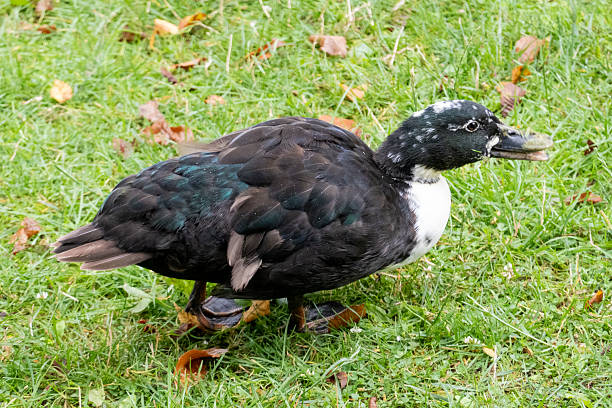
The Cayuga duck is a distinctive and versatile breed that has captured the attention of poultry enthusiasts and small-scale farmers alike. Originating from the Cayuga Lake region in New York, this breed is celebrated for its unique features, including its striking black plumage with iridescent green sheen and the iconic white ring near the base of its tail. Known for their adaptability, Cayuga ducks thrive in various environments, making them a popular choice for mixed farming systems and backyard flocks. Their calm and friendly disposition further enhances their appeal, especially for those interested in raising poultry for both meat and egg production.
In the world of poultry and farming, Cayuga ducks hold significant importance due to their dual-purpose utility. They are not only valued for their high-quality eggs but also for their lean meat, which is favored in sustainable and organic farming practices. Their robust nature and ability to forage contribute to a more sustainable agricultural approach, blending productivity with environmental consciousness. Additionally, their unique appearance adds a touch of elegance to any flock, attracting both hobbyists and serious breeders.
As we delve deeper into the characteristics and history of Cayuga ducks, their significance in the farming community becomes even more apparent. They exemplify the potential for small-scale operations to thrive by fostering relationships with the earth and its resources, while also nurturing a passion for poultry. This introduction sets the stage for a comprehensive exploration of the Cayuga duck, highlighting their importance not just as a breed, but as a symbol of resilience and versatility in the world of agriculture. 🌾
Other Names and Synonyms for Cayuga Ducks
Cayuga ducks are recognized by various names and synonyms depending on regional variations and breed classifications. In some areas, they are simply referred to as “Cayugas,” while in historical and agricultural contexts, they may be called “English Cayugas” to differentiate them from other domestic duck breeds. The term “Eastern Cayuga” and “Western Cayuga” has also emerged in certain farming communities to describe localized strains that have developed distinct traits over time due to breeding practices and environmental influences.
The use of multiple names and synonyms for Cayuga ducks can present both benefits and challenges for breeders and agricultural professionals. On one hand, these variations reflect the breed’s long-standing presence in different regions, contributing to a rich history of selective breeding and adaptation. Local names often help track lineage and geographic influences, which can be valuable in preserving genetic diversity and maintaining breed integrity. Additionally, familiarizing oneself with these alternate names can aid in identifying authentic Cayuga ducks when sourcing birds for breeding or conservation efforts.
However, the existence of various names can also lead to confusion, especially for new farmers or hobbyists who may encounter discrepancies in labeling or classification. For example, some individuals might mistakenly refer to other similar black duck breeds as Cayugas, leading to misidentification. Therefore, understanding the correct terminology and being aware of regional variations is essential for those seeking to work with Cayuga ducks, ensuring accurate breed recognition and proper care practices tailored to their specific lineage.
Primary Purpose and Economic Value of Cayuga Ducks
Cayuga ducks are predominantly classified as a dual-purpose breed, meaning they are raised for both meat and egg production. In commercial and small-scale agricultural systems, they are valued for their consistent egg-laying capacity and the quality of their meat, making them an attractive option for farmers seeking a balanced and sustainable poultry resource. Their ability to produce high-quality eggs while also providing lean, flavorful meat contributes to their economic viability in mixed farming operations and backyard flocks.
In terms of egg production, Cayugas are known for laying a substantial number of eggs per cycle, typically providing 150 to 180 large, dark brown eggs annually. Their eggs are favored for their size and rich flavor, making them suitable for both home consumption and small-scale commercial egg production. The hens typically begin laying at around five to six months of age, and with proper care, they maintain a consistent laying cycle throughout their lifespan. This reliability, combined with their hardy nature, makes them a preferred choice for farmers aiming to establish a long-term egg supply without relying heavily on specialized feed or intensive management practices.
Beyond their egg-laying capabilities, Cayuga ducks are also prized for their meat, which is well-marbled and has a rich, gamey flavor. Their moderate size allows for efficient meat production without the need for excessive feed inputs, making them more resource-friendly compared to specialized meat breeds. The combination of their dual-purpose utility, resilience, and relatively low maintenance requirements ensures that Cayuga ducks remain a valuable asset in both traditional and modern poultry farming systems.
Physical Characteristics and Identifiable Features of Cayuga Ducks
The Cayuga duck is renowned for its striking appearance, which includes a distinctive black plumage that can develop an iridescent green sheen in certain lighting conditions. This unique coloration not only makes them visually appealing but also aids in their identification within a flock. Their plumage is generally solid black, with the exception of the white ring located at the base of the tail, which is more pronounced in hens than in males. This feature serves as a key identifier for breeders and enthusiasts alike, ensuring that they can easily distinguish Cayuga ducks from other black duck breeds.
In addition to their coloration, Cayuga ducks possess a robust build, with a well-rounded body that contributes to their overall health and vitality. They typically weigh between 5 to 8 pounds, with males being slightly heavier than females. Their broad, flat bill is an effective tool for foraging, allowing them to sift through mud and water in search of food. This feature, combined with their strong legs and webbed feet, enables them to navigate various terrains with ease, including muddy banks and shallow water.
Another notable feature is their long neck, which gives them a graceful appearance as they move about. The Cayuga duck’s eyes are typically a vibrant green hue, adding to their charm and making them easily recognizable. Overall, the combination of these unique physical characteristics not only enhances their visual appeal but also plays a crucial role in their functionality and adaptability in different environments. With their striking plumage and distinct physical traits, Cayuga ducks stand out as a remarkable breed in both agricultural and ornamental settings. 🦆
Weight, Growth Curve, and Development of Cayuga Ducks
Cayuga ducks exhibit a distinctive growth curve that reflects their dual-purpose nature and adaptability. On average, mature male Cayugas typically weigh between 7 to 8 pounds, while females usually range from 5 to 6.5 pounds. This weight classification places them in the medium-sized category among duck breeds, making them suitable for both meat production and egg laying. Their relatively compact size is advantageous for small-scale farming operations, as it contributes to manageable handling and housing requirements.
The growth curve for Cayuga ducks is generally rapid, with hens reaching sexual maturity at around 5 to 6 months old. This is crucial for their role in egg production, as early maturity allows for a quicker return on investment for farmers. During the first 12 weeks of life, Cayugas experience significant growth, gaining approximately 1.5 to 2 pounds per month. This rapid development is essential for their productivity, as it ensures a steady supply of meat and eggs for market or personal use.
When compared to other duck breeds, the growth curve of Cayuga ducks aligns with that of heritage breeds, which are known for their slower maturation but superior flavor and resilience. In contrast to commercial breeds that may reach higher weights more quickly, Cayugas prioritize health and longevity, resulting in meat that is more flavorful and nutrient-dense. This aspect is particularly appealing for those seeking to cultivate a sustainable and environmentally friendly farming practice. The balance between growth rate and quality makes Cayuga ducks an excellent choice for farms aiming to produce both high-quality meat and eggs, while also supporting biodiversity in poultry farming. 🌱
Climatic Tolerances of Cayuga Ducks
Cayuga ducks are remarkably adaptable to a range of climatic conditions, making them a versatile choice for breeders in various regions. These resilient birds can thrive in both temperate and subtropical environments, withstanding temperature fluctuations that can often pose challenges to other poultry species. For instance, Cayugas have been observed to handle cold temperatures as low as -20°F (-29°C), thanks to their dense plumage that insulates them against the cold. Conversely, they can also endure heatwaves reaching up to 100°F (38°C), as their metabolic adaptations help in regulating body temperature through efficient thermoregulation.
In regions with high humidity, Cayuga ducks exhibit a strong ability to combat heat stress, a common concern for poultry in such climates. Their natural inclination to forage and engage in water activities allows them to remain cool and comfortable, even in sweltering conditions. However, breeders should provide adequate shade and access to water sources to enhance their thermal comfort during hot periods.
Regarding low humidity environments, Cayugas can adapt well, provided they have a consistent water supply for drinking and bathing. Their ability to seek out water for cooling is a critical factor in their survival in drier climates. This adaptability is essential for their integration into sustainable farming practices, as it allows for their maintenance in diverse ecological settings without compromising productivity. Overall, the climatic versatility of Cayuga ducks makes them an excellent candidate for mixed farming systems, where environmental conditions can vary significantly. By understanding their tolerance to both heat and cold, breeders can better manage their flocks, ensuring optimal health and productivity regardless of the external climate. 🌞
Reproduction and Egg Production in Cayuga Ducks
The reproductive habits of Cayuga ducks are characterized by a combination of natural instincts and structured behaviors that ensure successful mating and consistent egg production. During the breeding season, which typically spans from late winter to early spring, males exhibit courtship behaviors to attract females. These behaviors include head bobbing, wing flapping, and distinctive vocalizations that are crucial for establishing pair bonds. Understanding these mating behaviors is essential for breeders aiming to optimize breeding success, as it allows for observations of mating readiness and the selection of healthy, vigorous pairs.
Once mated, female Cayugas are known for their excellent broodiness, which means they will diligently sit on their nests and incubate the eggs to ensure hatching. This trait is advantageous for small-scale farmers who may not have access to artificial incubators. The average number of eggs laid by a female Cayuga is around 150 to 180 per year, with peak production occurring during the spring and summer months. Regular egg-laying patterns mean that farmers can expect a steady supply of eggs throughout the breeding season, contributing to the overall productivity of their flock.
Several factors influence the reproductive success of Cayuga ducks, including diet, living conditions, and exposure to light. A well-balanced diet rich in protein and calcium is essential for both egg production and the health of the birds. Additionally, providing a clean, safe environment with proper nesting areas can significantly enhance breeding outcomes. Access to natural light and a consistent day length also plays a critical role in regulating the ducks’ reproductive cycles, as it mimics the natural light patterns that influence their breeding instincts.
By understanding the reproductive habits and egg production patterns of Cayuga ducks, farmers can create an optimal environment that encourages healthy breeding and maximizes productivity. This knowledge is especially beneficial for those aiming to maintain a sustainable egg supply while nurturing the unique characteristics of the Cayuga breed. 🐣
Flying Ability and Flight Capabilities of Cayuga Ducks
Cayuga ducks possess a moderate flight capability, which is directly influenced by their size, weight, and level of domestication. While not as agile in the air as their wild counterparts, such as mallards, Cayugas can still fly for short distances, especially when motivated by movement or the need to escape a perceived threat. Their ability to take flight is generally limited to low-altitude flights of up to 10 to 15 feet, and they are not typically prone to sustained or long-range flight. This limited flying ability is a characteristic shared among many domesticated duck breeds, particularly those bred for meat or egg production rather than flight endurance.
The influence of domestication on Cayuga ducks’ flight behavior is significant. Over generations of selective breeding, their body structure has been optimized for traits such as egg production and meat yield, at the expense of flight development. As a result, their wing musculature and body weight are less suited for extended flight compared to wild ducks. Additionally, their heavy build and broad wings can make maneuvering in flight more challenging, reducing their overall agility in the air. These factors make Cayugas well-suited for confined farming environments where flight is not a necessity, but they also mean that, in certain situations, they may require additional management to prevent escape or ensure proper containment.
For farmers managing a Cayuga flock, it is important to consider their limited but present flying ability when designing housing and fencing. While a high fence is generally not required, it is advisable to ensure secure enclosures with minimal access to open spaces where they can launch into flight. Providing a safe and enclosed environment not only prevents accidental escapes but also enhances the overall welfare and productivity of the flock by minimizing stress and unnecessary movement.
Breed History and Origin of Cayuga Ducks
The history of the Cayuga duck is deeply rooted in North America, specifically in the Cayuga Lake region of New York, from which the breed derives its name. While their exact origins remain somewhat unclear, it is widely believed that Cayugas were first discovered in the mid-19th century when a group of ducks with distinctive black plumage and an iridescent sheen were found in the wild. Unlike many other domesticated duck breeds that originated from wild mallards, Cayugas are thought to be a result of natural breeding among wild ducks in the area. Some historical accounts suggest that these ducks were originally bred by indigenous peoples before being selectively developed by European settlers seeking to improve their characteristics for poultry farming.
The first recorded efforts to recognize and develop the Cayuga duck as a distinct breed began in the late 1800s. Breeders in the Cayuga Lake region, particularly in New York, played a crucial role in refining the breed and standardizing its unique traits. These early breeders selectively bred the ducks for improved plumage, size, and egg-laying capabilities, laying the foundation for the Cayuga duck as we know it today. By the early 1900s, the breed had gained enough recognition to be included in the American Poultry Association’s publications, marking an important step in its official classification and preservation.
Throughout the 20th century, the Cayuga duck became a symbol of heritage poultry farming in the United States. Their popularity as a dual-purpose breed—offering both meat and eggs—made them a valuable addition to small farms and homesteads. Despite facing periods of decline due to the rise of more commercial duck breeds, conservation efforts have helped maintain the Cayuga duck’s presence in modern agriculture. Today, they are still cherished for their hardiness, adaptability, and historical significance, serving as a living testament to the early days of poultry development and the enduring appeal of heritage breeds.
Life Expectancy and Factors Affecting Longevity of Cayuga Ducks
The average lifespan of Cayuga ducks typically ranges from 6 to 8 years when raised in a suitable environment with proper care, diet, and housing. However, various factors can influence their longevity, including health conditions, management practices, and genetic traits. One of the most significant elements affecting their life expectancy is the quality of care they receive. Ducks that are provided with a balanced diet, clean water, and a stress-free environment tend to live longer and remain in better health throughout their lives. Proper nutrition, especially the inclusion of essential vitamins and minerals, plays a critical role in maintaining their immune function and overall vitality.
Genetic factors also play a key role in determining the longevity of Cayuga ducks. Strong, well-bred stock with a history of longevity tends to produce offspring with better resilience and disease resistance. Selective breeding for traits that promote health, such as strong bone structure and resistance to common ailments, can contribute to an extended lifespan. Additionally, inbreeding or genetic defects can lead to reduced lifespan and increased susceptibility to illness, making responsible breeding practices essential for maintaining a healthy flock.
Environmental conditions and housing are equally important in influencing Cayuga ducks’ longevity. Ducks that are raised in clean, well-ventilated coops with protection from predators and extreme weather tend to experience fewer health complications. Regular veterinary care, including deworming and vaccinations, further enhances their chances of living a longer, healthier life. By addressing these influencing factors, breeders and farmers can optimize the life expectancy of Cayuga ducks, ensuring a productive and sustainable population.
Common Health Issues and Prevention Strategies for Cayuga Ducks
Cayuga ducks, like all poultry, are susceptible to a range of diseases and health concerns that can affect their productivity and longevity. One of the most common ailments affecting ducks is duck viral enteritis (DVE), also known as duck plague. This highly contagious viral disease can cause severe symptoms such as diarrhea, lethargy, and sudden death in infected flocks. Prevention strategies include stringent biosecurity measures, such as limiting exposure to wild ducks and maintaining an isolation period for new birds before integrating them into the existing flock. Vaccination is also a crucial component of controlling DVE, particularly in commercial settings where the risk of disease spread is higher.
Another prevalent condition among Cayuga ducks is coccidiosis, a parasitic infection that targets the intestinal tract and can lead to weight loss, decreased egg production, and in severe cases, death. This disease thrives in damp, unsanitary conditions, making proper coop maintenance and dry bedding essential for prevention. Regular cleaning of the duck’s living environment and the use of medicated feed or coccidiostats can help manage the risk of infection. Additionally, providing access to clean, dry areas for roosting and ensuring proper drainage in the enclosure further reduces the likelihood of coccidiosis outbreaks.
Egg yolk peritonitis is a significant health issue that affects laying hens, including Cayuga ducks. This condition occurs when egg yolks leak into the abdominal cavity, leading to inflammation and potentially fatal complications. While some cases are congenital, they can also result from poor nutrition or improper laying conditions. Maintaining a balanced diet with sufficient calcium and phosphorus, along with providing suitable nesting areas, helps minimize the risk of this condition. Regularly monitoring egg-laying patterns and promptly removing any birds showing signs of discomfort can aid in early detection and treatment.
By implementing preventive measures such as vaccinations, biosecurity protocols, proper nutrition, and maintaining a clean, stress-free environment, breeders can significantly reduce the occurrence of these and other common health issues in Cayuga ducks, ensuring a healthier and more productive flock.
Advanced Breeding and Genetics: Tips for the Cayuga Duck Keeper
For advanced Cayuga duck keepers, understanding the principles of breeding and genetics is essential for improving productivity, health, and conformation within a flock. Selecting breeding stock based on desirable traits is one of the most effective ways to enhance the overall quality of the ducks. When choosing breeding pairs, consider factors such as plumage color uniformity, body structure, egg-laying capacity, and temperament. Strong, healthy hens that consistently produce high-quality eggs, as well as males with robust stamina and good fertility, should be prioritized. Maintaining detailed records of each bird’s lineage, productivity, and health history can help make informed breeding decisions and track genetic improvements over time.
Genetic diversity is a crucial consideration in Cayuga breeding programs. Inbreeding, or the mating of closely related birds, can lead to a decline in fertility, increased susceptibility to disease, and reduced vigor in offspring. To avoid this, it is advisable to maintain a broad genetic base by introducing unrelated ducks into the breeding pool periodically. This can be achieved through carefully planned linebreeding or outcrossing strategies that strategically introduce new genetics while preserving the overall characteristics of the breed. When outcrossing, it is important to source ducks from reputable breeders to ensure that the new animals possess the desired traits and do not introduce harmful genetic issues.
To optimize breeding success, advanced keepers should also consider the concept of hybrid vigor. Breeding birds from different but complementary bloodlines can result in offspring with enhanced vitality, disease resistance, and productivity. This method is particularly useful when aiming to improve egg production or meat quality without compromising the breed’s defining characteristics. Additionally, understanding the genetic basis of certain traits allows breeders to selectively enhance or minimize them. For example, if a particular line exhibits a tendency for lower egg production, careful selection can help correct this over successive generations. By applying these genetic and selective breeding strategies, advanced keepers can work toward developing a healthier, more productive, and visually consistent Cayuga duck flock.
Nutritional Requirements and Dietary Management for Cayuga Ducks
Proper nutrition is essential for maintaining the health, productivity, and vitality of Cayuga ducks. A well-balanced diet should consist of a combination of high-quality commercial feed, fresh greens, foraging opportunities, and supplementary nutrients to meet their specific nutritional needs at different life stages. For adult ducks engaged in regular egg production, a feed with a protein content of 16 to 18% is typically recommended. This ensures they receive sufficient energy and essential amino acids to support strong egg-laying cycles and overall metabolism. For young ducklings and growing ducks, a higher protein feed (around 20% protein) should be provided for the first six to eight weeks to support healthy development.
In addition to commercial feed, providing an abundant supply of fresh greens, such as grass, leafy vegetables, and kitchen scraps, contributes to a more natural diet and helps supply essential vitamins and fiber. Cayuga ducks are natural foragers and benefit greatly from free-range access, which allows them to search for insects, plants, and small invertebrates that enhance their nutritional intake and provide mental stimulation. Supplementing their diet with crushed oyster shells or limestone grit is also crucial for laying hens, as it ensures an adequate calcium supply for strong eggshells. Vitamin D can be further supported by encouraging regular exposure to sunlight, which aids in the absorption of calcium and prevents deficiency-related issues such as egg-binding or weak bones.
Water management is another critical aspect of dietary care, as ducks require a constant supply of clean, fresh water for drinking and bathing. Dehydration can quickly impact their overall health and productivity, so access to water should be readily available at all times. By maintaining a balanced and diverse diet tailored to their needs, Cayuga duck keepers can ensure optimal health, consistent egg production, and long-term sustainability for their flock.
Housing Requirements and Environmental Design for Cayuga Ducks
Creating a suitable living environment for Cayuga ducks is essential for ensuring their health, comfort, and productivity. A well-designed housing system should include a secure, weather-resistant coop that protects the ducks from extreme temperatures, predators, and moisture. The coop should be spacious enough to allow for movement and nesting while also providing enough space for water access and feeding areas. Since Cayuga ducks are sociable and active birds, it is important to avoid overcrowding, which can lead to stress, poor health, and aggression among the flock. A general guideline is to provide at least 2 to 3 square feet per duck inside the coop and 8 to 10 square feet per bird in an outdoor run or pasture area.
Ventilation is a crucial factor in maintaining a healthy coop environment. Proper airflow prevents the buildup of ammonia from droppings, reduces humidity, and helps regulate temperature, especially during hot weather. The coop should be equipped with well-placed vents or windows that allow for cross-ventilation without exposing the ducks to drafts. Additionally, the use of absorbent bedding materials, such as straw, wood shavings, or sand, helps keep the floor dry and manageable. These materials should be regularly cleaned and replaced to prevent droppings from becoming damp and fostering bacterial growth.
Adequate nesting areas are also necessary, particularly for females engaged in regular egg production. Nests should be lined with straw or soft bedding and placed in a quiet, secluded area away from high-traffic zones. Providing access to clean water at all times is another fundamental requirement, as ducks need to drink regularly and have a dedicated area for bathing to maintain feather condition and hygiene. By carefully considering these factors and tailoring the housing environment to the needs of Cayuga ducks, farmers can ensure a thriving and productive flock.
Behavioral Traits and Enrichment Strategies for Cayuga Ducks
Cayuga ducks are known for their sociable and inquisitive nature, which makes them delightful companions in a flock setting. As social animals, they thrive in groups, forming strong bonds with their flock mates. Establishing a pecking order is a natural part of their social behavior, and while milder than in chickens, Cayugas will still demonstrate hierarchy through gentle pecking and body language. This behavior is generally not aggressive and can even be amusing to observe, but it is essential to monitor for any signs of excessive aggression, particularly during the integration of new ducks into the flock. Providing an ample space for the flock to roam and interact can help mitigate stress and encourage positive social dynamics.
Enrichment is vital for promoting mental stimulation and physical activity in Cayuga ducks. As natural foragers, they enjoy exploring their surroundings and can benefit from the introduction of various foraging materials such as leafy greens, grains, and insects. Incorporating foraging boxes or scattering feed on the ground can encourage them to engage in their instinctual behaviors, which not only entertains them but also aids in digestion and prevents boredom. Additionally, the inclusion of water features such as shallow ponds or birdbaths can provide a means for them to bathe and interact with their environment, enhancing their overall well-being.
Toys and objects that can be rearranged or manipulated, like floating toys or shiny objects that catch the light, can also serve as mental stimuli. Regular interaction with their human caretakers can further strengthen the bond between ducks and their keepers, promoting trust and socialization. By understanding and catering to their behavioral traits, farmers can create a flourishing environment that supports the social and psychological needs of Cayuga ducks, ultimately contributing to a healthier, more content flock. 🌈
Economic Considerations for Raising Cayuga Ducks
Raising Cayuga ducks presents a unique set of economic considerations that can greatly influence the profitability of farms and small-scale enterprises. One of the primary factors to evaluate is the initial investment required to establish a Cayuga duck flock, which includes the cost of purchasing ducks, building or improving housing structures, and supplying the necessary feed and equipment. While the upfront costs may seem daunting, the long-term benefits of Cayugas, such as their resilience and dual-purpose utility, can offset these expenses over time.
The production costs associated with raising Cayuga ducks are relatively low compared to other poultry breeds, largely due to their foraging abilities and adaptability to various environments. This means that farmers can reduce expenses on commercial feed by encouraging natural foraging behaviors, which can significantly enhance profitability. Additionally, Cayugas are known for their high egg production, which can be a consistent revenue source for those selling eggs. The marketability of both their eggs and meat should not be underestimated, as there is a growing demand for organic and sustainably raised products among consumers who prioritize animal welfare and environmental sustainability.
Profitability for Cayuga duck farming is also influenced by the ability to diversify income streams. Selling ducks for meat, offering egg-laying services, or even hosting educational workshops can create multiple revenue opportunities. Furthermore, by focusing on niche markets and appealing to eco-conscious consumers, farmers can command higher prices for their products, thereby enhancing their overall profitability. When all these factors are taken into account, the economic viability of Cayuga ducks can be a compelling option for small-scale farming operations seeking to build a sustainable and profitable poultry enterprise. 🐥
Environmental Impact of Cayuga Duck Farming
Cayuga duck farming can be a sustainable and ecologically beneficial practice when managed responsibly. Like all poultry, their feeding habits and waste production contribute to environmental aspects that require careful consideration. One of the key benefits of Cayuga ducks is their foraging ability, which allows them to consume a significant amount of vegetation, insects, and aquatic invertebrates. This natural foraging behavior can help reduce pest populations in agricultural settings, acting as a form of biological control. In pasture-based or mixed farming systems, Cayugas can be integrated into land rotation practices, where they help clear unwanted plants and contribute to soil health by aerating the soil and promoting organic matter decomposition.
However, the environmental impact of their waste production must be carefully managed to prevent nutrient runoff and water contamination. Duck manure is rich in nitrogen and phosphorus, which, when improperly handled, can lead to water pollution if it accumulates in bodies of water. To mitigate this, responsible farmers should implement best practices such as composting duck waste and using it as a valuable organic fertilizer. Composting not only reduces the risk of over-fertilization but also enhances soil structure and nutrient content. Additionally, rotational grazing techniques can be employed to prevent over-concentration of manure in any one area, allowing the land time to recover and maintain ecological balance.
Water usage is another important environmental consideration, as Cayuga ducks require a constant supply of clean water for drinking and bathing. Efficient water management, such as using filtered water sources and ensuring proper drainage, helps reduce water waste and prevents the depletion of natural aquifers. By adopting sustainable practices and monitoring the environmental footprint of their operations, farmers can ensure that Cayuga duck farming remains an environmentally responsible and beneficial component of agricultural ecosystems.
Summary of Cayuga Ducks: A Versatile and Hardworking Breed
Cayuga ducks are a valuable and adaptable breed that thrives in a variety of farming and backyard settings, making them an excellent choice for small-scale farmers, homesteaders, and poultry enthusiasts. Their dual-purpose utility—providing both high-quality meat and eggs—ensures a steady return on investment for those seeking a sustainable and productive poultry operation. Their ability to lay consistently over the breeding season, combined with their hardy nature and resilience to various climatic conditions, enhances their appeal as a reliable farm animal. Proper care, including balanced nutrition, clean water, and appropriate housing, is essential for maintaining their health and maximizing productivity.
One of the most notable advantages of Cayuga ducks is their adaptability to different environments, allowing them to be raised in both free-range and confined systems. Their foraging instincts reduce the need for excessive feed inputs, making them a cost-effective option for farmers looking to minimize expenses while maintaining a productive flock. Additionally, their quiet and gentle temperament makes them ideal for small family farms and suburban homesteads, where noise and aggression are undesirable. With proper management, Cayuga ducks can be kept in a variety of settings, from pasture-based farms to pond-side enclosures, offering flexibility for different farming approaches.
For breeders and conservationists, Cayuga ducks play an important role in preserving genetic diversity and supporting heritage poultry breeds. Their historical significance and unique characteristics contribute to ongoing efforts to maintain biodiversity in domestic poultry. By understanding their breeding traits, health needs, and environmental adaptability, farmers can ensure the continued success of Cayuga ducks in both traditional and modern agricultural systems. Whether raised for their meat, eggs, or simply as charming and resilient flock members, Cayuga ducks remain an excellent choice for those seeking a reliable, versatile, and sustainable poultry breed.
Frequently Asked Questions (FAQs) about Cayuga Ducks
1. What is the difference between Cayuga and other duck breeds?
Cayuga ducks are distinct from other breeds due to their unique black plumage with a green iridescence and a white ring at the base of the tail. Unlike many commercial duck breeds, Cayugas are a dual-purpose breed, valued for both their meat and egg production. Additionally, they are more docile and well-suited for small-scale and backyard farming.
2. How long do Cayuga ducks typically live?
With proper care, Cayuga ducks can live for 6 to 8 years. Their lifespan is influenced by factors such as diet, housing conditions, and exposure to disease. Maintaining good health practices, including regular veterinary checkups and a balanced diet, can contribute to a longer lifespan.
3. Are Cayuga ducks good layers of eggs?
Yes, Cayuga ducks are known for their consistent egg-laying abilities, typically producing 150 to 180 large, brown eggs per year. They begin laying at around 5 to 6 months of age and continue laying consistently throughout the year, making them an excellent choice for those seeking a steady supply of eggs.
4. Do Cayuga ducks require a lot of water?
Cayuga ducks, like all waterfowl
Add comment