
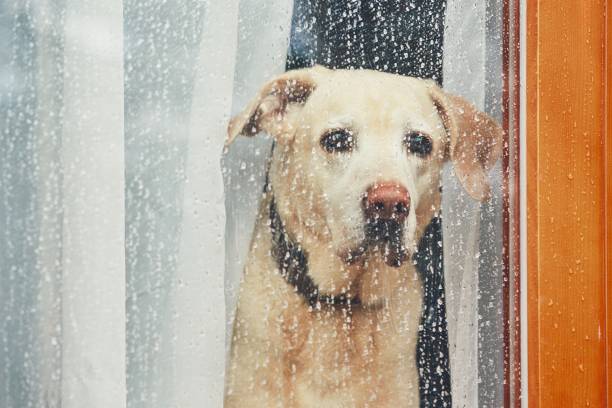
Introduction: Finding Joy in the Journey
Caring for a senior dog with an illness or chronic condition is both a deeply rewarding and emotionally challenging experience. While watching a beloved companion struggle with health issues can be heartbreaking, it’s essential to focus on the moments that matter. This guide explores how to nurture joy, celebrate small victories, and create meaningful connections with your active, ill dog—whether they’re a sprightly pup with a recent diagnosis, a senior dog coping with arthritis, or a cherished friend nearing the end of a long life.
By redefining “success” as progress rather than perfection, you can transform daily routines into opportunities for connection, comfort, and gratitude. Let’s delve into practical strategies, heartfelt advice, and actionable steps to honor your dog’s journey while cherishing every moment together.
1. Understanding Your Dog’s Condition and Needs
1.1. Collaborate with Your Veterinarian
- Regular check-ups, diagnostic tests, and a tailored treatment plan are essential. Ask your vet for clear communication about your dog’s prognosis, expected challenges, and how to manage symptoms.
- Example: If your dog has arthritis, request pain management options, non-steroidal anti-inflammatory drugs (NSAIDs), or joint supplements like glucosamine.
1.2. Observe and Document Changes
- Keep a journal to track your dog’s behavior, appetite, energy levels, and comfort. Note what triggers pain or stress (e.g., cold weather, certain medications).
- Example: A decrease in sleep or reluctance to climb stairs may indicate worsening discomfort.
1.3. Adapt to Their New Reality
- Modify their environment to accommodate limitations. Install ramps for stairs, use orthopedic beds, or create a warm, quiet space for rest.
- Example: If your dog struggles to go outside, consider using a pet litter box or potty-training for indoor urinals.
2. Celebrating Small Victories: What to Look For
2.1. Mobility Milestones
- A single successful step, standing after lying down, or a walk lasting 5 minutes longer than usual are all worth celebrating.
- Action: Use high-value treats, praise, and gentle pets to reinforce these achievements.
2.2. Medical Improvements
- Even minor progress, like reduced inflammation or increased appetite after treatment, is a cause for hope.
- Action: Share updates with your vet and reflect on how far your dog has come since diagnosis.
2.3. Behavioral Shifts
- A moment of clarity, a wag of the tail when you enter the room, or a nap in your arms can signal contentment.
- Action: Record or journal these moments to revisit during tough days.
2.4. Social Interactions
- A gentle nudge of the nose, a happy “zoomie” (sudden burst of energy), or a shared nap with a favorite toy can reignite your dog’s spark.
- Action: Invite their favorite toys, books, or music to create a comforting routine.
3. Enriching Daily Life Despite Illness
3.1. Sensory Stimulation
- Engage your dog’s senses with scents (herbs, essential oils), textures (soft blankets), and sounds (calm music or nature recordings).
- Example: Rub lavender-scented oil around their bedding for a calming effect.
3.2. Modified Play and Exercise
- Adapt games to their physical limits. Try gentle tug-of-war with a soft rope, slow-motion chase of a feather wand, or hiding treats in a puzzle toy.
- Example: Replace a long walk with a 5-minute stroll followed by a rest in a sunny spot.
3.3. Positive Reinforcement
- Reward effort, not just success. A single wag, a look in your direction, or a tentative step is progress.
- Example: Pair their favorite treat with a verbal cue like “I’m so proud of you!”
3.4. Technology and Tools
- Use pet cameras to monitor comfort while you’re away, or try massaging devices like the PawBoo Dog Massage Ball to ease arthritis pain.
4. Nurturing Emotional Bonds
4.1. Quality Time Over Quantity
- Focus on creating meaningful moments. Read to them, play their favorite game, or simply sit quietly while they rest.
- Example: Reading aloud from a book or repeating calming phrases can soothe anxiety.
4.2. Communication Through Touch
- Gently massage their shoulders or stroke their ears to release endorphins. Avoid areas of discomfort unless your vet approves.
- Example: Use a slow hand feed (feeding treats slowly) to build trust and calmness.
4.3. Creating Traditions
- Establish daily rituals to provide structure and comfort: morning cuddles, evening treats, or a specific song played every night.
4.4. Involving the Whole Family
- Encourage children or other pets to interact gently. A soft pat from a younger family member or a calm snuggle with a cat can brighten your dog’s day.
5. Supporting Your Dog’s Physical Comfort
5.1. Pain Management
- Work with your vet to adjust medications or explore alternatives like acupuncture, hydrotherapy, or CBD oil (always consult your vet first).
5.2. Temperature Regulation
- Provide cooling mats in summer and heated beds in winter. Avoid overexertion during extreme weather.
5.3. Nutritional Adjustments
- Switch to easily digestible, high-fiber foods if your dog has nausea or digestive issues. Use appetite stimulants if recommended by your vet.
5.4. Preventing Secondary Issues
- Regularly check for pressure sores, dental problems, or weight fluctuations. A senior dog’s health can deteriorate quickly if these issues go unaddressed.
6. Balancing Your Emotions as a Caregiver
6.1. Practicing Self-Compassion
- It’s okay to feel sad or overwhelmed. Allow yourself to grieve while also cherishing the time you have.
6.2. Seeking Support
- Join online communities (e.g., Senior Dog Rescue Forum or Reddit’s r/DogHealth) or local support groups to share experiences.
6.3. Setting Boundaries
- Prioritize your own health. If caregiving becomes overwhelming, consider temporary respite care or professional services.
6.4. Reflecting on Gratitude
- Write down three good things about your dog every day. This shifts focus from loss to appreciation.
7. Preparing for the Journey Ahead
7.1. End-of-Life Planning
- Discuss your wishes with your vet about humane euthanasia. Ask about in-home options and signs your dog may be struggling (e.g., labored breathing, refusal to eat).
7.2. Creating a Legacy
- Make a photo album, write a letter to your dog, or create a sympathy card template for family and friends.
7.3. Honoring Their Memory
- Hold a memorial service, plant a garden, or donate to a senior dog rescue in their name.
Conclusion: Every Moment Matters
Your dog’s condition doesn’t define your bond. Whether they’re a sprightly pup with a chronic illness or a senior with declining health, there is always room to celebrate. By focusing on small victories, enriching their daily life, and nurturing your emotional connection, you create a legacy of love that transcends their medical challenges. Remember: your presence, patience, and joy are the greatest gifts you can offer.
#SeniorDogCare #SmallVictories #IllDogParent #DogWellness #ChronicDogCare #SeniorPup #GoldenYearsForDogs #DogHealthTips #CelebratingDogs #PetLove #SeniorDogCare #SeniorDogVibes #ChronicDogIllness #DogHealthTips #ElderlyDogCare #PetWellness #SeniorPupContent #DogMomCare #PetGriefSupport #CelebratingDogs







Add comment