
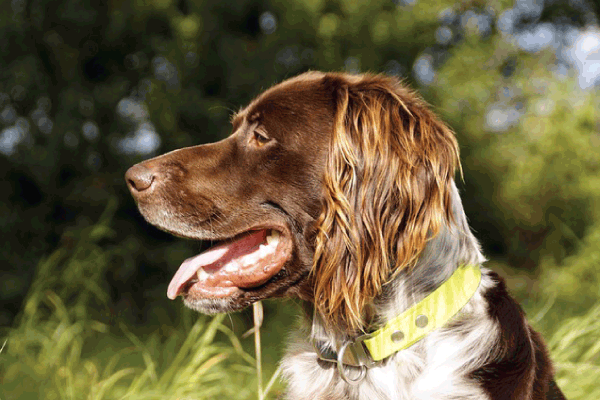
The thought of your beloved dog choking can send a wave of panic through any pet parent. It’s a frightening, life-threatening emergency that requires immediate recognition and action. While it’s an unsettling topic, understanding the ins and outs of choking in dogs is crucial for keeping your furry friend safe and prepared for the worst. This comprehensive guide will delve into every aspect of canine choking, from what causes it to how to prevent it, ensuring you have the knowledge to protect your canine companion.
Understanding Choking in Dogs
Choking occurs when an object becomes lodged in a dog’s airway (trachea), obstructing the passage of air to the lungs. This blockage prevents the dog from breathing, leading to a rapid decline in oxygen levels. Without prompt intervention, choking can quickly result in irreversible damage or even death. Dogs, being naturally curious creatures with a strong instinct to mouth and chew, are particularly susceptible to choking hazards. Their tendency to gulp down food or treats, coupled with their anatomical predisposition, makes them vulnerable.
Causes of Choking in Dogs
The culprits behind choking incidents are varied, but they generally fall into a few main categories:
1. Ingested Foreign Objects: This is by far the most common cause of choking in dogs. Dogs explore the world with their mouths, and if something they chew or swallow is too large, irregularly shaped, or has sharp edges, it can become lodged. Common foreign objects include:
- Chew toys and their parts: Pieces of broken toys, especially those made of rubber or plastic, are notorious. Squeakers from plush toys, stuffing, and fabric can also pose a risk.
- Bones: Cooked bones are particularly dangerous as they can splinter easily. Even raw bones, if too large or if the dog attempts to swallow them whole, can cause issues. Bones with marrow can also be tempting to swallow in large chunks.
- Food items:
- Treats: Large, hard treats, rawhide chews (especially if they become a sticky mass), or pieces of larger food items can be a choking hazard.
- Human food: Grapes, raisins, onions, garlic, avocado (especially the pit), and other toxic or large food scraps can be swallowed and cause blockages.
- Corncobs: These are a very common and dangerous object for dogs to ingest and choke on.
- Fruit pits and seeds: Peaches, plums, cherries, and apples can have large pits or seeds that can be swallowed.
- Household items:
- Socks, underwear, and other clothing items: Dogs often chew and swallow these, and their soft, pliable nature can allow them to become lodged in the throat.
- Small toys: Marbles, small balls, Lego bricks, and other small items that are easily swallowed.
- Coins and jewelry: These can be accidentally ingested and cause a blockage.
- Balloons: The deflated pieces of balloons are highly dangerous and easily swallowed.
- Packaging materials: Plastic wrap, foil, and other food packaging can be tempting for dogs to chew and swallow.
2. Food-Related Choking (During Eating): Even without a foreign object, the act of eating can sometimes lead to choking. This is more common in dogs that:
- Eat too quickly: Some dogs are “gulpers” and swallow their food in large chunks without proper chewing.
- Are fed inappropriate food sizes: Kibble that is too large for their mouth or chunks of meat or other foods that are not adequately sized.
- Have underlying medical conditions: Certain neurological conditions or anatomical abnormalities can affect a dog’s ability to swallow properly.
3. Vomiting and Gagging Reflexes: In some cases, a dog may vomit or gag while trying to clear their throat, and the object can become lodged in the process. This can be triggered by a variety of things, including something irritating their throat.
4. Anatomical Factors: While less common, some dogs may have anatomical predispositions that make them more prone to choking. This could include abnormally narrowed airways or a tongue that is too large for their mouth.
Signs and Symptoms of Choking in Dogs
Recognizing the signs of choking is paramount. Time is of the essence, and the sooner you identify the problem, the better the chances of a positive outcome. Choking can manifest in various ways, ranging from mild distress to severe, life-threatening situations.
Early or Mild Signs:
- Paw-wringing or frantically pawing at the face/mouth: This is often the most telling initial sign. The dog is trying to dislodge the object themselves.
- Gagging or retching: You might hear sounds of choking, coughing, or gagging. They may look like they are trying to vomit but nothing is coming up.
- Excessive drooling or salivation: The presence of an object can stimulate excessive saliva production.
- Looking distressed or panicked: Wide eyes, a worried expression, and frantic movements.
- Attempting to vomit without success: This is a classic sign that something is restricting their airway.
- Whining or whimpering: Expressing discomfort and distress.
Severe or Advanced Signs (Indicating a Complete Airway Obstruction):
- Blue or purplish discoloration of the gums, tongue, or insides of the eyelids (cyanosis): This is a critical sign of oxygen deprivation. If you see this, it’s a dire emergency.
- Gasping for air or struggling to breathe: The dog may be making very shallow, ineffective breaths or no breaths at all.
- Collapse or loss of consciousness: If the brain is not receiving enough oxygen, the dog will pass out.
- Stretched neck and head forward: An instinctual attempt to straighten the airway.
- Foaming at the mouth: This can be a combination of saliva and mucus due to the distress.
- Bulging eyes: Another sign of extreme distress and oxygen deprivation.
- Absence of breathing: The most severe and immediate sign of a complete blockage.
Important Note: It’s crucial to distinguish between choking and coughing. While coughing is a reflex to clear the airway, choking is a more desperate and urgent struggle. A dog that is choking will appear significantly more distressed and may exhibit the severe signs mentioned above.
Diagnosis of Choking in Dogs
In an emergency situation, diagnosis is often based on visual observation and the dog’s behavior. The immediate goal is to confirm that an object is obstructing the airway and to remove it as quickly as possible.
1. Visual Inspection and Palpation:
- Observing the dog’s behavior: As described above, the dramatic signs of distress are a strong indicator.
- Opening the mouth: If the dog is not too distressed and it’s safe to do so, gently open their mouth and look for a visible object. Be cautious, as a panicked dog may bite.
- Feeling for an object: Carefully palpate the mouth and throat, if possible, to feel for an obstruction.
2. Veterinary Diagnosis (Once the Dog is Stabilized):
If the object is not immediately visible or removable, or if the dog is severely compromised, immediate veterinary attention is essential. At the vet clinic, the following diagnostic methods may be employed:
- Physical Examination: The veterinarian will perform a thorough examination, assessing the dog’s breathing, heart rate, gum color, and overall condition.
- X-rays (Radiographs): X-rays can help identify radiopaque (visible on X-ray) foreign objects lodged in the throat, esophagus, or trachea. However, not all objects are visible on X-ray (e.g., plastic, wood).
- Endoscopy: This is a minimally invasive procedure where a flexible tube with a camera is inserted into the airway or esophagus. This allows the veterinarian to visualize the obstruction directly and often remove it using specialized instruments.
- Bronchoscopy: Specifically used to visualize the trachea and bronchi.
- Esophagoscopy: Used to visualize the esophagus.
- Ultrasound: In some cases, ultrasound can be helpful in visualizing foreign objects, especially if they are in soft tissues.
- Blood Tests: To assess oxygen levels and overall blood health, especially if the dog has been without oxygen for a period.
Treatment of Choking in Dogs
Treatment for choking in dogs focuses on two primary goals: clearing the airway and providing supportive care.
1. Emergency First Aid (By the Owner – If Safe and Possible):
If your dog is choking and you suspect an object is lodged, and you feel confident and safe to do so, you can attempt the following first aid measures:
- Check the Mouth: Carefully open your dog’s mouth and look for the object. If you can see it and it’s easily accessible, try to gently remove it with your fingers or a blunt pair of tweezers. Do NOT blindly sweep your fingers into the mouth, as you could push the object further down.
- Heimlich Maneuver (Modified for Dogs):
- Small Dogs: Hold the dog with their back against your chest. Place your fist just below their rib cage, where the abdomen meets the chest. Apply quick, firm upward and inward thrusts.
- Large Dogs: Lay the dog on their side. Kneel behind their back. Place your hands one on top of the other just below the rib cage. Apply quick, firm upward and inward thrusts.
- Crucially, watch for the object to be expelled.
- Back Blows: If the Heimlich maneuver is not successful, or if you are hesitant, you can try back blows.
- Small Dogs: Hold the dog with their head lower than their body. Give 4-5 sharp blows between the shoulder blades with the heel of your hand.
- Large Dogs: Lean the dog over your knees or a sturdy surface. Give 4-5 sharp blows between the shoulder blades with the heel of your hand.
- Check the Mouth Again: After attempting maneuvers, check the mouth again for dislodged objects.
- Artificial Respiration (If Breathing Stops): If the dog stops breathing and you have successfully cleared the airway, you can attempt rescue breathing.
- Close the dog’s mouth and hold it shut.
- Extend their neck slightly to straighten the airway.
- Place your mouth over the dog’s nose, forming a seal.
- Give 2 rescue breaths, watching to see if their chest rises. If the chest does not rise, the airway may still be blocked.
It is vital to remember that attempting these maneuvers can be dangerous if done incorrectly or if the dog is not actually choking. If you are unsure, prioritize getting to a veterinarian immediately.
2. Veterinary Treatment:
Once at the veterinary clinic, the treatment will depend on the severity of the choking and the type of obstruction.
- Immediate Airway Clearance:
- Manual Removal: If the object is visible and accessible, the veterinarian will attempt to remove it.
- Endoscopic Removal: This is the most common and effective method for removing foreign objects from the airway or esophagus. Specialized instruments are used to grasp and extract the object.
- Bronchoscopy/Laryngoscopy: To directly visualize and remove objects lodged in the trachea or larynx.
- Emergency Tracheostomy or Cricothyroidotomy: In severe, life-threatening cases where the airway is completely blocked and cannot be cleared immediately, the veterinarian may perform an emergency surgical procedure to create a temporary airway. This involves inserting a tube directly into the trachea below the obstruction.
- Oxygen Therapy: Providing supplemental oxygen to help the dog breathe is critical, especially if they have experienced oxygen deprivation.
- Fluid Therapy: Intravenous fluids are administered to maintain hydration and blood pressure, particularly if the dog is in shock.
- Medications:
- Sedatives or Anesthetics: To calm the dog and facilitate examination and treatment.
- Antibiotics: To prevent or treat secondary infections, especially if the airway has been damaged or if surgery is required.
- Anti-inflammatories: To reduce swelling in the airway.
- Medications to manage pain.
- Surgery: In some cases, surgery may be necessary to remove deeply lodged objects or to repair any damage to the airway or esophagus.
- Post-Treatment Care: This may include hospitalization for monitoring, continued oxygen therapy, medication administration, and careful observation for complications.
Prognosis and Complications
The prognosis for a dog that has choked depends heavily on several factors:
- Speed of Intervention: The faster the airway is cleared, the better the outcome.
- Completeness of Airway Obstruction: A partial obstruction is generally less serious than a complete one.
- Nature of the Object: Sharp or irregular objects can cause more damage.
- Duration of Oxygen Deprivation: Prolonged lack of oxygen can lead to irreversible damage, particularly to the brain.
- Presence of Injury: Tears or damage to the airway or esophagus can complicate recovery.
- Underlying Health Conditions: Dogs with pre-existing health issues may have a poorer prognosis.
Potential Complications:
Even with successful removal of the object, complications can arise:
- Brain Damage: Due to hypoxia (lack of oxygen), the brain can suffer damage, leading to neurological deficits such as seizures, weakness, or behavioral changes.
- Laryngeal Edema (Swelling of the Larynx): This can occur due to irritation or trauma to the voice box and can make breathing difficult even after the obstruction is removed.
- Tracheal or Esophageal Injury: The object or the removal process can cause tears, abrasions, or perforations in the airway or esophagus.
- Pneumonia: Aspiration of foreign material or reflux can lead to aspiration pneumonia, a serious lung infection.
- Strictures: Scar tissue can form in the airway or esophagus, leading to narrowing and long-term breathing or swallowing difficulties.
- Perforation: In rare cases, a sharp object can perforate the esophagus or trachea, leading to severe internal infections.
- Recurrence: If the underlying cause is not addressed (e.g., continued access to dangerous objects), choking can occur again.
In mild cases where the airway is cleared quickly and without significant trauma, the prognosis can be excellent. However, in severe cases with prolonged oxygen deprivation or significant injury, the prognosis can be guarded to poor.
Prevention: The Best Medicine
The most effective way to deal with choking in dogs is to prevent it from happening in the first place. This requires vigilance and a proactive approach from pet owners.
1. Supervise Your Dog:
- Always supervise your dog when they are chewing on toys or bones. This is especially important for puppies and dogs that tend to be enthusiastic chewers.
- Never leave your dog unsupervised with objects that could be a choking hazard.
2. Choose Safe Toys and Chews:
- Select toys that are appropriately sized for your dog. They should be large enough that they cannot be swallowed whole or in large chunks.
- Opt for durable, high-quality toys. Avoid toys that easily break into small pieces, especially those made of softer plastics or rubber that can be easily torn.
- Avoid cooked bones entirely. They splinter easily and can cause choking or internal damage.
- Be cautious with rawhide chews. While many dogs enjoy them, they can soften and become a sticky mass that is easily swallowed, or dogs can break off large pieces. If you do give rawhide, monitor your dog closely and choose larger, high-quality options.
- Consider puzzle toys or treat-dispensing toys that dispense small, appropriate-sized treats.
3. Safe Feeding Practices:
- Feed appropriate-sized kibble or food chunks. If your dog is a gulper, consider using slow-feeder bowls or scattering their food to slow them down.
- Don’t feed large pieces of meat or other foods that your dog might try to swallow whole.
- Be mindful of human foods. Many human foods are not suitable for dogs and can pose choking risks (e.g., corncobs, large fruit pieces).
4. Houseproofing and Environmental Safety:
- Keep small objects out of reach. This includes toys, coins, jewelry, medications, batteries, small DIY items, and anything else your dog might chew and swallow.
- Secure trash cans. Dogs can be tempted by discarded food scraps, bones, and packaging.
- Be mindful of children’s toys. Keep them stored away when not in use.
- Be aware of the risks associated with balloons. Deflated or popped balloons are a serious choking hazard.
- Ensure your dog cannot access items from mail or package deliveries.
5. Training:
- “Leave It” and “Drop It” commands are invaluable. Teaching your dog to release an object on command can save their life in a choking situation.
- Discourage destructive chewing. Redirect your dog to appropriate chew toys.
6. Regular Veterinary Check-ups:
- Discuss any concerns about your dog’s chewing habits or potential choking risks with your veterinarian. They can offer tailored advice and recommendations.
Diet and Nutrition Considerations Related to Choking
While diet and nutrition don’t directly cause choking, certain dietary choices and feeding practices can increase the risk, and proper nutrition can support overall health, making dogs more resilient.
1. Appropriate Food Size and Texture:
- Kibble Size: If your dog is a fast eater, consider feeding kibble that is an appropriate size for their jaw. Some brands offer different kibble sizes. For very fast eaters, slow-feeder bowls are a game-changer.
- Wet Food: While less of a choking hazard in terms of size, some dogs may try to gulp down large portions of wet food too quickly.
- Raw Diets: If feeding a raw diet, ensure that meat chunks are appropriately sized for your dog’s mouth. Bones in raw diets should be carefully selected and supervised (e.g., appropriate size and type of bone for raw feeding guidelines).
2. Treats and Chews:
- Treats are a major category for choking risks.
- Avoid hard, large treats that can be swallowed whole. Break larger treats into smaller, manageable pieces.
- Be extremely cautious with rawhide. As mentioned, it can become a hazard. If giving rawhide, choose reputable brands, supervise closely, and remove it when it becomes small enough to swallow or sticky.
- Dental chews can also pose a risk if they break off in large chunks.
- Consider softer, more digestible treats that are less likely to cause blockages.
3. Food Additives and Grains:
- While not a direct choking cause, a balanced diet contributes to a dog’s overall health. A healthy digestive system and good immune function can help a dog recover more efficiently if they do experience a choking incident and potential aspiration.
- Ensure your dog’s diet is free from excessive fillers or ingredients that are difficult to digest, as this can contribute to poor overall health.
4. Toxic Foods to Avoid (Beyond Choking):
It’s important to reiterate that certain foods can cause severe health problems or death even if not causing a choking incident. Always keep these away from your dog:
- Grapes and raisins
- Onions, garlic, and chives
- Avocado
- Xylitol (an artificial sweetener found in many sugar-free products)
- Chocolate
- Alcohol
- Macadamia nuts
In summary of diet and nutrition: Focus on feeding a high-quality, balanced diet appropriate for your dog’s age, breed, and activity level. When it comes to treats and chews, prioritize safety and supervise your dog closely, opting for items that are sized correctly and less prone to breaking into dangerous pieces.
Conclusion
Choking in dogs is a terrifying ordeal, but armed with knowledge, you can significantly reduce the risk and be better prepared to act if the worst happens. By understanding the causes, recognizing the signs, and implementing robust prevention strategies, you can help ensure your canine companion remains safe and healthy. Remember, always prioritize your dog’s safety, and when in doubt, seek immediate veterinary attention. Your vigilance and preparedness can make all the difference in an emergency.
#DogChoking, #CanineChoking, #DogSafety, #PetSafety, #DogHealth, #DogEmergency, #ChokingHazard, #DogHealthTips, #PetCare, #DogOwner, #PreventChoking, #DogToys, #DogChews, #FirstAidForDogs, #VeterinaryAdvice, #DogLovers, #PuppySafety, #ResponsiblePetOwner, #DogLife, #PetHealthAwareness, #ChokingSigns, #DogBreathing, #AnimalHealth, #PetEmergencyTips, #DogCare101, #HealthyDog, #SafeDogChewing, #DogTips, #PetOwnerTips, #VetsOnCall





Add comment