
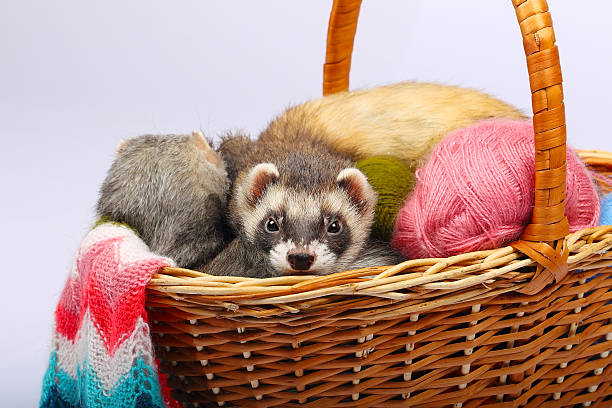
Ferrets are curious, energetic, and intelligent pets that require careful attention to their diet, health, and environment to thrive. Among the most essential aspects of ferret care is ensuring they have constant access to clean, fresh drinking water. Water is vital for regulating body temperature, aiding digestion, and supporting overall metabolic function. A dehydrated ferret can become ill quickly, so providing an appropriate, reliable water dispenser is not just a convenience—it’s a cornerstone of responsible ferret ownership.
When it comes to hydration, the two primary options for ferrets are water bottles and water bowls. Each type has its proponents and detractors, and understanding the benefits and drawbacks of each can help you make an informed decision based on your ferret’s behavior, environment, and health needs. This comprehensive guide will delve into every aspect of water dispensers for ferrets—functionality, hygiene, accessibility, durability, cost, maintenance, and the behavioral and medical implications of each option. By the end, you will be fully equipped to determine whether a bottle or bowl is the best choice for your furry companion.
Why Water Matters for Ferrets
Ferrets are obligate carnivores with high metabolic rates, which means they burn through energy quickly and need to eat—and drink—frequently. On average, a healthy ferret will consume 2–4 ounces (60–120 ml) of water per day, though this can vary depending on age, activity level, temperature, and diet. Ferrets on dry kibble diets, for example, require more water than those fed raw or semi-moist diets.
Dehydration in ferrets can occur rapidly, especially in hot environments or when illness is present. Signs of dehydration include dry gums, sunken eyes, lethargy, decreased skin elasticity (tested by gently pinching the scruff of the neck—if the skin doesn’t snap back quickly, dehydration may be present), and decreased urination. Dehydration can exacerbate existing health conditions such as insulinoma, gastrointestinal blockages, or kidney disease, making consistent hydration a preventive necessity.
Therefore, the water your ferret drinks—and how they access it—plays a critical role in their health and longevity.
Water Bottles: Pros and Cons
Water bottles, typically designed for small animals like hamsters, guinea pigs, and rabbits, have become a popular choice for ferret owners. They feature a reservoir filled with water and a metal sipper tube with a ball bearing mechanism that dispenses water when the ferret licks or nudges the ball.
Pros of Water Bottles:
- Keeps Water Cleaner for Longer
One of the most significant advantages of using a water bottle is that the water is protected from external contaminants. Since the reservoir is enclosed, it’s less likely to collect dust, fur, food debris, or droppings. This is especially important in multi-pet households or environments where bedding materials (like wood shavings or paper) might easily become airborne. - Reduced Risk of Spills
Ferrets are notoriously clumsy and active. They love to dig, climb, and push things over. A water bowl placed on the floor can easily be overturned by a ferret during play or exploration. Water bottles, usually mounted on the side of the cage, remain secure and stable. - Consistently Controlled Access
Bottles dispense water only when the ferret drinks, reducing the risk of the water sitting exposed to light and air—which can encourage algae or bacterial growth. It’s also less likely that the ferret will use the water as a “bathtub” (a common behavior with bowls). - Space-Efficient
Mounted on the cage, bottles do not take up valuable floor space inside the enclosure. This can be important in smaller cages or multi-level habitats where floor area is limited for movement, toys, or litter boxes. - Ideal for Travel or Transport
When transporting ferrets in carriers, bottles are a safer and cleaner option than bowls. They minimize spills and are less likely to tip over during movement. - Encourages Natural Drinking Posture
Ferrets, like many animals, are instinctively programmed to drink from sources that do not require them to submerge their nose or face deeply. A bottle allows them to lick water at a comfortable horizontal or slightly upward angle, mimicking natural drinking behavior at streams or dew-laden plants.
Cons of Water Bottles:
- Risk of Malfunction
The metal ball bearing in the sipper tube can get stuck due to mineral deposits, debris, or airlocks. If the water flow is blocked, the ferret may drink insufficient water without any visible signs of malfunction. This poses a serious risk, especially if the owner isn’t checking the bottle daily. - Difficulty for Some Ferrets to Use
While most ferrets adapt easily to bottles, some—especially seniors, juveniles, or those with dental or jaw issues—may struggle to drink from them. The force required to dislodge the ball bearing can be too much, leaving the animal frustrated and potentially dehydrated. - Hygiene Challenges
While the water stays cleaner, the sipper tube itself is a breeding ground for bacteria, algae, and biofilm if not cleaned frequently. Because the tube is narrow, it’s hard to reach with brushes or sponges, and improper cleaning can lead to infections or reduced water palatability. - Freezing in Cold Environments
In unheated rooms or outdoor enclosures (rare but sometimes used with caution), the water in bottles can freeze, cutting off access entirely. While this is less of an issue indoors, it’s worth considering in seasonal climates. - Mounting Issues
Not all cages are compatible with standard bottle mounts. If the mounting bracket is loose or poorly positioned, the ferret may knock it or chew on the plastic parts, potentially causing damage or leakage. - Frustration During Adaptation Period
Young or newly adopted ferrets might not instinctively know how to use a bottle. Without proper training or supervision, they may go without water for hours or even days before figuring it out—with potentially dangerous consequences.
Water Bowls: Pros and Cons
Water bowls are open containers (usually ceramic, stainless steel, or heavy plastic) placed inside the ferret’s enclosure. They are simple, intuitive, and require no mechanical parts.
Pros of Water Bowls:
- Ease of Access and Use
Bowls are instinctively familiar—ferrets can see, smell, and access the water immediately. There’s no learning curve. This is particularly beneficial for young kits, seniors, or ferrets recovering from illness who need effortless hydration. - Allows Bulk Drinking
Ferrets can drink more water at once from a bowl. For animals that are prone to rapid dehydration or those recovering from diarrhea or vomiting, the ability to drink freely and quickly is a major advantage. - Easier to Clean and Inspect
Unlike bottles with narrow tubes, bowls are simple to wash. Wide openings allow thorough scrubbing, and visibility lets owners easily spot contaminants such as algae, food, or feces. - Safer for Medical Conditions
Ferrets with dental disease, jaw weakness, or respiratory issues may find it difficult to apply the licking pressure needed for bottles. Bowls eliminate this challenge entirely. - No Mechanical Failures
There are no parts to break, clog, or malfunction. As long as water is present, the ferret has access. - Encourages Hydration Through Behavior
Some ferrets enjoy pawing at or splashing in water—while this can be messy, it also encourages interaction with the water source, which may promote more frequent drinking.
Cons of Water Bowls:
- High Risk of Spillage and Tipping
Ferrets love to play with and tip over objects. A lightweight bowl can be easily knocked over, leaving the ferret without water and creating a wet, potentially mold-prone environment in the cage. - Prone to Contamination
Open water is vulnerable to debris—bedding, food crumbs, fur, droppings—even from sources outside the cage. This increases the risk of bacterial growth and makes water unappetizing. - Quick Algae and Mold Growth
Exposure to light and air means algae can develop within hours, especially in warm, sunny rooms. Ferrets may avoid drinking if the water looks or smells off, leading to dehydration. - Hygiene Maintenance Required Multiple Times Daily
To ensure safety, bowls should ideally be cleaned and refilled at least twice a day—once in the morning and once at night. For busy owners, this may be impractical, leading to lapses in care. - Space-Consuming
On the cage floor, bowls occupy valuable real estate. In smaller enclosures or those packed with toys, tunnels, and litter pans, adding a bowl might clutter the space. - Potential for Over-Soaking of Bedding
Spilled water from a tipped bowl can soak into bedding materials like blankets, towels, or paper, creating damp areas. Moist environments promote mold and bacteria, which can lead to respiratory problems or fungal infections in ferrets. - Possible for Use as a Litter Box or Bath
Some ferrets treat shallow bowls as a place to eliminate or bathe. This not only contaminates the drinking water but necessitates frequent cleaning and monitoring.
Material Considerations for Water Dispensers
The material of the dispenser—whether bottle or bowl—greatly impacts its durability, hygiene, and safety.
For Bottles:
- Glass: Offers excellent clarity and resistance to staining and odors. However, it’s heavy and breakable—risky in a ferret’s active environment.
- Plastic (BPA-Free): Lightweight and widely available, but scratches easily and can harbor biofilm. Must be replaced frequently.
- Stainless Steel: Extremely durable, resistant to chewing, and easy to clean. High-end bottles made from stainless steel are excellent but harder to find and more expensive.
For Bowls:
- Ceramic: Heavy and stable, less likely to tip. However, can chip or break if dropped. Ensure it’s lead-free and glazed on the inside.
- Stainless Steel: The gold standard—durable, non-porous, rust-resistant, and extremely easy to clean. Lightweight versions can still be tipped, but heavier-duty models often have weighted bases.
- Plastic: Lightweight and cheap, but scratches easily, promotes bacterial growth, and may be chewed. Not recommended for long-term use.
Best Practices for Maintaining Ferret Water Sources
Regardless of the type of water dispenser chosen, maintenance is critical. Here are universal best practices:
- Daily Cleaning
All water dispensers should be emptied, scrubbed with hot, soapy water, and rinsed thoroughly every day. For bottles, use a bottle brush to clean the tube and reservoir. - Inspection for Debris and Algae
Visually inspect water at least twice daily. Cloudy water, green films, or floating particles are red flags. - Use Filtered or Bottled Water
Tap water with high mineral content (hard water) can clog sipper tubes and leave deposits. Filtered or spring water improves palatability and reduces scaling. - Positioning
Mount bottles at chest level—high enough to avoid bedding contamination but low enough for kits and seniors to reach. Bowls should be placed on stable, flat surfaces away from litter boxes and food areas. - Multiple Water Sources
Especially in larger enclosures or multi-ferret households, providing two water sources (one bowl and one bottle, or two of the same) ensures redundancy in case one becomes inaccessible. - Seasonal Adjustments
In summer, change water more frequently to prevent overheating and bacterial blooms. In winter, check bottles to ensure they haven’t frozen.
Behavioral Factors in Water Access
Ferrets are intelligent and often form habits around their environment. Their interaction with water dispensers can be influenced by early experiences, personality, and training.
- Kits and Training: Ferret kits (babies) may need time to learn how to use a water bottle. Demonstrating by gently touching the sipper ball or even letting them see water drip can encourage exploration. Some owners put a drop of chicken broth (low-sodium, onion-free) on the ball to entice licking—but this should be done sparingly to avoid picky drinking habits.
- Preference Testing: Introduce both a bowl and a bottle simultaneously and observe which the ferret uses more. Many ferrets prefer bowls for ease of access but may use bottles when trained early.
- Territorial Behavior: In multi-ferret homes, dominant ferrets may guard water sources. Providing multiple dispensers in separate corners can prevent conflict.
- Environmental Enrichment: Ferrets may ignore water if they’re stressed, bored, or in a noisy environment. Placing the water source in a quiet corner, away from loud appliances or foot traffic, can encourage regular drinking.
Health Implications of Water Dispenser Choices
Chronic dehydration or poor water quality can lead to severe health problems in ferrets:
- Urinary Issues
Insufficient water intake increases the risk of urinary crystals, bladder stones, and infections. Ferrets with a history of bladder issues should always have unrestricted access to water—favoring bowls in such cases. - Gastrointestinal Problems
Dehydration slows gut motility, increasing the risk of life-threatening blockages—a common issue in ferrets due to their tendency to ingest foreign objects. - Kidney Dysfunction
The kidneys filter waste through urine. Without adequate water, toxins accumulate, accelerating organ damage—especially in older ferrets. - Tooth and Jaw Stress
Using a bottle requires repetitive jaw motion. Ferrets with dental disease or missing teeth may find this painful. - Respiratory Infections
Damp, unclean bedding from spilled water promotes mold and bacteria, which can be inhaled and lead to pneumonia or chronic respiratory issues.
Choosing the wrong water dispenser can thus have cascading health effects. It’s not just about convenience—it’s about long-term wellness.
The Hybrid Approach: Using Both Bottles and Bowls
Many experienced ferret owners advocate for a dual-system approach: using both a water bottle and a bowl simultaneously.
Benefits of the Hybrid Method:
- Redundancy: If the bottle malfunctions or the bowl is spilled, water is still available.
- Choice: Ferrets can choose their preferred method, which may vary by time of day or health status.
- Monitoring Hydration: Observing which method the ferret uses more can provide insight into their well-being. A sudden switch from bottle to bowl, for example, might indicate a dental issue.
- Encourages More Drinking: Some ferrets drink more when multiple sources are available.
Drawbacks:
- Increased Maintenance: Two sources mean double the cleaning.
- Space Constraints: Not all cages can accommodate both.
- Cost: Requires purchasing and replacing two dispensers.
Despite the extra effort, the hybrid approach is often recommended by veterinarians and experienced breeders for optimal hydration safety.
Ferret-Specific Design Features to Consider
When selecting a water dispenser, look for ferret-focused features:
- Bottle Flow Rate: Choose bottles with a moderate flow—too fast can cause choking; too slow can frustrate. Adjustable flow models are ideal.
- Chew-Resistant Materials: Ferrets love to chew. Ensure bottles have reinforced plastic or stainless steel components. Avoid soft silicone tubing.
- Stability: Bowls should be heavy or have non-slip bases. Tip-proof designs are crucial.
- Capacity: Ferrets drink frequently, so a 16–32 oz (500–1000 ml) capacity is ideal to reduce refill frequency.
- Ease of Filling: Bottles with wide mouths are easier to fill and clean. Top-fill models are convenient.
- Accessibility for All Ages: Ensure both kits and seniors can reach and use the dispenser comfortably.
Common Mistakes Ferret Owners Make with Water Dispensers
- Assuming the Bottle is Working
Not checking for clogs regularly. Always test the flow daily by licking the tip or pressing the ball. - Using Tap Water Without Filtration
Chlorine, fluoride, and minerals can affect taste and cause scaling. - Infrequent Cleaning
Leaving water for more than 24 hours promotes biofilm. Bottles cleaned only once a week can harbor dangerous bacteria. - Placing Water Near Litter or Food
Ferrets often eliminate or eat near their food, so water should be in a separate, clean zone. - Using Decorative Bowls with Narrow Openings
These are hard to clean and may trap debris. - Ignoring Ferret Behavior
If your ferret isn’t drinking, investigate—don’t assume they’re just not thirsty.
Tips for Encouraging Hydration
Even with the best dispenser, some ferrets may not drink enough. Try these tips:
- Add a Flavor Enhancer: A tiny drop of unsalted chicken broth or ferret-safe electrolyte solution can entice drinking during illness.
- Offer Ice Cubes: Some ferrets enjoy chewing on ice cubes made from water or low-sodium broth.
- Use Moving Water: Pet fountains (small, quiet models) can stimulate interest in drinking.
- Hand-Feed Water: Use a syringe (without the needle) to gently offer water—especially useful for sick ferrets.
- Monitor Diet: Wet or raw diets naturally increase water intake.
Veterinary and Expert Recommendations
Most ferret veterinarians recommend starting kits with both a bowl and a bottle to encourage adaptability. As ferrets age, many transition to preferring bowls, especially if dental issues arise.
Dr. Bruce Williams, a renowned ferret pathologist, emphasized in multiple conferences that dehydration is a silent killer in ferrets. He advised daily checks and the use of both water sources in households where ferrets have a history of illness.
The Association of Exotic Mammal Veterinarians (AEMV) recommends stainless steel bowls and high-quality bottles with stainless steel sipper tubes as the safest options.
Environmental and Ethical Considerations
When choosing a dispenser, consider sustainability:
- Reusable stainless steel or glass products reduce plastic waste.
- Avoid single-use plastic bottles or disposable liners.
- Clean with eco-friendly soaps to minimize chemical runoff.
Ethically, ensuring constant access to clean water aligns with animal welfare standards. Depriving a ferret of water—intentionally or through negligence—is a serious welfare concern.
Conclusion: Which is Best—Bottle or Bowl?
There is no one-size-fits-all answer. The best water dispenser for your ferret depends on their age, health, behavior, and environment.
- Choose a Water Bottle if:
- You want to minimize spills.
- Your ferret is active and tends to play with objects.
- You live in a dusty or multi-pet environment.
- Your ferret is healthy and adapts easily.
- Choose a Water Bowl if:
- Your ferret is young, old, or has health issues.
- You can commit to frequent cleaning.
- You prefer simplicity and ease of access.
- Your ferret refuses or struggles with bottles.
- Ideal Solution for Most Owners: Use both a bowl and a bottle—providing choice, redundancy, and flexibility. This dual approach maximizes hydration safety and accommodates changing needs over time.
Ultimately, the goal is to ensure your ferret stays hydrated, healthy, and happy. Regular monitoring, proper maintenance, and attention to your ferret’s individual preferences will go a long way in achieving this. By making an informed, thoughtful choice about water dispensers, you’re not just meeting a basic need—you’re enhancing your ferret’s quality of life.
#FerretCare, #FerretHealth, #FerretWater, #FerretBottleVsBowl, #FerretHydration, #FerretOwnerTips, #FerretLife, #FerretHabitat, #FerretCageSetup, #BestFerretWaterDispenser, #FerretWellness, #FerretSafety, #FerretCareGuide, #FerretMom, #FerretDad, #FerretLovers, #FerretLiving, #FerretDailyCare, #FerretHygiene, #FerretTips, #FerretNutrition, #DehydrationPrevention, #ExoticPets, #SmallPetCare, #FerretBehavior, #FerretVetAdvice, #FerretAccessories, #StainlessSteelBowl, #FerretCage, #FerretEnrichment, #FerretCommunity, #PetHydration, #FerretRescue, #FerretAdoption, #FerretParenting, #FerretLifeStyle



Add comment