
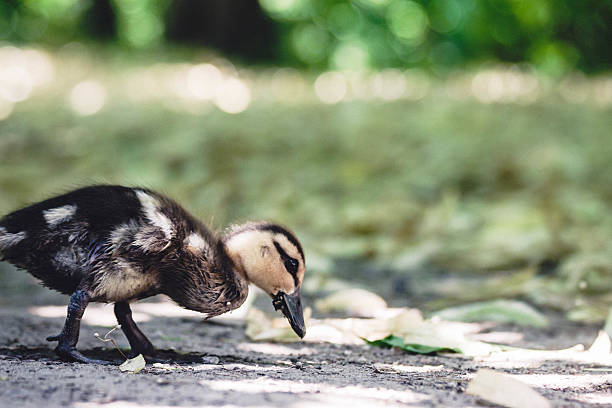
Ducks have long been celebrated not only for their utility in providing eggs, meat, and pest control, but also for their unique maternal instincts. Among poultry keepers and homesteaders, a special place is reserved for those exceptional duck breeds that exhibit strong broodiness—the instinctive urge to sit on and hatch a clutch of eggs. While many modern duck breeds have been selectively bred to reduce broodiness in favor of higher egg production, several heritage and traditional breeds still retain this crucial trait. These broody duck breeds are invaluable to those wishing to naturally hatch ducklings, raise families of ducks without artificial incubation, and maintain sustainable breeding flocks.
This comprehensive guide explores everything you need to know about broody duck breeds—from understanding what makes a duck broody to identifying the most reliable brooder breeds, managing their nesting and hatching behaviors, and successfully raising ducklings through natural incubation. Whether you’re a backyard poultry enthusiast, a small-scale farmer, or someone passionate about sustainable living, this article will equip you with the knowledge and practical strategies for working with nature’s natural mothers.
By the end of this guide, you’ll understand:
- What broodiness means in ducks and how it differs from chickens
- The top broody duck breeds ideal for natural hatching
- Essential nesting setup and environmental needs
- How to recognize and support a broody duck
- The incubation process timeline and development stages
- Managing egg viability and fertility
- Raising ducklings after hatch
- Common challenges and how to overcome them
- The benefits of embracing natural reproduction in ducks
- And much more
Let’s dive into the world of broody ducks and discover how these nurturing mothers can transform your duck-raising experience.
What Is Broodiness in Ducks?
Broodiness is a hormonal and behavioral state in female birds (hens and ducks) where they stop laying eggs and instead become dedicated to incubating a clutch to hatch ducklings or chicks. A broody duck will sit persistently on her eggs, fluff up her feathers, pluck down from her chest to line the nest, reduce her feeding and drinking, and become fiercely protective of her nest.
Biological Basis of Broodiness
Broodiness is driven by a surge in prolactin, a hormone that stimulates maternal behavior. When a duck begins to lay a clutch of eggs, her brain monitors the number of eggs laid and the time elapsed. Once a sufficient number (usually 8–15, depending on the breed) have accumulated, and the laying cycle is consistent, hormonal shifts trigger broodiness.
This instinct is deeply rooted in wild waterfowl species, where natural hatching is essential for survival. However, in commercial poultry genetics, broodiness is often suppressed because it reduces egg-laying productivity. That’s why many commonly raised ducks (e.g., Pekin) rarely go broody. In contrast, many heritage breeds retain this vital trait.
Differences Between Broodiness in Ducks and Chickens
While both ducks and chickens can go broody, there are notable differences:
| Feature | Ducks | Chickens |
|---|---|---|
| Duration of Broodiness | Typically longer (28+ days) | Usually 21 days |
| Nesting Preferences | Prefer quiet, concealed, near water | Prefer dry, elevated, dark coops |
| Egg Laying During Broodiness | May continue laying briefly | Cease laying immediately |
| Tolerance to Human Interaction | Generally more accepting | Often aggressive or skittish |
| Down Plucking | Extensive chest plucking for lining | Moderate plucking |
| Success Rate in Hatching | Higher; excellent maternal instinct | Varies by breed |
| Weather Resilience | Tolerate rain and cold better | Prefer dry, warm conditions |
Ducks tend to be more dedicated and resilient brooders, enduring adverse weather, predators, and distractions better than chickens. This makes them ideal for natural hatching, especially in free-range or wild-foraging environments.
Top Broody Duck Breeds for Natural Hatching
When selecting a duck for natural brooding, look for breeds known for consistent broodiness, strong maternal instincts, long incubation tolerance, and nurturing behavior post-hatch. Below are the most reliable broody duck breeds.
1. Rouen Duck
- Origin: France
- Temperament: Calm, gentle, docile
- Egg Production: 100–125 large white or tinted eggs/year
- Egg Size: Extra large
- Broodiness Level: High (especially in heritage lines)
- Clutch Size: 8–12 eggs
- Incubation Period: 28 days
Rouen ducks are large, attractive birds that resemble wild mallards. While commercial Rouens are bred more for meat, heritage Rouens are highly broody. They make excellent mothers, sitting tightly on their nests and fiercely protecting their ducklings. Their size allows them to cover more eggs effectively, and they are attentive during the rearing phase.
Tips: Provide a large, secluded nesting area. Allow time for the duck to build a full clutch; she may lay for several days before settling.
2. Runner Duck (Indian Runner)
- Origin: Southeast Asia (originally Indonesia)
- Temperament: Energetic, upright posture, curious
- Egg Production: 200+ white or blue-green eggs/year (one of the highest layers)
- Broodiness Level: Moderate to high (varies by line)
- Clutch Size: 10–15 eggs
- Incubation Period: 28 days
Despite their reputation as egg-laying machines, many Runner ducks—especially in heritage or standard flocks—do go broody. They are persistent sitters and attentive mothers. However, due to their high metabolism and constant movement, some may abandon the nest if disturbed too often.
Tips: Place the nest in a quiet corner away from foot traffic. Monitor for egg breakage, as Runners sometimes lay in odd places before settling.
3. Muscovy Duck
- Origin: South and Central America
- Temperament: Quiet, calm, intelligent
- Egg Production: 60–120 white eggs/year
- Broodiness Level: Extremely high
- Clutch Size: 8–16 eggs
- Incubation Period: 35 days (longest of any domestic duck)
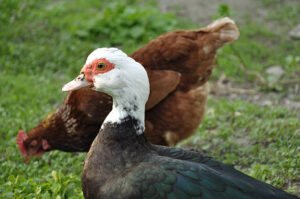
Muscovies are standout brooders. They are the most broody of all domestic duck breeds. A Muscovy hen may go broody several times a year and will often sit on eggs from other ducks or even chickens. They are protective, rarely abandon the nest, and raise ducklings (or mixed broods) with exceptional care.
Unique Traits:
- Can fly short distances, so ensure nesting sites are secure
- Males (drakes) are quiet, beneficial in suburban settings
- Naturally resistant to many duck diseases
Tips: Provide a high, covered nest box (they prefer elevated, enclosed spaces, like a small dog house). Due to the 35-day incubation, ensure she has easy access to food and water nearby.
4. Cayuga Duck
- Origin: United States (New York)
- Temperament: Peaceful, cold-hardy
- Egg Production: 100–125 dark green or black eggs/year (early in season)
- Broodiness Level: High
- Clutch Size: 8–12 eggs
- Incubation Period: 28 days
Cayugas often go broody, especially in spring. They are excellent mothers and will defend their ducklings aggressively. Their eggs are unique in color (emerald to black early on, fading to gray), making it easy to track fertility and development.
Tips: Begin monitoring fertility early—Cayuga drakes can be less fertile, so ensure a good male-to-female ratio.
5. Swedish Blue Duck
- Origin: Northern Europe
- Temperament: Friendly, quiet, cold-tolerant
- Egg Production: 100–150 blue or green eggs/year
- Broodiness Level: High
- Clutch Size: 9–13 eggs
- Incubation Period: 28 days
Swedish Blues are calm and reliable brooders. They prefer nesting on the ground with good cover and will sit tightly. They are excellent foragers and teach their ducklings these skills early.
Tips: Their blue plumage may fade in sunlight; provide shaded areas. Use nest boxes with deep bedding.
6. Pomeranian Duck (including Black and White Varieties)
- Origin: Germany and Baltic regions
- Temperament: Hardy, calm, good foragers
- Egg Production: 120–160 white or tinted eggs/year
- Broodiness Level: High
- Clutch Size: 10–14 eggs
- Incubation Period: 28 days
Pomeranians are cold-hardy and known for their broodiness. They are excellent natural mothers and raise ducklings with confidence.
Tips: Provide thick bedding in the nest. They prefer outdoor, sheltered nesting areas.
7. Khaki Campbell
- Origin: England
- Temperament: Active, curious, excellent foragers
- Egg Production: 250–340+ greenish-tinted eggs/year
- Broodiness Level: Low to moderate
- Clutch Size: 10–12 eggs (if broody)
- Incubation Period: 28 days
While Khaki Campbells are primarily bred for egg production and rarely go broody in commercial lines, heritage or standard varieties can and do go broody—often unexpectedly. When they do, they are attentive mothers.
Tips: If you want broodiness, avoid high-production lines. Look for breeder flocks that preserve natural behaviors.
8. Buff Orpington Duck
- Origin: England
- Temperament: Sweet, calm, family-friendly
- Egg Production: 150–200 cream or tinted eggs/year
- Broodiness Level: Moderate to high
- Clutch Size: 8–12 eggs
- Incubation Period: 28 days
Buff Orpingtons are not only beautiful with their soft golden plumage, but they are also one of the most broody-colored duck breeds. They make patient, affectionate mothers and are excellent for beginners.
Tips: Provide a private, soft nest. Their docility makes them vulnerable to bullying—house them with gentle flock mates.
How to Encourage and Support Broodiness
Even in naturally broody breeds, certain environmental and management factors influence whether a duck will go broody.
1. Provide Proper Nesting Conditions
- Location: Quiet, predator-proof, low-traffic area
- Privacy: Use nest boxes with curtains, lids, or natural cover (brush, straw bales)
- Bedding: Use soft, absorbent materials like straw, hay, or pine shavings
- Nest Size: Minimum 18” x 18” for most breeds; larger for Rouen or Muscovy
- Elevation: Ground-level nests are fine for most ducks; Muscovies prefer raised boxes
2. Allow Natural Clutch Building
- Do not collect eggs daily if you want a duck to go broody. Let her accumulate a full clutch.
- Mark eggs with a pencil (date and “+”) to track freshness. Replace older eggs if necessary.
- A duck typically needs 8–15 eggs to stimulate broodiness.
3. Ensure Fertility
- Maintain a proper drake-to-duck ratio:
- Small flocks: 1 drake per 3–5 ducks
- Larger flocks: 1 per 4–6
- Drakes should be sexually mature (4–7 months, breed-dependent)
- Avoid inbreeding; rotate drakes occasionally if possible
4. Nutrition for Broody Ducks
While broody ducks eat and drink less, they still need access to:
- Fresh water (daily, critical to prevent dehydration)
- High-protein feed (16–18% protein) to sustain energy
- Calcium supplements (if she was laying heavily before going broody)
- Grit (to help digestion)
- Limited treats (avoid sudden dietary changes)
Place food and water near the nest so she doesn’t have to leave too long.
The Incubation Process: A Day-by-Day Guide
Once a duck is fully broody, she will begin the 28-day incubation period (35 days for Muscovy). Here’s what happens during each week.
Week 1 (Days 1–7): Early Development
- Eggs are warmed to ~99.5°F (37.5°C)
- Embryo begins to form: nervous system, heart, blood vessels
- Candling at Day 6–7: Use a bright light in a dark room to check for veining and a developing embryo
- Discard clear or rotten eggs (no development, or foul smell)
Care Tips:
- Minimize nest disturbance
- Ensure bedding stays dry
- Observe brooding behavior—she should sit 90% of the time
Week 2 (Days 8–14): Organ Formation
- Major organs develop; eyes and beak begin to form
- Movement may be detectable by gentle rolling
- Egg weight decreases slightly due to moisture loss
Candling at Day 10–12: Look for denser vascular networks. Fertile eggs show a dark spot (“spider”) and blood vessels radiating outward.
Week 3 (Days 15–21): Growth and Feather Development
- Embryo grows rapidly; feathers start to develop
- Air cell at the blunt end expands
- Duckling begins to position head toward air cell (for pipping)
Do not candle after Day 21—it may disturb development.
Week 4 (Days 22–28): Hatching Time
- Day 26–27: Ducklings start pipping (cracking the shell internally)
- Day 28: External pipping and full hatching
- Ducklings may take 24–48 hours to fully emerge
Do NOT assist hatching—interfering can cause injury or death. Only help if a duckling is visibly stuck for over 24 hours after pipping.
Muscovy Note: Incubate for 35 days. Hatching signs appear around Day 33–34.
Hatching Success Tips
- Use fresh, clean eggs (no cracks, less than 7 days old ideal)
- Store eggs pointy-end down at 55–60°F (12–15°C) with 75% humidity before incubation
- Avoid washing eggs—removes natural bloom that blocks bacteria
- Rotate eggs gently once or twice daily before broodiness sets in
- Prevent pests (mites, lice) with diatomaceous earth (food-grade, sparingly)
Raising Ducklings Naturally: The Mother’s Role
One of the greatest benefits of using a broody duck is the natural rearing of ducklings.
Immediate Post-Hatch Care
- Ducklings dry under the mother for 24–48 hours before leaving the nest
- The mother leads them to water and food
- She keeps them warm with her body and teaches them to forage
What to Provide
- Shelter: Draft-free, warm (70–75°F), with safe access to the mother
- Water: Shallow dish (1–2 inches deep), large enough to dip beak but not drown
- Feed: Starter crumbles (18–20% protein), non-medicated (medicated feed can harm ducks)
- Grit: Tiny stones for gizzard function, especially if foraging
- Protection: Guard against predators (raccoons, hawks, foxes)
Bonding and Socialization
Ducklings imprint on their mother within hours. This bond is crucial for learning behaviors like feeding, drinking, and predator avoidance. If the duck rejects her babies (rare but possible), hand-rearing may be necessary.
Challenges with Broody Ducks and How to Solve Them
1. Abandonment of Nest
- Cause: Disturbance, predators, poor nest conditions
- Solution: Minimize human visits, secure predator-proof housing, provide privacy
2. Egg Predation or Breakage
- Cause: Rats, snakes, or clumsy ducks
- Solution: Elevate nests, install mesh, use fake eggs to train nesting behavior
3. Inconsistent Incubation
- Cause: Overheating, poor nest ventilation, stress
- Solution: Ensure shade, proper bedding, and daily brief breaks for feeding
4. Low Fertility
- Cause: Old drake, poor nutrition, inbreeding
- Solution: Rotate males, feed balanced diet, test fertility with candling
5. Broody Aggression
- Cause: Protective instinct, fear
- Solution: Approach calmly, avoid sudden movements, wear gloves if necessary
6. Over-Broodiness
- Some ducks go broody multiple times per year, exhausting themselves.
- Management: Gently break broodiness by removing nest access for a few days, placing her in a wire-bottom cage (not cruel—this cools her abdomen and interrupts hormonal signals).
Breaking Broodiness (When Necessary)
Sometimes, you may need to discourage broodiness—especially if the duck is losing weight, the eggs are infertile, or you don’t want more ducklings.
Safe Methods to Break Broodiness:
- Remove from Nest: Place her in a wire cage (no bedding, no dark space) for 2–3 days
- Cool the Abdomen: Wire flooring allows air to cool her brood patch
- Limit Nest Access: Block the nest box temporarily
- Provide Distractions: Offer treats, social flock time, water play
Avoid extreme methods like water dunking, which are stressful and inhumane.
Benefits of Using Broody Ducks Over Artificial Incubators
While incubators provide control and predictability, broody ducks offer natural advantages:
| Factor | Broody Duck | Artificial Incubator |
|---|---|---|
| Humidity Control | Self-regulated (by body and down) | Must be monitored constantly |
| Egg Turning | Naturally done 3–5 times/day | Manual or automatic turning needed |
| Temperature Stability | Highly consistent (body heat) | Vulnerable to power outages |
| Maternal Bonding | Immediate, lifelong | Requires hand-rearing |
| Duckling Survival Rate | Often higher due to natural care | Risk of weakness or imprinting issues |
| Labor & Cost | Minimal post-setup | High initial cost, maintenance |
| Emotional & Ethical Aspect | Natural, instinctive process | Mechanical, less humane |
Broody ducks also hatch eggs from other species, including chickens, guineas, and even turkeys—making them incredibly versatile.
Building a Broody Duck Friendly Environment
To maximize success, design your duck setup with broodiness in mind.
Nest Box Design
- Size: 18” x 18” x 12” minimum
- Material: Wood or plastic, easy to clean
- Roof: Sloped or hinged for easy egg collection pre-broodiness
- Door/Flap: Optional privacy curtain
- Location: Away from coop traffic, predator-safe
Outdoor Nesting Areas
Some ducks prefer natural spots—consider:
- Duck houses with nesting compartments
- Straw bales arranged into cozy nooks
- Bushes or shrubs near water (but monitor for predation)
Flock Management
- Keep docile drakes to reduce stress
- Avoid overcrowding
- Provide multiple nests to prevent competition
- Quarantine broody ducks if needed (but allow contact with flock post-hatch)
Seasonality and Broodiness Cycles
Most ducks go broody in spring and early summer, when daylight increases and temperatures rise. However, Muscovies may go broody multiple times a year, even into fall.
- Peak Broodiness: April–July (temperate climates)
- Triggers: Increasing daylight, warm weather, full clutches
- Off-Season: Winter broodiness is rare but possible in warm climates or indoor setups
To encourage broodiness, simulate spring conditions with extra light and fresh nesting materials.
Ethical Considerations and Responsible Duck Keeping
Working with broody ducks requires a commitment to animal welfare:
- Only breed ducks if you have homes for the ducklings
- Avoid inbreeding—keep pedigree records
- Do not overwork broody hens (allow recovery between hatches)
- Cull aggressively for health and temperament if breeding
- Provide lifelong care—even if ducklings are sold
Consider partnering with local farms, schools, or 4-H programs to place ducklings responsibly.
Conclusion: Embracing the Natural Way
Broody duck breeds are a gift to sustainable poultry keepers. Their strong maternal instincts, resilience, and nurturing nature make them ideal for hatching and raising ducklings without relying on artificial technology. By choosing the right breed—such as Muscovy, Rouen, or Swedish Blue—and providing a supportive environment, you invite nature to do what it does best: create life.
Raising ducklings under a mother duck fosters stronger, healthier birds with natural behaviors that are difficult to replicate through hand-rearing. It reduces labor, stress, and costs while deepening your connection with your flock.
Whether you’re expanding your homestead, preserving heritage breeds, or simply enjoying the wonder of watching ducklings hatch and thrive, broody ducks are your most loyal allies. Invest in their well-being, respect their instincts, and you’ll be rewarded with generations of healthy, happy ducks.
So next time you see a duck fluffing her feathers and refusing to leave her nest—don’t interrupt. You might be witnessing the beginning of a beautiful new family.
#BroodyDuck, #HatchDucklings, #NaturalHatching, #DuckMom, #MuscovyDuck, #RouenDuck, #RunnerDuck, #CayugaDuck, #SwedishBlueDuck, #PomeranianDuck, #BuffOrpington, #KhakiCampbell, #DuckBreeds, #DuckNesting, #DuckIncubation, #28DayHatch, #35DayHatch, #CandlingEggs, #DuckEggs, #DucklingCare, #RaiseDucklings, #Homesteading, #BackyardDucks, #SustainableLiving, #DuckFlock, #DuckKeeping, #DuckLife, #DuckLove, #DuckHatching, #DuckBreeding, #HeritageDucks, #DuckNestBox, #DuckHatchingSuccess, #Ducklings, #DuckHatch, #FarmLife, #RaisingDucks, #DuckHatchingGuide, #DuckHatchingDayByDay, #DuckHatchingTips, #DuckCare, #DuckHatchingExperience, #BroodyDuckBehavior, #DuckHatchingMagic, #DuckHatchingJourney, #DuckHatchingVideo, #DuckHatchingLive, #DuckHatchingStory, #DuckHatchingFun, #DuckHatchingMoments, #DuckHatchingAdventure, #DuckHatchingSuccessStory, #DuckHatchingOnMyFarm, #DuckHatchingWithLove, #DuckHatchingNaturally, #HomesteadHatching, #DuckHatchingWithMother, #DuckHatchingWithoutIncubator, #GooseAndDuckHatching, #DuckHatchingTipsAndTricks, #DuckHatchingFromStartToFinish, #DuckHatchingDailyUpdate, #DuckHatchingForBeginners, #DuckHatchingForExperts, #DuckHatchingWithKids, #DuckHatchingEducation, #DuckHatchingLearning, #DuckHatchingForSale, #DuckHatchingSupplies, #DuckHatchingSetup, #DuckHatchingEnvironment, #DuckHatchingCare, #DuckHatchingSupport, #DuckHatchingCommunity, #DuckHatchingFamily, #DuckHatchingLove, #DuckHatchingJoy, #DuckHatchingGoals, #DuckHatchingDreams, #DuckHatchingReality, #DuckHatchingFuture, #DuckHatchingTradition
Add comment