
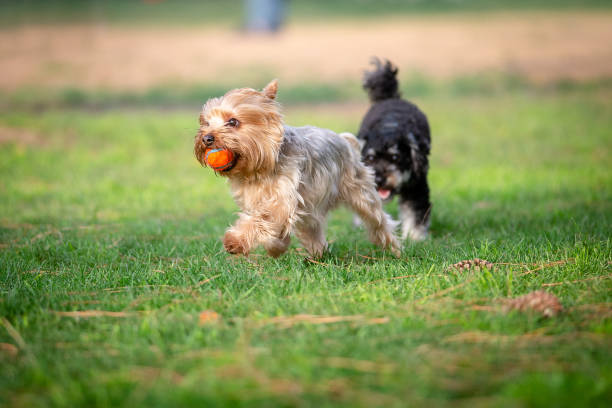
Whether you’re a first‑time pup‑parent or a seasoned dog lover, selecting the perfect walking gear can feel overwhelming. This guide walks you through every decision point—materials, fit, breed‑specific quirks, training goals, safety, and upkeep—so you can confidently outfit your new companion for happy, safe, and enjoyable outings.
1️⃣ WHY THE RIGHT GEAR MATTERS (Especially for Puppies)
| Reason | What Happens If You Choose Poorly | How the Right Gear Helps |
|---|---|---|
| Physical Development | A heavy or ill‑fitting collar can strain a still‑growing neck, affecting the trachea, vertebrae, or even cause skin irritation. | A lightweight, properly sized collar/harness protects delicate anatomy while allowing natural movement. |
| Training Foundations | A slip‑on flat collar offers no control for pull‑training; a choke chain can teach fear‑based responses. | A front‑clip or “no‑pull” harness gives gentle steering cues, reinforcing positive walking habits. |
| Safety & Legal Compliance | In many jurisdictions, certain devices (e.g., prong collars, retractable leashes in public parks) are illegal or can cause accidents. | Using legal, well‑designed gear reduces liability and keeps you and your puppy safe. |
| Comfort & Trust | A rough leash or a collar that rubs can create anxiety, making outings stressful for both of you. | Soft, padded, and correctly sized gear lets your puppy associate walks with fun, not pain. |
2️⃣ UNDERSTANDING THE BASIC COMPONENTS
| Component | Primary Function | Typical Material(s) | Common Variants |
|---|---|---|---|
| Collar | Holds identification tags & provides a point of attachment for a leash. | Nylon, leather, neoprene, biothane, fabric blends. | Flat, Martingale (limited‑slip), Training (choke/prong), Breakaway (for small breeds). |
| Harness | Distributes pull force across the chest/shoulders instead of the neck. | Nylon webbing, padded mesh, reflective fabric, biothane. | Back‑clip, front‑clip, dual‑clip, step‑in, “no‑pull,” “escape‑proof.” |
| Leash | Connects you to the collar/harness, giving control & safety. | Nylon, leather, biothane, rope, chain, rubberized fabric. | Standard (4‑6 ft), long (8‑15 ft), retractable, adjustable, “training” (short, 4‑6 in), “tug” (rope). |
3️⃣ COLLAR TYPES – PROS, CONS & WHEN TO USE THEM
| Collar Type | When It’s Ideal | Advantages | Drawbacks / Cautions |
|---|---|---|---|
| Flat (Standard) Collar | Everyday wear, low‑to‑moderate activity, puppies who are not yet pulling. | Simple, inexpensive, easy to tag. | Can slip off if not snug; not ideal for strong pullers. |
| Martingale (Limited‑Slip) Collar | Small‑to‑medium breeds with narrow heads (e.g., Greyhounds, Whippets) & puppies that slip out of flat collars. | Prevents escape without choking. | Must be correctly adjusted; still applies pressure to neck if pulled hard. |
| Breakaway Collar | Very young puppies, small breeds (Chihuahuas, Toy Poodles) that may get tangled or caught. | Reduces risk of choking if caught on an object. | Not suitable for walking on a leash—can release unintentionally. |
| Training/Prong/Chain Collar | Only for advanced, controlled training under professional guidance; never on a puppy. | Provides strong correction for severe pulling (if used correctly). | High risk of injury, fear‑based behavior, often illegal for pets in public areas. |
| Medical/Protective Collar (e.g., Elizabethan) | Post‑surgery, skin conditions, eye injuries. | Prevents licking/biting of wounds. | Not for regular walking; can impede vision & hearing. |
How to Choose a Collar for a Puppy
- Measure the neck – Use a flexible tape measure; leave 1–2 inches (2.5–5 cm) of slack for a flat collar, or ½ inch for a martingale.
- Check the weight – The collar should be lighter than 5 % of the puppy’s body weight.
- Look for adjustability – Puppies grow quickly; a collar with multiple adjustment points saves money.
- Prioritize comfort – Padded inner edges, smooth buckles, and soft fabrics reduce chafing.
4️⃣ HARNESS TYPES – PROS, CONS & WHEN TO USE THEM
| Harness Type | Ideal Scenarios | Advantages | Drawbacks / Cautions |
|---|---|---|---|
| Back‑Clip Harness | Puppies that walk nicely on a loose leash; low‑impact activities (short walks, trips to the vet). | Easy to put on; distributes pressure across the chest. | Gives dogs the ability to pull; can encourage “tug‑of‑war” if not trained. |
| Front‑Clip (No‑Pull) Harness | Puppies that habitually pull; training a loose‑leash walk. | Gently redirects forward motion toward you; reduces pulling without choking. | Some dogs may initially resist the front clip; needs proper fit to avoid slipping out. |
| Dual‑Clip (Front + Back) | Owners who want versatility—training then transition to a relaxed walk. | Offers both control options; useful for multi‑dog walks. | Slightly bulkier; may be confusing for a very young puppy until they learn the cue. |
| Step‑In Harness | Puppies who hate having things placed over their heads; small or timid dogs. | Easy to slip legs through; no head pressure. | Must be correctly sized to prevent escape; may rub underarms if too tight. |
| Chest‑Loop (Escape‑Proof) Harness | Escape‑artist breeds (e.g., Jack Russell, Australian Cattle Dog) and very active puppies. | Loops around the chest and under the belly—hard to slip out of. | Can be tricky to put on; ensure no restriction of ribcage expansion. |
| Padded/Protective Harness | Puppies with skin sensitivities or post‑surgery. | Extra cushioning, often water‑resistant. | Adds bulk; may be hotter in warm weather. |
How to Choose a Harness for a Puppy
- Measure girth (chest) and neck – Measure around the widest part of the ribcage (just behind the front legs) and around the neck. Add 1–2 inches (2.5–5 cm) for a loose fit.
- Check the “V‑shaped” chest strap – It should sit just behind the front legs without digging into the armpits.
- Test for “escape‑proof” – Pull gently on the leash while the puppy stands; the harness should stay snug but not restrict breathing.
- Consider activity level – High‑energy puppies (retrievers, shepherds) benefit from a front‑clip or dual‑clip harness; couch‑potatoes can start with a simple back‑clip.
5️⃣ LEASH TYPES – WHICH ONE SUITS YOUR PUPPY’S LIFE‑STYLE?
| Leash Type | Length | Material | Best For | Key Tips |
|---|---|---|---|---|
| Standard (4‑6 ft) | 4–6 ft (1.2‑1.8 m) | Nylon, leather, biothane, padded fabric | Everyday walks, basic training, city sidewalks | Keep it short enough for control, long enough for comfort. |
| Long (8‑15 ft) | 8–15 ft (2.5‑4.5 m) | Nylon, rope, webbing | Recall training, open fields, obedience “stay‑and‑come.” | Never use in crowds; keep a firm hand to avoid entanglement. |
| Retractable (4‑30 ft) | Variable | Nylon-coated steel cord, plastic housing | High‑energy runs in safe, fenced areas | Avoid in busy streets, near traffic, or with other dogs—lack of control can be dangerous. |
| Adjustable/Expandable (6‑12 ft) | Slides between lengths | Nylon, bungee | Variable‑length walking, travel | Check the locking mechanism; don’t rely on it for high‑pull situations. |
| Training Leash (4‑6 in) | 4‑6 in (10‑15 cm) | Leather or heavy‑duty nylon | “Heel” work, crate training, indoor control | Use only for brief training sessions; never leave attached unattended. |
| Hands‑Free (Dual‑strap) | 4‑6 ft with waist belt | Nylon, padded | Running, jogging, multitasking (e.g., jogging with a stroller) | Make sure the waist belt is snug; keep the leash short enough to avoid tripping. |
| Tug Rope (3‑6 ft) | 3‑6 ft (0.9‑1.8 m) | Braided cotton, rope, rubber | Playtime, interactive training, “tug‑of‑war” | Never use as a walking leash—can lead to aggressive play. |
Choosing the Right Length & Material
| Scenario | Recommended Length | Recommended Material | Reason |
|---|---|---|---|
| Urban sidewalk (crowded) | 4–5 ft | Soft‑nylon with a padded handle | Precise control & comfort. |
| Park or open field training | 8–10 ft | Lightweight rope or bungee‑core | Gives space for recall without excessive slack. |
| Running/jogging | Hands‑free 4–6 ft | Biothane or leather (no stretch) | No elasticity prevents sudden jerks. |
| Rainy or muddy conditions | 4–6 ft, water‑resistant biothane or coated leather | Easy to wipe clean, doesn’t swell. | |
| Very small or fragile puppies | Short 4‑in “training leash” or lightweight 2‑ft leash | Soft fabric or thin leather | Prevents neck strain; easy to retract. |
6️⃣ FACTORS THAT INFLUENCE YOUR DECISION
| Factor | What to Consider | Impact on Gear Choice |
|---|---|---|
| Breed & Build | Long‑nosed vs. brachycephalic, heavy‑set vs. slender, chest depth. | Brachycephalic breeds (e.g., Bulldogs) need a harness that doesn’t compress the throat; deep‑chested breeds benefit from a broader chest strap. |
| Age & Growth Rate | Puppies grow quickly; a 12‑week old can double in size by 6 months. | Choose adjustable, grow‑with‑me collars/harnesses. Replace every 4–6 weeks or when the fit feels tight. |
| Temperament / Pulling Tendencies | “Puller,” “shy,” “escape‑artist,” “high‑energy.” | Pullers → front‑clip/no‑pull harness + short leash. Escape‑artist → escape‑proof harness. Shy → soft, padded collar to avoid pressure. |
| Training Goals | Loose‑leash walking, recall, “heel,” off‑lead. | Loose‑leash → front‑clip harness + standard leash. Recall → long leash + consistent cue. |
| Environment | City, suburb, rural, hiking trails, water activities. | Urban → short, non‑retractable leash, reflective gear. Trail/hiking → longer leash, padded harness, waterproof material. |
| Health & Physical Limitations | Sensitive skin, joint issues, respiratory problems. | Use padded, breathable fabrics; avoid neck pressure; consider lightweight biothane. |
| Legal Requirements | Some municipalities ban retractable leashes, require reflective gear. | Verify local leash laws; choose compliant gear. |
7️⃣ STEP‑BY‑STEP: HOW TO FIT A COLLAR AND A HARNESS CORRECTLY
7.1 Fitting a Flat / Martingale Collar
- Measure the neck with a flexible tape measure.
- Add slack:
- Flat collar: 1–2 inches (2.5–5 cm).
- Martingale: ½ inch (1.3 cm).
- Fasten the buckle/slide.
- Check the “two‑finger” rule: Place two fingers between the collar and the neck. If you can’t, it’s too tight; if you can fit three, it’s too loose.
- Swing test: Gently tug the leash; the collar should stay in place without digging into the skin.
7.2 Fitting a Back‑Clip Harness
- Measure the girth (around the chest, right behind the front legs). Add 1–2 inches.
- Slide the harness over the puppy’s head (or step‑in style).
- Adjust straps:
- Chest strap should sit just behind the forelegs—tight enough that you can’t slip a finger underneath, but not so tight it restricts breathing.
- Neck strap should be loose enough for two fingers.
- Check mobility: The puppy should be able to raise its shoulders and take a deep breath comfortably.
- Test the leash: Clip the leash to the back‑clip, give a gentle tug. The harness should stay snug and not slide off.
7.3 Fitting a Front‑Clip (No‑Pull) Harness
- Follow steps 1‑3 from the back‑clip fitting.
- Position the front clip: It should be centered on the sternum, just above the chest strap.
- Tighten all adjustment points. The harness should prevent the chest from expanding beyond a comfortable limit.
- Walk test: With a short leash, the puppy should turn toward you when you apply light tension—







Add comment