
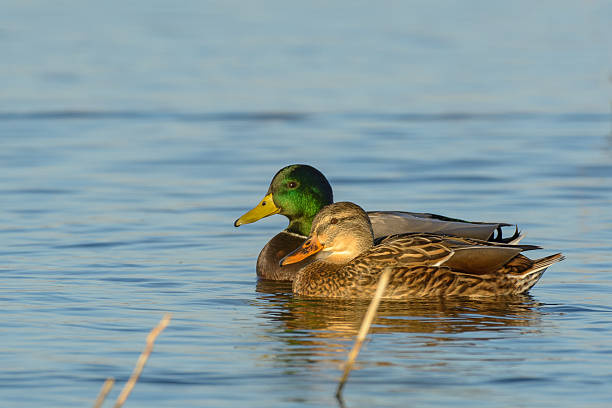
Selecting the ideal duck breed for a first-time keeper is a critical decision that impacts the health, productivity, and overall success of duck-keeping. Ducks vary widely in temperament, egg-laying capacity, meat quality, and adaptability to different climates. For instance, a high-yield egg layer like the Campbell might suit small-scale farms, while the hardy Khaki Campbell thrives in wetlands. Understanding breed-specific needs—such as space requirements for Muscovy Ducks or the social behavior of Pekins—ensures harmony between keeper and fowl. This guide explores key factors in breed selection, common health risks, and practical care strategies to empower new keepers.
Causes of Common Duck Diseases
Ducks, like all livestock, face health challenges influenced by environmental, nutritional, and infectious factors:
- Poor Nutrition
Deficiencies in protein, calcium, or vitamins (e.g., niacin) weaken immune systems and cause growth issues. Overfeeding or imbalanced rations may lead to obesity, particularly in fast-growing breeds like Pekins. - Environmental Stressors
Wet, muddy conditions promote bacterial infections (e.g., E. coli). Extreme temperatures, both hot and cold, can stress ducks, reducing their ability to fight disease. - Pathogenic Infections
Pathogens such as Avian Influenza, Duck Viral Enteritis (DVE), and Mycoplasma are transmissible via contaminated water, feed, or contact with wild birds. - Parasites
Internal parasites (e.g., coccidia, worms) and external mites or lice thrive in unhygienic environments, causing anemia, weight loss, and dermatitis. - Trauma
Injuries from over拥挤或 improper housing can lead to infections or lameness, particularly in flightless breeds like Muscovies.
Signs and Symptoms of Duck Illnesses
Early detection is vital for effective treatment. Watch for these signs:
- Respiratory Issues: Sneezing, nasal discharge, or rales (noisy breathing) may indicate avian influenza or chronic respiratory disease.
- Digestive Problems: Diarrhea, vomiting, or regurgitation (common in E. coli infections).
- Lethargy and Appetite Loss: Often signal systemic infections or viral diseases like DVE.
- Physical Abnormalities: Swollen joints (arthritis), drooping wings, or feather loss (due to mites).
- Egg Production Drop: Sudden decline may indicate disease or stress in laying breeds.
Duck Breeds at Risk and Vulnerabilities
1. Pekin Ducks
- Risk: Rapid growth leads to leg deformities and osteoporosis.
- Explanation: Bred for meat, their accelerated development strains bones and joints. Poor footing or overcrowding exacerbates lameness.
2. Muscovy Ducks
- Risk: Susceptible to infectious sinusitis and respiratory infections.
- Explanation: Flightless breeds like Muscovies lack natural defenses against airborne pathogens. Their terrestrial habits also increase exposure to ground-borne bacteria.
3. Khaki Campbell
- Risk: Vulnerable to egg-yolk peritonitis due to high egg production.
- Explanation: This breed lays 200–300 eggs annually, increasing the risk of oviduct infections or egg binding.
4. Buff Ducks
- Risk: Feather loss from mites in humid climates.
- Explanation: Their plush plumage traps moisture, creating ideal habitats for parasites.
5. Indian Runner Ducks
- Risk: Heat stress in warm climates.
- Explanation: Their compact body and upright posture make thermoregulation challenging.
Lifestage-Specific Health Concerns
- Ducklings (0–12 Weeks):
Vulnerable to yolk sac disease, coccidiosis, and nutritional deficiencies. Proper starter feed and warmth are critical. - Juvenile Ducks (3–6 Months):
High-risk period for leg issues in meat breeds and feather development disorders. - Egg-Laying Ducks (6+ Months):
Requires calcium-rich feed to prevent egg-yolk peritonitis and soft-shelled eggs. - Breeding Stock:
Reproductive tract infections or fertility issues may arise without proper dietary support.
Diagnosing Duck Health Issues
Accurate diagnosis combines clinical observation and diagnostic tests:
- Physical Examination:
Check for weight loss, lesions, or abnormal secretions. - Lab Tests:
- Fecal Exams: Detect parasites (e.g., coccidia, worms).
- Blood Work: Identify anemia, infections, or nutrient deficiencies.
- Imaging:
Radiographs can diagnose bone fractures or tumors. - Consult a Veterinarian:
For complex cases (e.g., viral infections), professional expertise is essential.
Treatment Options for Common Duck Diseases
- Bacterial Infections
- Treatment: Broad-spectrum antibiotics (e.g., amoxicillin).
- Prognosis: Good if caught early; poor if sepsis develops.
- Parasitic Infestations
- Treatment: Deworming (fenbendazole) and mite sprays (pyrethrin).
- Prognosis: High with consistent treatment.
- Nutritional Deficiencies
- Treatment: Supplemental vitamins/minerals (e.g., niacin for leg issues).
- Prognosis: Full recovery with corrected diet.
- Viral Diseases
- Treatment: Supportive care (electrolytes, warmth).
- Prognosis: Variable; preventable with vaccines.
Complications of Untreated Duck Diseases
Neglect can lead to:
- Chronic Illness: Persistent respiratory infections or arthritis.
- Secondary Infections: Bacterial overgrowth following viral assaults.
- Mortality: Severe cases of DVE or avian flu can decimate flocks within days.
- Economic Loss: Reduced egg production or meat quality in commercial setups.
Preventive Measures for Healthy Ducks
- Vaccinations:
Administer vaccines for DVE and avian influenza post-dawn. - Biosecurity:
Isolate new ducks for 30 days and avoid shared equipment. - Hygiene:
Clean feeders and waterers daily to prevent pathogen buildup. - Sanitation:
Disinfect coops weekly and rotate bedding materials. - Regular Health Checks:
Monitor for early signs of illness and provide prompt care.
Diet and Nutrition for Ducks
A balanced diet supports immunity and productivity:
- Starter Feed (0–12 Weeks): 20–22% protein for growth.
- Layer Feed (Over 6 Months): 16–18% protein with added calcium (4–5% in shell grit).
- Supplements:
- Grit for digestion.
- Fresh greens (lettuce, sprouts) for fiber.
- Oyster shell for calcium in laying ducks.
Commercial vs. Homemade Feed: Commercial feeds offer convenience, while homemade blends allow customization for specific needs.
Zoonotic Risks and Human Health
Ducks can transmit diseases to humans, primarily through poor hygiene. Key risks include:
- Salmonellosis: Prevention via handwashing and avoiding cross-contamination.
- Avian Influenza: Use protective gear when handling sick ducks.
Prevention Tips:
- Wash hands rigorously after handling ducks or cleaning coops.
- Avoid contact with wild birds.
- Clean and disinfect tools after each use.
Conclusion: Making Informed Choices for Duck Keepers
Choosing the right duck breed and implementing proactive health strategies ensures a thriving flock. New keepers should prioritize breed compatibility with their environment, invest in quality nutrition, and stay vigilant for disease. By understanding breed-specific vulnerabilities and adopting preventive care, duck keepers—whether raising ducks for eggs, meat, or companionship—can foster healthy, productive lives for their feathered friends.
#DuckKeepingTips, #BackyardDucks, #DuckFarming, #PoultryHealth, #DuckBreeds, #DuckCare, #HomesteadPoultry, #DuckNutrition, #DuckVaccinations, #DuckRearing, #DuckHealth, #EggLayerDucks, #DuckFarming101, #DuckBreedGuide, #DuckKeeping, #DuckHusbandry, #DuckDiseases, #DuckHealthTips, #DuckKeepingLife, #DuckEggProduction
Add comment