
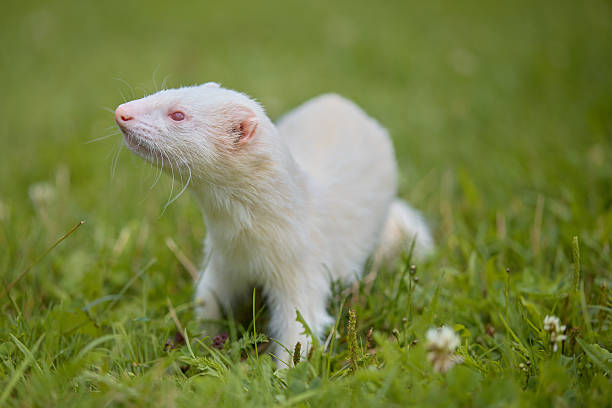
Choosing to bring a ferret into your home is an exciting prospect, but it’s a decision that requires meticulous research, genuine commitment, and a deep understanding of what these unique creatures entail. Often misunderstood, ferrets are not rodents, but rather members of the Mustelid family, sharing kinship with weasels, otters, and badgers. Their playful antics, curious nature, and affectionate personalities have endeared them to many, yet their specific needs often surprise unprepared owners. This comprehensive guide aims to equip prospective ferret owners with all the critical knowledge required to make an informed decision and ensure a happy, healthy life for their new companion.
1. Is a Ferret Right for You? Understanding the Commitment
Before you even begin to think about choosing a ferret, the most crucial step is to objectively assess whether a ferret is the right pet for your lifestyle, home, and budget. Ferrets are not low-maintenance pets, and their needs extend far beyond a simple cage and daily feeding.
1.1. The Time Commitment: An Active and Social Pet
Ferrets are highly intelligent and social animals that thrive on interaction. They require a significant time commitment daily.
- Out-of-Cage Playtime: Ferrets need a minimum of 2-4 hours of supervised out-of-cage playtime daily. This allows them to explore, exercise, and socialize. Confining them solely to a cage for extended periods can lead to boredom, stress, and behavioral issues.
- Interaction: They genuinely enjoy human interaction, whether it’s playing games, cuddling, or simply exploring a ferret-proofed room with you. If your schedule doesn’t permit this daily interaction, a ferret might not be the best fit.
- Lifespan: Ferrets typically live 6-10 years, sometimes longer. This represents a substantial long-term commitment, comparable to that of a cat or a small dog.
1.2. Financial Considerations: Beyond the Initial Purchase Price
The initial cost of a ferret is just the tip of the iceberg. Ferret ownership comes with significant ongoing expenses.
- Initial Setup Costs (Approx. $300-$800+):
- Ferret Price: $150-$400 (from a pet store, breeder, or rescue).
- Cage: A large, multi-level ferret-specific cage can range from $150-$400+. This is often the most significant upfront cost.
- Accessories: Food and water bowls, litter boxes, litter, bedding, hammocks, tunnels, enrichment toys, carrier, grooming supplies – easily another $100-$200.
- Ongoing Monthly Costs (Approx. $50-$150+):
- Food: High-quality ferret kibble is essential and can cost $20-$40 per month.
- Litter & Bedding: $10-$20 per month.
- Treats & Toys: $10-$30 per month.
- Veterinary Care (Variable, but significant): This is perhaps the most critical financial consideration.
- Initial Vet Visit: Within the first week of bringing your ferret home, a comprehensive check-up, deworming, and initial vaccinations (distemper) will cost $50-$150.
- Annual Check-ups & Vaccinations: $80-$150 annually.
- Emergency & Illness Care: Ferrets are prone to several expensive chronic diseases as they age, such as adrenal disease, insulinoma, and various cancers. Treatments can include medication, surgery, and specialized diagnostics (ultrasounds, biopsies), easily running into hundreds or even thousands of dollars. Pet insurance for ferrets is available and highly recommended to mitigate these potential costs.
1.3. Housing and Space Requirements: More Than Just a Cage
Ferrets require a dedicated and secure living space.
- Cage Size: The larger the cage, the better. Aim for a multi-level cage that provides ample space for sleeping, eating, playing, and a litter area. Minimum dimensions often recommended are 24″L x 24″W x 36″H for one ferret, but significantly larger is ideal, especially if you have multiple ferrets. Bar spacing should be no more than 1″ x 2″ to prevent escapes or injuries.
- Ferret-Proofing: When out of their cage, ferrets are intrepid explorers. They can squeeze through incredibly small gaps (any opening their head can fit through, their body can follow). You must thoroughly ferret-proof any area they have access to. This means:
- Blocking all holes, gaps, and crevices (behind appliances, under cabinets).
- Securing toxic substances (household cleaners, medications).
- Removing small objects they could ingest.
- Protecting electrical cords.
- Checking recliners, dishwashers, washing machines, and dryers before use, as ferrets love dark, cozy spaces.
- Securing houseplants (many are toxic).
- Temperature: Ferrets are sensitive to heat and can suffer from heatstroke at temperatures above 80°F (27°C). They are more comfortable in cooler environments (60-75°F / 15-24°C). If you live in a warm climate, air conditioning is a necessity, not a luxury.
1.4. Odor and Cleaning: The “Musky” Truth
Ferrets have a natural, distinct musky odor that is often a primary concern for prospective owners.
- Descenting: Most ferrets sold in pet stores are “descented,” meaning their anal glands have been removed. This procedure eliminates the skunk-like odor emitted when they are scared, but it does not eliminate their general body odor.
- Body Odor: Ferrets have sebaceous glands throughout their skin that produce oils, contributing to their characteristic musky smell. This smell can vary in intensity between individuals and genders (intact males smell strongest). Regular cage cleaning and frequent washing of bedding are crucial for odor management.
- Hygiene: Baths should be infrequent (no more than once a month, ideally every 2-3 months) as too-frequent bathing can dry out their skin and cause their glands to produce more oil, exacerbating the smell.
- Cleaning Routine: Daily spot cleaning of litter boxes, weekly washing of all bedding and hammocks, and monthly deep cleaning of the entire cage (scrubbing bars, shelves, and trays) are essential to prevent odor buildup.
1.5. Behavior and Personality: Playful, Sleepy, and Nipping
Ferrets have distinct personalities and behaviors that might be different from what you expect from a typical pet.
- Sleep: Ferrets sleep a lot – up to 75% of the day! When they’re awake, however, they are a burst of energy.
- Play: They love to play, wrestle, chase, and “ferret dance” (a bouncy, body-shaking display of excitement). Their play can be rough-and-tumble.
- Nipping: Young ferrets (kits) are often nippy or mouthy. This is a natural part of their play and exploration. Prospective owners must be prepared to patiently teach bite inhibition using consistent, positive reinforcement methods (e.g., scruffing, time-outs, bitter apple spray, saying “no”). They are not aggressive animals, but they do learn through play.
- Curiosity: Ferrets are incredibly curious. They will investigate every nook and cranny, often getting into mischief.
- Toilet Habits: While they can be litter trained, ferrets are not as fastidious as cats. They prefer to “go” in corners and may have accidents, especially if their litter box isn’t clean or easily accessible.
1.6. Compatibility with Other Pets and Children
- Other Ferrets: Ferrets are highly social and generally thrive in groups (business of ferrets). If your lifestyle allows, having two ferrets can provide them with companionship and enrichment, though it also doubles the costs and cleaning.
- Cats & Dogs: Many ferrets coexist peacefully with cats and certain dog breeds, especially if introduced carefully and supervised. However, ferrets are prey animals, and some dog breeds (terriers, hounds, hunting breeds) have high prey drives, which can make cohabitation dangerous. Always exercise extreme caution and never leave them unsupervised.
- Children: Ferrets can be wonderful pets for older, responsible children who understand how to handle them gently and appreciate their unique play style. Young children, however, may not grasp the need for gentle handling, and a ferret’s nip (even a playful one) can be startling or painful for a small child. Supervision is always essential.
1.7. Legality: Check Local Laws
Ferrets are illegal in some areas (e.g., California, Hawaii, New York City) and may require special permits in others. Always check your local and state regulations before acquiring a ferret. Ignorance of the law is not an excuse, and ferret ownership in prohibited areas can lead to your pet being confiscated or severe fines.
2. Where to Acquire Your First Ferret
Once you’ve determined that a ferret is a good fit for your life, the next step is deciding where to get one. Each source has its advantages and disadvantages.
2.1. Pet Stores
Most ferrets in pet stores in the U.S. come from large commercial breeding facilities like Marshall Farms.
- Pros: Readily available, often already spayed/neutered and descented, microchipped, and vaccinated against canine distemper. Younger kits are typically available.
- Cons: Less known background on individual ferrets. May be more expensive than rescues. Can sometimes be subjected to less-than-ideal conditions in large-scale operations or in the pet store itself, leading to shyness or stress. Early spay/neuter (common practice) can contribute to health issues like adrenal disease later in life.
2.2. Reputable Breeders
Hobby breeders focus on breeding for health, temperament, and genetic diversity. These are less common than pet store sources.
- Pros: You can often meet the ferret’s parents and see the conditions they are raised in. Breeders can offer extensive advice and support. Ferrets from reputable breeders may have a lower incidence of certain genetic health issues. They are often socialized from a young age.
- Cons: Can be harder to find. May be more expensive. Ferrets may not be descented or spayed/neutered upon purchase, requiring you to arrange these procedures.
2.3. Ferret Rescues and Shelters
Rescues are an excellent option for giving a ferret a second chance.
- Pros: You’re providing a home to an animal in need. Rescue organizations often have a thorough understanding of each ferret’s personality and health history (if known). Ferrets are typically spayed/neutered, descented, and up-to-date on vaccinations. Many rescued ferrets are already litter trained and socialized. Adult ferrets can be calmer than kits. The adoption fee is usually lower than pet store prices.
- Cons: Limited availability of kits. Some rescued ferrets may come with unknown health issues or behavioral challenges due to past neglect or abuse, requiring extra patience and care.
2.4. Avoiding Unethical Sources
Never purchase a ferret from online classifieds, flea markets, or backyard breeders who cannot provide health records, allow you to see the living conditions, or offer any support. These sources often prioritize profit over animal welfare, leading to unhealthy or poorly socialized ferrets.
3. Choosing a Healthy Ferret: What to Look For
Once you’ve found a reputable source, it’s time to select your ferret. This requires careful observation of both physical and behavioral indicators. Spend time watching and interacting with the ferrets before making a decision.
3.1. Physical Health Indicators
A healthy ferret should be bright, alert, and curious.
- Eyes: Clear, bright, and free of discharge. Look for alertness, not dullness or squinting.
- Nose: Clean, slightly damp, and free of discharge or crusting.
- Ears: Clean and free of dark, waxy buildup (a sign of ear mites) or strong odor.
- Mouth and Teeth: Gums should be pink. Teeth should be clean, white/off-white, and intact. Avoid ferrets with brown or green buildup on their teeth, which suggests poor diet or dental hygiene. No excessive drooling.
- Coat and Skin: Fur should be soft, shiny, and full, without bald patches (unless it’s a seasonal coat blow). Skin should be supple, not dry, flaky, or red. Check for fleas (tiny black specks, flea dirt) or scabs.
- Body Condition: Should be well-muscled and have a healthy weight. Not too thin (ribs showing) or excessively fat. The ferret should move fluidly.
- Tail: Full and furry, not bald or thin.
- Paws: Clean, with nails of appropriate length.
- Anus and Genitals: Clean and free of swelling, redness, or discharge.
- Breathing: Quiet and effortless. Avoid ferrets with sneezing, coughing, wheezing, or labored breathing.
3.2. Behavioral Health Indicators
A healthy ferret should be engaging and active.
- Alertness and Curiosity: When awake, ferrets should be active, inquisitive, and exploring their environment.
- Playfulness: Look for ferrets that are wrestling with littermates, pouncing on toys, and engaging in “ferret dances.”
- Interaction with Humans: A healthy ferret should show curiosity towards you, sniff your fingers, and perhaps even attempt to play. While some shyness is normal initially, extreme fear or aggression can be a red flag.
- Avoiding Lethargy: Ferrets sleep a lot, but when they are awake, they should be energetic. A ferret that is constantly listless, withdrawn, or unwilling to engage may be ill.
- Avoiding Excessive Nipping/Aggression: While kits can be nippy, overly aggressive or fearful behavior that doesn’t subside with gentle interaction might indicate a poorly socialized or stressed ferret.
3.3. Age Considerations: Kit vs. Adult
- Kits (2-6 months old): Are full of energy, very playful, and highly impressionable. They require more patience for bite inhibition training and litter training but generally adapt quickly to new homes.
- Adults (6 months+): Often calmer, may already be litter-trained, and their personalities are more established. A rescue adult ferret can be a wonderful choice if you prefer a more predictable temperament.
3.4. Gender Considerations: Males vs. Females
- Males (Hobs): Typically larger and heavier than females. Intact males have a stronger musky odor. When neutered, their odor reduces significantly. They can be very affectionate and playful.
- Females (Jills): Generally smaller and more slender. Some owners report them being slightly more active. Intact females can enter estrus, which, if not bred or spayed, can lead to aplastic anemia – a life-threatening condition. Therefore, spaying is crucial for female ferrets.
3.5. Common Health Issues to Watch For (at the source)
While you’re not expected to diagnose, being aware of signs of common ferret ailments can help you avoid bringing home a sick animal.
- Adrenal Disease: Can be seen even in young ferrets, though more common in middle age. Symptoms include hair loss (especially on the tail and rump), swollen vulva in spayed females, and lethargy.
- Insulinoma: A pancreatic cancer that causes low blood sugar. Symptoms include lethargy, staring blankly, drooling, pawing at the mouth, and hind leg weakness.
- Dental Issues: Brown tartar buildup, broken teeth, or red gums indicate poor dental health.
- Ear Mites: Dark, crusty buildup in the ears and excessive scratching or head shaking.
- Fleas: Small black specks (flea dirt) or actual fleas visible on the skin or in the fur.
- Respiratory Infections: Sneezing, coughing, discharge from eyes or nose, labored breathing.
If you observe any of these signs, it’s best to choose another ferret or inquire extensively about the ferret’s health history and veterinary care.
4. Understanding Ferret Backgrounds
Knowing the common origins of ferrets can help you understand potential characteristics or predispositions.
4.1. Marshall Farms Ferrets
The vast majority of ferrets sold in pet stores in the U.S. come from Marshall Farms.
- Characteristics: These ferrets are typically vaccinated for distemper, descented, and surgically spayed/neutered at a young age (around 6 weeks). They usually come with a tattoo in one ear (two dots for males, one for females, plus a tattoo number).
- Pros: Convenient access, standardized care early on.
- Cons: Early spay/neuter can, for some ferrets, be a factor in the higher incidence of adrenal disease observed in Marshall ferrets later in life. Their genetic diversity might be limited compared to hobby breeders.
4.2. European/Hobby Breeder Ferrets
These ferrets are less common in the U.S. pet trade.
- Characteristics: Often come in a wider variety of colors and patterns. May not be descended or spayed/neutered when purchased, allowing owners to opt for chemical neutering (implants) which some believe reduces the risk of adrenal disease.
- Pros: Potentially healthier genetics, more diverse appearances, greater control over desexing methods.
- Cons: Harder to find, often more expensive, require owners to arrange necessary medical procedures.
4.3. Rescue Ferrets
These ferrets come from diverse backgrounds, often surrendered by previous owners or found as strays.
- Characteristics: Their history is often unknown. They can range from perfectly healthy and well-socialized to those with behavioral issues or chronic health problems requiring ongoing care.
- Pros: Giving a ferret a second chance, often already trained and socialized, lower adoption fees.
- Cons: Potential for unknown health or behavioral challenges.
5. Preparing Your Home for Your New Ferret
Bringing a ferret home is not a spontaneous act. Thorough preparation is essential for a smooth transition and a safe environment.
5.1. Cage Setup: The Ferret’s Sanctuary
- Size and Type: As mentioned, a large, multi-level cage (like a Ferret Nation or Critter Nation) is ideal. Ensure horizontal bar spacing of 1″x2″ or less.
- Location: Place the cage in a quiet, draft-free area, away from direct sunlight, noisy appliances, and extreme temperatures (heat vents, open windows).
- Bedding: Ferrets love to burrow and sleep in dark, cozy spaces. Provide soft bedding such as old t-shirts, towels, blankets, or dedicated ferret hammocks and sleep sacks. Avoid wood shavings (especially cedar or pine, which can cause respiratory issues) and dusty litters.
- Litter Box: Place a small litter box (or several) in a corner of the cage. Ferrets instinctively back into corners to relieve themselves. Use dust-free, paper-based pellets or recycled newspaper litter. Never use clumping cat litter as it can cause respiratory problems or internal blockages if ingested.
- Food and Water Bowls: Heavy ceramic bowls are ideal for food and water as they are difficult to tip over. A sipper bottle can also be used for water, but provide a bowl as well, as some ferrets prefer it, and bottles can get clogged.
- Toys: Provide a variety of ferret-safe toys. Tunnels (PVC pipes or flexible dryer hose), soft fabric toys (check for small, chewable parts), golf balls, and hard plastic toys are good options. Avoid toys with rubber or foam that can be ingested.
- Security: Ensure all cage doors and ramps are securely latched to prevent escapes.
5.2. Ferret-Proofing: A Mandatory Endeavor
This cannot be stressed enough. Ferrets are incredibly adept at getting into trouble.
- Electrical Cords: Cover or secure all electrical cords. Ferrets love to chew.
- Toxic Substances: Store all household cleaners, medications, pesticides, and other toxic chemicals in locked cabinets.
- Small Objects: Remove any small, ingestible objects from their play areas (buttons, magnets, rubber bands, earplugs, small toys). Ferrets are notorious for ingesting foreign objects, which can lead to life-threatening blockages.
- Gaps and Holes: Block all access to cabinets, behind appliances (refrigerators, stoves, washing machines), under furniture, and any holes in walls or floors. A ferret can squeeze through any opening their head can fit through.
- Recliners and Sofas: These are major hazards. Ferrets love to explore inside the mechanisms. Always check before sitting down or reclining.
- Plants: Remove or secure all houseplants, as many are toxic to ferrets.
- Windows and Doors: Ensure windows are securely closed and doors are not left ajar during playtime.
5.3. Food and Nutrition: The Carnivore’s Diet
Ferrets are obligate carnivores, meaning they require a diet very high in animal protein and fat, with very little fiber and no plant matter.
- High-Quality Kibble: The most important aspect of their diet. Choose a ferret-specific kibble with at least 30-40% animal protein, 18-30% fat, and low fiber (less than 3%). Avoid foods with corn, peas, or vegetable proteins as primary ingredients. Many quality brands exist, such as Totally Ferret, Wysong Ferret Epigen 90, or Zupreem Ferret Diet.
- Avoid Dog/Cat Food: Do not feed dog or cat food as they do not meet a ferret’s specific nutritional needs, even high-quality ones.
- Treats: Offer treats sparingly and ensure they are species-appropriate. Small pieces of cooked meat, meat baby food (without onion/garlic), or specific ferret treats are acceptable. Avoid sugary fruits, vegetables, dairy, or human snacks.
- Water: Fresh, clean water must be available at all times.
5.4. Essentials Checklist Before Bringing Your Ferret Home
- Large, multi-level ferret cage
- Food and water bowls (ceramic/stainless steel)
- Water bottle (optional, but good backup)
- High-quality ferret kibble
- Ferret-safe bedding (hammocks, sleep sacks, old t-shirts)
- Litter boxes (at least one for the cage, more for play areas)
- Ferrets-specific litter (paper-based pellets)
- Ferret-safe toys (tunnels, fabric toys, hard plastic toys)
- Carrier for vet visits
- Grooming supplies: nail clippers, ear cleaner, ferret-specific shampoo (for occasional baths)
- First aid kit (e.g., Pedialyte, styptic powder, Vetericyn spray)
- Ferreting-proofed play area
6. Bringing Your Ferret Home: The First Days
The first few days are critical for helping your new ferret adjust and bond with you.
6.1. Adjustment Period
- Quiet and Calm: Provide a quiet environment. Allow your ferret to explore its cage and get accustomed to its new surroundings without overwhelming it.
- Gentle Handling: Handle your ferret gently. Let it sniff you, and offer treats from your hand. Avoid sudden movements or loud noises.
- Patience: Your ferret may be shy or stressed initially. Give it time to settle in.
6.2. Initial Vet Visit
Schedule a comprehensive check-up with a ferret-savvy veterinarian within the first week of bringing your ferret home.
- Health Check: The vet will examine your ferret thoroughly, check for parasites, and discuss appropriate preventative care.
- Vaccinations: Discuss necessary vaccinations, especially canine distemper. Rabies vaccination is also often recommended or legally required.
- Microchipping: Highly recommended for identification.
- Spay/Neuter: If your ferret is not already spayed/neutered (common with breeder or rescue ferrets), discuss these procedures with your vet. For females, this is critical to prevent aplastic anemia.
- Diet and Care: Confirm your diet and care routine with the vet.
6.3. Socialization and Handling: Nipping and Bite Inhibition
Young ferrets, especially kits from pet stores, often nip as part of their play and exploration. This is not aggression but a natural behavior that needs to be redirected.
- Consistency is Key: Everyone in the household must use the same methods to teach bite inhibition.
- Scruffing: When a ferret nips too hard, gently scruff them by the loose skin on their neck. This mimics how their mother would correct them. Hold them for a few seconds, say “no,” and then put them down or give them a time-out in their cage for a few minutes.
- Bitter Apple Spray: You can spray your hands with a bitter-tasting pet deterrent.
- “No” and Redirection: A firm “no” followed by offering an appropriate chew toy can redirect their biting instincts.
- Positive Reinforcement: Reward gentle play and calm behavior with treats and praise.
- Never physically punish: Hitting or yelling will only make your ferret fearful and potentially more aggressive.
6.4. Litter Training
Ferrets are not as easily litter trained as cats, but they can learn.
- Corner Preference: Ferrets instinctively back into corners to eliminate. Place litter boxes in their preferred corners within the cage and in their play areas.
- Cleanliness: Keep litter boxes clean. Ferrets won’t use a dirty box.
- Correction: If you see your ferret attempting to eliminate outside the box, gently pick them up and place them in the litter box. Reward them with praise or a treat if they use the box.
- Accidents: Don’t get discouraged by accidents. Clean them thoroughly with an enzymatic cleaner to remove odors that might attract your ferret back to the same spot.
6.5. Introducing to Other Pets (If Applicable)
- Slow and Supervised: Always introduce new pets slowly and under strict supervision.
- Separation: Maintain separate living spaces initially.
- Scent Swapping: Exchange bedding or toys so they can get used to each other’s scent.
- Neutral Territory: Introduce them in a neutral, controlled environment.
- Prey Drive: Be particularly cautious with dog breeds known for high prey drives. Never leave a ferret unsupervised with a predatory animal.
7. Ongoing Care & Enrichment
Ferrets require consistent daily care and enrichment to thrive.
7.1. Daily Routine
- Feeding: Ensure fresh food and water are always available.
- Playtime: Provide 2-4 hours of supervised out-of-cage playtime.
- Litter Box Cleaning: Spot clean litter boxes daily.
- Interaction: Spend quality time interacting with your ferret.
7.2. Grooming
- Nail Trims: Trim nails every 2-4 weeks. Use cat nail clippers. Ferrets often sleep soundly, making it easier to trim them while they’re dozing.
- Ear Cleaning: Check ears weekly and clean with a vet-approved ear cleaner as needed (usually every 2-4 weeks) to prevent ear mites and wax buildup.
- Bathing: Bathe infrequently (every 2-3 months) using ferret-specific shampoo. Over-bathing strips natural oils and can exacerbate odor.
7.3. Mental & Physical Enrichment
- Toys: Rotate toys to keep them novel. Tunnels, crinkle balls, and fabric toys are favorites.
- Exploration: Allow supervised exploration of ferret-proofed rooms.
- Dig Boxes: A “dig box” filled with rice (uncooked, instant or minute rice only, not flavored), packing peanuts (biodegradable only), or plastic balls can provide excellent mental stimulation.
- New Experiences: Safely introduce new scents, sounds, and textures.
7.4. Dietary Management
- Consistent Diet: Stick to a high-quality ferret kibble. Sudden changes can upset their digestive system.
- Treats in Moderation: Treats should make up no more than 10% of their diet.
- Weight Monitoring: Regularly monitor your ferret’s weight and body condition.
7.5. Preventative Healthcare
- Annual Vet Checks: Essential for early detection of common ferret diseases. As ferrets age, semi-annual checks may be recommended.
- Vaccinations: Keep up-to-date on distemper and rabies vaccinations as recommended by your vet.
- Parasite Control: Discuss flea, tick, and heartworm prevention with your vet, especially if your ferret spends time outdoors (supervised only).
7.6. Recognizing Signs of Illness
Ferrets are masters at hiding illness until they are severely ill. Be vigilant for subtle changes:
- Lethargy or decreased activity
- Loss of appetite or weight loss
- Diarrhea or changes in stool consistency/color
- Vomiting
- Trouble breathing, coughing, sneezing
- Discharge from eyes, nose, or mouth
- Hair loss or skin changes
- Swelling or lumps
- Changes in urination (straining, increased frequency, blood)
- Excessive scratching or pawing at ears/mouth
- Any uncharacteristic behavior
If you notice any of these signs, contact your ferret veterinarian immediately. Early intervention is crucial for ferret health.
8. Common Misconceptions & Important Facts
- Not Rodents: Ferrets are Mustelids, not rodents. Their dietary and care needs are vastly different.
- Can be Litter Trained: While not perfect, they can be trained to use a litter box.
- Sleep a Lot: They are crepuscular, meaning most active at dawn and dusk, but sleep up to 75% of the day.
- Lifespan: Typically 6-10 years.
- Odor: Distinctive musky smell is natural and mostly managed by cleanliness, not bathing.
- Solitary vs. Social: While they can be housed alone with sufficient human interaction, many thrive with other ferrets.
- Not “Pocket Pets”: Despite their size, they require extensive housing, care, and enrichment.
Conclusion
Bringing a ferret into your life is a significant undertaking, demanding time, financial resources, patience, and a willingness to learn. They are not pets for everyone, but for those prepared to meet their unique needs, ferrets offer boundless joy, endless entertainment, and deep, affectionate bonds. By thoroughly researching their requirements, diligently preparing your home, and committing to their ongoing care, you can ensure your first ferret, and potentially many more, enjoys a long, healthy, and happy life as a cherished member of your family. The reward of their playful antics, curious exploration, and unique personalities will undoubtedly enrich your life in ways you never imagined.
#FerretCare, #FirstFerret, #FerretOwnership, #PetFerrets, #FerretsOfInstagram, #FerretLove, #MustelidLife, #FerretingAround, #FerretTips, #FerretHealth, #NewPetGuide, #ExoticPets, #FerretMom, #FerretDad, #FerretsRule, #FerretLife, #Ferreting, #FerretWorld, #FerretCommunity, #AdoptaFerret, #FerretFacts, #FerretVideo, #ChoosingAPet, #FerretsDaily





Add comment