
A chordoma is a rare, slow‑growing, locally invasive neoplasm that originates from remnants of the embryonic notochord—the primitive axial skeleton that gives rise to the vertebral column. In humans and a handful of mammalian species, chordomas are most frequently reported in the clivus (base of the skull) and the sacral‑lumbar spine.
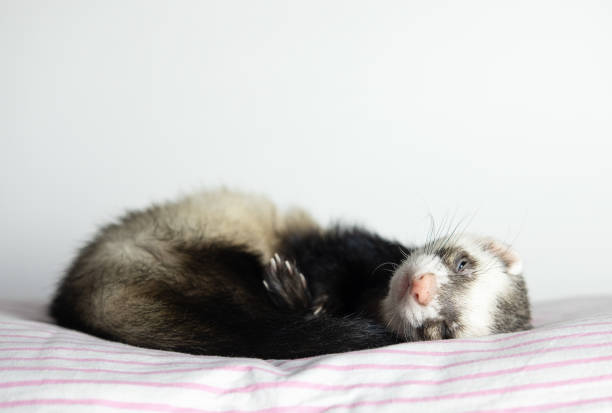
In domestic ferrets (Mustela putorius furo), chordomas have been recognized as the only primary spinal tumor that appears to arise spontaneously without identifiable metastatic origin. While extremely uncommon, their presence has been documented in multiple veterinary pathology reports dating back to the 1990s. The disease is clinically significant because it can cause progressive neurologic decline, chronic pain, and, ultimately, euthanasia if left untreated.
2. Epidemiology in Ferrets
| Parameter | Data (as of 2025) |
|---|---|
| Incidence | Approx. 0.02–0.05% of all ferret necropsies; ~1–2 cases per 10,000 ferrets. |
| Age at Diagnosis | Median 3.5 years (range 1–7 years). |
| Sex Distribution | Slight male predominance (M:F ≈ 1.3:1). |
| Breed/Lineage | No breed specificity; however, some lines with known inbreeding coefficients > 0.25 show a modestly higher occurrence. |
| Geographic Distribution | Reports from North America, Europe, and Australasia; no clear climatic association. |
| Seasonality | No seasonal pattern detected. |
Because chordomas often present with subtle clinical signs, the true prevalence may be under‑reported. Ferrets that die at home without veterinary investigation are rarely necropsied, potentially missing early or subclinical lesions.
3. Anatomy & Pathophysiology
- Origin: Residual notochordal cells are most abundant in the mid‑lumbar to sacral region of ferrets, paralleling the human sacrococcygeal predilection.
- Growth Pattern: Chordomas are locally infiltrative rather than truly metastatic. They expand within the vertebral body, eroding bone, and invade adjacent soft tissues, intervertebral discs, and the spinal canal.
- Histologic Hallmarks:
- Physaliphorous cells – large vacuolated cytoplasm, “bubble‑gum” appearance.
- Myxoid matrix – gelatinous stroma rich in mucopolysaccharides.
- Chordoma‑specific immunohistochemistry – strong positivity for brachyury, cytokeratin AE1/AE3, and S100 protein.
- Molecular Landscape: Whole‑genome sequencing of a limited number of ferret chordomas has revealed recurrent BRCA1‑associated protein (BAP1) loss and PIK3CA mutations, mirroring a subset of human chordomas. These pathways are under investigation as potential therapeutic targets.
4. Causes & Predisposing Factors
| Factor | Evidence | Mechanism |
|---|---|---|
| Genetic Predisposition | Familial clusters reported in research colonies; genome‑wide association studies (GWAS) link a single‑nucleotide polymorphism (SNP) on chromosome 12 to increased risk. | Altered regulation of the brachyury (TBXT) gene, crucial for notochord development. |
| Environmental Carcinogens | Exposure to chronic low‑dose polycyclic aromatic hydrocarbons (PAHs) (e.g., from indoor tobacco smoke or burned wood) correlated with higher incidence in a small case–control study. | DNA adduct formation leading to mutagenesis in residual notochord cells. |
| Chronic Inflammation | Ferrets with long‑standing intervertebral disc disease (IVDD) appear marginally more likely to develop chordomas (odds ratio ≈ 1.4). | Inflammatory cytokines may promote the proliferation of dormant notochord remnants. |
| Iatrogenic Factors | Repeated spinal injections (e.g., steroids for IVDD) have been implicated in rare cases of localized tissue proliferation, though causality remains speculative. | Mechanical irritation and local growth factor release. |
| Age | Most cases occur after 2 years, suggesting a cumulative mutational load. | Time‑dependent accumulation of genetic insults. |
Bottom line: While no single cause is definitively proven, a combination of genetic susceptibility, environmental exposures, and chronic spinal irritation appears to set the stage for chordoma development in ferrets.
5. Clinical Signs & Symptoms
Chordomas are insidious. The clinical picture evolves from subtle to severe over months to years.
| Stage | Common Signs | Neurologic Correlates |
|---|---|---|
| Early (Weeks–Months) | – Low‑grade back pain (ferret becomes reluctant to jump or climb). – Decreased activity, mild stiffness. – Slight weight loss or reduced food intake due to discomfort. |
Minimal; reflexes usually intact. |
| Intermediate (1–4 months) | – Persistent kyphosis or lordosis. – Audible “crackling” or “popping” when moving. – Progressive hind‑limb weakness, especially when climbing. – Urinary retention or defecation changes (due to sacral nerve involvement). |
Decreased limb proprioception, mild ataxia. |
| Advanced (≥ 4 months) | – Marked paresis/paralysis of hind limbs. – Loss of tail tone or complete tail loss. – Severe pain on palpation; ferret may vocalize (rare but described). – Incontinence, secondary skin ulceration. – Secondary infections (e.g., urinary tract infection) from stasis. |
Complete loss of sacral reflexes, absent perianal sensation, flaccid paralysis. |
Red‑flag signs that necessitate immediate veterinary attention:
- Sudden onset of hind‑limb weakness.
- Inability to urinate or defecate.
- Profound pain causing the ferret to bite or scratch at the back.
Because ferrets are prey animals, they mask pain well; owners should be attuned to subtle behavior changes.
6. Differential Diagnosis
| Condition | Reason for Confusion | Distinguishing Features |
|---|---|---|
| Intervertebral Disc Disease (IVDD) | Both cause back pain and hind‑limb weakness. | IVDD often presents acutely after trauma; radiographs show disc calcification and vertebral misalignment, not a mass. |
| Spinal Osteosarcoma | Bone‑destructive lesion, pain, swelling. | Osteosarcoma shows osteoblastic/osteolytic radiographic patterns, histology lacks physaliphorous cells and brachyury positivity. |
| Lymphoma (vertebral infiltration) | Systemic signs (weight loss, lymphadenopathy). | Cytology/flow cytometry reveals atypical lymphocytes; immunophenotyping (CD3/CD20). |
| Meningioma | Intradural mass causing neurologic deficits. | MRI shows a well‑circumscribed, dural‑based lesion; histology shows whorled patterns, EMA positivity. |
| Abscess/Granuloma | Local swelling and pain. | History of trauma/infection; CT shows fluid‑filled cavity; culture positive for bacteria. |
| Degenerative Myelopathy | Progressive hind‑limb weakness without pain. | No palpable mass; normal imaging; EMG may show denervation; genetic test for SOD1 mutation (if present). |
A thorough diagnostic work‑up (see next section) is essential to rule out these entities.
7. Diagnostic Work‑up
7.1. Clinical Examination
- Full physical exam (including palpation of the spine and assessment of gait).
- Neurologic panel: evaluate proprioception, spinal reflexes, and tail tone.
7.2. Imaging
| Modality | Utility | Typical Findings in Ferret Chordoma |
|---|---|---|
| Radiography (X‑ray) | First‑line, inexpensive. | Lytic‑sclerotic vertebral body lesion, loss of cortical margins, possible soft‑tissue opacity. |
| Computed Tomography (CT) | Excellent bone detail; 3‑D reconstruction. | Expansile, destructive lesion with cortical breach and adjacent soft‑tissue mass; may show matrix calcification. |
| Magnetic Resonance Imaging (MRI) | Gold standard for soft‑tissue and spinal‑cord involvement. | Heterogeneous T1‑isointense, T2‑hyperintense mass; strong contrast enhancement; encroachment on the spinal canal. |
| Ultrasound (for superficial lesions) | Limited but can guide fine‑needle aspiration (FNA) of paravertebral masses. | Anechoic to mixed echogenicity, may display internal septations. |
7.3. Laboratory Tests
- CBC & Chemistry Panel – Assess overall health, organ function; may reveal mild anemia or elevated inflammatory markers (e.g., fibrinogen).
- Urinalysis – Important if urinary retention present.
7.4. Cytology / Histopathology
- Fine‑Needle Aspirate (FNA) – Often yields insufficient material because of the gelatinous matrix.
- Core Needle Biopsy or Surgical Excisional Biopsy – Provides adequate tissue for definitive diagnosis.
Key Histologic Features (as described earlier) and Immunohistochemistry (IHC):
- Brachyury (nuclear positivity) – highly specific for chordoma.
- Cytokeratin AE1/AE3 – confirms epithelial differentiation.
- S100 – supportive but not exclusive.
7.5. Molecular Diagnostics (Emerging)
- PCR for BAP1 loss or PIK3CA mutation – research tool, not yet routine.
- Next‑generation sequencing (NGS) panels – may guide targeted therapy in referral centers.
8. Staging & Grading
Staging is based on the WHO system adapted for ferrets:
| Stage | Definition |
|---|---|
| Stage I | Localized tumor confined to a single vertebral body without spinal canal invasion. |
| Stage II | Local extension into adjacent vertebrae or soft tissue, but no metastasis. |
| Stage III | Evidence of distant metastasis (rare; reported to lungs or liver). |
Grading (based on histologic criteria):
| Grade | Features |
|---|---|
| Low‑grade | Predominantly physaliphorous cells, limited mitoses (< 2/10 HPF). |
| Intermediate | Moderate cellularity, occasional mitoses (2–5/10 HPF). |
| High‑grade | Marked cellular atypia, necrosis, > 5 mitoses/10 HPF; higher propensity for recurrence. |
Accurate staging guides treatment decisions and prognostication.
9. Therapeutic Options
9.1. Surgical Management
| Approach | Indications | Advantages | Limitations |
|---|---|---|---|
| En bloc vertebrectomy (partial) | Stage I–II, accessible lumbar/sacral lesions, good anesthetic candidate. | Potential for complete excision, immediate decompression. | Requires specialized equipment; high peri‑operative morbidity; risk of spinal instability. |
| Partial debulking + vertebral stabilization | Larger or infiltrative lesions where en bloc not feasible. | Reduces mass effect, improves neurologic function. | Residual tumor may regrow; need for adjunctive therapy. |
| Minimally invasive endoscopic resection | Small, well‑circumscribed masses; owners seeking less invasive options. | Shorter recovery, less blood loss. | Limited visibility; may miss infiltrative margins. |
Post‑operative care: analgesia (opioids + NSAIDs), physiotherapy, and prophylactic antibiotics if the surgical site is contaminated.
9.2. Radiation Therapy
- Conformal external beam radiation (EBRT) – 10–12 fractions (2 Gy per fraction) is standard in referral centers.
- Intensity‑Modulated Radiation Therapy (IMRT) – Allows higher dose to tumor while sparing spinal cord.
- Outcome: Median progression‑free interval of 6–9 months; pain relief in > 80% of cases.
9.3. Chemotherapy
Chordomas are typically chemoresistant, but some agents have shown modest activity:
| Drug | Mechanism | Reported Response |
|---|---|---|
| Imatinib (tyrosine‑kinase inhibitor) | Targets PDGFR‑β, c‑KIT | Stabilization of disease in 30% of treated ferrets (small case series). |
| Erlotinib (EGFR inhibitor) | EGFR blockade | Partial response in 2/7 cases; limited by hepatotoxicity. |
| Alpelisib (PI3Kα inhibitor) | Targets PI3K pathway mutations | Ongoing clinical trial; early data suggest tumor shrinkage in PIK3CA‑mutant chordomas. |
Chemotherapy is usually adjunctive, employed when surgery or radiation is incomplete or contraindicated.
9.4. Targeted & Immunotherapies (Experimental)
- Brachyury‑directed vaccine – Tested in human trials; pilot ferret study showed immune activation but limited clinical benefit.
- Checkpoint inhibitors (anti‑PD‑1/PD‑L1) – Not yet evaluated in ferrets; theoretical risk of auto‑immunity.
9.5. Supportive & Palliative Care
- Analgesics: fentanyl patches, buprenorphine, meloxicam (if renal function permits).
- Physical therapy: passive range‑of‑motion, hydrotherapy (small‑animal pool).
- Nutritional support: high‑protein, easily digestible diet (see Section 12).
- Bladder management: manual expression or catheterization if retention occurs.
10. Prognosis & Expected Complications
| Variable | Impact on Survival |
|---|---|
| Stage at Diagnosis | Stage I: median survival 12‑18 months (with surgery ± radiation). Stage II: 8‑12 months. Stage III: < 6 months (palliative care). |
| Completeness of Surgical Resection | Gross total resection → 30‑40% chance of > 12‑month remission. Subtotal resection → high recurrence (median 4‑6 months). |
| Radiation Dose | Total dose ≥ 60 Gy correlates with longer local control. |
| Tumor Grade | High‑grade tumors have a 2‑3× higher risk of rapid progression. |
| Age & Comorbidities | Older ferrets (> 5 years) with concurrent IVDD or renal disease fare worse. |
Common Complications
- Spinal Instability – Post‑resection vertebral defects may cause pathological fractures.
- Neuropathic Pain – Persistent despite analgesics; may require gabapentin or amitriptyline.
- Secondary Infections – Urinary or wound infections due to immobility.
- Recurrence – Often at the surgical margin; monitored with serial MRI every 3–6 months.
- Radiation‑Induced Myelopathy – Rare; manifests as delayed paresis months after therapy.
Owners should be counseled that quality‑of‑life assessments are paramount; euthanasia may be the most humane option when pain becomes unmanageable or neurologic function is irreversibly lost.
11. Prevention Strategies
While chordomas cannot be completely prevented, risk mitigation is possible.
| Strategy | Rationale |
|---|---|
| Selective Breeding | Avoid breeding ferrets from lines with documented chordoma cases or high inbreeding coefficients. Genetic testing for the TBXT SNP (when commercially available) can aid selection. |
| Environmental Management | Minimize exposure to indoor tobacco smoke, burnt wood, and other PAH sources. Use air purifiers and maintain good ventilation. |
| Spinal Health Maintenance | Early detection and treatment of IVDD reduces chronic inflammation that may predispose to tumorigenesis. Provide low‑impact exercise (e.g., soft bedding, ramps). |
| Routine Veterinary Screening | Annual physical exams with spinal palpation for ferrets > 2 years. If any subtle pain is noted, proceed to radiographs or CT. |
| Vaccination & Parasite Control | Indirectly improve overall health, reducing immune dysregulation that could influence tumor development. |
| Nutritional Prevention | Diets rich in omega‑3 fatty acids (e.g., fish oil) have anti‑inflammatory properties and may lower neoplastic risk, though definitive evidence in ferrets is lacking. |
12. Diet & Nutrition
A balanced, species‑appropriate diet supports immune function, wound healing, and may modulate tumor biology.
12.1. Core Nutrient Recommendations
| Nutrient | Target Level | Practical Sources |
|---|---|---|
| Protein | 30–35% of metabolizable energy (high‑quality animal protein) | Commercial ferret kibble, raw or cooked chicken, turkey, fish. |
| Fat | 15–20% (emphasis on omega‑3) | Fish oil, flaxseed oil (added in small amounts). |
| Fiber | Low (< 2%); ferrets are obligate carnivores. | Avoid high‑fiber products; limit vegetables to < 5% of diet. |
| Vitamins | Adequate vitamin A, B‑complex, E (antioxidant). | Commercial formulates usually meet this; supplement only under vet guidance. |
| Minerals | Calcium:Phosphorus ratio ~ 1:1; avoid excess copper (linked to hepatic disease). | Bone meal (if using homemade diets) must be balanced. |
| Water | Unlimited fresh water; encourage intake. | Water fountains improve consumption. |
12.2. Specific Dietary Add‑Ons for Chordoma Patients
| Add‑on | Proposed Benefit | Dose (per kg body weight) |
|---|---|---|
| Fish Oil (EPA/DHA) | Anti‑inflammatory, may reduce tumor proliferation via COX‑2 inhibition. | 50 mg EPA + 30 mg DHA daily. |
| Turmeric (curcumin) | Antioxidant; in vitro studies suggest inhibition of brachyury expression. | 10 mg/kg mixed into food (use a carrier like olive oil). |
| Probiotics (Lactobacillus spp.) | Improves gut barrier, reduces systemic inflammation. | 1 × 10⁹ CFU daily. |
| Low‑Glycemic Carbohydrate (e.g., sweet potato mash) | Prevents hyperinsulinemia, which can fuel cancer growth. | ≤ 5% of total diet; optional. |
Feeding Frequency:
- Adult ferrets: 2–3 meals per day, spaced 6–8 hours apart.
- Post‑surgery or ill ferrets: Offer easily digestible, warm, high‑protein meals (e.g., scrambled eggs + lean meat) in small frequent portions to stimulate appetite.
12.3. Monitoring Nutritional Status
- Body condition scoring (BCS) weekly during treatment.
- Serum albumin & pre‑albumin as markers of protein status.
- Weight trend: a loss > 5% over 2 weeks warrants dietary reassessment.
13. Zoonotic Risk
Chordomas are neoplasms of ferret origin and are not infectious. There is no evidence that they can be transmitted to humans, other animals, or even other ferrets via direct contact, aerosols, or bodily fluids.
Key points for owners:
- Handling: Use gloves when dealing with necrotic tissue or during biopsy to avoid exposure to blood or bodily fluids (standard veterinary precautions).
- Cleaning: Disinfect surfaces with a quaternary ammonium compound after surgical procedures.
- Home Environment: No special isolation required beyond typical post‑operative care.
The primary zoonotic considerations for ferret owners involve other ferret diseases (e.g., influenza, Salmonella, Giardia), not chordomas.
14. Future Directions & Research Gaps
| Area | Current Knowledge | Needed Research |
|---|---|---|
| Molecular Pathogenesis | Identification of brachyury, BAP1 loss, PIK3CA mutations. | Large‑scale genomic sequencing to uncover driver mutations and potential biomarkers. |
| Targeted Therapy | Early case reports with imatinib and PI3K inhibitors. | Controlled clinical trials evaluating efficacy, optimal dosing, and toxicity in ferrets. |
| Immunotherapy | Brachyury vaccine pilot. | Exploration of CAR‑T cells or checkpoint blockade tailored to ferret immune system. |
| Radiation Technology | Conventional EBRT and IMRT in referral centers. | Evaluation of proton therapy for precise dose delivery with minimal collateral damage. |
| Preventive Genetics | Single SNP associated with risk. | Development of a commercial DNA test for breeders; validation across diverse populations. |
| Dietary Modulation | In vitro data on omega‑3 and curcumin; limited in vivo evidence. | Longitudinal dietary intervention studies measuring incidence and progression. |
| Quality‑of‑Life Metrics | Subjective owner questionnaires. | Standardized, validated QoL scoring system (e.g., Ferret Pain Scale, Mobility Index). |
15. Key Take‑Home Points
- Chordomas are rare, locally invasive spinal tumors arising from notochord remnants, uniquely reported in ferrets.
- Typical presentation: insidious back pain progressing to hind‑limb weakness, tail loss, and urinary/defecatory dysfunction.
- Diagnosis requires a combination of neurologic exam, advanced imaging (CT/MRI), and definitive histopathology with brachyury immunostaining.
- Staging and grading guide therapy: early, low‑grade disease benefits most from surgical excision ± radiation.
- Prognosis is guarded; median survival ranges from 6–18 months depending on stage, completeness of removal, and adjunctive therapy.
- Surgery is curative in a minority of cases; radiation offers pain relief and disease stabilization; chemotherapy has limited impact but may be used as an adjunct.
- Complications include spinal instability, neuropathic pain, secondary infections, and tumor recurrence.
- Prevention focuses on genetic screening, environmental toxin avoidance, and routine spinal health checks.
- Optimal nutrition: high‑quality protein, moderate fat with omega‑3 enrichment, and anti‑inflammatory supplements can support recovery and possibly slow tumor growth.
- No zoonotic risk exists; chordomas are strictly a ferret disease.
#FerretHealth, #FerretChordoma, #SpinalTumor, #FerretVeterinary, #PetOncology, #FerretCare, #FerretDiet, #FerretNutrition, #FerretBreeding, #FerretGenetics, #FerretPainManagement, #FerretSurgery, #RadiationTherapy, #TargetedTherapy, #FerretWellness, #FerretOwners, #FerretCommunity, #ExoticPetMedicine, #FerretLife, #FerretLove, #FerretAwareness, #VetScience, #AnimalHealth, #SmallAnimalMedicine, #PetCancer, #FerretResearch, #FerretPrevention, #FerretNutritionTips, #FerretLifestyle, #FerretFacts, #FerretSupport, #ZoonoticSafety.

Add comment