
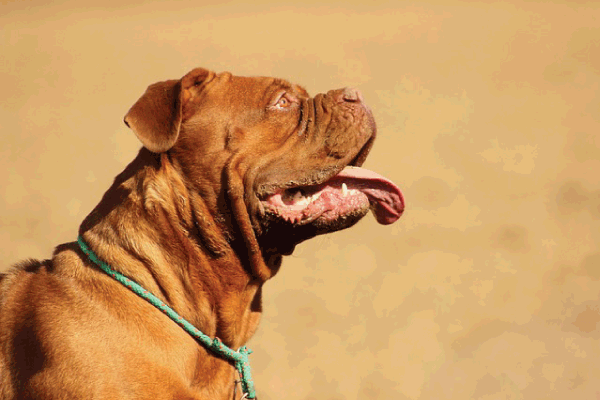
The Persistent Itch: A Comprehensive Guide to Chronic Ear Infections in Dogs
Few things are more heartbreaking for a dog owner than to see their beloved companion in discomfort. And when that discomfort manifests as chronic ear infections, it can be a frustrating and persistent battle for both pet and owner. These recurring or long-standing infections aren’t just a minor nuisance; they can significantly impact a dog’s quality of life, leading to pain, behavioral changes, and even more serious health issues.
This comprehensive guide will delve deep into the world of chronic ear infections in dogs, offering an in-depth exploration of their causes, the tell-tale signs and symptoms, how they are diagnosed, the various treatment approaches, what to expect regarding prognosis and potential complications, crucial prevention strategies, and the vital role of diet and nutrition in managing these persistent issues.
Understanding the Canine Ear: A Complex Structure
Before we can truly understand ear infections, it’s essential to appreciate the unique anatomy of a dog’s ear. Unlike human ears, a dog’s ear canal is L-shaped, meaning it has a vertical and horizontal component. This structure creates a warm, dark, and often moist environment, which, while perfectly suited for detecting subtle sounds, also makes it an ideal breeding ground for bacteria and yeast.
The ear canal is lined with glands that produce earwax (cerumen). This wax is a protective mechanism, trapping debris and foreign particles and helping to keep the ear canal clean and lubricated. However, when this delicate balance is disrupted, it can lead to problems.
Causes of Chronic Ear Infections: A Multifaceted Problem
Chronic ear infections in dogs rarely stem from a single cause. Instead, they are typically the result of a combination of underlying factors that create a fertile environment for infection to take hold and persist. Identifying and addressing these root causes is paramount to successful treatment and prevention.
1. Allergies: The Most Common Culprit
Allergies are by far the most common underlying cause of chronic ear infections in dogs. When a dog’s immune system overreacts to environmental allergens (like pollen, dust mites, or mold) or food ingredients (like certain proteins or grains), it triggers a systemic inflammatory response. This inflammation can manifest in various ways, but a significant portion of allergic dogs will experience ear inflammation.
- Atopic Dermatitis (Environmental Allergies): This is a genetic predisposition to developing allergies from inhaled or absorbed environmental allergens. The inflammation in the ear canal leads to increased wax production, changes in the ear canal’s pH, and a weakened defense against opportunistic pathogens.
- Food Allergies/Intolerances: Reactions to specific food ingredients can also cause generalized inflammation, including in the ear canals. These allergies often manifest with skin and ear issues, alongside gastrointestinal signs.
2. Anatomical Predispositions:
Certain breeds are genetically predisposed to developing ear issues due to their ear canal structure:
- Floppy-Eared Breeds: Breeds like Cocker Spaniels, Basset Hounds, and Beagles have long, pendulous ears that cover the ear canal opening. This lack of ventilation traps moisture and heat, creating an ideal environment for infections.
- Narrow Ear Canals: Some breeds, such as Shar-Peis, have very narrow ear canals, making them more prone to obstruction and poor airflow, which can lead to chronic infections.
3. Moisture and Humidity:
Excessive moisture is a significant contributing factor to ear infections.
- Swimming and Bathing: Dogs that swim frequently or have their ears exposed to water during baths can develop infections if the ears are not thoroughly dried afterward.
- Humid Climates: Dogs living in humid environments are generally more susceptible to skin and ear issues, including infections.
4. Parasites:
While less common as a sole cause of chronic infections, ear mites can initiate an inflammatory response that makes the ear more susceptible to secondary bacterial and yeast infections.
- Ear Mites (Otodectes cynotis): These tiny parasites live in the ear canal and feed on earwax and skin oils. Their presence causes intense itching and irritation, leading to scratching and further inflammation.
5. Bacterial and Yeast Overgrowth:
The dog’s ear canal naturally harbors a population of bacteria (like Staphylococcus and Pseudomonas) and yeast (Malassezia pachydermatis). In a healthy ear, these microorganisms are kept in check. However, when the ear environment is altered due to allergies, moisture, or anatomical issues, these organisms can multiply rapidly, leading to infection.
- Secondary Infections: Often, the primary cause (like allergies) creates an environment where these normal inhabitants become pathogenic.
6. Foreign Bodies:
Occasionally, a foreign object can become lodged in the ear canal, causing irritation and inflammation that leads to infection. This could be anything from a grass seed to a small piece of debris. While usually acute, if not addressed, it can contribute to chronic issues.
7. Underlying Medical Conditions:
Less commonly, other medical conditions can contribute to chronic ear infections:
- Hypothyroidism: A poorly functioning thyroid gland can lead to skin and coat changes, including changes in the ear canal, making it more prone to infection.
- Immune-Deficiency Disorders: A compromised immune system can make a dog more susceptible to recurrent infections of all kinds.
Signs and Symptoms of Chronic Ear Infections: Recognizing the Distress
Chronic ear infections can develop subtly and persist for a long time, often with waxing and waning symptoms. Owners may become accustomed to certain behaviors, not realizing they are indicators of ongoing discomfort. Recognizing these signs is crucial for timely intervention.
Common Signs and Symptoms:
- Head Shaking: This is a classic sign of ear discomfort. Dogs shake their heads to try and dislodge irritants or relieve pressure.
- Ear Scratching: Persistent scratching, pawing at the ears, or rubbing the ears on furniture or the floor is a strong indicator of itching and irritation.
- Ear Odor: A foul, yeasty, or “corn-chip” like smell emanating from the ear is a hallmark of a chronic infection, particularly yeast overgrowth.
- Discharge: While occasional clear or light-colored discharge might be normal, chronic infections often produce thicker, darker, or even pus-like discharge. The color can vary from brown to yellow or greenish.
- Redness and Inflammation: The inside of the ear flap and the visible part of the ear canal may appear red, swollen, and inflamed.
- Pain and Sensitivity: Dogs may flinch, yelp, or become aggressive when their ears are touched or even when approached. They might resist having their ears examined or cleaned.
- Whining or Vocalization: Some dogs will vocalize their discomfort, especially when the ear is particularly painful.
- “Posting” the Ear: This refers to holding the ear in an abnormal position, often held to the side or slightly backward, as if trying to alleviate pressure or discomfort.
- Loss of Balance or Head Tilting: If the infection is severe and affects the middle or inner ear, it can lead to disorientation, loss of balance, and a persistent head tilt towards the affected side.
- Hearing Loss: Chronic inflammation and scarring of the ear canal can lead to partial or complete hearing loss over time.
- Behavioral Changes: Dogs experiencing chronic pain and discomfort may become lethargic, withdrawn, irritable, or even aggressive. They might be less playful and generally seem “off.”
- Thickened Ear Flaps (Aural Hematoma): Intense scratching and head shaking can cause blood vessels in the ear flap to rupture, leading to a swollen, fluid-filled pocket (aural hematoma). This is a painful complication that requires immediate veterinary attention.
It’s important to note that not all dogs will exhibit all these symptoms. Some may present with very subtle signs, especially if they have a high pain tolerance or have lived with the discomfort for a long time.
Diagnosis: Unraveling the Mystery of the Infection
Diagnosing chronic ear infections requires a thorough and systematic approach by a veterinarian. Simply looking at the ear is often not enough; a definitive diagnosis requires understanding the underlying cause.
1. History and Physical Examination:
The veterinarian will begin by taking a detailed history of your dog’s symptoms, including when they started, what they look like, any previous treatments, and your dog’s diet and lifestyle. A comprehensive physical exam will be performed, paying close attention to:
- External Ear: Looking for redness, swelling, discharge, debris, and any foreign bodies.
- Ear Canal: Gently palpating the ear to assess for sensitivity.
- Overall Skin Condition: Assessing for signs of generalized allergies or other skin issues.
2. Otoscopic Examination:
This is a critical step. The veterinarian will use an otoscope, a specialized instrument with a light and magnifying lens, to visualize the ear canal and tympanic membrane (eardrum). This allows them to:
- Assess the depth of the infection.
- Identify the presence of debris, discharge, foreign bodies, or growths.
- Check the integrity of the eardrum. A ruptured eardrum can significantly alter treatment protocols.
3. Cytology (Ear Swabs):
This is perhaps the most crucial diagnostic tool for ear infections. A small sample of debris and discharge from the ear canal is collected, smeared onto a microscope slide, stained, and examined under a microscope. Cytology helps to identify:
- Bacteria: The type and abundance of bacteria present (e.g., cocci and rods).
- Yeast: The presence and quantity of Malassezia yeast.
- Inflammatory Cells: White blood cells, indicating an active infection.
- Other Debris: Wax, cellular material, etc.
4. Ear Swab Culture and Sensitivity Testing:
If the cytology suggests a bacterial infection, especially if it’s recurrent or not responding to initial treatment, a culture and sensitivity test may be recommended. A sterile swab of the discharge is sent to a laboratory to identify the specific type of bacteria and to determine which antibiotics are most effective against it.
5. Allergy Testing (If Allergies Suspected):
If allergies are suspected as the underlying cause, further diagnostic steps may be necessary:
- Food Elimination Trial: This involves feeding your dog a novel protein diet or a hydrolyzed protein diet for several weeks to see if ear symptoms improve. If they do, specific ingredients are carefully reintroduced to identify the culprit. This is the gold standard for diagnosing food allergies.
- Intradermal Skin Testing (Allergy Testing): This involves injecting small amounts of common allergens under the skin to see if a reaction occurs. This test is more commonly used for environmental allergies.
- Serum Allergy Testing: Blood tests can also be used to screen for environmental allergies, though they are generally considered less accurate than intradermal testing.
6. Radiographs (X-rays) or CT Scans:
In cases of chronic, severe infections, or if middle/inner ear involvement is suspected (e.g., due to neurological signs), imaging techniques like X-rays or CT scans may be used to evaluate the tympanic bullae and the deeper structures of the ear.
Treatment: A Multi-Pronged Approach to Healing
Treating chronic ear infections requires patience and a commitment to following your veterinarian’s recommendations. The goal is not only to clear the current infection but also to address the underlying cause to prevent recurrence.
1. Cleaning the Ear Canal:
Thorough cleaning is essential to remove debris, discharge, and excess wax, allowing topical medications to reach the infected tissues. Your veterinarian will recommend an appropriate ear cleaner based on the type of infection and the amount of debris.
- How to Clean: Gently fill the ear canal with the cleaner, massage the base of the ear for 20-30 seconds (you should hear a squishing sound), and then allow your dog to shake their head. Use cotton balls or gauze to gently wipe away debris from the visible parts of the ear. Never use cotton swabs (Q-tips) as they can push debris deeper into the canal or damage the eardrum.
2. Topical Medications:
Once the ear is clean, your veterinarian will prescribe topical medications tailored to the specific infection:
- Antibiotics: For bacterial infections, topical antibiotics are used to kill the bacteria.
- Antifungals: For yeast infections, topical antifungals are crucial.
- Anti-inflammatories/Steroids: These are often included in ear medications to reduce inflammation, swelling, and itching, providing immediate relief. They can be in the form of ear drops or ointments.
3. Oral Medications:
In more severe or persistent cases, oral medications may be necessary:
- Oral Antibiotics: If the infection is deep-seated or if there’s concern about systemic spread.
- Oral Antifungals: For widespread or deep yeast infections.
- Oral Steroids: In some cases of severe inflammation, a short course of oral steroids might be prescribed to quickly reduce inflammation.
- Anti-allergy Medications: If allergies are the underlying cause, medications like antihistamines, immunotherapy (allergy shots), or other allergy management drugs will be crucial.
4. Addressing Underlying Causes:
This is the cornerstone of managing chronic ear infections:
- Allergy Management: Strict adherence to a hypoallergenic diet, environmental allergen control, and appropriate allergy medications are vital.
- Parasite Control: If ear mites are present, specific ear drops or systemic medications will be prescribed. Regular parasite prevention is also important.
- Surgical Intervention (in severe cases): For dogs with severely damaged orstenotic (narrowed) ear canals that are unresponsive to medical management, a surgical procedure called a lateral ear canal resection or even a total ear canal ablation (TECA) may be considered. TECA is a more drastic surgery that removes the entire ear canal but can provide permanent relief from chronic pain and infection.
5. Follow-Up and Rechecks:
Chronic ear infections require diligent follow-up. Your veterinarian will likely schedule recheck appointments to:
- Perform otoscopic exams to assess healing.
- Take repeat cytology samples to ensure the infection has cleared.
- Adjust medication protocols as needed.
Important Note on Medication Use:
It is crucial to administer all medications exactly as prescribed by your veterinarian, even if symptoms seem to improve. Stopping treatment too early can lead to the infection returning and becoming more resistant to medication.
Prognosis & Complications: What to Expect and Potential Pitfalls
The prognosis for chronic ear infections in dogs varies greatly depending on the underlying cause, the severity of the infection, and the owner’s commitment to treatment.
Prognosis:
- Mild to Moderate Infections with Underlying Cause Identified: With consistent treatment and effective management of the underlying cause (e.g., allergies, moisture), many dogs can achieve long-term remission and live comfortable lives.
- Severe or Deep-Seated Infections: These can be more challenging to treat and may require longer courses of medication, potentially leading to permanent changes in the ear canal.
- Untreated or Poorly Managed Infections: These can lead to debilitating pain, irreversible damage, and a significant decrease in the dog’s quality of life.
Potential Complications:
If chronic ear infections are not adequately treated or managed, several complications can arise:
- Aural Hematoma: As mentioned earlier, intense scratching and head shaking can cause blood vessels to rupture within the ear flap, leading to a painful swelling that often requires surgical drainage and repair.
- Middle Ear Infections (Otitis Media): Untreated infections can spread deeper into the ear, affecting the middle ear. This can cause more severe pain, neurological signs (like head tilting, loss of balance, facial paralysis), and can even lead to eardrum rupture.
- Inner Ear Infections (Otitis Interna): The most severe form, affecting the inner ear structures responsible for balance and hearing. This can result in profound neurological signs.
- Eardrum Perforation: Chronic inflammation and infection can lead to the rupture of the eardrum, which can permanently impair hearing and increase the risk of further complications.
- Thickening and Scarring of the Ear Canal (Chronic Otitis Externa): Over time, repeated inflammation can cause the ear canal to thicken and narrow, making ventilation poor and creating a permanent predisposition to infections. This condition is often referred to as “end-stage ear disease.”
- Secondary Skin Issues: The constant itching and inflammation associated with ear infections can lead to secondary skin infections, hair loss, and hyperpigmentation around the ears and face.
- Behavioral Problems: Chronic pain and discomfort can lead to stress, anxiety, aggression, and a reduced quality of life for the dog.
Prevention: Proactive Care for Healthy Ears
Preventing chronic ear infections is far easier than treating them once they’ve taken hold. A proactive approach to ear care can significantly reduce a dog’s risk.
1. Regular Ear Cleaning:
This is paramount for dogs prone to ear issues. The frequency will depend on your dog’s breed, lifestyle, and individual predisposition, but generally:
- Floppy-eared breeds or dogs that swim: May benefit from weekly cleaning.
- Other breeds: May only need cleaning monthly or as needed.
- Use a veterinarian-approved ear cleaner. Avoid over-cleaning, as this can also disrupt the natural balance of the ear.
2. Thorough Drying After Water Exposure:
After swimming, bathing, or any water activity, ensure your dog’s ears are thoroughly dried. Gently dry the outer ear flap and use a cotton ball to absorb any visible moisture in the canal.
3. Allergy Management:
If your dog has diagnosed allergies, strict adherence to their management plan is crucial. This includes:
- Dietary compliance: No cheating on hypoallergenic diets!
- Environmental control: Reducing exposure to known allergens where possible.
- Medication adherence: Administering allergy medications as prescribed.
4. Regular Veterinary Check-ups:
Annual or semi-annual veterinary exams allow for early detection of any ear issues before they become chronic. Your vet can assess ear health during routine wellness checks.
5. Avoid Irritants:
Be cautious with ear products. Only use cleaners and treatments recommended by your veterinarian. Avoid using harsh chemicals or inserting anything deep into the ear canal.
6. Prompt Treatment of Acute Infections:
If you notice any signs of an ear infection (redness, odor, discharge, scratching), seek veterinary attention promptly. Treating acute infections effectively can prevent them from becoming chronic.
7. Genetic Predisposition Awareness:
If you are considering a breed known for ear issues, be prepared for the commitment to ear care.
Diet and Nutrition: Fueling the Fight Against Infection
While diet alone may not cure a chronic ear infection, it plays a significant role in supporting the immune system, reducing inflammation, and managing underlying allergies.
1. Hypoallergenic Diets for Food Allergies:
If food allergies are suspected or diagnosed, a carefully constructed hypoallergenic diet is essential. This typically involves:
- Novel Protein Diets: Containing a protein source your dog has never eaten before (e.g., duck, venison, kangaroo).
- Hydrolyzed Protein Diets: Where proteins are broken down into tiny molecules that the immune system is less likely to recognize as allergens.
- Limited Ingredient Diets: Containing a small number of carefully selected ingredients.
It is crucial to work with your veterinarian to select the appropriate diet and to implement a strict elimination trial.
2. Omega-3 Fatty Acids:
These essential fatty acids have powerful anti-inflammatory properties and can help to:
- Reduce overall inflammation: This can benefit not only skin and ear health but also other inflammatory conditions.
- Support skin barrier function: A healthy skin barrier is crucial for preventing pathogens from entering.
- Sources: High-quality fish oil supplements (rich in EPA and DHA) are the most effective. Some dog foods are fortified with omega-3s, but the levels may vary.
3. Antioxidants:
Vitamins E, C, and other antioxidants help to combat oxidative stress, which is associated with inflammation. They can support immune function and tissue repair.
4. Probiotics:
A healthy gut microbiome is linked to a strong immune system. Probiotics can help to:
- Balance gut bacteria: This can reduce systemic inflammation.
- Support immune function.
5. High-Quality Protein:
Essential for immune cell production and tissue repair. Ensure your dog’s diet contains sufficient high-quality protein.
6. Avoiding Inflammatory Ingredients:
While not always directly linked to ear infections, some dogs may be sensitive to ingredients that promote inflammation. This can include:
- Artificial colors and flavors.
- Excessive grains or specific grains (e.g., corn, wheat, soy) for sensitive dogs.
- Rendered fats of unknown origin.
Important Considerations:
- Consult Your Veterinarian: Always discuss dietary changes and supplement use with your veterinarian. They can help you formulate a balanced diet and recommend appropriate supplements based on your dog’s specific needs and health status.
- Consistency is Key: Dietary changes and supplementation require consistent application to see beneficial effects.
- Individual Response: Not all dogs will respond to every dietary intervention. What works for one dog may not work for another.
Conclusion: A Journey Towards Ear Health
Chronic ear infections in dogs can be a challenging and disheartening condition, but with a thorough understanding of their causes, a diligent diagnostic approach, a consistent treatment plan, and a proactive prevention strategy, a positive outcome is achievable. By partnering with your veterinarian, addressing the root causes (especially allergies), and implementing good ear hygiene and nutritional support, you can help your canine companion find relief from the persistent itch and enjoy a happier, healthier life. Remember, patience, persistence, and a commitment to your dog’s well-being are the keys to overcoming chronic ear infections.
#ChronicDogEarInfections, #DogEarHealth, #CanineEarCare, #DogEarProblems, #EarInfectionsInDogs, #HealthyDogEars, #DogAllergies, #DogSkinHealth, #PetEarCare, #VeterinaryTips, #DogWellness, #DogHealth, #DogOwnerTips, #PreventativePetCare, #DogCare, #AllergyManagement, #DogNutrition, #Omega3ForDogs, #HypoallergenicDogFood, #PetHealthTips, #DogLife, #FidoFriendly, #HappyHealthyDog, #DogLove, #PoochCare, #CanineHealth.







Add comment