
Circoviruses represent a unique family of viruses known as Circoviridae, characterized by their small, non-enveloped, icosahedral structure and single-stranded circular DNA genome. These viruses are notorious for causing economic and health challenges in various poultry species, including ducks. Among these, the Circovirus infection in ducks is a significant concern for both small-scale and commercial duck farming. The virus primarily targets the immune system, leading to a range of clinical manifestations that can affect production, reproductive capabilities, and overall health. Ducks, as important contributors to both food production and biodiversity, face critical threats from such infections, which can result in high mortality rates and long-term financial repercussions for farmers.
The biological mechanism of circovirus replication is essential to understanding its impact on host organisms. Upon entering a duck’s body, the virus utilizes the host’s cellular machinery to replicate its genome, leading to the production of new viral particles. This replication process not only depletes essential nutrients and energy resources but also impairs the immune response, leaving the duck vulnerable to secondary infections. The resulting immunosuppression is a hallmark of circovirus infections and contributes significantly to the clinical symptoms observed in infected ducks.
The significance of circovirus infections in ducks cannot be overstated, particularly considering their potential to spread rapidly in densely populated environments such as commercial farms. High transmission rates are facilitated by factors like poor biosecurity practices, overcrowding, and stress, which can exacerbate the virulence of the disease. The implications extend beyond individual poultry health, affecting the poultry industry at large by reducing egg production, meat quality, and overall flock productivity. Thus, understanding the causes, symptoms, and management strategies for circovirus infections is crucial for maintaining the health of duck populations and ensuring the sustainability of duck farming operations. Awareness and proactive measures are essential to mitigate the impact of this disease and promote the well-being of ducks in both domestic and wild habitats. 🦆
Causes and Transmission of Circovirus in Ducks
Circovirus in ducks is primarily caused by the duck circovirus (DuCV), a specific strain that affects the avian species. This virus can replicate rapidly in infected ducks, exploiting the host’s immune system and compromising its ability to fight off secondary infections. The transmission dynamics of circovirus are multifaceted, with primary routes including direct contact with infected birds, fomites (contaminated objects), and aerosols generated from respiratory secretions or droppings. Ducks are particularly susceptible to these transmission pathways due to their close living conditions in commercial farms, which facilitate rapid virus spread.
Environmental factors play a crucial role in the transmission of circovirus. Overcrowding, inadequate ventilation, and poor sanitation create ideal conditions for the virus to proliferate. Additionally, stressors such as changes in temperature, handling, or nutritional deficiencies can impair the immune system of ducks, making them more vulnerable to infection. Once a duck is infected, the virus can remain in the environment for prolonged periods, further contributing to the risk of transmission. These environmental influences not only increase the likelihood of infection but also enhance the severity of the disease, leading to significant health and productivity losses in affected flocks.
In summary, the combination of the specific strain of the virus, transmission routes, and environmental factors creates a complex scenario that highlights the challenges of managing circovirus in ducks. Understanding these causes is essential for implementing effective prevention and control measures to safeguard duck populations. 🦆
Clinical Signs and Symptoms of Circovirus in Ducks
Circovirus infections in ducks can manifest in a range of clinical signs and symptoms, often depending on the age, health status, and immune response of the affected birds. Common observations include respiratory distress, characterized by sneezing, coughing, and nasal discharge. Ducks may exhibit decreased egg production, a critical concern for poultry farmers, as the infection can severely impact reproductive performance. Additionally, anorexia, weight loss, and dehydration are frequently reported, indicating the systemic nature of the disease. In some cases, ducks may display neurological symptoms, such as tremors, ataxia, and seizures, which can be particularly alarming for both the birds and their caretakers.
The acute phase of the infection is often marked by rapid onset of symptoms, with ducks appearing lethargic and uninterested in their surroundings. This phase can last from several days to a few weeks, during which the ducks may experience a significant decline in health. In contrast, the chronic phase can result in a prolonged illness, with intermittent symptoms that may wax and wane. Ducks in the chronic phase may suffer from ongoing respiratory issues, reduced activity levels, and gradual weight loss, which can ultimately lead to decreased productivity and increased mortality rates.
An illustrative example of the impact of these symptoms is a small-scale duck farm that experienced an outbreak of circovirus. Initially, the farmer observed a few ducks with respiratory symptoms. However, within a short period, more ducks began to show signs of anorexia and weight loss. The farmer, unaware of the potential for circovirus, implemented basic care measures, but the symptoms persisted. As the situation worsened, the farmer noticed a significant drop in egg production, which led to financial losses and concern for the flock’s welfare. This real-world scenario underscores the complexity of managing circovirus in ducks, as symptoms can rapidly evolve and become challenging to address.
The significance of these clinical signs cannot be overstated. They not only indicate the health status of individual ducks but also serve as warning signals for flock management. Proper diagnosis is essential for implementing effective strategies to control the spread of the virus and mitigate its impact on the entire population. Thus, understanding these symptoms equips farmers with the knowledge to monitor their flocks closely and seek veterinary assistance when necessary. Comprehensive management practices, including improved biosecurity and supportive care, are vital to enhancing the resilience of duck flocks against circovirus infections. 🦆
Duck Breeds at Risk of Circovirus Infection
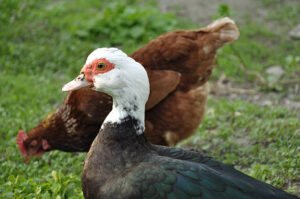
Understanding the specific duck breeds that are at risk for circovirus infections is essential for effective disease management and prevention. Among the most vulnerable breeds are the Muscovy ducks, which are known for their unique characteristics and popularity in both commercial and backyard settings. Muscovies are favored for their meat and as ornamental flocks, but their susceptibility to circovirus can lead to significant health issues. The relatively lower immune response of Muscovy ducks to certain pathogens makes them particularly prone to rapid spread of infections within flocks. Additionally, their common practice of free-range rearing in wetlands and ponds increases exposure to contaminated environments, further heightening the risk of circovirus infection.
The Pekin duck is another breed at high risk for circovirus. Pekin ducks are popular in the meat industry due to their fast growth and efficient feed conversion rates. However, their susceptibility to circovirus can result in severe economic losses for farmers. Pekins are often raised in high-density conditions in commercial operations, which facilitates the transmission of the virus among birds. The stress associated with intensive farming practices also compromises their immune systems, making them more vulnerable to infection and complicating the management of outbreaks.
The Khaki Campbell duck is another breed that warrants attention regarding circovirus risk. Known for their exceptional egg-laying capabilities, Khaki Campbells are frequently raised for their eggs rather than meat. The high productivity associated with this breed can be overshadowed by the risk of circovirus infection. The virus’s impact on Khaki Campbells can lead to significant drops in egg production and quality, as the virus can cause immunosuppression, allowing for secondary infections that further compromise the health of the flock.
Lastly, the Mallard duck, a common wild breed, is also susceptible to circovirus. As a migratory bird, Mallards face unique challenges in terms of disease transmission. The virus can easily spread among wild populations and then transfer to domestic flocks in close proximity. The potential for spill-over into domestic duck farms is a critical concern for poultry management, as it can lead to outbreaks that affect both wild and domestic populations. The robustness of Mallard genes does not equate to immunity against circovirus, making them a vital focus in efforts to monitor and control this disease.
Each of these breeds presents unique challenges in the context of circovirus infections. Farmers and poultry managers must recognize the specific risks associated with these breeds to implement targeted prevention strategies, such as enhancing biosecurity measures, monitoring health closely, and providing appropriate nutrition to bolster immune responses. Understanding the vulnerabilities of these specific breeds is crucial for minimizing the economic impact of circovirus and ensuring the overall health of duck populations. 🦆
Impact of Circovirus Infections on Different Life Stages of Ducks
The impact of circovirus infections on ducks varies significantly depending on their life stage, with distinct manifestations in neonatal, juvenile, and adult ducks. Neonatal ducks, due to their underdeveloped immune systems, are particularly vulnerable to the effects of circovirus. Infected neonates often present with severe symptoms, including respiratory distress, anorexia, and sudden death, which can lead to high mortality rates within the first few weeks of life. This vulnerability can be attributed to their limited exposure to the environment and the absence of maternal antibodies, which are crucial for defending against pathogens. Furthermore, the immunosuppressive nature of the virus exacerbates these issues, leaving neonates at a greater risk for secondary infections that can compound the health challenges they face.
In contrast, juvenile ducks, aged between several weeks to a few months, may exhibit a different spectrum of symptoms. While they may initially appear to recover from the infection, the virus can cause chronic health issues, such as reduced growth rates and decreased feed efficiency. These young ducks may struggle to attain weight and size necessary for market, which complicates the economic viability of duck farming operations. Additionally, the long-term effects on their immune systems can linger into adulthood, making them more susceptible to other diseases as they mature. The reproductive issues can also manifest in juveniles, as the circovirus can interfere with the development of the reproductive organs, leading to suboptimal breeding capabilities in the future.
Adult ducks, particularly those involved in egg production or meat farming, face unique challenges as well. Infected adults may experience decreased egg production and poorer quality of eggs, which can significantly impact the profitability of duck farms. The impaired immune response in adults can result in prolonged recovery periods and a higher susceptibility to secondary infections, which may affect both the individual duck and the entire flock. This creates a vicious cycle, as the stress of illness can lead to further immunosuppression, making the adult ducks increasingly vulnerable.
In summary, the varied manifestations of circovirus in different life stages of ducks underscore the importance of tailored management strategies for each phase. Understanding these age-specific impacts is crucial for implementing effective preventive measures and enhancing the resilience of duck flocks against this pervasive illness. 🦆
Diagnosis of Circovirus Infections in Ducks
Diagnosing circovirus infections in ducks is a multifaceted process that often requires a combination of clinical evaluation and laboratory testing. Given the non-specific symptoms that ducks may exhibit, such as respiratory issues and decreased egg production, a thorough clinical history and physical examination are essential for initial assessments. Veterinarians may start by noting the clinical signs in question, including the age and sex of the ducks, the size of the flock, and any previous exposure to the virus. This initial evaluation can provide valuable clues, but it is not sufficient on its own for a definitive diagnosis.
To confirm the presence of circovirus, laboratory tests are crucial. The primary diagnostic methods include polymerase chain reaction (PCR) tests and electron microscopy. PCR allows for the detection of the virus’s DNA in clinical samples, providing a rapid and reliable method for identifying the infection. Electron microscopy, on the other hand, can visualize the unique viral particles, offering a visual confirmation of the presence of circovirus in the samples. The collection of samples for testing is typically done from blood, tissues, or feces, which are then sent to a qualified laboratory for analysis. Proper sample collection is vital to ensure the accuracy of test results; samples must be handled and stored correctly to prevent degradation.
In some cases, serological tests may also be employed to detect antibodies against the virus in the duck’s blood. These tests can provide insight into the bird’s immune response and previous exposure to the virus. However, they are often used in conjunction with other diagnostic methods to confirm a diagnosis, as the presence of antibodies does not always indicate an active infection.
The importance of accurate diagnosis cannot be overstated, as misdiagnosis can lead to inappropriate treatment and further complications. A reliable diagnosis of circovirus is essential for implementing effective control measures, such as isolating infected birds, improving biosecurity, and providing supportive care to affected ducks. Veterinarians play a critical role in this process, using their expertise to interpret test results and guide farmers in making informed decisions regarding their flock’s health. Therefore, a coordinated effort between veterinary professionals and poultry managers is essential to effectively manage and mitigate the impact of circovirus infections in ducks. 🦆
Treatment and Prognosis of Circovirus Infections in Ducks
Despite the challenges posed by circovirus infections in ducks, there is currently no specific antiviral treatment available to directly target the virus. As such, the management of affected ducks primarily centers on supportive care and environmental modifications to enhance recovery and improve overall health. Supportive care involves providing a clean, stress-free environment to reduce the duck’s vulnerability to the virus and any accompanying stressors. This includes ensuring proper ventilation in housing, maintaining optimal temperatures, and minimizing overcrowding to promote a healthier living condition for the ducks.
Nutritional support is a crucial component of recovery for ducks affected by circovirus. Offering a balanced diet rich in essential nutrients, such as proteins, vitamins, and minerals, can help bolster the ducks’ immune systems. It is recommended to include probiotics in their feed to enhance gut health and support immune function. Hydration is also vital; providing fresh water at all times can prevent dehydration, which is especially important during the acute phase of the infection.
In some cases, antibiotics may be used to address secondary bacterial infections, which can complicate the recovery process and further weaken the ducks. However, the use of antibiotics should be approached cautiously to avoid fostering antibiotic resistance. Consultation with a veterinarian is essential to determine the appropriate course of action based on the specific health status of the flock.
The prognosis for ducks with circovirus infections is generally guarded, as the disease can lead to a prolonged recovery period and may result in chronic health issues. Ducks that receive timely and adequate supportive care often show improved recovery rates, although the long-term implications can vary. Ducks with more severe symptoms, especially younger birds, may have a lower survival rate, underscoring the importance of early detection and intervention.
In conclusion, while there is no direct cure for circovirus in ducks, a comprehensive management strategy focused on supportive care and environmental modifications can significantly aid in the recovery process and enhance the well-being of affected flocks. 🦆
Complications and Prevention Strategies for Circovirus Infections in Ducks
Circovirus infections in ducks can lead to a range of complications that significantly affect both individual ducks and entire flocks. One of the most notable complications is the increased susceptibility to secondary infections, which can arise due to the virus-induced immunosuppression. Ducks suffering from circovirus are at a heightened risk of contracting bacterial or viral pathogens, further complicating their health status. This can manifest in various symptoms, including persistent respiratory issues, conjunctivitis, and even systemic infections that can lead to higher mortality rates within the flock. Furthermore, the economic ramifications of these complications can be substantial, as outbreaks often result in decreased productivity, higher veterinary costs, and potential culling of affected birds to prevent the spread of the disease.
Economically, the impact of circovirus infections can be devastating for duck farmers. Reduced egg production and meat quality can lead to significant financial losses, particularly in commercial operations where efficiency and productivity are paramount. In addition to direct losses from decreased output, the costs associated with implementing biosecurity measures, veterinary care, and potential vaccination programs can strain a farmer’s resources. The broader implications of circovirus infections extend beyond individual farms, potentially affecting the local and global poultry markets if outbreaks are not managed effectively.
To mitigate the risks associated with circovirus infections, a multi-faceted prevention strategy is essential. Biosecurity remains the cornerstone of effective disease management. This includes practices such as quarantining new ducks, regular cleaning and disinfection of housing facilities, and restricting access to the farm by non-essential individuals. Implementing these measures can significantly reduce the likelihood of virus transmission among ducks, especially in densely populated environments.
Vaccination is another critical component of a comprehensive prevention strategy. While specific vaccines for circovirus are still under research and development, ongoing studies may yield effective solutions in the future. Until then, farmers should stay informed about emerging vaccines and consider their adoption as soon as they become available.
In addition to these measures, maintaining a healthy flock environment through proper nutrition, hydration, and stress management can enhance the overall immunity of ducks, making them less susceptible to circovirus infections. Regular health monitoring and prompt response to any signs of illness are also essential for early detection and intervention. By adopting these prevention strategies, farmers can protect their ducks from the complications associated with circovirus and safeguard their livelihoods. 🦆
Diet and Nutrition for Ducks Affected by Circovirus Infections
Proper diet and nutrition play a vital role in enhancing the immune system of ducks affected by circovirus infections. A balanced diet tailored to the specific needs of the ducks can significantly improve their recovery and overall health. It is essential to provide ducks with high-quality feed that is rich in proteins, vitamins, and minerals, which are crucial for supporting immune function and general vitality. Proteins are especially important as they aid in the development and restoration of tissues and support the production of antibodies that can combat viral infections.
In addition to macronutrients, ensuring an adequate intake of vitamin A, C, and E can enhance immune responses and help mitigate oxidative stress in ducks suffering from circovirus. These nutrients are essential for maintaining the integrity of mucosal barriers and supporting immune cells involved in fighting off infections. Furthermore, the inclusion of probiotics and prebiotics in the diet can promote a healthy gut microbiome, which is closely linked to immune health. A well-functioning gut is essential for absorbing nutrients and preventing secondary infections that can complicate recovery.
It is also important to monitor the ducks’ hydration status, as dehydration can weaken the immune system and exacerbate the effects of circovirus. Providing clean and fresh water at all times should be a priority. Additionally, avoiding moldy or contaminated feed is critical, as it can further compromise the ducks’ health and hinder recovery. A comprehensive nutritional strategy that addresses the unique needs of ducks during an infection is essential for improving their chances of recovery and maintaining the overall health of the flock. 🦆
Zoonotic Risk of Circovirus Infection in Ducks
The zoonotic risk associated with circovirus infection in ducks is an important consideration for both duck farmers and the general public. While there is currently no definitive evidence that circovirus can be transmitted from ducks to humans, it is prudent to remain cautious and adhere to best practices for disease prevention. Ducks can serve as reservoirs for various pathogens, and while the specific mechanisms of transmission for circovirus to humans are not well-documented, the potential for cross-species transmission cannot be entirely ruled out.
The primary concern for human health relates to close contact with infected ducks, especially in settings where duck farming practices are less regulated. Farmers and handlers should implement biosecurity measures, such as wearing protective gear and practicing good hygiene, to minimize direct contact with ducks and their environments. This includes washing hands thoroughly before and after handling ducks or their droppings and ensuring that contaminated surfaces are regularly cleaned and disinfected.
Conversely, ducks are not considered a risk for acquiring circovirus from humans. The virus is specific to avian species, and there is no indication that human transmission poses a threat to duck health. Nevertheless, maintaining a clean and healthy environment for ducks is essential to prevent the spread of diseases among avian populations, which can indirectly impact human health. By prioritizing the health and safety of both ducks and humans, the potential zoonotic implications of circovirus infection can be effectively managed. 🦆
#DuckHealth #CircovirusInfection #DuckFarmers #AvianDisease #DuckPoultry #ViralInfections #DuckManagement #DuckBreeds #PoultryHealth #BirdDiseases #CircovirusOutbreak #DuckSymptoms #DuckVaccination #DuckNutrition #DuckFarming #PoultryDiseaseAwareness #CircovirusPrevention #DuckHealthcare #DuckSafety #BirdHealth #CircovirusResearch #DuckVeterinary #DuckWellness #DuckDiagnosis #PoultryScience #DuckEggProduction #DuckCare #CircovirusSymptoms #DuckHealthTips #DuckDiseaseControl #CircovirusManagement #DuckFlockHealth #DuckVirus #DuckHealthIssues #DuckDiseasePrevention #DuckImmunity #CircovirusInDucks #DuckHealthEducation #DuckRecovery #DuckVeterinaryCare #CircovirusImpact #DuckHealthAwareness #DuckHealthStrategies #DuckDiseaseSymptoms #DuckHealthRecovery #CircovirusInfectionPrevention #DuckHealthStudies #PoultryHealthTips #DuckHealthManagement.





Add comment