
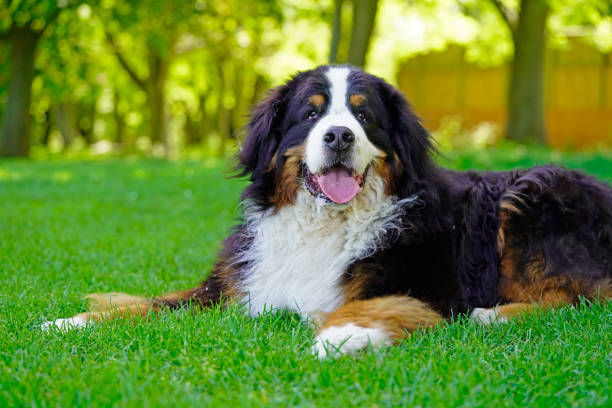
The canine claw, far more than a simple appendage, is a complex biological structure integral to a dog’s musculoskeletal function, balance, mobility, and defense. Often overlooked until a problem arises, the health of the nail unit—comprising the claw, the quick (dermis), and the surrounding digital skin—is critical. Disorders affecting this unit, collectively termed onychopathies, can be profoundly painful, debilitating, and often challenging to diagnose due to the unit’s dense keratinous structure and limited accessibility.
Claw disorders span a broad range of etiologies, including trauma, infection, nutritional deficiencies, endocrine imbalances, and, most commonly, severe immune-mediated diseases. This comprehensive guide provides an in-depth exploration of the anatomy, classification, specific diseases, sophisticated diagnostics, and advanced therapeutic approaches necessary for understanding and managing these complex conditions in canine patients.
II. ANATOMY AND PHYSIOLOGY OF THE CANINE CLAW UNIT
A thorough understanding of the specialized anatomy is foundational to diagnosing onychopathies. The canine claw unit is a specialized epidermal structure integrated with the distal phalanx (P3) of the digit.
A. Anatomical Components
- The Claw (Unguis): This rigid, keratinous sheath protects the underlying dermis. It consists of two primary parts:
- The Dorsal Wall (Ungual Plate): Hard, highly keratinized, and derived from the dorsal matrix.
- The Sole (Subunguis): Softer keratin, located ventrally, providing traction and cushioning.
- The Quick (Dermis/Matrix): The sensitive living tissue beneath the unguis. It is highly vascularized and innervated, responsible for producing the keratin cells that form the claw. Injury to the matrix can lead to permanent structural abnormalities.
- The Proximal Nail Fold/Cuticle: The cuff of skin where the claw emerges from the digit, acting as a crucial barrier against superficial infection (paronychia).
- The Periosteum and Distal Phalanx (P3): The claw matrix is tightly bound to the periosteum of the distal bone. Infections (osteomyelitis) or neoplasia can originate in or spread to P3, necessitating radiographic evaluation.
- The Digital Pad: Provides cushioning and is often the site of adjacent superficial digital dermatitis, which can ascend to involve the nail fold.
B. Onychogenesis (Claw Growth)
Claws grow continuously from the matrix, pushing the dead keratinized cells outward. Growth rate is influenced by health, age, activity level, and environmental wear. Disruptions to this highly regulated process—such as inflammation, trauma, or nutritional deficit—result in structural defects, brittleness, and abnormal shedding (onychodystrophy).
III. ETIOLOGY AND CLASSIFICATION OF CLAW DISORDERS (ONYCHOPATHIES)
Onychopathies are broadly classified based on their underlying cause and the resulting anatomical consequence.
A. Classification by Clinical Appearance
| Condition Term | Definition |
|---|---|
| Onychorrhexis | Longitudinal splitting or ridging of the claw. |
| Onychomadesis | Spontaneous shedding or sloughing of the entire claw. |
| Onychodystrophy | Abnormal claw shape, color, or texture (a general term). |
| Onychogryphosis | Hypertrophy (thickening) and abnormal curvature (ram’s horn appearance). |
| Paronychia | Inflammation and infection of the nail folds and surrounding skin. |
| Onychitis | Inflammation specific to the claw matrix or quick. |
B. Classification by Etiology
1. Immune-Mediated Disorders
These are systemic conditions where the immune system attacks the claw matrix components. They are often symmetrical, affecting multiple paws simultaneously.
- Symmetrical Lupoid Onychodystrophy (SLO)
- Pemphigus Foliaceus
- Cutaneous Vasculitis
- Drug Reactions (e.g., adverse drug eruptions)
2. Infectious Disorders
Involve bacterial or fungal invasion of the nail folds or the subungual space.
- Bacterial Paronychia (often secondary to allergies or trauma)
- Onychomycosis (Fungal infection, typically Microsporum or Malassezia)
- Deep Mycotic Infections (rare, e.g., Sporotrichosis)
3. Traumatic and Mechanical Disorders
Result from external physical forces.
- Avulsion (complete tearing off)
- Fracture or Splitting
- Habitual chewing/licking (secondary self-trauma)
- Onychogryphosis (often seen in geriatric, low-activity dogs due to lack of wear)
4. Neoplastic Disorders
Tumors arising from the specialized epidermal tissue, dermis, or bone.
- Subungual Squamous Cell Carcinoma (SCC)
- Subungual Melanoma
- Osteosarcoma (affecting P3)
- Benign tumors (e.g., Keratoacanthoma, Digital fibroma)
5. Systemic and Endocrine Disorders
Conditions that disrupt normal metabolism or circulation.
- Hypothyroidism
- Cushing’s Disease (Hyperadrenocorticism)
- Leishmaniasis (in endemic regions)
- Nutritional Deficiencies (e.g., zinc-responsive dermatosis)
IV. DETAILED ANALYSIS OF KEY SPECIFIC ONYCHOPATHIES
A. Symmetrical Lupoid Onychodystrophy (SLO)
SLO is arguably the most significant and common isolated claw disorder in dogs. It is an auto-immune dermatosis specifically targeting the basal cells of the claw matrix (Type IV hypersensitivity reaction).
1. Clinical Presentation
The hallmark of SLO is acute onset of onychomadesis (sloughing) affecting multiple claws, often starting with one or two and progressing to all four feet symmetrically within weeks to months.
- Initial Signs: Acute pain, lameness, licking, and hemorrhagic discharge at the nail bed.
- Post-Sloughing: The new claws that grow back are severely dystrophic—soft, brittle, discolored (pigment loss), excessively long, or short.
- Breed Predisposition: Highly reported in German Shepherd Dogs, Rottweilers, Gordon Setters, Vizslas, and Greyhounds.
2. Pathophysiology and Diagnosis
SLO involves immune-mediated destruction of the dermo-epidermal junction (DEJ) in the matrix. Definitive diagnosis requires a biopsy of the claw matrix, typically obtained by surgically removing the third phalanx (P3) of an affected digit under general anesthesia (P3 Amputation Biopsy).
- Histopathology: Shows interface dermatitis with basal vacuolar degeneration, lymphocytic infiltration, and loss of the dermo-epidermal junction.
3. Treatment and Management
Treatment is focused on immunomodulation and supportive care, often requiring long-term commitment.
- Immunosuppressive/Immunomodulatory Therapy:
- Essential Fatty Acids (EFAs): High doses of Omega-3s (EPA/DHA) are critical for reducing inflammation.
- Niacinamide and Tetracycline/Doxycycline: Used synergistically for their anti-inflammatory properties, effective in mild cases.
- Corticosteroids: Prednisone/Prednisolone may be needed in the acute phase to halt the initial inflammatory attack.
- Ciclosporine (Atopica): Highly effective in controlling chronic inflammation and preventing further sloughing, often the drug of choice for long-term maintenance.
- Supportive Care: Pain management (NSAIDs or Gabapentin) and prevention of secondary bacterial infection (topical or systemic antibiotics).
B. Infectious Onychopathies: Paronychia and Onychomycosis
Infection usually occurs secondary to trauma, self-mutilation, underlying allergy, or the presence of a primary disease (like SLO) that compromises the nail fold barrier.
1. Bacterial Paronychia
- Etiology: Most commonly Staphylococcus pseudintermedius or Pseudomonas.
- Clinical Signs: Redness, swelling, heat, purulent discharge around the nail fold, and foul odor. Often one or two claws are initially affected, but it may spread.
- Diagnosis: Cytology (showing neutrophils and cocci/rods), culture, and sensitivity testing are essential due to increasing antibiotic resistance.
- Treatment: Long-term systemic antibiotics (4–8 weeks), frequent antiseptic soaks (Chlorhexidine or dilute Povidone-Iodine), and addressing the underlying cause (e.g., allergy management).
2. Onychomycosis (Fungal)
- Etiology: Usually Malassezia pachydermatis (yeast), which colonizes the moist nail folds, or less commonly, dermatophytes (Microsporum, Trichophyton).
- Clinical Signs: Greasy, brownish-red discoloration of the claws (Malassezia staining), severe itching (pruritus), and a rancid/sour odor. Dermatophyte infection typically causes generalized onychodystrophy and scaling.
- Diagnosis: Cytology (Malassezia), DTM culture (dermatophytes), or histopathology.
- Treatment: Systemic antifungals (e.g., Ketoconazole, Itraconazole, Fluconazole) combined with topical treatments (e.g., Miconazole/Chlorhexidine wipes or soaks). Treatment duration is often 6–12 weeks, until cultures are negative.
C. Neoplastic Disorders of the Digit
Tumors of the nail unit have a high potential for malignancy and local invasion. Early diagnosis is critical.
1. Subungual Squamous Cell Carcinoma (SCC)
- Description: The most common malignant tumor of the canine nail bed, often misdiagnosed as chronic non-healing infection. It arises from the epithelial cells of the nail matrix.
- Clinical Signs: Presents as a solitary, invasive lesion causing persistent lameness, digital swelling, chronic discharge, and destruction of the distal phalanx (P3), visible on radiographs. Darkly pigmented breeds (especially Giant Schnauzers, Scottish Terriers) are predisposed.
- Management: Requires aggressive surgical intervention, usually digit amputation, to achieve clean margins. Metastasis to regional lymph nodes occurs later than with oral SCC, but follow-up radiography (chest) is mandatory.
2. Subungual Melanoma
- Description: The second most common digital malignancy. While some melanomas are benign, subungual melanoma is typically aggressive and highly metastatic.
- Clinical Signs: Often presents as a pigmented mass associated with the nail fold, causing deformity, ulceration, and bleeding.
- Management: Digit amputation combined with local lymph node assessment and potentially adjuvant therapy (e.g., canine melanoma vaccine, chemotherapy). Prognosis is guarded due to the high metastatic rate.
3. Osteosarcoma
Though technically a bone tumor, it can originate in the distal phalanx (P3) and present as a painful, swollen digit with subsequent claw deformity. Diagnosis relies heavily on radiography demonstrating bony lysis (destruction) or proliferation.
V. THE DIAGNOSTIC APPROACH TO ONYCHOPATHIES
Because many claw disorders share similar severe clinical presentations (pain, swelling, lameness), a systematic, tiered diagnostic approach is essential to differentiate life-threatening neoplasia from manageable immune-mediated disease.
Tier 1: Initial Assessment (History and Physical Exam)
- History: Document onset (acute vs. chronic), pattern (single claw vs. multiple/symmetrical), progression, previous treatments, and response to antibiotics.
- Physical Exam: Note the character of the change (sloughing, brittleness, hypertrophy), involvement of the surrounding skin (paronychia, edema), and evaluation of all four feet and regional lymph nodes.
- Basic Diagnostics:
- Cytology: Impression smears of any discharge or inflammatory exudate to identify bacteria, yeast, or inflammatory cells.
- Deep Skin Scrapings/Trichogram: If dermatophytosis is suspected, to look for mites or fungal hyphae.
Tier 2: Ruling Out Infection and Systemic Disease
- Microbial Culture:
- Bacterial Culture & Sensitivity: Essential for complicated, recurrent, or antibiotic-refractory paronychia.
- Fungal Culture (DTM): To rule out dermatophytes.
- Blood Work: Complete Blood Count (CBC) and Chemistry Panel to evaluate systemic health.
- Endocrine Testing: Thyroid panels (T4, TSH) and potentially low-dose dexamethasone suppression tests if hypothyroidism or Cushing’s are suspected contributors to recurrent infection or poor healing.
Tier 3: Advanced Imaging and Definitive Diagnosis
- Radiography (X-rays):
- Goal: Evaluate the integrity of the distal phalanx (P3).
- Findings: Lytic lesions (bone destruction) are highly suggestive of neoplasia (SCC, Osteosarcoma) or severe osteomyelitis. Proliferation or soft tissue swelling is indicative of severe inflammation or trauma.
- Claw Biopsy (The Gold Standard):
- Indication: Mandatory for any patient with symmetrical claw loss (SLO), non-healing single-digit lesions, or radiographic signs of P3 lysis.
- Technique: Excisional biopsy requires amputation of the distal phalanx (P3) of the affected digit to sample the entire dermo-matrix unit. This provides the pathologist with the tissue necessary to differentiate auto-immune lesions (SLO) from neoplasia (SCC) or deep infection.
- Advanced Imaging (CT/MRI): Rarely used for primary diagnosis but may be helpful pre-surgically to assess the extent of local soft tissue tumor invasion or regional metastasis.
VI. THERAPEUTIC STRATEGIES AND MANAGEMENT
Treatment protocols are highly dependent on the definitive diagnosis.
A. Management of SLO (Immunomodulation)
As detailed previously, the cornerstone of SLO treatment is long-term immunomodulation.
- Acute Phase Control: High-dose NSAIDs and short course Prednisone (or Dexamethasone) for pain and inflammation.
- Maintenance: Ciclosporine (5 mg/kg daily) or Azathioprine, combined with high doses of Omega-3 Fatty Acids (EFA).
- Adjunctive Therapy: Pentoxifylline may be added for its anti-inflammatory and hemorheologic (circulation-improving) effects.
- Nutritional Support: A diet rich in high-quality protein and zinc can aid keratin synthesis.
B. Management of Infectious Disorders
- Systemic Antimicrobials: Necessary for deep tissue infection. Based on culture & sensitivity. Requires adequate duration (4–8 weeks) to penetrate the keratinized tissue.
- Topical Therapy:
- Soaks: Epsom salt, Chlorhexidine (2–4%), or diluted apple cider vinegar/Povidone-Iodine baths are used for 10–15 minutes, 2–3 times weekly, to decontaminate the nail fold.
- Ointments: Topical antibiotics/antifungals (e.g., Mupirocin, Triamcinolone/Antifungal combinations) applied directly to the inflamed nail fold.
C. Management of Traumatic Injuries
- Simple Splitting/Cracking: If the crack does not expose the quick, filing, and monitoring may suffice.
- Deep Trauma/Avulsion:
- Treatment: Requires sedation/anesthesia for thorough cleaning, pain control, and often removal of the loose or damaged nail plate (debridement) to allow the matrix to heal and the new nail to grow straight.
- Post-Procedure: Bandaging and oral antibiotics/pain medication are crucial for 7–10 days.
D. Surgical Management (Neoplasia and Chronic Infection)
- Digit Amputation: The standard treatment for subungual malignancies (SCC, Melanoma) and for severe, non-responsive chronic osteomyelitis of P3. Amputation must be proximal enough to ensure wide, clean margins, often involving the second phalanx (P2).
- Cryotherapy or Radiation: May be used as adjuvant therapy following surgery, particularly for tumors with aggressive local recurrence potential.
VII. LONG-TERM PROGNOSIS AND MONITORING
The prognosis for canine claw disorders varies widely based on the etiology.
A. Excellent Prognosis
- Acute trauma and simple split nails.
- Infectious paronychia secondary to known allergens (if the allergy is controlled).
B. Fair to Good Prognosis (Chronic Management Required)
- SLO: The condition is highly manageable but requires lifelong medication. Relapses occur if medication is stopped or doses are reduced too quickly. While the dog’s pain resolves, the resulting dystrophic claws are often permanent.
C. Guarded to Poor Prognosis
- Subungual Neoplasia (Melanoma, SCC): Prognosis is determined by tumor type, size, and presence of metastasis at diagnosis. Early, aggressive amputation offers the best chance.
- Chronic, Deep Osteomyelitis: Can be very difficult to eradicate without aggressive debridement or amputation.
D. Monitoring
- SLO Patients: Regular (3–6 month) veterinary checks are required to assess claw health, pain levels, and monitor blood work for potential side effects of immunomodulatory drugs (e.g., liver enzymes with Azathioprine, kidney function with Ciclosporine).
- Neoplasia Patients: Frequent chest radiographs and palpation of regional lymph nodes (every 3 months) to monitor for metastasis.
VIII. PREVENTION AND OWNER EDUCATION
Education is key to early detection and routine maintenance.
A. Routine Claw Care
- Trimming: Regular trimming (every 3–4 weeks) prevents overgrowth, which can lead to cracking, trauma, and ingrown nails. Dogs with SLO may need very careful, frequent trimming as their nails grow soft and brittle.
- Wear: Encourage walking on abrasive surfaces (concrete, pavement) to naturally wear down nails, preventing excessive length, especially in large breeds.
B. Recognizing Early Signs
Owners must be taught to inspect the feet frequently, especially in breeds prone to SLO. Signs that warrant immediate veterinary attention include:
- Acute, unexplained lameness in multiple digits.
- Frequent licking or chewing of the feet.
- Redness, swelling, or persistent discharge at the base of the nail.
- Sudden sloughing of a whole claw without significant trauma.
C. Dietary Considerations
Ensure the dog is fed a high-quality, balanced diet. For known SLO or chronic dystrophy, supplementation with pharmaceutical-grade Omega-3 Fatty Acids, Biotin, and Zinc can significantly improve epidermal barrier strength and claw quality.
CONCLUSION
Claw and nail disorders represent a unique challenge in veterinary medicine, bridging dermatology, orthopedics, and oncology. While simple infections and trauma are quickly resolved, the prevalence of complex auto-immune conditions like Symmetrical Lupoid Onychodystrophy and highly aggressive malignancies demands a meticulous diagnostic approach. By understanding the intricate anatomy of the claw unit and employing advanced diagnostics (including systematic culture and biopsy), veterinarians can establish definitive diagnoses and implement the targeted, often long-term, therapeutic strategies required to restore mobility and alleviate the often extreme pain associated with canine onychopathies.
#DogClawDisorders, #CanineOnychopathy, #VetDerm, #DogNailHealth, #SLODogs, #SymmetricalLupoidOnychodystrophy, #VeterinaryDermatology, #PetHealthGuide, #DogNailCare, #CanineSCC, #DogParonychia, #VeterinaryMedicine, #DogMobility, #PetOwnerEducation, #AnimalHealthTips





Add comment