
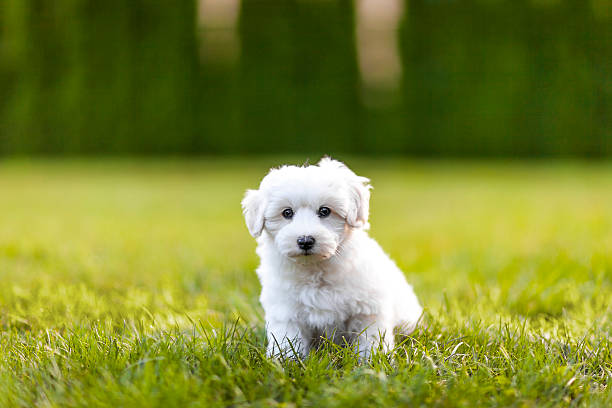
Dog obedience training is a journey filled with joy, learning, and undeniable progress. Whether you’re a professional trainer running a bustling facility or a dedicated pet parent honing skills in your living room, the shared goal is a well-behaved, happy canine companion. However, amidst the excitement of mastering a new cue or acing an agility course, there’s an often-overlooked yet critical aspect of dog training: maintaining a meticulously clean, safe, and odor-free training environment.
The importance of post-training cleanup extends far beyond mere aesthetics. It’s a fundamental pillar supporting the health and well-being of dogs and humans alike, directly impacting training effectiveness, preventing disease transmission, and fostering a positive, professional atmosphere. A clean space is a safe space, free from the hazards of pathogens, allergens, and the distracting, often unsanitary, presence of lingering odors. This comprehensive guide will delve deep into the ‘why’ and ‘how’ of cleaning up after training, equipping you with the knowledge and protocols necessary to ensure your training area remains an optimal environment for learning and growth.
Why Cleanliness Matters: The Hidden Impacts of a Neglected Training Space
To truly appreciate the effort required for diligent cleanup, we must first understand the multifaceted consequences of neglecting it.
1. Health and Safety of Dogs
Dogs, by their very nature, explore the world with their noses and mouths. A training space, particularly one frequented by multiple dogs, becomes a potential vector for a myriad of health risks if not properly maintained:
- Disease Transmission: Canine parvovirus, kennel cough, canine influenza, giardiasis, leptospirosis, and ringworm are just a few examples of highly contagious diseases that can linger on surfaces, in bodily fluids, and even in the air. Proper disinfection breaks this chain of transmission.
- Parasites: Flea eggs, larvae, and even some intestinal parasite eggs can persist in carpets, bedding, and cracks in flooring. Regular cleaning, vacuuming, and washing mitigate this risk.
- Toxic Ingestion: Leftover cleaning residues, dropped food scraps (which may be toxic to some dogs), or even small debris can be ingested by curious canines, leading to gastrointestinal upset, poisoning, or choking hazards.
- Allergies and Respiratory Issues: Accumulated dander, dust, and mold spores can trigger allergies or respiratory problems in sensitive dogs, making training uncomfortable or even unsafe.
- Injury Prevention: Slippery floors from spills, sharp objects, or uneven surfaces can lead to falls, sprains, or cuts.
2. Health and Safety of Handlers and Humans
It’s not just the dogs at risk. Humans also benefit significantly from a clean training environment:
- Zoonotic Disease Prevention: Some canine diseases, like giardiasis, ringworm, and certain bacterial infections, can be transmitted to humans. Proper hygiene reduces this risk.
- Allergen Reduction: Dog dander is a common allergen. Regular cleaning, including vacuuming and wiping surfaces, significantly reduces the allergen load, making the space more comfortable for handlers, clients, and visitors with sensitivities.
- Respiratory Health: Dust, mold, and chemical fumes from improperly used cleaning products can irritate human respiratory systems.
- Psychological Comfort: A foul-smelling or visibly dirty space is unpleasant and can detract from the overall training experience, making handlers less likely to engage fully or return to a commercial facility.
3. Odor Control: More Than Just a Nuisance
Odors are perhaps the most immediate and impactful consequence of poor cleanup:
- Distraction for Dogs: Dogs have an incredibly keen sense of smell. Lingering urine or fecal odors can be a significant distraction during training, making it harder for dogs to focus on cues or tasks. It can also encourage marking behavior, perpetuating the cycle of odor.
- Unpleasant for Humans: The smell of stale urine, feces, or general “dog odor” is not only off-putting but signals a lack of hygiene. For commercial facilities, this can severely damage reputation and drive away clients.
- Indicative of Systemic Issues: Persistent odors often point to inadequate cleaning protocols, compromised surfaces (e.g., urine soaked into unsealed concrete), or insufficient ventilation.
4. Impact on Training Effectiveness and Professionalism
A clean environment directly correlates with better training outcomes:
- Positive Association: A fresh, clean space creates a positive association with training. Dogs are more relaxed and focused, and handlers feel more motivated.
- Reduced Stress: For dogs, a clean environment can reduce stress by eliminating confusing or anxiety-inducing smells from other dogs, allowing them to focus on the handler.
- Professionalism and Reputation: For professional trainers, a pristine training space is a testament to their dedication, attention to detail, and respect for their clients and their dogs. It builds trust and reinforces a commitment to high standards.
- Preservation of Equipment and Facility: Biological waste and chemical residues can damage flooring, equipment, and structural elements over time, leading to costly repairs or replacements.
Understanding the “Mess”: Common Training Byproducts
Before we can effectively clean, we must understand the nature of the waste we’re dealing with.
- Biological Waste:
- Urine: A primary culprit for odors and a breeding ground for bacteria. Can absorb into porous surfaces.
- Feces: Contains bacteria, viruses, and potential parasites. Requires immediate and thorough removal.
- Vomit: Similar to feces in terms of pathogens and odor.
- Saliva/Drool: Can leave sticky residues and transfer bacteria.
- Dander & Hair: Major allergens and carriers of dirt and oils.
- Food/Treats: Crumbs, dropped treats, and spilled water attract pests and can become moldy.
- Mud/Dirt: Tracked in from outdoors, especially on paws, can stain surfaces and introduce external contaminants.
- General Debris: Broken toys, chewing remnants, dust, and other miscellaneous items.
Essential Cleaning Supplies & Equipment: Your Arsenal for Cleanliness
Having the right tools and products is half the battle. Invest in quality items that are effective and, crucially, safe for pets.
1. Personal Protective Equipment (PPE)
- Gloves: Protect hands from biological waste and harsh chemicals. Disposable nitrile or heavy-duty reusable rubber gloves are essential.
- Mask (Optional but Recommended): For sensitive individuals or when using strong disinfectants, a mask can protect against airborne irritants or pathogens.
- Eye Protection (Optional): When dealing with splashes or strong chemicals.
2. General Cleaning Tools
- Brooms/Dustpans: For quick sweeps of loose debris and hair.
- Vacuum Cleaner: A powerful pet-specific vacuum with good filtration is ideal for carpets and hard floors. A wet/dry shop vac is invaluable for large liquid spills and deep cleaning.
- Mops & Buckets: Separate buckets for clean solution and rinse water are recommended to prevent cross-contamination. Microfiber mops are excellent for trapping dirt.
- Scrub Brushes/Sponges: For tackling stubborn spots, grout, or textured surfaces. Dedicated brushes for different areas (e.g., floors vs. equipment) are ideal.
- Microfiber Cloths: Highly effective for wiping down surfaces, streak-free cleaning, and absorbing liquids. Washable and reusable.
- Paper Towels: Absorbent, disposable, and essential for initial cleanup of accidents.
- Pet Waste Bags/Scoops: For easy and hygienic removal of solid waste.
3. Specific Cleaning Solutions
- Enzymatic Cleaners: Absolutely essential for urine, feces, and vomit. These cleaners contain enzymes that break down the organic matter responsible for odors and stains. They don’t just mask odors; they eliminate the source. Apply before other cleaners for best results.
- Pet-Safe Disinfectants: Crucial for killing bacteria, viruses, and fungi. Look for products specifically labeled “veterinary disinfectant” or “hospital-grade” that are effective against common canine pathogens. Accelerated hydrogen peroxide (e.g., Rescue/Virkon) is a popular and effective choice that is generally safer than many traditional strong disinfectants, if used correctly.
- Bleach (Sodium Hypochlorite): Can be used as a disinfectant, but only in dilute solutions (1:32 or 1:10 for heavily soiled areas) and with extreme caution. Surfaces must be completely clear of organic matter before bleach application. Allow proper dwell time, then rinse thoroughly to prevent residue that can harm paws or be ingested. Never mix with ammonia or other cleaners.
- Odor Neutralizers: While enzymatic cleaners are primary, some fabric-safe odor neutralizers can be used on soft furnishings after the source of the odor has been cleaned.
- All-Purpose Cleaners: For general wiping down of surfaces. Ensure they are pet-safe.
- Glass Cleaners: For windows, mirrors, and glass enclosures.
4. Waste Management
- Lined Trash Cans: Strategically placed and emptied frequently.
- Separate Bins for Biological Waste: Especially in commercial settings, a designated, sealed bin for pet waste helps contain odors and prevent contamination.
Step-by-Step Cleaning Protocols for Different Areas and Surfaces
Consistency and thoroughness are key. Establish a cleaning schedule and stick to it.
A. Immediate Accident Cleanup (Urine, Feces, Vomit)
This is the most critical and time-sensitive cleanup.
- Don PPE: Always put on gloves, and a mask if desired.
- Remove Solid Waste: For feces or vomit, use paper towels or a scoop to carefully pick up as much solid material as possible. Place directly into a pet waste bag and seal it. Avoid smearing.
- Blot Liquid Waste: For urine or liquid vomit, lay several layers of paper towels or an absorbent cloth over the area. Press down firmly to absorb as much liquid as possible. Do not rub, as this pushes the waste deeper into the surface or fibers. Repeat with fresh towels until no more liquid is absorbed.
- Rinse (Optional, for some surfaces): For hard, non-porous surfaces, a quick wipe with a damp cloth to remove visible residue might be beneficial, but avoid over-wetting carpets.
- Apply Enzymatic Cleaner: Liberally apply a high-quality enzymatic cleaner to the affected area. Ensure the cleaner thoroughly saturates the spot, reaching as deep as the waste penetrated (this is crucial for odor elimination, especially in carpets).
- Why enzymatic? The enzymes break down the uric acid crystals in urine and other organic compounds in feces/vomit that cause persistent odors. If you use a regular cleaner or disinfectant first, you can “set” the stain and render the enzymatic cleaner less effective.
- Allow Dwell Time: Follow the product instructions for dwell time, which is typically 10-30 minutes, or even longer for set-in odors. During this time, the enzymes are doing their work. You can cover the area with a damp towel to prevent evaporation, ensuring the enzymes remain active.
- Blot/Wipe Clean: After the dwell time, blot up any remaining cleaner with fresh paper towels or a clean cloth. For hard surfaces, wipe clean.
- Disinfect (If Necessary): If the area is likely to be a high-traffic spot or if there’s a concern about disease transmission, after the area is visibly clean and dry from the enzymatic cleaner, you can apply a pet-safe disinfectant according to its instructions. Allow proper dwell time, then wipe or rinse if recommended.
- Dry Thoroughly: Ensure the area is completely dry, especially carpets, to prevent mold and mildew. Use fans or open windows to aid drying.
- Laundry: Immediately wash any soiled rags, towels, or bedding in hot water with pet-safe detergent. For heavily soiled items, a pre-soak with an enzymatic laundry booster can be helpful.
B. Daily/Routine Cleaning (After Each Training Session or Daily for Facilities)
This prevents buildup and maintains a baseline level of hygiene.
- Floors (Hard Surfaces: Tile, Sealed Concrete, Vinyl, LVT):
- Sweep/Vacuum: Use a broom or vacuum cleaner to remove hair, dander, dirt, and loose debris. Pay attention to corners and edges.
- Mop with Disinfectant Cleaner: Prepare a mop bucket with a pet-safe disinfectant cleaner, diluted according to manufacturer instructions. Mop the entire floor surface, ensuring good coverage. For commercial facilities, a “two-bucket system” (one for cleaning solution, one for rinse water) prevents spreading dirty water.
- Allow Dwell Time: For effective disinfection, many products require a specific “dwell time” (how long the surface must remain wet). Follow the product label.
- Rinse (If Required): Some disinfectants require a clear water rinse after dwell time to remove residue. Check your product label.
- Dry Thoroughly: Allow floors to air dry completely or use fans. This prevents slips and discourages microbial growth.
- Floors (Carpets/Rugs):
- Vacuum Thoroughly: Use a strong vacuum with a HEPA filter to remove hair, dander, and deep-seated dirt. Vacuum against the nap of the carpet to lift more debris.
- Spot Clean: Address any new spots or stains immediately using the accident cleanup protocol.
- Air Out: If practical, air out rugs or carpets to reduce lingering odors.
- Walls & Baseboards:
- Wipe down low areas with a damp cloth and all-purpose cleaner, especially where dogs might rub or mark.
- Equipment (Crates, Kennels, Leashes, Collars, Toys, Agility Equipment):
- Wipe Down Hard Surfaces: Use a pet-safe disinfectant wipe or spray and paper towel to clean crates, plastic parts of agility equipment, and hard toys. Pay attention to latches and high-touch areas.
- Wash Soft Items: Machine-wash dog beds, blankets, fabric toys, and soft leashes/collars regularly (ideally daily for multi-dog facilities, weekly for home use). Use hot water and pet-safe detergent.
- Inspect: While cleaning, inspect all equipment for damage (frayed leashes, cracked plastic, broken parts) and repair or replace as needed.
- Food & Water Bowls:
- Wash daily with hot, soapy water (or run through a dishwasher) to prevent bacterial buildup. Air dry or wipe dry with a clean cloth.
- Entrances/Exits:
- Sweep or vacuum entrance mats. Wipe down doorknobs and handles.
C. Weekly/Bi-Weekly Deep Cleaning
This is a more intensive clean that addresses areas missed during daily routines.
- Move Equipment/Furniture: Clean underneath and behind everything.
- Grout Lines: Scrub tile grout with a grout brush and a bleach solution (1:10, rinse thoroughly) or a dedicated grout cleaner to remove embedded dirt and odor.
- Windows/Mirrors: Clean with a glass cleaner to remove nose prints and smudges.
- Dusting: Dust all surfaces, including high shelves, light fixtures, and vents, to remove accumulated dander and allergens.
- Deep Clean Carpets/Rugs: Use a carpet cleaner/extractor to shampoo and sanitize carpets. Follow product instructions carefully. This is crucial for removing embedded odors and allergens.
- Sanitize High-Touch Surfaces: Pay extra attention to doorknobs, light switches, faucet handles, and any other surfaces frequently touched by humans.
D. Odor Management Beyond Accidents
Even with diligent cleaning, some environments can develop a general “doggy smell.” Proactive odor management is key.
- Ventilation: Open windows, use exhaust fans, or install air purifiers with activated carbon filters. Good airflow is paramount for diluting and removing airborne odors.
- Regular Laundry: Wash dog beds, blankets, towels, and any soft furnishings frequently. Use pet-safe laundry boosters if needed.
- Air Fresheners/Deodorizers (Use with Caution): While not a substitute for cleaning, pet-safe air fresheners can lightly refresh a space. Avoid products with strong, artificial fragrances or essential oils that can be harmful or irritating to dogs. Focus on neutralizers rather than maskers.
- Environmental Odor Absorbers: Place bowls of baking soda, activated charcoal, or commercial pet odor absorbers in discreet locations to passively absorb airborne odors. Change them regularly.
Specific Considerations for Different Training Environments
The approach to cleaning will vary based on your training location.
1. Indoor Home Training Space
- Protection: Use washable throw rugs, waterproof mats, or furniture covers to protect your personal belongings. Place waterproof mats under water bowls.
- Hair Management: Regular grooming of your dog (brushing, bathing) will significantly reduce shedding. Vacuum frequently, especially if you have carpet.
- Ventilation: Open windows after training sessions to air out the space.
- Storage: Keep all cleaning supplies securely stored out of reach of pets and children.
- Family Buy-in: Ensure all household members understand and contribute to the cleanup routine.
2. Indoor Commercial Training Facility
- High Traffic, High Bio-load: Expect more accidents, more dander, and more opportunities for disease transmission. This necessitates stricter, more frequent cleaning protocols.
- Dedicated Cleaning Staff/Schedules: Assign specific staff members to cleaning duties, provide thorough training, and establish clear checklists and schedules (daily, weekly, monthly).
- Professional Cleaning Services: Consider hiring professional cleaning services for periodic deep cleaning (e.g., quarterly carpet cleaning, floor stripping and waxing).
- Public Perception: A spotless facility is crucial for attracting and retaining clients. Ensure restrooms are also immaculate.
- Client Education: Clearly communicate expectations for clients to clean up after their own dogs. Provide readily accessible resources (waste bags, cleaning sprays for quick accident cleanup, designated potty areas).
- Floor Choices: Consider durable, non-porous, easy-to-clean flooring materials like sealed concrete, commercial-grade vinyl, or rubber matting, which are less prone to absorbing odors and easier to disinfect than carpet.
3. Outdoor Training Space
- Waste Disposal: Designate clear potty areas and provide ample waste bags and covered trash receptacles. Empty trash cans frequently.
- Equipment Cleaning: Agility equipment, jumps, and other outdoor gear can accumulate dirt, mud, and some biological matter. Hose down and scrub periodically with a disinfectant solution. Store equipment under cover to prevent weathering and keep it cleaner.
- Mud/Dirt Management: Place walk-off mats at entrances to indoor areas. Encourage handlers to wipe their dogs’ paws before coming inside.
- Pest Control: Manage standing water to reduce mosquito breeding. Regularly check for signs of fleas, ticks, or other pests, especially in grassy areas.
- Water Sources: Regularly clean and sanitize communal water bowls or buckets.
Choosing Pet-Safe Cleaning Products: A Critical Decision
Not all cleaning products are created equal, and many common household cleaners can be toxic to pets. Always prioritize pet safety.
- Read Labels Carefully: Look for explicit “pet-safe,” “non-toxic,” or “veterinary-approved” labels. If in doubt, err on the side of caution.
- Avoid Harsh Chemicals:
- Ammonia: Found in many glass cleaners and all-purpose cleaners. The smell can mimic urine, encouraging marking, and it’s a respiratory irritant for pets and humans.
- Bleach (Undiluted): Can cause severe burns or poisoning. If used, always dilute properly and rinse thoroughly.
- Phenols: Found in some disinfectants (e.g., pine oil cleaners). Highly toxic to cats and often dogs, causing liver damage.
- Phthalates: Common in air fresheners and scented products, can be hormone disruptors.
- Essential Oils: While some are marketed as “natural,” many essential oils (tea tree, lemon, peppermint, etc.) are highly toxic to pets, especially cats, when ingested, inhaled, or absorbed through the skin. Avoid using them anywhere pets can come into contact.
- Dilution Ratios: Always follow the manufacturer’s instructions precisely for dilution. Using too little product renders it ineffective; too much can leave harmful residues.
- Ventilation: Always ensure good ventilation when using any cleaning product, even “pet-safe” ones.
- Rinse Thoroughly: After cleaning, especially with disinfectants, ensure surfaces are thoroughly rinsed with clear water to remove any chemical residue that pets might lick or walk through.
- Secure Storage: Store all cleaning chemicals in their original, clearly labeled containers in a secure location, out of reach of pets and children.
Training Protocols for Cleanliness: Nipping Accidents in the Bud
Proactive measures can significantly reduce the cleaning burden.
- “Potty Before Play/Train” Rule: Institute a strict policy, especially for dog facilities, that all dogs must be given a potty break before entering the training area. This significantly reduces indoor accidents.
- Designated Potty Areas: Clearly mark and maintain outdoor potty areas. Ensure they are regularly cleaned and stocked with waste bags.
- Immediate Cleanup Expectation: Educate all handlers and clients on their responsibility to immediately clean up after their own dogs. Provide visible and accessible cleaning supplies (paper towels, spray bottles with enzymatic cleaner, waste bags).
- Positive Reinforcement for Cleanliness: For commercial facilities, a clean space is a silent form of positive reinforcement for clients, demonstrating care and professionalism.
Maintenance & Prevention: The Best Defense is a Good Offense
An ounce of prevention is worth a pound of cure when it comes to keeping a training space clean.
- Regular Inspections: Periodically walk through the training area with a critical eye, identifying potential problem areas, lingering odors, or unnoticed messes.
- Protective Measures:
- Washable Covers: Use on all soft furnishings.
- Waterproof Mats: Under all water bowls and in high-spill areas.
- Boot Trays/Doormats: At entrances to trap dirt and moisture from human footwear.
- Scratch Guards: For walls or furniture susceptible to scratching.
- Grooming: Encourage handlers to regularly groom their dogs to minimize shedding and dander. Wiping paws before entering the training space can also dramatically reduce tracked-in dirt.
- Scheduled Maintenance: Develop a detailed cleaning checklist and schedule (daily, weekly, monthly, quarterly) and adhere to it strictly. This ensures no task is overlooked.
Conclusion: A Foundation for Success
The commitment to maintaining a safe, odor-free training space is not merely a chore; it’s an integral component of responsible dog ownership and professional training. By understanding the profound impact of cleanliness on the health, safety, and psychological well-being of both dogs and humans, and by implementing proactive and thorough cleaning protocols, you create an optimal environment for learning and positive interaction.
From immediate accident cleanup with enzymatic power to daily disinfection and weekly deep cleans, every step contributes to a space that fosters focus, reduces distractions, and prevents the spread of disease. Choosing pet-safe products, ensuring proper ventilation, and establishing clear cleanup expectations are non-negotiable elements of this commitment.
Ultimately, a clean training space speaks volumes about your dedication, professionalism, and care for the animals and people who share that environment. It builds trust, enhances the training experience, and allows everyone—both two-legged and four-legged—to thrive. Make cleanliness a cornerstone of your dog obedience training journey, and watch as success flourishes in a truly healthy and harmonious environment.
#DogTrainingCleanup, #PetSafeCleaning, #OdorFreePaws, #DogObedienceHygiene, #CleanTrainingSpace, #EnzymaticCleaners, #PetHealthAndSafety, #DogTrainingTips, #CanineCare, #ResponsiblePetOwnership, #TrainingFacilityMaintenance, #DIYDogTraining, #PetCleanliness, #DogLifeHacks, #HealthyPetsHappyLife, #PuppyTrainingClean, #CombatDogOdor, #SanitizeForPets, #DogTrainerLife, #HomeDogTraining, #PetFriendlyProducts, #CleanPawsCleanSpace, #DogMomLife, #DogDadLife, #ObedienceTrainingEssentials





Add comment