
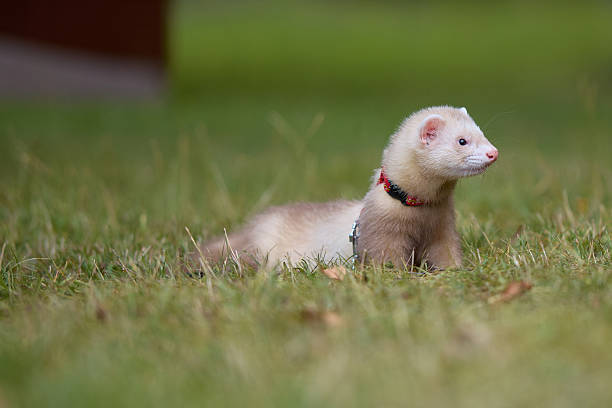
Coccidiosis, caused by protozoan parasites of the genera Isospora and Eimeria, is a prevalent gastrointestinal infection in ferrets—particularly in kits (young ferrets). This condition can lead to severe clinical signs, including diarrhea, dehydration, and weight loss, and poses challenges for ferret owners and breeders due to its ability to spread rapidly in multi-ferret environments. While typically associated with kittens and other small mammals, coccidiosis in ferrets is often underdiagnosed or misdiagnosed, necessitating a thorough understanding of its epidemiology, clinical manifestations, and management strategies.
This guide provides a detailed overview of coccidiosis in ferrets, covering its lifecycle, risk factors, symptoms, diagnostic approaches, treatment protocols, prognosis, and preventive measures. Additionally, it addresses dietary and nutritional considerations, the zoonotic risk (if any), and practical advice for minimizing outbreaks in breeding colonies.
1. Causes of Coccidiosis in Ferrets
1.1. Parasitic Lifecycle
Coccidiosis in ferrets is primarily caused by Isospora felis and Eimeria species. These parasites follow a complex lifecycle that involves both a definitive host (ferrets) and an environmental intermediate stage.
- Oocyst Shedding: Infected ferrets excrete unsporulated oocysts in their feces. These oocysts become infectious (sporulated) within 1–5 days under favorable environmental conditions (moisture, warmth).
- Ingestion Route: Kits or adult ferrets become infected by ingesting sporulated oocysts from contaminated bedding, food, water, or grooming surfaces.
- Tissue Invasion: Once ingested, the oocysts release sporozoites that invade the intestinal epithelial cells, multiply, and cause tissue damage, leading to clinical signs.
1.2. Risk Factors
- Age: Kits are most vulnerable due to immature immune systems.
- Hygiene: Poor sanitation in multi-ferret homes or breeding colonies facilitates transmission.
- Stress: Overcrowding, recent introduction of new ferrets, or concurrent illnesses weaken immunity.
- Vertical Transmission: Mother-to-offspring transmission via milk or contaminated nesting areas has been reported rarely.
2. Clinical Signs and Symptoms
2.1. Common Symptoms
The clinical manifestations of coccidiosis vary in severity, with kits typically exhibiting more pronounced symptoms:
| Symptom | Description |
|---|---|
| Diarrhea | Frequent, watery stools; may contain mucus or blood in severe cases. |
| Dehydration | Sunken eyes, dry gums, lethargy, and poor skin elasticity. |
| Weight Loss/Hindrance | Failure to thrive; poor growth in kits; cachexia in adults with chronic disease. |
| Anorexia | Decreased appetite, leading to malnutrition. |
| Lethargy | Weakness and inactivity. |
2.2. Asymptomatic Carriers
Some infected ferrets, particularly mild or chronic cases, may not show symptoms but still shed oocysts, contributing to environmental contamination.
3. Diagnosis of Coccidiosis
3.1. Fecal Examination
- Flotation Tests: Detect oocysts in fecal samples using sugar or salt solutions (e.g., Sheather’s sugar solution).
- Limitations: Oocyst shedding can be intermittent; multiple fecal samples may be required for conclusive results.
3.2. Differentiation of Species
- Isospora felis: Larger oocysts (25–34 µm) with visible sporocysts.
- Eimeria spp.: Smaller oocysts (10–20 µm); may require PCR or histopathology for species identification.
3.3. Ancillary Tests
- PCR: Confirms the presence of specific coccidian DNA in fecal samples.
- Bloodwork: Reveals dehydration, anemia, or electrolyte imbalances in severe cases.
4. Treatment Protocols
4.1. Antiparasitic Medications
- Sulfadimethoxine/Trimethoprim (Sulfadimethoxine 50–75 mg/kg PO every 24 hours for 5–6 days): First-line treatment.
- Toltrazuril (Baycox, 50 mg/kg PO every 72 hours for 3 doses): Effective in severe cases; avoid prolonged use due to potential resistance.
4.2. Supportive Care
- Fluid Therapy: Subcutaneous or intravenous fluids to correct dehydration.
- Nutritional Support: High-calorie supplements (e.g., Nutridiet) to address weight loss.
- Antibiotics: Only if secondary bacterial infections are suspected (rare in coccidiosis).
4.3. Environmental Decontamination
- Cleaning: Disinfect enclosures with chlorinated bleach solutions (1:32 dilution) or steam.
- Isolation: Separate infected ferrets to prevent transmission.
5. Prognosis and Complications
5.1. Prognosis
- Good with timely diagnosis and treatment, especially in healthy kits.
- Poor in immunocompromised ferrets or those with concurrent diseases.
5.2. Complications
- Secondary Infections: Bacterial or viral pathogens exploiting intestinal damage.
- Chronic Debilitation: Malnutrition and developmental delays in untreated cases.
6. Prevention Strategies
6.1. Environmental Management
- Sanitation: Daily cleanup of feces and bedding; replace porous materials with smooth, non-porous surfaces.
- Quarantine: Isolate new ferrets for 2 weeks and perform fecal exams.
6.2. Breeding Colony Practices
- Spaying/Neutering: Reduces stress and overcrowding.
- Monitoring: Routine fecal screening of breeding females and kits.
6.3. Nutritional Support for Immunity
- Balanced Diet: Commercial ferret diets with taurine, vitamins, and amino acids.
- Hydration: Fresh water access; avoid raw meat from potentially contaminated sources.
7. Diet and Nutrition for Coccidiosis Management
7.1. Nutritional Requirements
- High-Protein, Low-Fiber Diets: Mimic the ferret’s obligate carnivore physiology.
- Example: Purina® Pro Plan® Focus Adult Ferret Formula.
- Hydration: Critical for recovery; administer subcutaneous fluids if necessary.
7.2. Supplements and Probiotics
- Probiotics: May aid in restoring gut flora after treatment (e.g., Enterococcus faecalis).
- Electrolytes: Administer dextrose solutions for weakened kits.
8. Zoonotic Risk and Public Health
8.1. Risk to Humans
Coccidia species in ferrets (e.g., Isospora felis) are not zoonotic; they require the ferret host to complete their lifecycle. However, hygiene precautions are still advised for immunocompromised individuals (e.g., those with HIV or undergoing chemotherapy).
8.2. Safety Measures
- Handwashing: After handling ferrets or cleaning enclosures.
- Avoiding Contaminated Soil: Discourage children from playing in ferret habitats.
9. Frequently Asked Questions (FAQs)
Q1: Can coccidiosis in ferrets be deadly?
A: Yes, if left untreated. Kits and immunocompromised ferrets are at the highest risk of complications.
Q2: How long does coccidiosis last in ferrets?
A: With proper treatment, clinical signs resolve within 7–10 days. Without treatment, symptoms may persist for weeks.
Q3: Can I clean my home with bleach to kill coccidia?
A: Yes, a 1:32 dilution of bleach effectively kills oocysts. Repeated cleaning is essential, as oocysts are highly resilient.
10. Conclusion
Coccidiosis remains a significant health concern for young ferrets, particularly in multi-ferret environments. Early detection through fecal exams, prompt administration of antiparasitic medications, and rigorous environmental sanitation are critical for successful management. By implementing preventive strategies, including proper nutrition and quarantine protocols, ferret owners can mitigate the risk of outbreaks. While the zoonotic potential is low, practicing good hygiene ensures the safety of both humans and ferrets.
#FerretHealth #Coccidiosis #FerretKits #FerretParasites #FerretCare #FerretDisease #FerretDiet #FerretTreatment #FerretVeterinary #FerretWellness #FerretBreeding #FerretNutrition #FerretParasiteControl #FerretDiarrhea #FerretInfection #FerretSanitation #FerretMedicine #FerretOwners #FerretCommunity




Add comment