
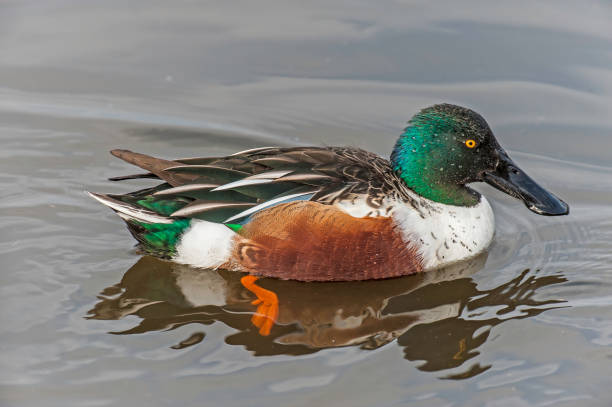
When the first frost arrives, many backyard poultry keepers wonder whether their feathered flock will survive the plunge. Chickens, turkeys, and even geese each have their own set of winter‑hardiness requirements, but ducks possess a unique physiological advantage: they are naturally adapted to aquatic environments where water temperature can dip far below the air temperature.
However, not all ducks are created equal. Some breeds thrive in temperate barnyard settings yet shiver in a sub‑zero wind. Selecting a cold‑hardy breed means:
- Consistent egg production through the winter months, reducing reliance on store‑bought eggs.
- Steady meat growth for those who raise ducks for culinary purposes.
- Lower mortality rates, which translates into less loss of investment and less emotional stress for the keeper.
- Improved welfare, because a duck that can comfortably handle ice and snow is a happier, healthier duck.
This guide equips you with the science, breed‑specific data, and practical management techniques you need to keep a flock of ducks robust, productive, and content even when the mercury slides below freezing.
2. Understanding the Challenges of Winter for Waterfowl
2.1 Temperature Extremes
- Wind Chill: A still‑air temperature of 0 °C may feel like –10 °C with a 30 km/h wind. Feathers provide insulation, but prolonged exposure can lead to hypothermia in breeds lacking dense plumage.
- Rapid Temperature Fluctuations: “Freeze‑thaw cycles” stress metabolic systems, forcing ducks to expend extra energy regulating body heat.
2.2 Water Freezing
- Ducks must preen and bathe to maintain feather oil distribution. When water freezes, they can’t perform this essential behavior, leading to dry, brittle feathers that lose insulating properties.
2.3 Reduced Forage Availability
- Natural seeds, insects, and aquatic plants become scarce. Ducks must rely more heavily on stored feed, which can be less nutrient‑dense if not carefully formulated.
2.4 Increased Disease Pressure
- Winter‑wet respiratory infections (e.g., duck viral enteritis, avian influenza) spread more quickly in confined, damp housing.
- Coccidiosis and bacterial enteritis thrive in cold, moist litter if not managed properly.
2.5 Predation Dynamics
- Snow cover masks footprints, making it easier for raccoons, foxes, and mink to approach unnoticed.
By recognizing these stressors, you can pre‑emptively mitigate them through breed selection, environmental design, and vigilant husbandry.
3. Key Traits of a Cold‑Hardy Duck
| Trait | Why It Matters | Typical Manifestation |
|---|---|---|
| Dense, Down‑Rich Plumage | Provides superior insulation; retains air close to the body. | Blue Swedish, Saxony, and Rouen have thick, fluffy under‑coats. |
| Large Body Mass | More thermal inertia; slows heat loss. | Heavier breeds (e.g., Rouen, Orpington) retain warmth longer than lightweight Call ducks. |
| Robust Feather Oil Gland (Uropygial Gland) | Allows effective preening and water‑repellent feather coating. | All good ducks have a functional gland, but cold‑hardy breeds produce more oil. |
| High‑Calorie Metabolism | Generates heat through digestion of rich feed. | Breeds that thrive on corn‑heavy diets (e.g., Khaki Campbell) can convert feed to body heat efficiently. |
| Adaptable Foraging Behavior | Will scavenge for pasture greens and insects when available, supplementing diet. | Swedish and Saxony ducks are excellent foragers in snow‑covered grass. |
| Calm Temperament | Reduces stress‑induced immunosuppression in harsh weather. | Welsh Harlequin and Buff Orpington are known for their gentle nature. |
When evaluating a breed, look for a combination of these attributes. The best cold‑hardy ducks often excel in three or more categories.
4. Top Cold‑Hardy Duck Breeds (with Detailed Profiles)
Below you’ll find nine breeds that consistently rank high for winter survivability. Each profile includes origin, size, egg production, meat qualities, temperament, and specific winter‑care tips.
4.1 Swedish (Blue & White)
- Origin: Sweden, early 20th century.
- Size: 4.5–5 kg (10–11 lb).
- Egg Production: 150–200 large eggs per year; moderate winter lay (≈ 60 % of spring output).
- Meat Qualities: Rich, dark meat with a fine grain; excellent for roasting.
- Temperament: Calm, easy‑going, and highly sociable with other poultry.
- Cold‑Hardiness Highlights:
- Fluffy, dense down that stays insulated even when feathers become damp.
- Large body mass slows heat loss.
- Proven performance in northern U.S. states (Minnesota, North Dakota) and Canadian provinces (Alberta, Manitoba).
Winter‑Care Recommendations
- Provide a dry, well‑ventilated coop with straw or pine shavings; replace bedding weekly to keep moisture low.
- Offer high‑energy feed (15–18 % protein, added corn or rolled oats) during the coldest months.
- Ensure a heated waterer (or submersible recirculating system) that stays unfrozen for at least 30 minutes each day.
4.2 Saxony
- Origin: Germany, early 1900s; originally a meat‑type.
- Size: 4–5 kg (8.8–11 lb).
- Egg Production: 120–150 medium‑large eggs per year; reliable winter laying if fed adequately.
- Meat Qualities: Tender, succulent meat with a mildly sweet flavor; ideal for confit or braising.
- Temperament: Friendly, inquisitive; readily bonds with caretakers.
- Cold‑Hardiness Highlights:
- Thick, glossy plumage that repels water.
- Robust leg muscles for walking through deep snow to forage.
Winter‑Care Recommendations
- Forage area: Reserve a snow‑free paddock (by shoveling a 1 m² patch) where they can graze on remaining grasses.
- Supplemental greens: Offer frozen kale or spinach (thawed) to mimic natural foraging.
- Predator proofing: Install an overhead net; Saxonies often roost on low branches that predators can reach.
4.3 Rouen
- Origin: France, 19th century (Rouen, Normandy).
- Size: 5–5.5 kg (11–12 lb); the “golden giant” of ducks.
- Egg Production: 140–180 eggs per year; slightly lower in extreme cold but still respectable.
- Meat Qualities: Similar to a Pekin but with richer flavor; perfect for holiday roasts.
- Temperament: Calm, docile, and tolerant of close human contact.
- Cold‑Hardiness Highlights:
- Massive body mass plus dense plumage create a built‑in “thermal blanket.”
- Historically the breed of choice for European winter markets.
Winter‑Care Recommendations
- Insulated coop: Add rigid foam boards to coop walls or use a double‑wall construction to maintain a stable interior temperature (≈ 5 °C).
- Feed enrichment: Mix in sunflower seeds and millet to increase caloric density.
- Water management: Use a deep water trough with a floating heater; Rouens love to splash, so keep the water moving.
4.4 Khaki Campbell (Cold‑Tolerant Lines)
- Origin: United Kingdom, 1898, by Mrs. Adele Campbell.
- Size: 2.2–2.8 kg (5–6 lb).
- Egg Production: 250–300 medium eggs per year; the most prolific egg‑layer among ducks.
- Meat Qualities: Lean, mild; not a primary meat breed but acceptable for stew.
- Temperament: Active, a bit more nervous than heavy breeds, but adapts quickly.
- Cold‑Hardiness Highlights:
- Though lighter, the Khaki Campbell’s high metabolic rate enables it to generate heat efficiently.
- Modern cold‑tolerant lines (selected in the Northern U.S.) show improved feather density.
Winter‑Care Recommendations
- Feed: Provide a high‑protein layer feed (18–20 % protein) plus vitamin D to compensate for reduced sunlight.
- Heat source: A small, low‑wattage heat lamp (25 W) placed in a corner of the coop can help maintain body condition without overheating.
- Water: Use a heated water line or a trough with a thermostatically controlled submersible heater to keep water liquid for preening.
4.5 Buff Orpington
- Origin: United Kingdom, early 20th century; derived from the Orpington chicken.
- Size: 3.5–4 kg (7.5–9 lb).
- Egg Production: 150–180 large, creamy‑white eggs per year; winter laying moderately consistent.
- Meat Qualities: Tender, succulent; a dual‑purpose breed.
- Temperament: Extremely docile, excellent for families and educational farms.
- Cold‑Hardiness Highlights:
- Thick, golden‑buff plumage provides excellent insulation.
- Rounded body shape aids in heat retention.
Winter‑Care Recommendations
- Bedding: Use hemp shavings; they stay dry longer than straw, reducing dampness in the coop.
- Supplemental Grit: Provide crushed oyster shell for calcium, especially important during winter egg production.
- Nighttime Cover: Install a windbreak on the south side of the coop to reduce chilling drafts.
4.6 Welsh Harlequin
- Origin: Wales, early 1900s; originally a decorative ornamental duck.
- Size: 1.8–2.2 kg (4–5 lb).
- Egg Production: 150–200 deep‑blue eggs per year; excellent winter laying if fed high‑energy diet.
- Meat Qualities: Small but flavorful; prized for gourmet dishes.
- Temperament: Curious, active, and relatively easy to handle.
- Cold‑Hardiness Highlights:
- Compact body with a relatively dense feather coat makes it surprisingly resilient.
- Adapted to the wet, windy climate of the British Isles, which mirrors many North American winters.
Winter‑Care Recommendations
- Feeding: Add molasses‑based feed supplements for quick caloric boosts on very cold days.
- Water: Install a self‑draining water system that continuously cycles water through a heated pipe, minimizing ice formation.
- Coop Layout: Provide perches (low rails) so ducks can rest off the cold floor, reducing heat loss through their feet.
4.7 Cayuga
- Origin: United States, New York, 19th century; named after the Cayuga Lake region.
- Size: 3.5–4 kg (7.5–9 lb).
- Egg Production: 130–150 deep‑green eggs per year; winter laying tends to dip but remains viable.
- Meat Qualities: Dark, rich meat with a slightly gamier taste; favored by chefs for braising.
- Temperament: Friendly, slightly more independent than other heavy breeds.
- Cold‑Hardiness Highlights:
- Water‑resistant black plumage is thick and provides excellent insulation.
- Historically raised in northern New England, where harsh winters are common.
Winter‑Care Recommendations
- Lighting: Use low‑intensity amber LED lights for 12–14 hours a day to stimulate laying during short daylight periods.
- Feed: Include unshelled corn to provide extra carbohydrate energy.
- Water Management: Use a heated pond or a large insulated trough that stays liquid for longer periods.
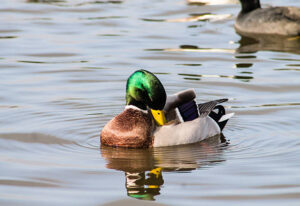
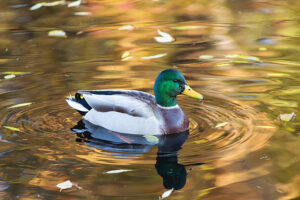
4.8 Mallard & Wild‑type Ducks
- Origin: Global; the ancestor of most domestic breeds.
- Size: 0.9–1.2 kg (2–2.5 lb).
- Egg Production: 80–120 eggs per year; excellent winter laying when provided with natural habitat.
- Meat Qualities: Wild‑type meat is lean and flavorful; prized by hunters.
- Temperament: More skittish, but highly adaptable.
- Cold‑Hardiness Highlights:
- Evolutionary adaptation to a wide range of climates, from Arctic tundra to temperate wetlands.
- Efficient feather oil gland allowing long‑lasting water repellency.
Winter‑Care Recommendations
- Habitat: Provide a shallow, flowing water feature that never freezes entirely (e.g., a small stream with a pump).
- Diet: Offer natural foraging (grass, weed seeds) supplemented with high‑fat pellets.
- Shelter: Build a sheltered “duck house” with a sloped roof to shed snow and a raised floor to stay dry.
4.9 Call Duck (Hardy Varieties)
- Origin: China, 1930s; originally a bantam duck used for decoy work.
- Size: 0.5–0.7 kg (1–1.5 lb).
- Egg Production: 80–120 small eggs per year; winter laying can be erratic.
- Meat Qualities: Very small; not a primary meat breed.
- Temperament: Very vocal, lively, and social.
- Cold‑Hardiness Highlights:
- Though tiny, certain lines (e.g., Silver Call, Black Call) have been selected for thicker down in colder regions of the U.S. Pacific Northwest.
Winter‑Care Recommendations
- Insulation: Keep them indoors during extreme cold; provide extra bedding (e.g., shredded paper).
- Heat Source: A small ceramic heat mat under a corner of the coop can keep the micro‑environment above freezing.
- Water: Use a heated, shallow dish; call ducks love to dabble but will freeze quickly if water is not kept above 0 °C.
5. Housing & Shelter Strategies for Frosty Weather
5.1 Coop Design Fundamentals
| Feature | Recommended Specification |
|---|---|
| Floor | Raised 15–20 cm above ground; use plastic slatted flooring with a dry bedding layer (hemp, pine shavings). |
| Walls | Double‑wall construction with insulating material (e.g., rigid foam or straw bales). |
| Roof | Sloped, weather‑tight, with overhangs to prevent snow accumulation on doors. |
| Ventilation | Adjustable vents near the roof ridge; ensure airflow without drafts (cold‑air in, warm‑air out). |
| Lighting | 12‑hour photoperiod using LED “daylight” bulbs (5600 K) to stimulate laying. |
| Door & Access | Self‑closing weather‑striped doors; consider a double‑door “airlock” to minimize cold air infiltration. |
5.2 Supplemental Heating
- Heat Lamps: 25–40 W incandescent or halogen; install safely with a metal shield.
- Ceramic Heat Emitters: Run on electricity; emit radiant heat without light, preserving a natural dark‑night cycle.
- Brooder‑Style Pads: Low‑voltage infrared pad beneath a section of the coop floor; ideal for heavy breeds that huddle.
Tip: Use a thermostat‑controlled plug to avoid overheating and save energy.
5.3 Nesting Boxes
- Provide deep boxes (30 × 40 × 30 cm) lined with straw and cardboard to retain warmth.
- Insulate the exterior of each box with bubble‑wrap or shaving‑foam for extra heat.
5.4 Outdoor Run & Foraging Area
- Snow‑free “forage islands”: Shovel a 1 m² patch and cover with straw for ducks to peck.
- Rooted grasses: Plant winter‑hardy grasses (e.g., rye, oats) that remain green under snow for nutrient‑rich foraging.
6. Feeding & Nutrition in Low Temperatures
6.1 Energy Demands
- Ducks increase metabolic heat production by 30–50 % in sub‑zero conditions.
- Caloric requirement: Roughly 300–350 kcal per kg of body weight per day in the deep freeze, compared with 250 kcal in moderate weather.
6.2 Feed Formulation
| Nutrient | Recommended Level (Winter) | Sources |
|---|---|---|
| Crude Protein | 18–20 % for layers; 20–22 % for meat‑type | Soybean meal, canola meal, fish meal |
| Metabolizable Energy (ME) | 3000–3500 kcal/kg | Corn, barley, wheat, rice bran |
| Fat | 6–8 % (optional) | Sunflower oil, flaxseed, canola oil |
| Calcium | 3.5–4 % (layers) | Oyster shell, limestone |
| Vitamin D3 | 3000 IU/kg (higher than standard) | Synthetic D3 premix |
| Trace Minerals | Increased zinc, copper, manganese | Chelated mineral mixes |
6.3 Supplemental Feeds
- Molasses: 5–10 % of total diet; quick source of glucose.
- Fats & Oils: Add 2 % melted animal fat or vegetable oil on cold days.
- Warm Water: Serve lukewarm (35 °C) water once a day to increase feed intake.
6.4 Feeding Frequency
- Offer continuous access (ad libitum) to feed; ducks will self‑regulate intake.
- Morning & Evening “top‑ups” of high‑energy mash can encourage additional consumption before nightfall.
7. Water Management & Ice Prevention
7.1 Why Water Matters
- Ducks require regular immersion to spread preen oil, keep feathers waterproof, and prevent skin infections.
- Lack of water leads to dry, brittle plumage, increasing heat loss.
7.2 Heated Water Systems
| System | Pros | Cons |
|---|---|---|
| Submersible Heater (e.g., 150–250 W) | Simple, low‑cost, works in any container | Requires electricity, possible overheating |
| Recirculating Pump + Heat Exchanger | Keeps water moving, reduces ice formation | Higher initial cost, more maintenance |
| Solar‑Powered Water Heater | Eco‑friendly, reduces electric bill | Dependent on sunlight, may need backup |
7.3 Practical Tips
- Depth: Keep water ≥ 10 cm deep; deeper water freezes slower.
- Location: Place waterers near a sunny wall or under a shed to gain passive heat.
- Cleaning: Remove debris daily; organic matter accelerates freezing.
- Backup: Keep a heated bucket as an emergency water source if the main system fails.
8. Health, Biosecurity, and Winter‑Specific Illnesses
8.1 Common Winter Ailments
| Illness | Signs | Prevention |
|---|---|---|
| Duck Viral Enteritis (DVE) | Lethargy, watery diarrhea, sudden death | Vaccination (where available), strict quarantine of new birds |
| Coccidiosis | Bloody droppings, ruffled feathers | Clean, dry litter; rotate pasture; add coccidiostat to feed in high‑risk periods |
| Respiratory Infections (Mycoplasma, Pasteurella) | Sneezing, nasal discharge, open‑mouth breathing | Adequate ventilation, avoid damp bedding, keep coop dry |
| Frostbite (toes, combs) | Pale, swollen extremities, blackened tissue | Provide dry bedding, avoid metal perches, use insulated flooring |
8.2 Biosecurity Checklist
- Footbaths at the coop entrance (quaternary ammonia solution).
- Handwashing before and after handling birds.
- Separate “sick‑bird” area – a quarantine pen with its own feeding/watering system.
- Rodent control – store feed in sealed containers, use metal bins.
- Regular health checks – weekly visual inspections for feather condition, eye clarity, and foot health.
8.3 Vaccination & Deworming
- DVE vaccine (if legally available in your region).
- Broad‑spectrum wormer (e.g., fenbendazole) every 6–8 weeks in winter when birds are confined.
9. Breeding & Egg Production in Cold Climates
9.1 Egg‑Laying Physiology
- Light is the primary driver; photoperiod of 14–16 hours sustains laying.
- Temperature influences hormone conversion (thyroid hormones).
9.2 Managing Light
- Install programmable LED timers that mimic sunrise (gradual increase over 30 minutes).
- Use warm‑white bulbs (3000 K) in the evening to avoid suppressing melatonin.
9.3 Nest Management
- Provide heated nesting boxes (e.g., a low‑wattage heat pad) to keep eggs at ≈ 37.5 °C during incubation periods.
- Replace soiled straw each week to prevent mold and bacterial growth.
9.4 Incubation Strategies
- Brooder incubators with temperature control (37.5 °C) and relative humidity of 55 % (first 18 days) rising to 70 % for hatching.
- For larger flocks, create a “winter incubator” using a heated brood box with a water pan to maintain humidity.
9.5 Selecting Breeding Stock
- Choose birds with strong feather density and good body condition scores (≥ 3.5 on a 5‑point scale).
- Cross heavy, cold‑hardy breeds (e.g., Rouen × Swedish) to produce hybrid vigor for both meat and egg production.
10. Meat Production & Gourmet Considerations
10.1 Optimal Slaughter Age
| Breed | Ideal Slaughter Age (weeks) | Reason |
|---|---|---|
| Swedish | 12–14 | Tender meat, good fat distribution |
| Saxony | 14–16 | Enhanced flavor, minimal intra‑muscular fat |
| Rouen | 16–18 | Large size, holiday‑roast suitability |
| Khaki Campbell | 10–12 | Lean meat, quick turnover |
| Cayuga | 14–16 | Dark, robust flavor ideal for braising |
10.2 Pre‑Slaughter Conditioning
- “Fasting” for 12–14 hours reduces gut content, improving flavor and safety.
- Cold‑water bath (10 °C) for 30 minutes prior to processing sharpens breast meat texture.
10.3 Culinary Tips
- Roasting: Brine with 2 % salt + 0.5 % sugar for 12 hours; results in moist, succulent meat.
- Confit: Slow‑cook duck legs (especially from Cayuga or Saxony) in duck fat at 80 °C for 3 hours.
- Smoking: Use apple wood for a subtle sweetness; cold‑hardy breeds hold smoke flavor well due to higher intramuscular fat.
11. Predator Protection When Snow Covers the Ground
11.1 Common Winter Predators
- Raccoons (dig under fences)
- Red Foxes (burrow or breach coop roofs)
- Mink & Weasels (slip through small gaps)
- Birds of Prey (hawks, owls) – especially when ducks are roosting low.
11.2 Physical Barriers
- Fencing: 1.2 m high welded wire with a bottom apron extending 30 cm underground.
- Overhead Netting: 1.5 m high mesh to deter aerial predators; anchor with guy‑lines to prevent sagging under snow weight.
- Roll‑Away Doors: Automated doors that close at night using a timer, preventing nocturnal incursions.
11.3 Behavioral Strategies
- Night‑time Roosting: Encourage ducks to roost inside the coop rather than on the ground.
- Companion Animals: Guard dogs (e.g., Anatolian Shepherd) or barn cats can deter small predators; ensure they are trained not to harm the ducks.
11.4 Emergency Response
- Keep a “predator‑alert kit” (flashlight, fire‑starter, portable radio) near the coop.
- Conduct weekly perimeter inspections after heavy snowfall, as predators may create new entry points under displaced fencing.
12. Integrating Ducks into a Sustainable Homestead
12.1 Nutrient Cycling
- Manure: Duck manure is high in nitrogen and low in odor compared with chicken litter; ideal for leafy vegetable beds.
- Water Purification: Ducks naturally filter pond algae, improving water quality in small farm ponds.
12.2 Pest Control
- Ducks excel at controlling slugs, snails, and insect larvae—a natural, pesticide‑free method for garden protection.
- Use duck‑friendly fencing to allow controlled access to vegetable rows during the growing season.
12.3 Energy Efficiency
- Solar‑powered water heaters can be paired with duck waterers, reducing electricity costs.
- Compost bins can be insulated with duck bedding, turning waste into a valuable fertilizer source during winter.
12.4 Economic Returns
| Product | Average Yield (per 10 ducks) | Approx. Market Value (USD) |
|---|---|---|
| Eggs (winter) | 150–180 large eggs | $150–$210 |
| Meat (roast) | 12 kg (≈ 26 lb) | $120–$180 |
| Manure (bagged) | 25 kg | $30–$45 |
| Pest‑control services | N/A | $75–$100 (per season) |
Diversifying income streams through egg sales, specialty meat cuts, and agritourism (duck‑watching) can dramatically improve the sustainability of a small farm.
13. Frequently Asked Questions (FAQ)
Q1. How long can ducks survive without a heated water source?
A1. Most cold‑hardy breeds can tolerate brief periods (up to 48 hours) of frozen water, but prolonged lack of water leads to feather drying and increased risk of frostbite. Provide at least 8 hours of liquid water per day during deep freezes.
Q2. Do I need to provide supplemental lighting for all breeds?
A2. Light is essential for egg production. Heavy, cold‑hardy breeds (e.g., Rouen, Swedish) can maintain modest laying without supplemental light, but 15 hours of daylight maximizes output. Lighter breeds (e.g., Khaki Campbell) benefit most from a light schedule.
Q3. Can I keep ducks outdoors year‑round in a region where temperatures reach –30 °C?
A3. Yes, if you employ well‑insulated housing, a reliable heat source, and continuous water. Breeds like Swedish and Rouen have historically thrived in Scandinavian climates with temperatures below –30 °C.
Q4. Should I feed my ducks corn in winter?
A4. Corn is an excellent source of rapid energy; however, it is low in protein and calcium. Use corn as a supplement (10–15 % of the diet) alongside a balanced layer or grower feed.
Q5. Are there any legal restrictions on keeping certain duck breeds?
A5. Some municipalities limit exotic or wild‑type ducks (e.g., Mallards) due to disease concerns. Check local zoning ordinances and state agriculture department regulations before acquiring new birds.
15. Final Thoughts – Choosing the Right Breed for Your Climate
Selecting a cold‑hardy duck breed is a balance of biology, purpose, and local environment.
- If your primary goal is egg production, the Khaki Campbell (with a cold‑tolerant line) and Welsh Harlequin deliver the highest numbers, provided you supplement with heat and high‑energy feed.
- For meat and holiday feasts, the Rouen, Swedish, and Saxony shine, offering generous size and superb flavor even after an icy winter.
- For a dual‑purpose flock that also offers natural pest control, the Buff Orpington and Cayuga provide a wonderful mix of temperament, hardiness, and foraging ability.
No matter which breed you choose, the core principles remain constant: dry, well‑ventilated housing, continuous access to unfrozen water, high‑energy nutrition, adequate lighting, and vigilant health monitoring. By implementing the strategies outlined in this guide, you’ll empower your ducks to thrive, lay, and grow in even the harshest chill—turning a frosty season into a productive, rewarding time on the farm.
#ColdHardyDucks, #WinterDuckCare, #SnowyPoultry, #SwedishDuck, #RouenDuck, #SaxonyDuck, #KhakiCampbell, #BuffOrpington, #WelshHarlequin, #CayugaDuck, #DuckEggsWinter, #DuckMeatRecipes, #HeatedWaterer, #DuckCoopInsulation, #WinterPoultryNutrition, #DuckPredatorProtection, #DuckHealthWinter, #DuckDiseasePrevention, #DuckForagingSnow, #DryBedding, #DuckLighting, #ColdClimateBreeding, #SustainableDucks, #BackyardDucks, #DuckManureFertilizer, #DuckWaterManagement, #WinterFeeding, #HeatLamps, #DuckHousing, #BreedComparison, #WinterSupplements, #WaterSystem, #HealthChecklist, #WinterFencing, #PredatorDeterrent, #Biosecurity, #Incubation, #SlaughterAge, #CookingDucks, #MarketValue, #PestControl.
Add comment